
Research area
Health & Longevity
Human health, disease, treatment and aging. The largest corpus area supports distinct cancer, neurological and therapeutic navigation.
-
 Evidence date ·
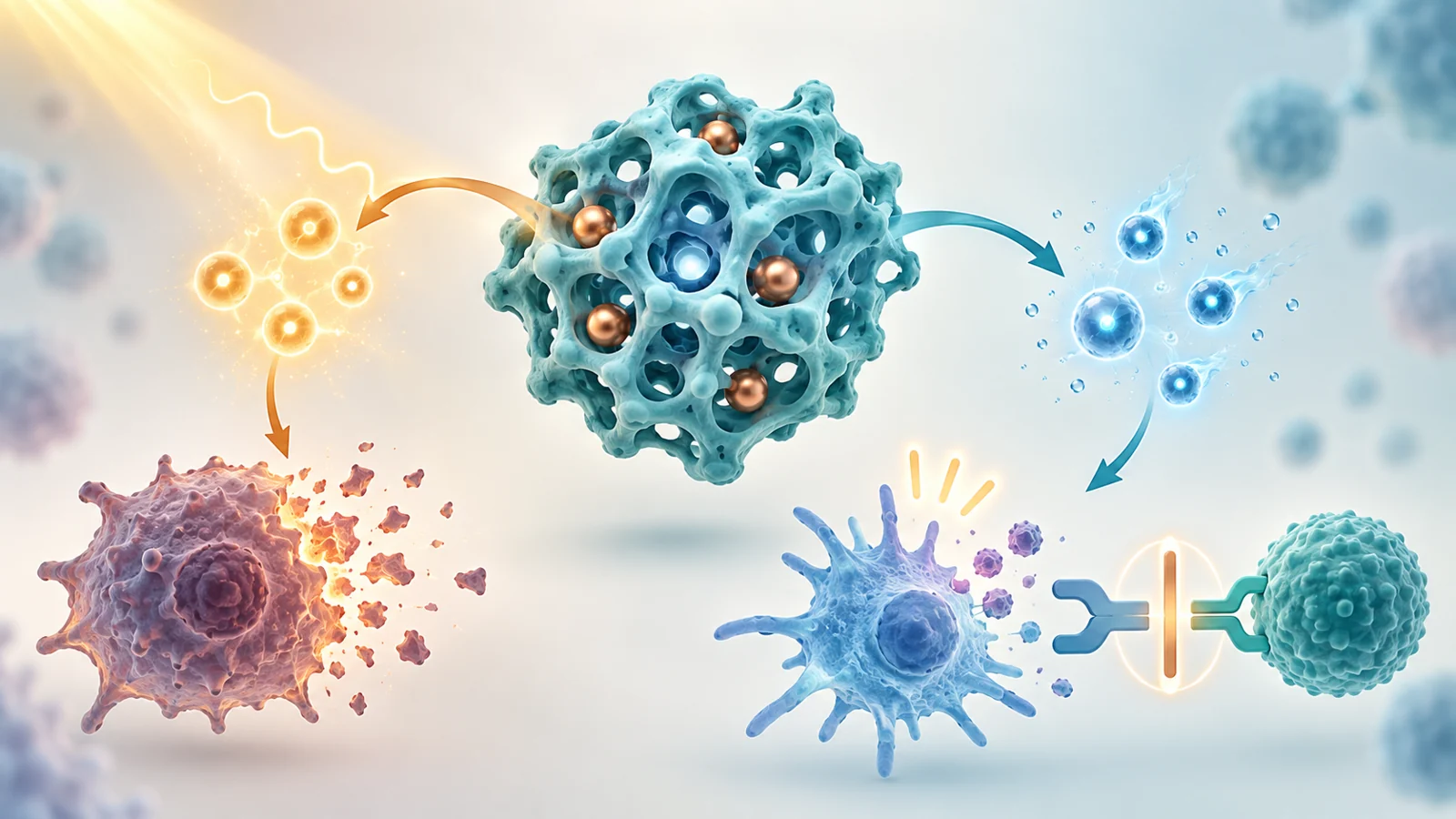
How a copper-containing scaffold links light-driven chemistry with immune treatment
Peer-Reviewed PaperTracked over timeA copper-containing molecular scaffold uses light and copper chemistry to damage cancer cells and support immune activation alongside anti-PD-1 treatment.
-
 Evidence date ·
Can a porous material help the immune system act beyond one tumor?
Peer-Reviewed PaperTracked over timeResearchers linked inactive molecules into porous frameworks, then tested COF-609 with anti-CD47 in mice, where more than 95% survived to day 110.
-
 Evidence date ·
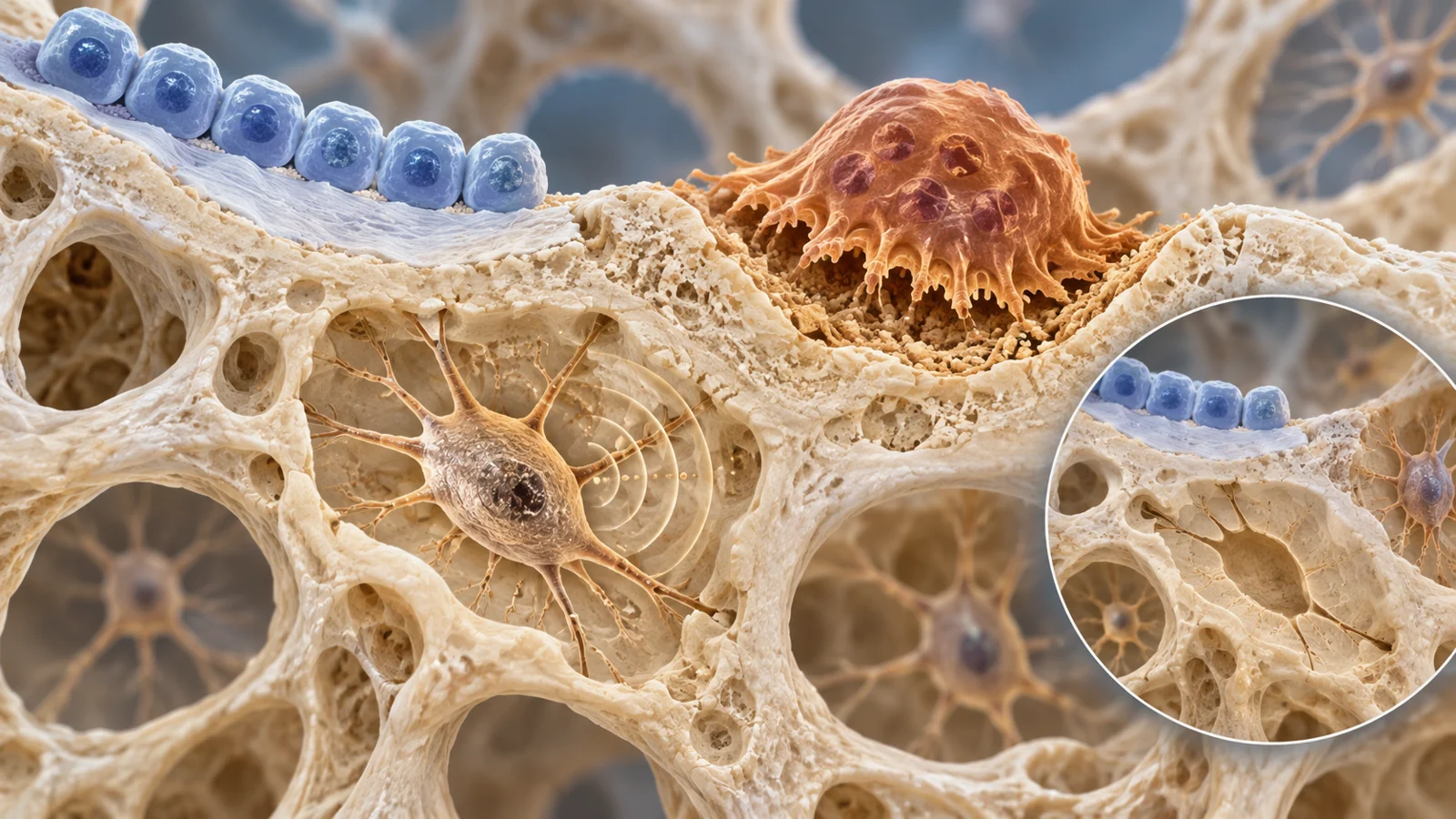
How removing senescent cells might protect aging bones
Review or Meta-AnalysisA 2021 review explains how clearing senescent cells improved bone measures in mice, while dose, cause of bone loss and repair biology complicate treatment.
-
 Evidence date ·
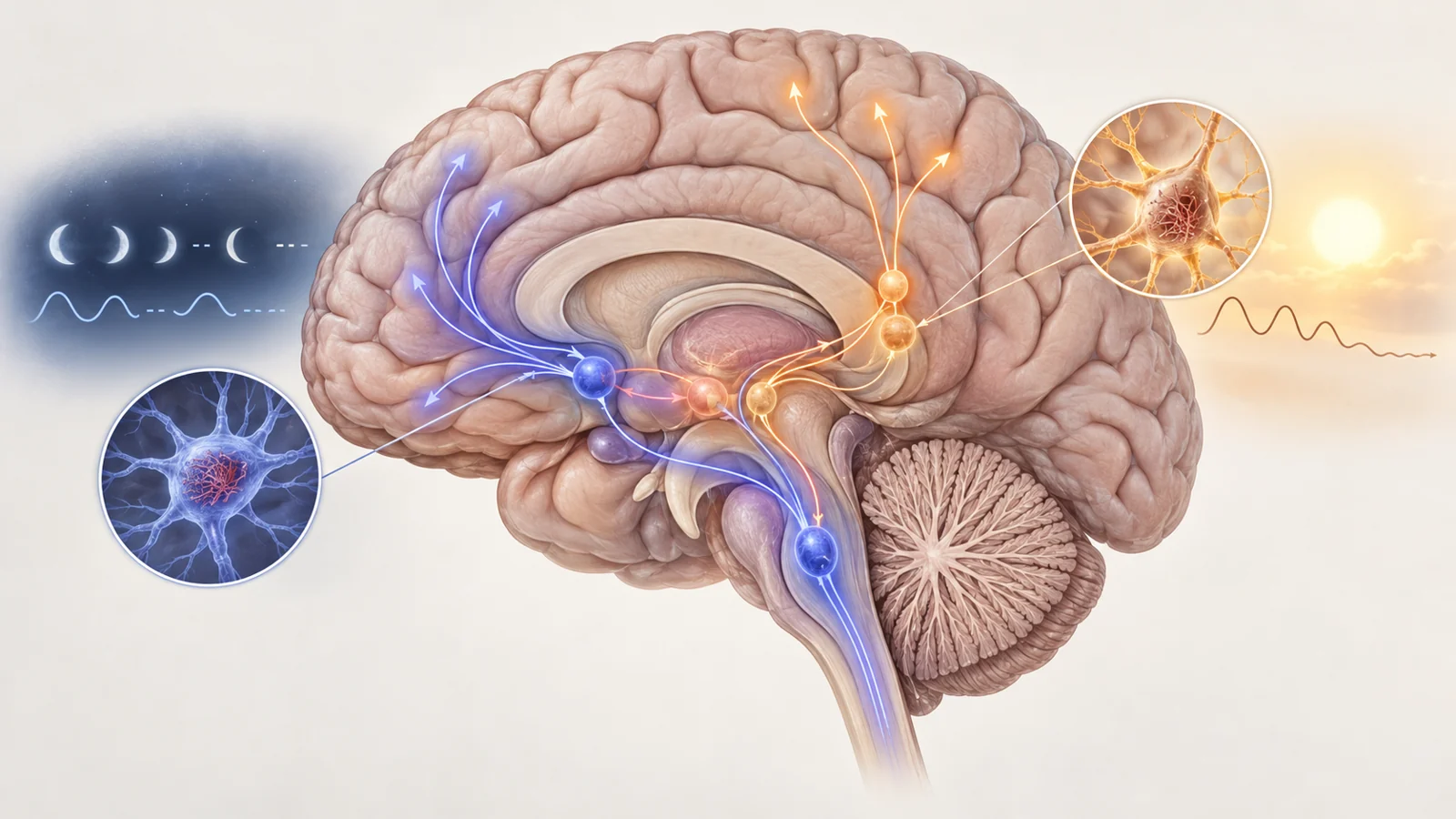
How Alzheimer’s may disrupt the circuits that keep us asleep and awake
Review or Meta-AnalysisA 2021 review examines how tau-related damage to sleep and wake circuits may contribute to fragmented nights and daytime sleepiness in Alzheimer’s.
-
 Evidence date ·
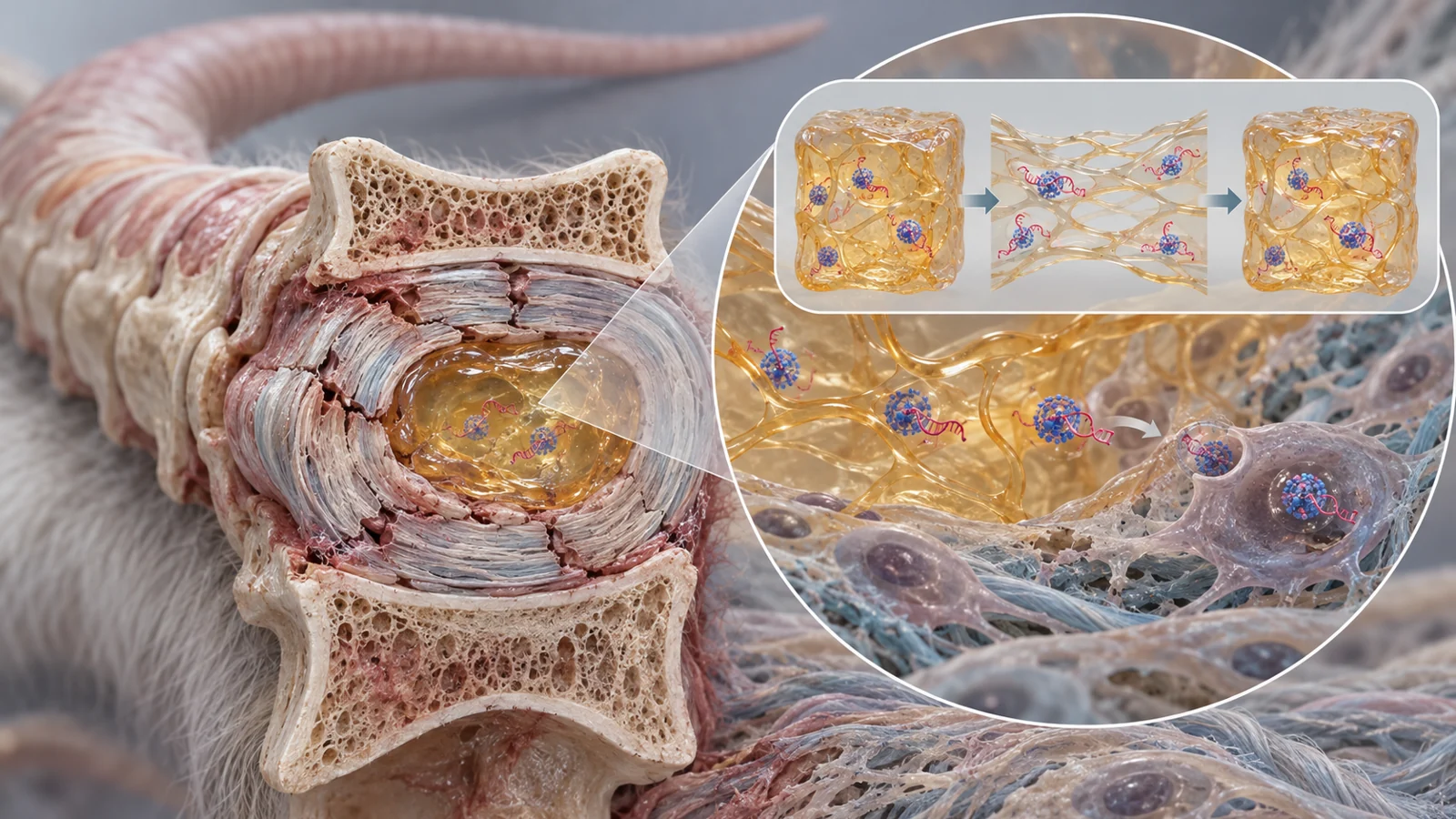
How a gel helped an RNA treatment last longer in injured rat discs
Peer-Reviewed PaperA 2021 rat study tested a self-healing water-rich gel that carried gene-silencing RNA, slowed disc deterioration, and left human treatment unproven.
-
 Evidence date ·
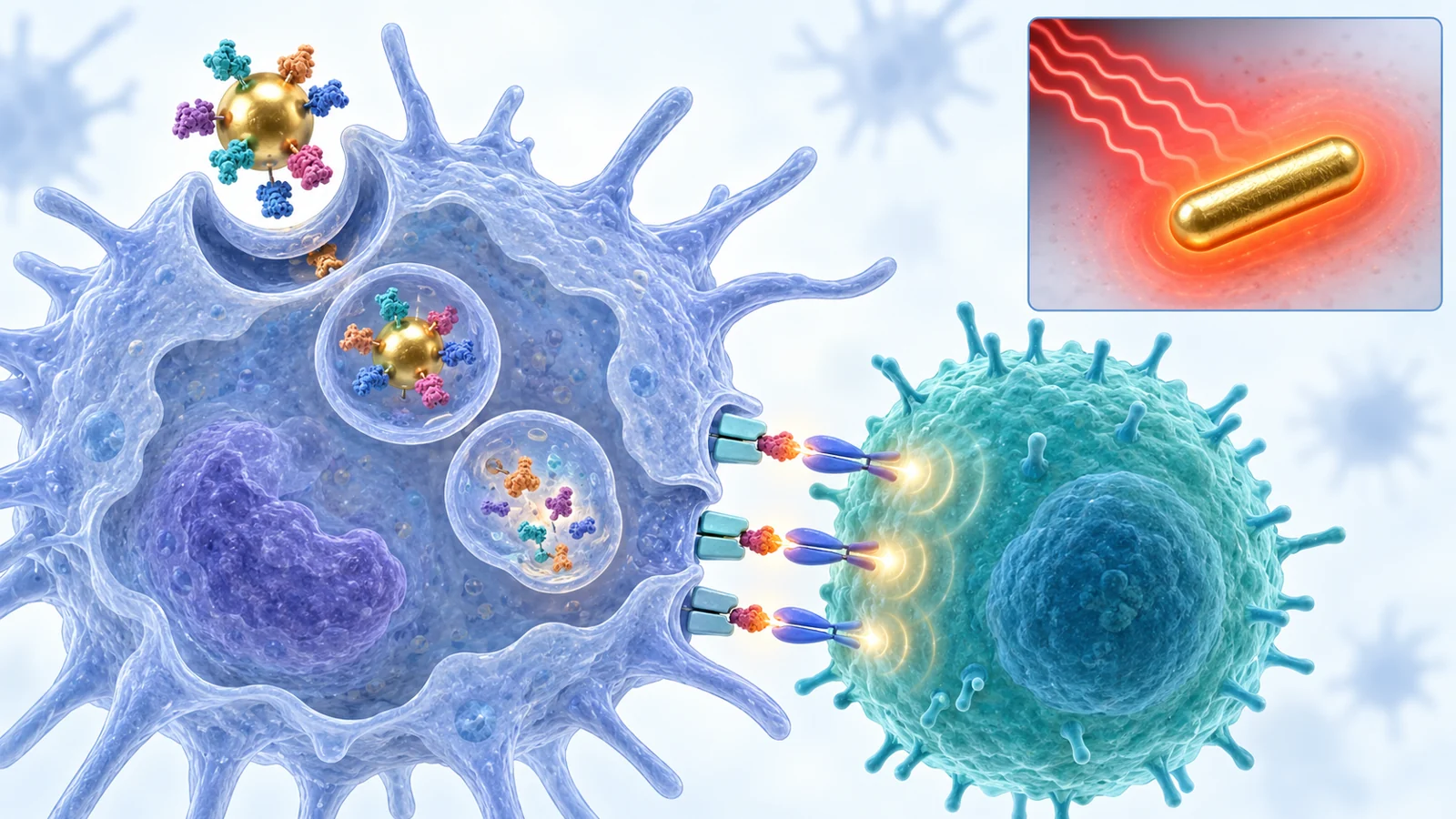
How tiny gold carriers could help immune treatments reach the right cells
Review or Meta-AnalysisA 2021 review describes gold particles carrying antigens and adjuvants, with light-generated heat, in laboratory and mouse cancer research.
-
 Evidence date ·
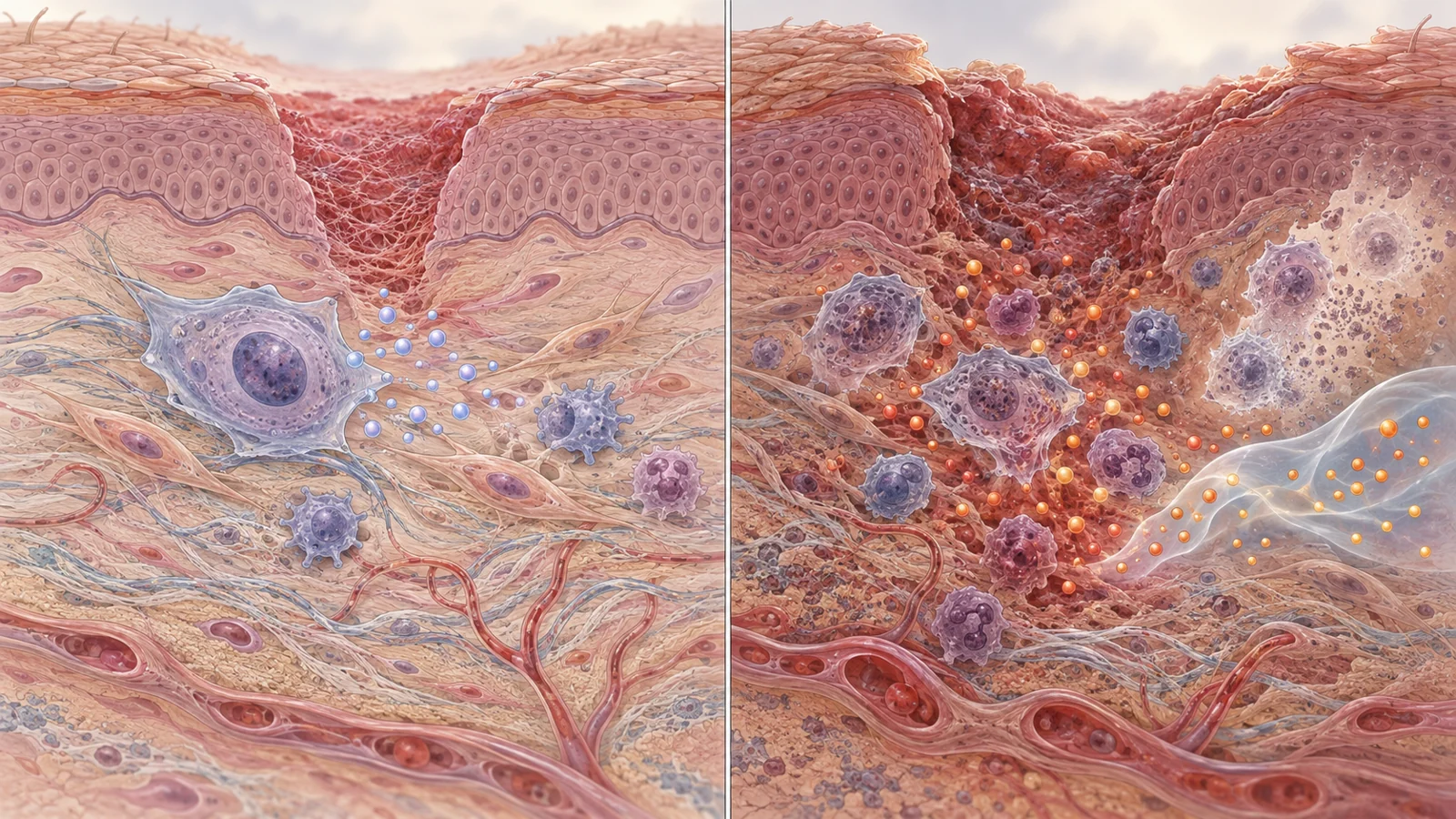
Why clearing aging-related cells may complicate wound repair
Peer-Reviewed PaperA 2021 synthesis explains how repair signals from senescent cells can help close wounds—and why removing them is not yet a human wound treatment.
-
 Evidence date ·
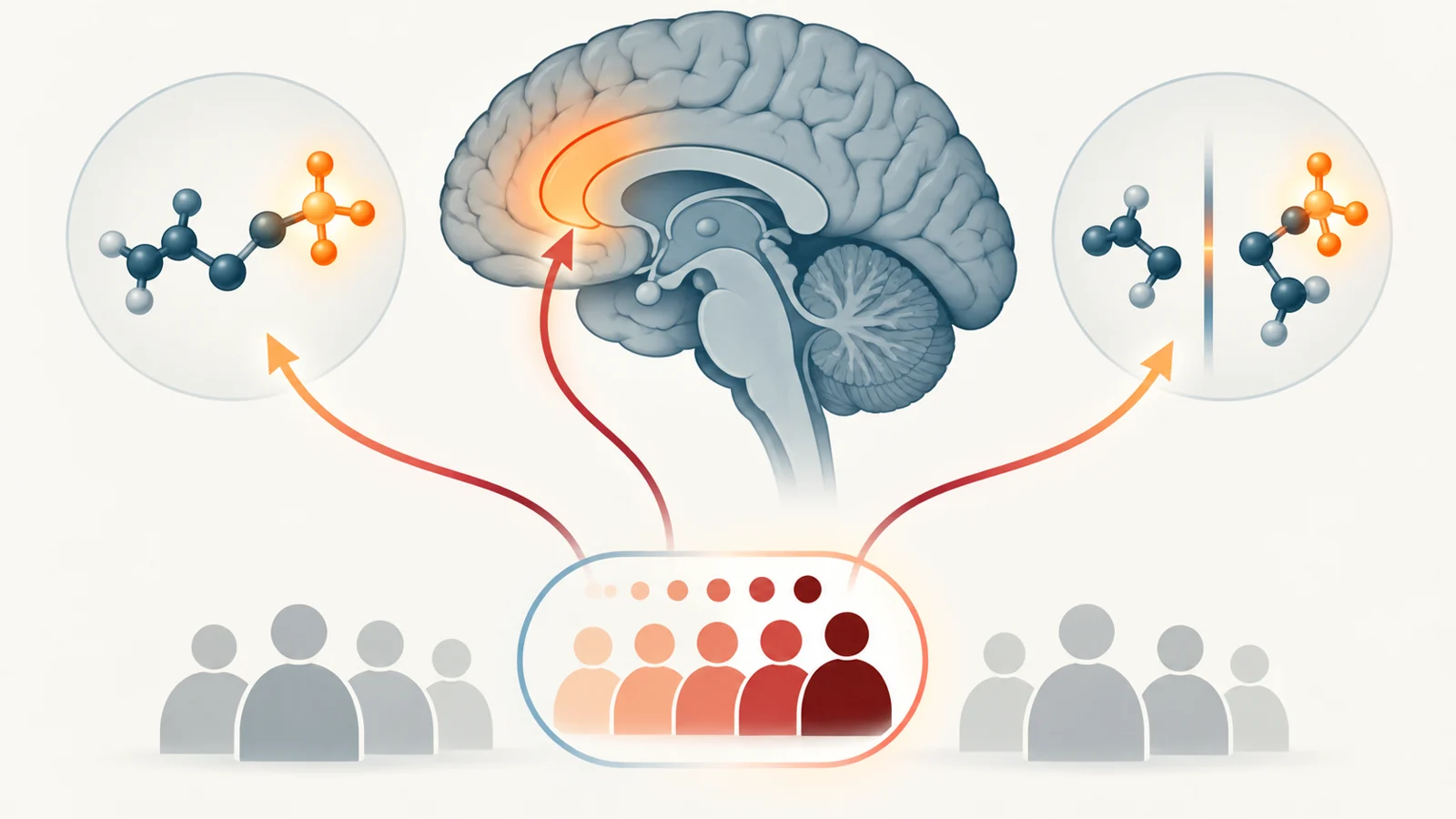
What childhood abuse may mean for brain chemistry in bipolar I disorder
Peer-Reviewed PaperA 118-person study measured abuse severity and brain creatine chemistry in bipolar I disorder, but the association does not explain outcomes or guide treatment.
-
 Evidence date ·
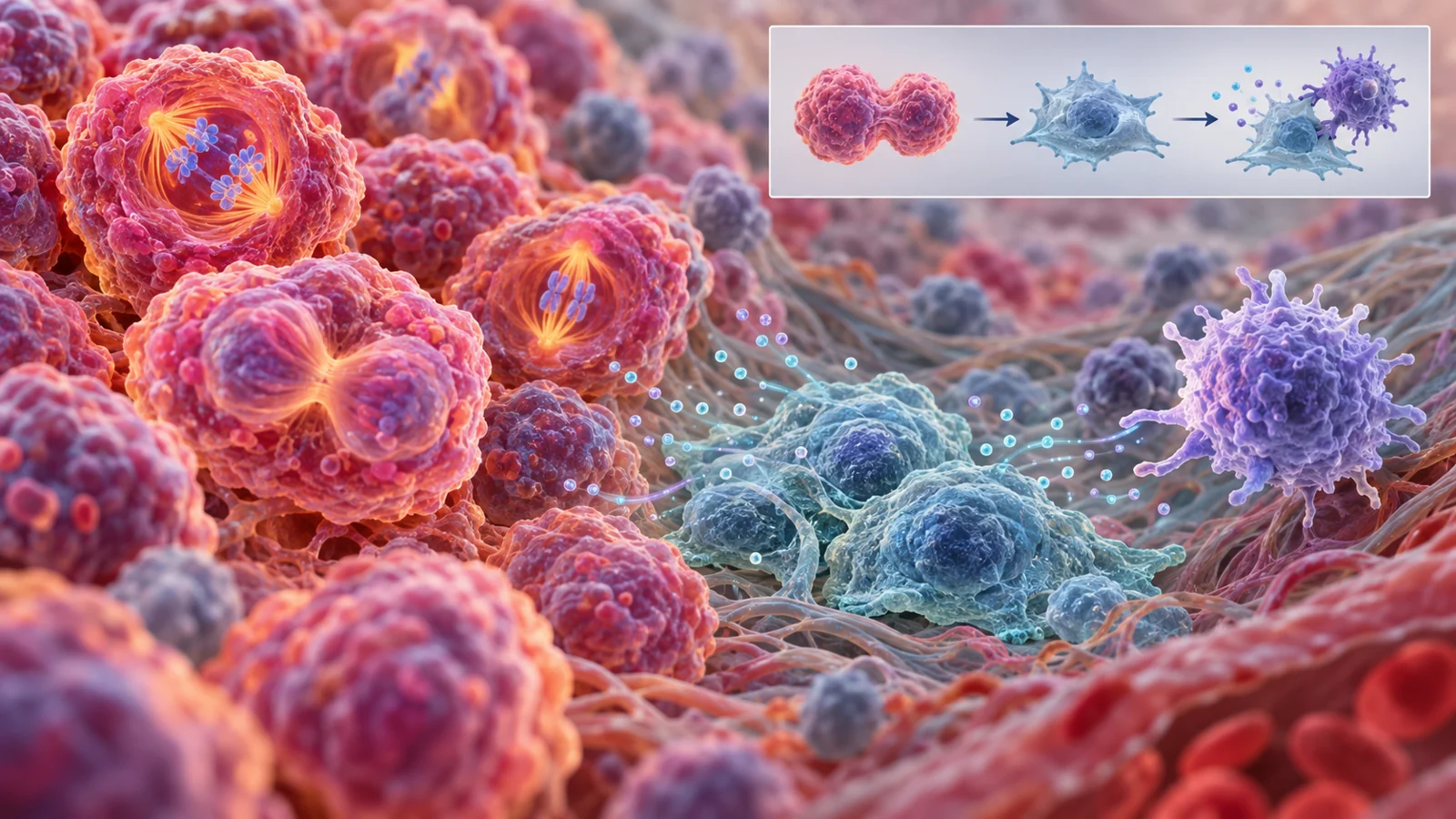
Why treatment order may matter for surviving breast cancer cells
Review or Meta-AnalysisA 2021 review links stress-induced growth arrest to treatment resistance in triple-negative breast cancer and compares two preclinical treatment sequences.
-
 Evidence date ·
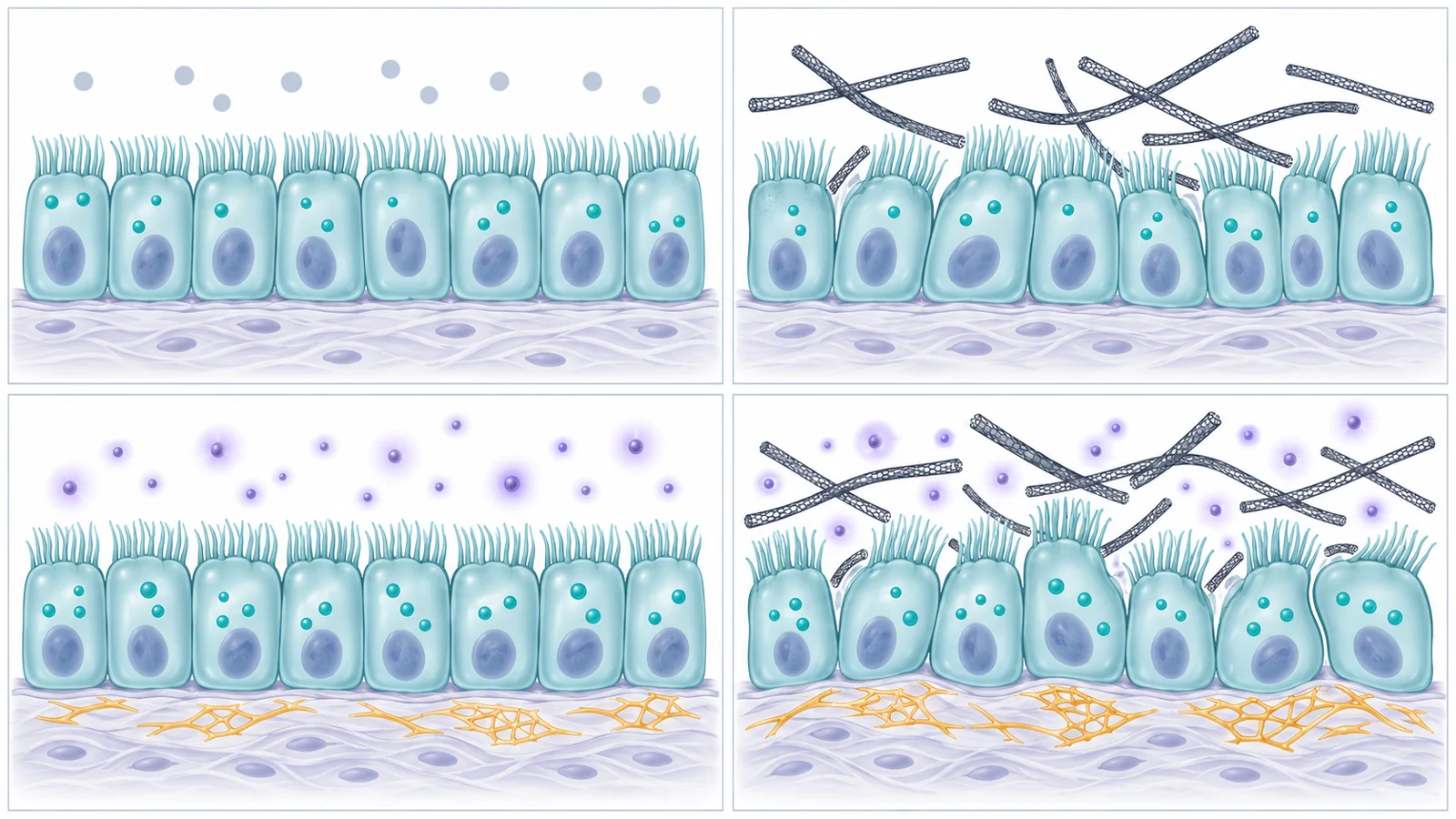
Why cultured airway cells respond differently to tiny carbon tubes
Peer-Reviewed PaperCultured airway cells exposed to carbon nanotubes plus a scarring-related signal had higher levels of proteins linked to growth arrest than cells given either alone.