
Explore progress
Progress tracks
Long-running scientific and technological questions, followed as the evidence changes.
-

OX40 Agonist Development for Cancer
Early ResearchTechnology TrackCan OX40 agonists produce a clinically demonstrated benefit for cancer patients, alone or in combination with other immunotherapies?
Main bottleneck: Current evidence describes patent activity and reviews of development challenges and clinical applications, but does not establish reproducible clinical benefit. Translating the proposed approaches into convincing patient evidence remains unresolved.
-

Checkpoint Inhibition in Lung Cancer with Poor Performance Status
Early ResearchDiscovery ClusterCan checkpoint immunotherapy provide safe, meaningful benefit for people with lung cancer and poor performance status?
Main bottleneck: The bounded evidence includes a three-patient case series and a planned systematic review and meta-analysis; it does not yet establish how consistently immunotherapy works or how safe it is for this group.
-

Lymphaticovenous Anastomosis for Alzheimer’s Disease
Early ResearchDiscovery ClusterCan lymphaticovenous anastomosis safely and reliably improve Alzheimer’s disease outcomes, and what mechanism would explain any benefit?
Main bottleneck: Current evidence does not establish clinical benefit or explain the mechanism: it lists an efficacy-and-mechanism trial and a planned narrative review, but no reported results or confirmatory evidence.
-

Senolytics and Cognitive Function
Early ResearchDiscovery ClusterCan senolytic treatment produce cognitive benefits that replicate across sexes and disease models?
Main bottleneck: The bounded evidence is limited to mouse studies, and the reported result differs by sex in one model. Replication across models and sexes remains unresolved.
-
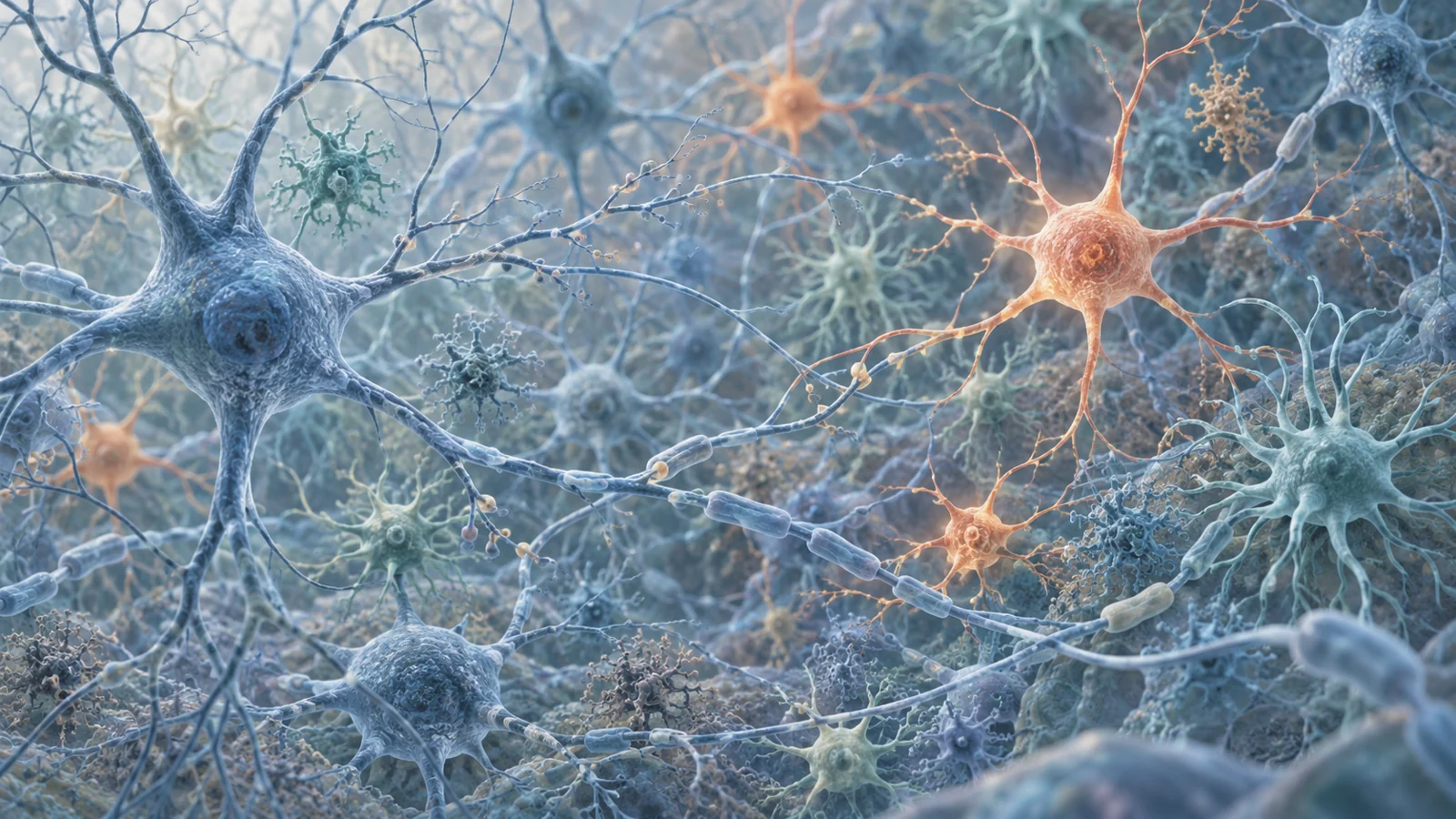
Senolysis and Seizure Outcomes
Early ResearchDiscovery ClusterCan senolytic drugs reduce seizure severity across distinct epilepsy settings, including when treatment begins after seizures develop?
Main bottleneck: The two reports address different epilepsy settings and treatment circumstances, leaving the durability, safety, and applicability of the benefits after seizure onset unresolved.
-

Gene delivery for creatine transporter deficiency
Early ResearchDiscovery ClusterCan gene delivery produce lasting functional improvements in creatine transporter deficiency beyond raising cellular creatine levels and partially correcting behavioural changes?
Main bottleneck: The bounded evidence does not establish that increased creatine in patient fibroblasts and the reported animal improvements translate into durable, comprehensive functional recovery.
-

Constraint-Aware Automated Satellite Tasking
Early ResearchDiscovery ClusterCan automated satellite tasking adapt to changing mission priorities while keeping schedules within spacecraft constraints and operational rules?
Main bottleneck: Current evidence does not establish whether constraint enforcement remains reliable as scheduling preferences change across heterogeneous satellites, or whether scheduling and ground-side policy checks work together.
-

Oncolytic viruses for lung cancer immunotherapy
Early ResearchDiscovery ClusterCan oncolytic viruses strengthen antitumor immunity enough to improve lung cancer treatment, including when combined with PD-L1 therapy?
Main bottleneck: Current evidence does not establish whether the reported immune activation and combination efficacy translate into reproducible benefit for people with lung cancer.
-

Self-Healing Electronic Materials
Early ResearchDiscovery ClusterCan self-healing conductors and polymer semiconductors restore electrical function after damage while remaining stretchable enough for wearable electronics?
Main bottleneck: The unresolved test is whether healing reliably restores electrical performance as well as mechanical integrity through repeated damage and stretching; Current evidence does not establish that durability.
-

Melatonin treatment in Alzheimer’s disease
Early ResearchDiscovery ClusterCan melatonin treatment provide lasting benefits for memory and daily functioning in people with Alzheimer’s disease?
Main bottleneck: Current evidence identifies reviews and trials, including a three-month study of cerebellar structure and blood biomarkers, but does not establish whether melatonin produces sustained clinical benefits.