
Research area
Health & Longevity
Human health, disease, treatment and aging. The largest corpus area supports distinct cancer, neurological and therapeutic navigation.
-
 Evidence date ·
How cell brakes and surroundings shape repair cells
Review or Meta-AnalysisA July 2024 review explains how mesenchymal stem cells enter lasting growth arrest, how their surroundings shape it, and which responses researchers are testing.
-
 Evidence date ·
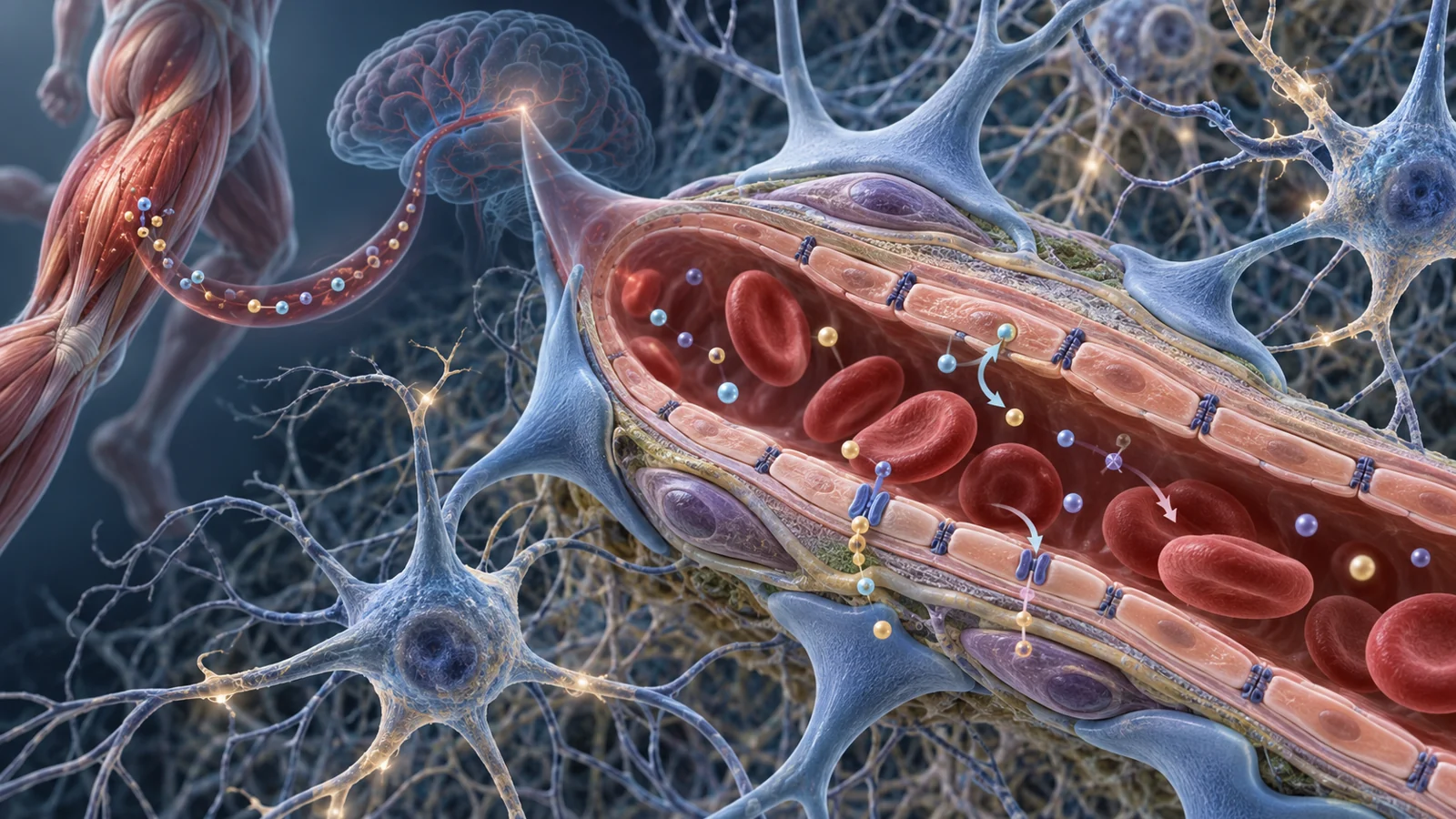
How exercise may support the blood vessels of an aging brain
Review or Meta-AnalysisA 2024 review explores how exercise may support brain blood flow and the blood–brain barrier, but does not establish lasting benefits for thinking and memory.
-
 Evidence date ·
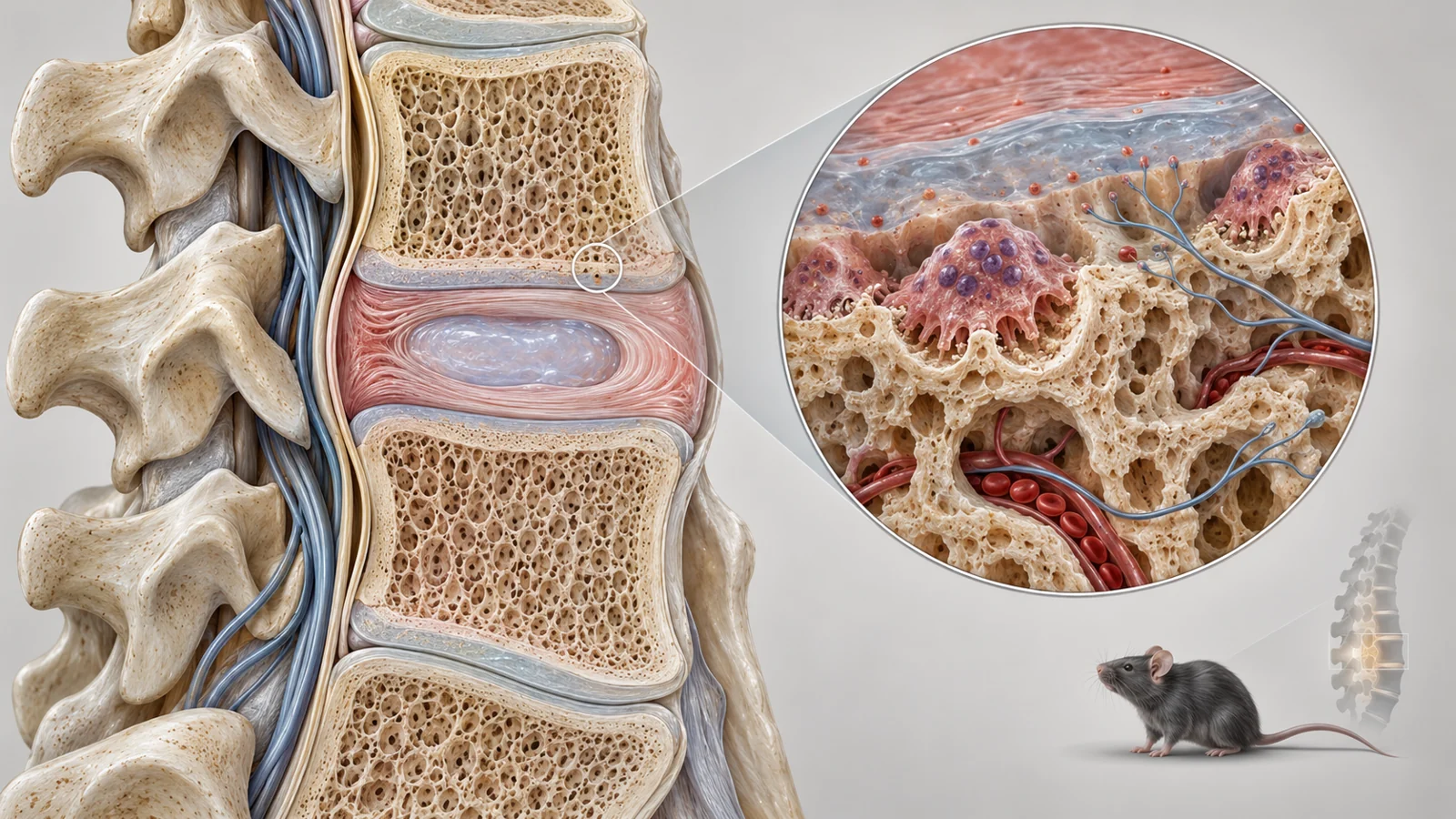
At the disc–bone boundary, altered cells may encourage painful nerve growth in mice
Peer-Reviewed PaperA 2024 mouse study links altered osteoclasts at the disc–bone boundary to nerve growth and pain-related behavior, while navitoclax raises safety questions.
-
 Evidence date ·
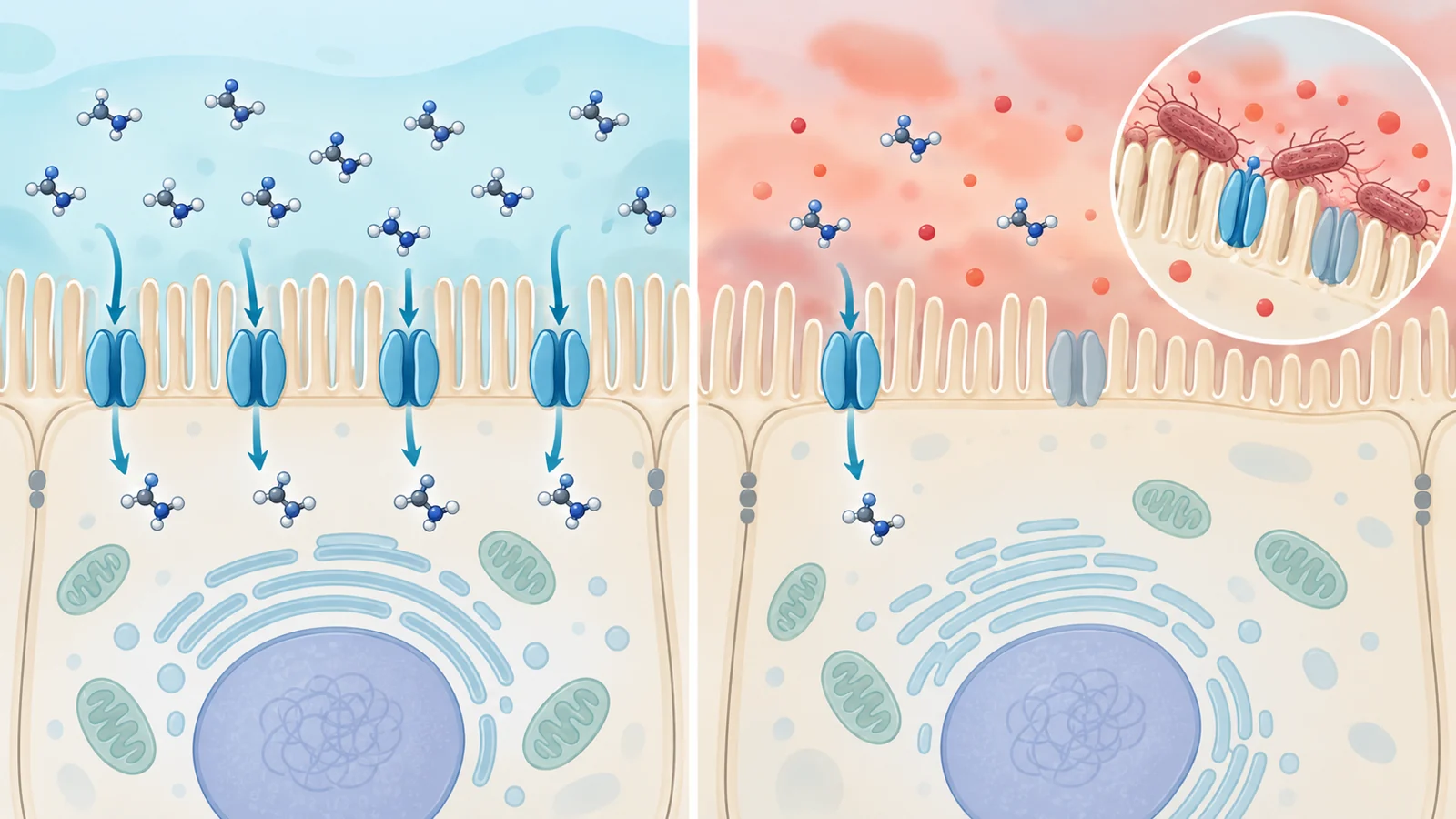
How inflammation and an invasive E. coli strain affect creatine entry in the gut lining
Peer-Reviewed PaperCell, mouse, and organoid experiments link inflammation and LF-82 infection to lower creatine transporter levels, while treatment benefits remain untested.
-
 Evidence date ·
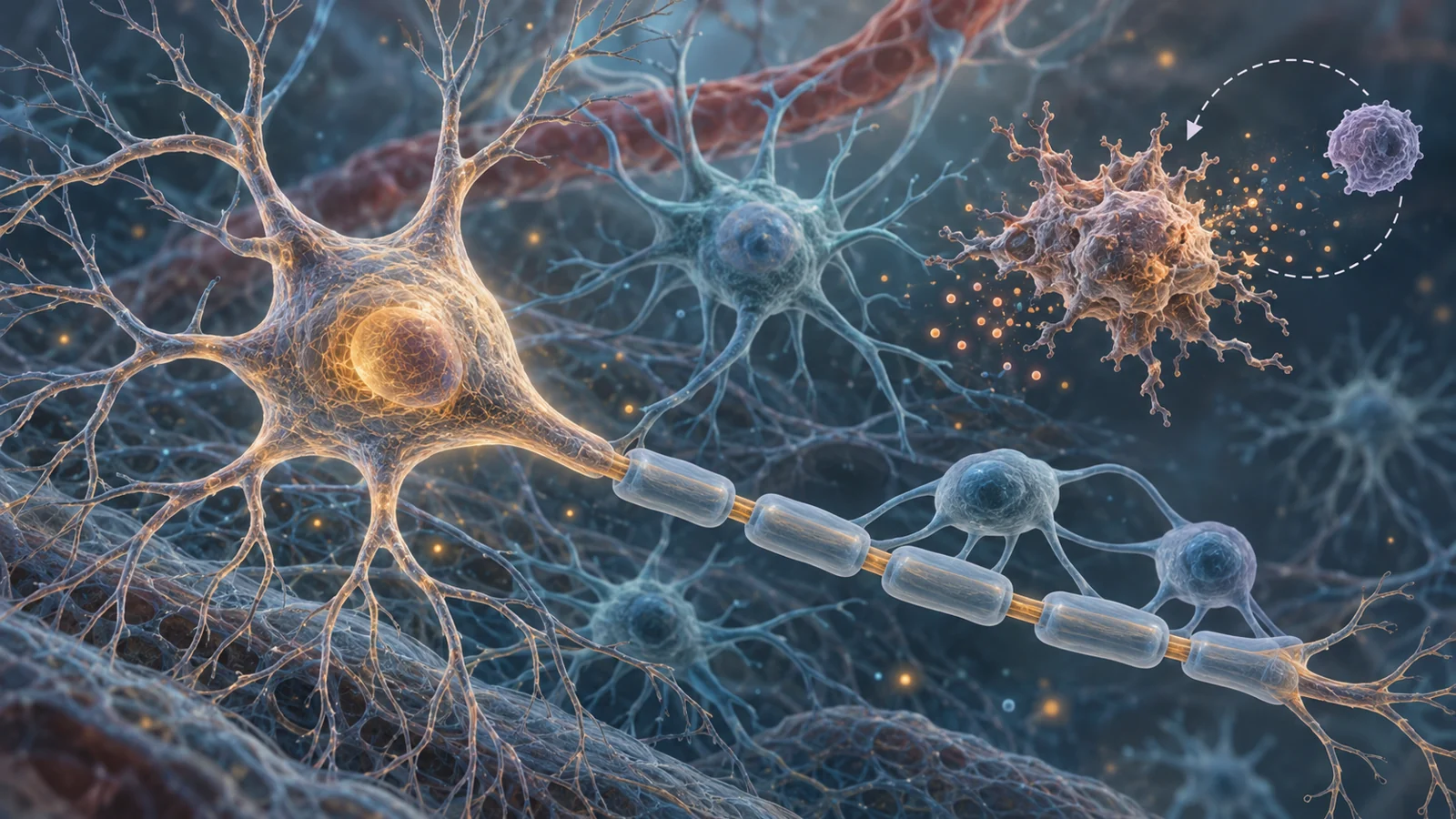
How aging-related cell changes may shape movement loss in ALS
Review or Meta-AnalysisA May 2024 review links ALS, a motor neuron disease, with biological aging and inflammation, and explains why senolytics remain unproven as an ALS therapy.
-
 Evidence date ·
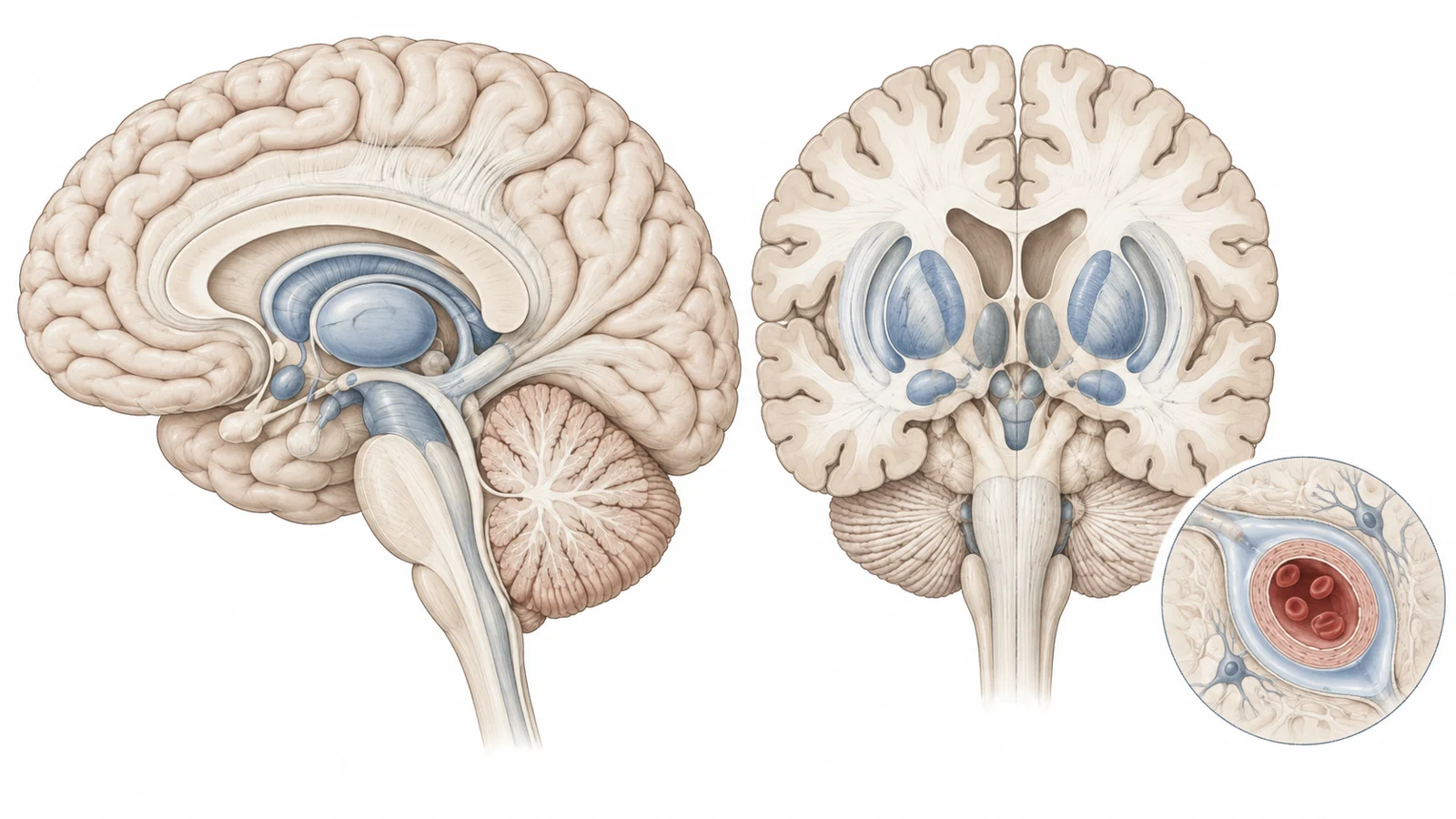
Why the location of spaces around brain vessels may matter in fragile X premutation carriers
Peer-Reviewed PaperA study of 655 scans linked basal-ganglia spaces around brain vessels with walking and thinking measures, but individual prediction remains untested.
-
 Evidence date ·
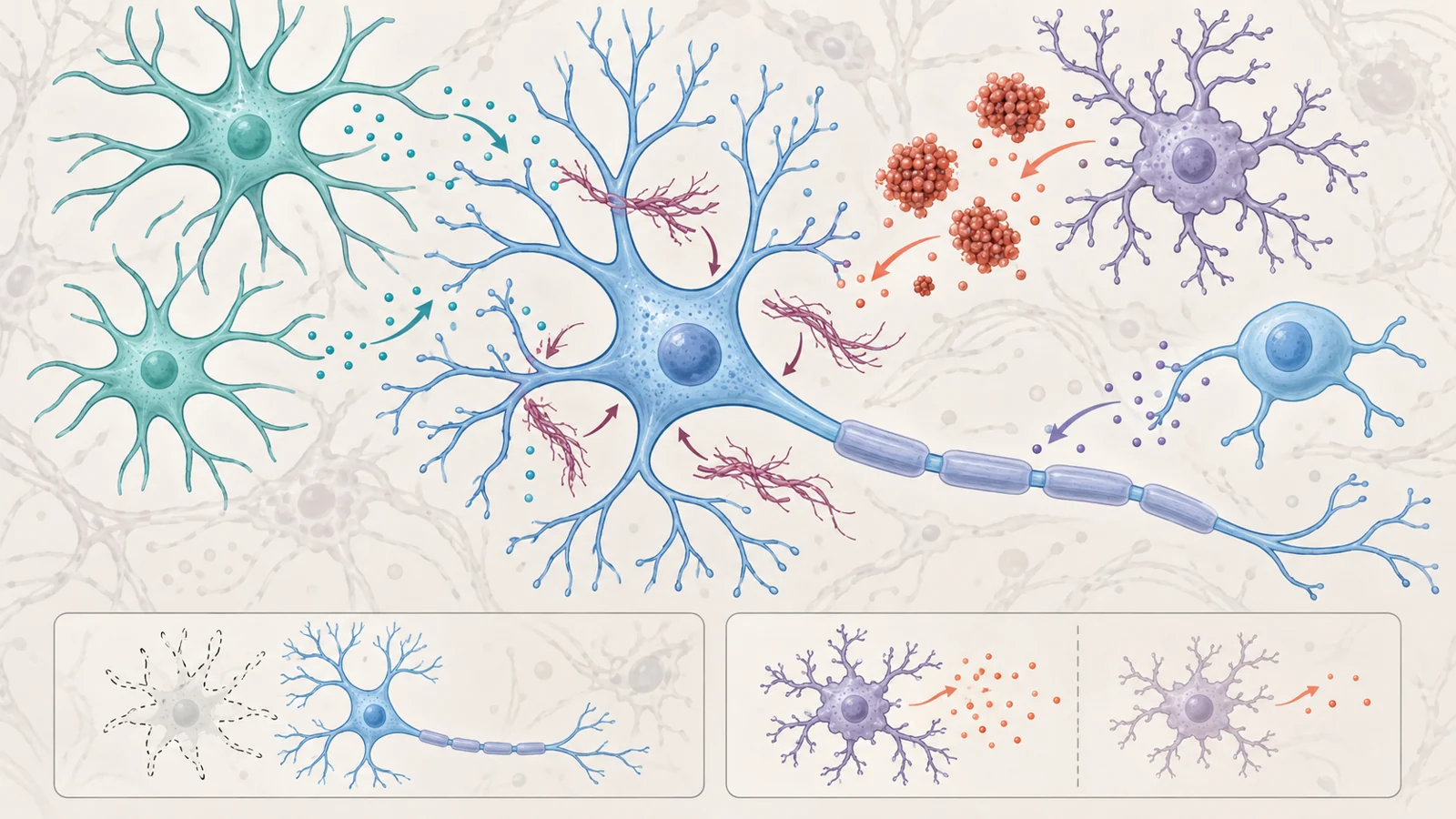
Why stressed brain-support cells are being studied in Alzheimer’s
Review or Meta-AnalysisA 2024 review compares removing senescent brain cells with quieting their harmful signals, and explains why neither yet proves patient benefit.
-
 Evidence date ·
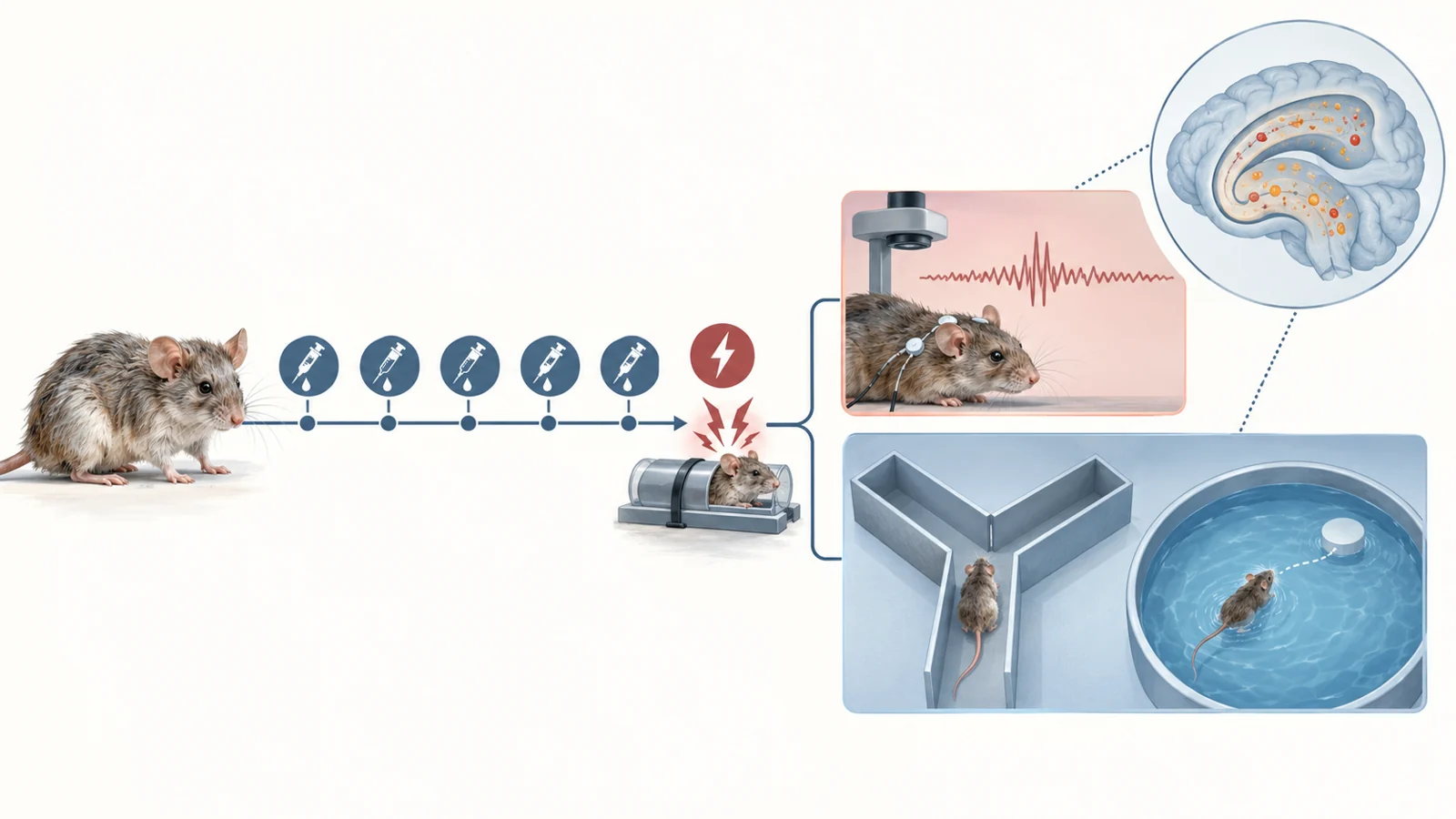
Can clearing senescent cells change how an aging mouse brain handles seizures?
Peer-Reviewed PaperTracked over timeAged mice got months of dasatinib and quercetin before induced status epilepticus, with better survival but no later memory advantage; recurrent seizures were not evaluated.
-
 Evidence date ·
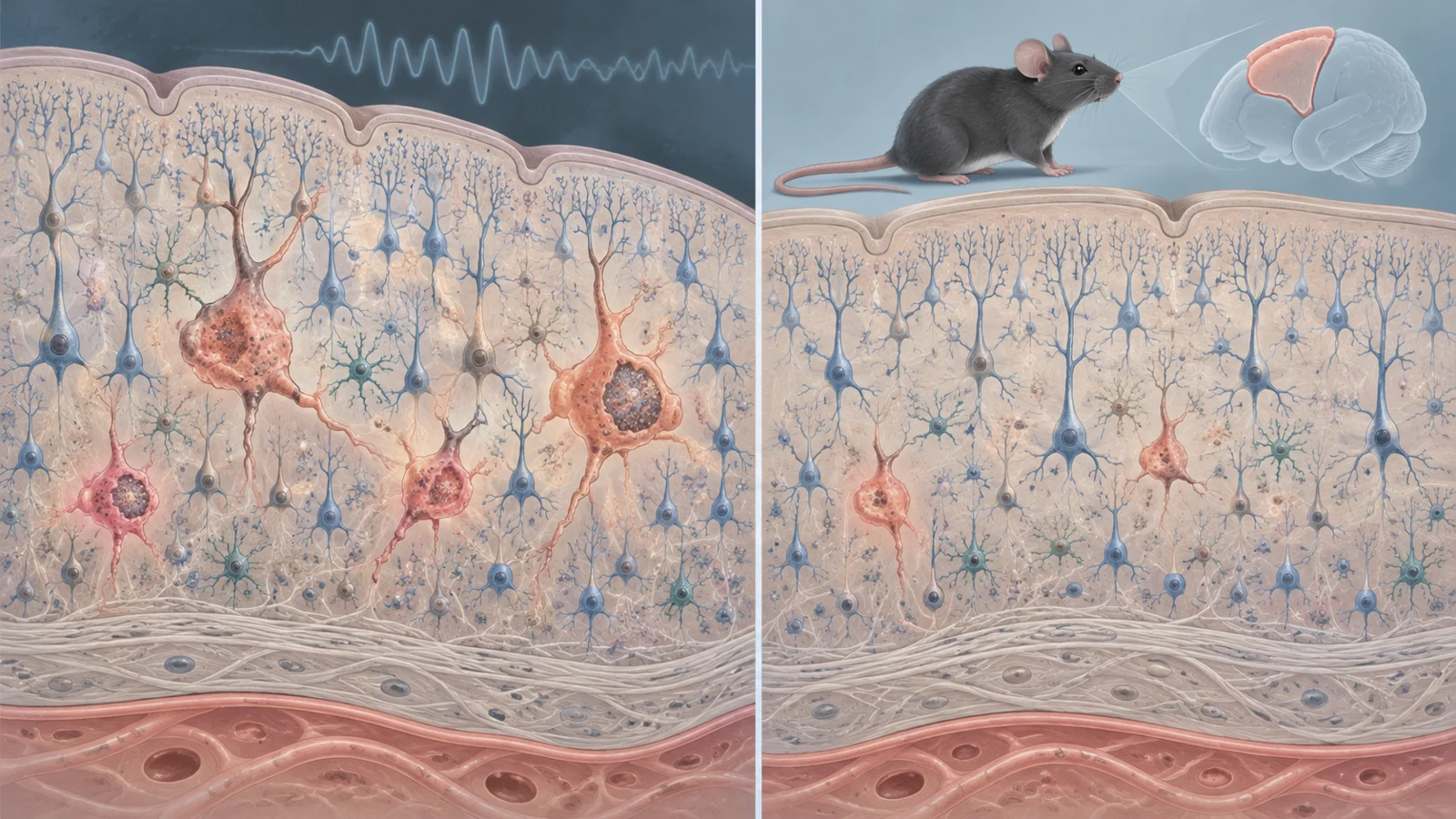
Could targeting abnormal brain cells reduce seizures in mice?
Peer-Reviewed PaperTracked over timeHuman surgical tissue pointed to senescent cells as a target; a mouse study then tested dasatinib and quercetin, with seizures falling after treatment.
-
 Evidence date ·
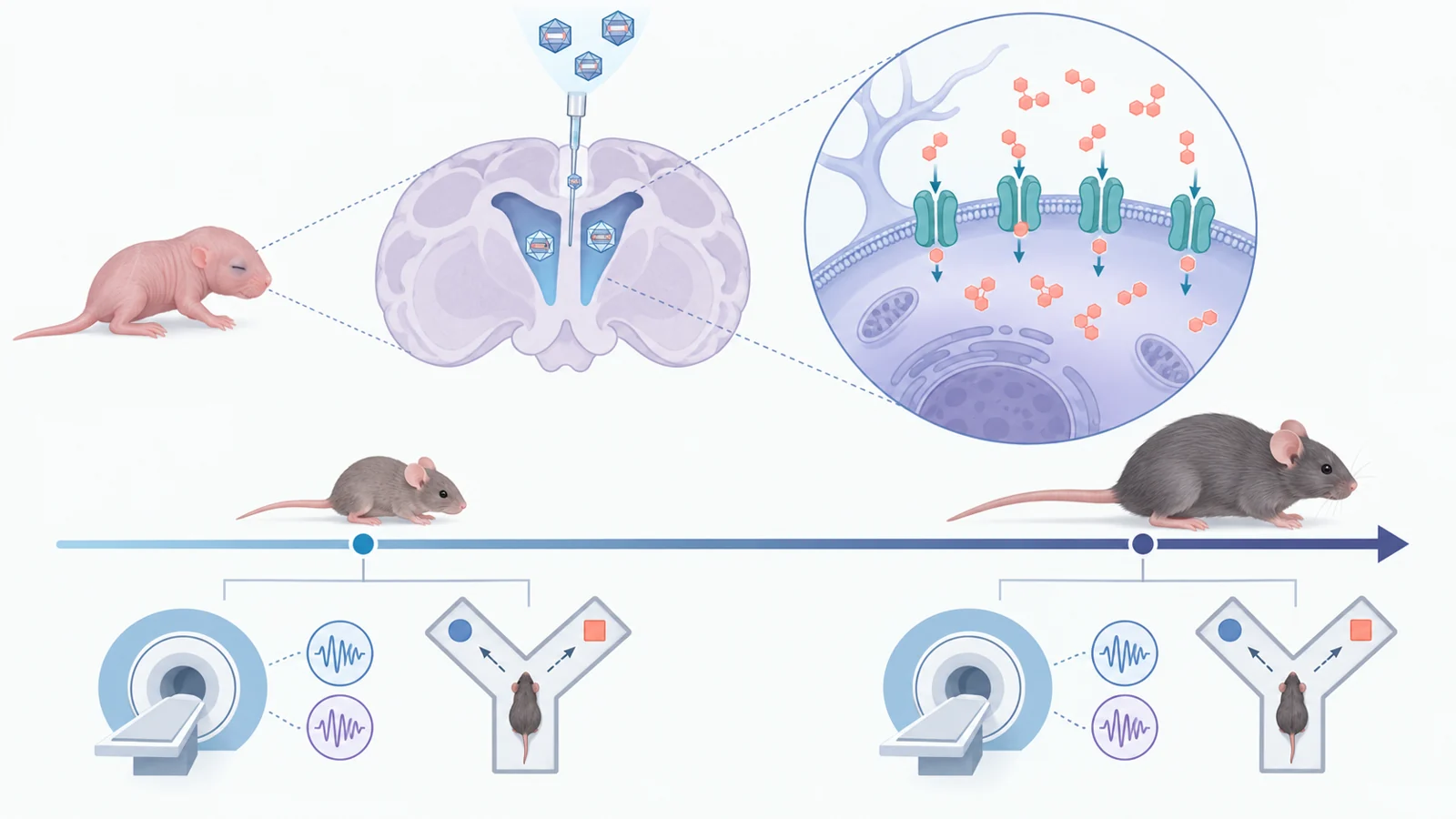
What early replacement of the missing creatine transporter changed in mouse brain function
Peer-Reviewed PaperTracked over timeNewborn gene delivery changed brain scans and object recognition in mice with creatine transporter deficiency, but healthy controls did worse on a working-memory test.