
Research area
Health & Longevity
Human health, disease, treatment and aging. The largest corpus area supports distinct cancer, neurological and therapeutic navigation.
-
 Evidence date ·
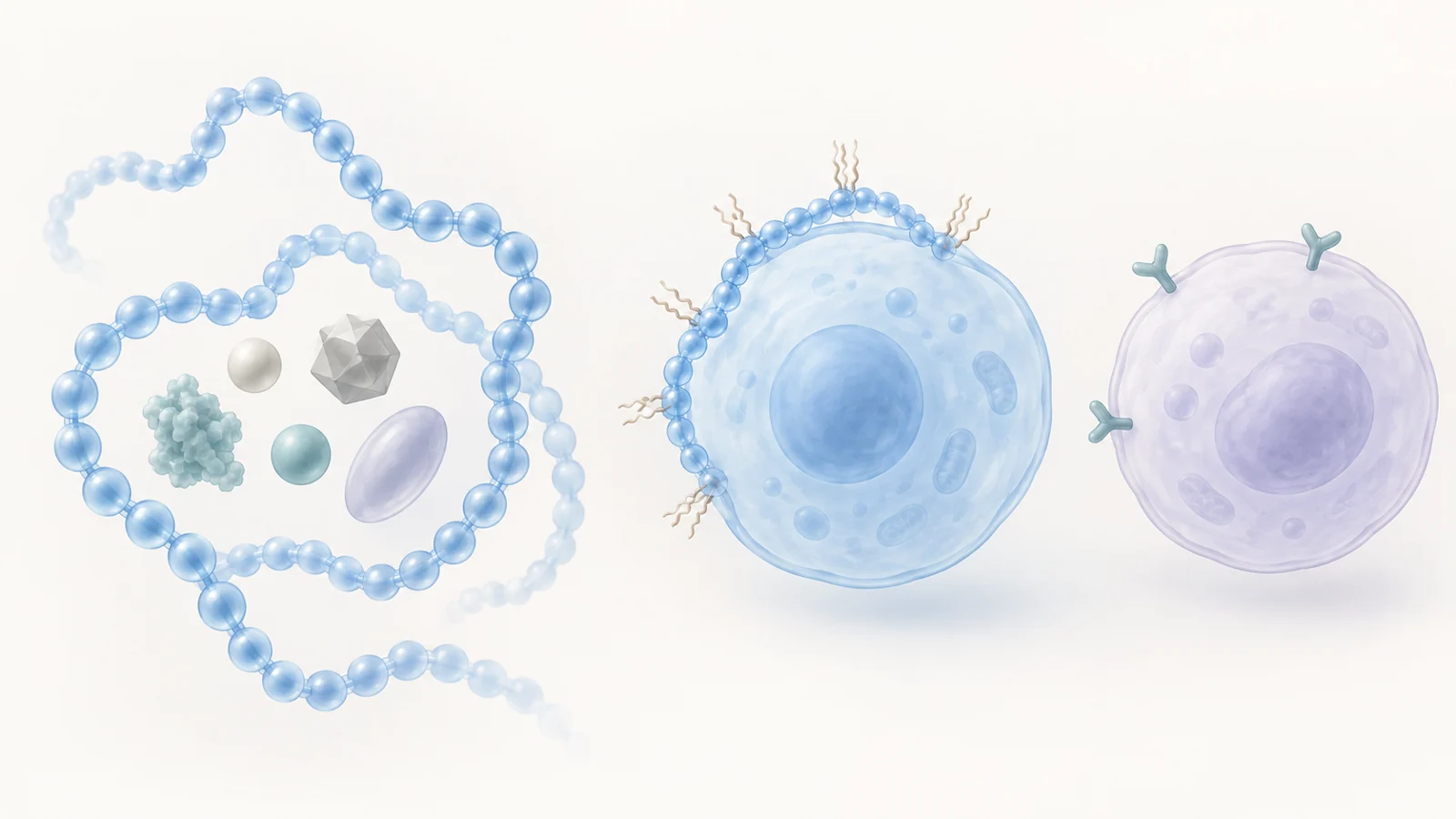
How hyaluronic acid could carry treatment and change how cells meet
Review or Meta-AnalysisA September 2025 review describes hyaluronic acid carriers and CD44-linked cell-surface engineering. Its abstract does not establish patient benefit.
-
 Evidence date ·
People with joint symptoms showed some immune ageing patterns seen in rheumatoid arthritis
Peer-Reviewed PaperBlood tests found immune-ageing signs in people with joint pain but no rheumatoid arthritis diagnosis. Only nine later developed RA, leaving prediction uncertain.
-
 Evidence date ·
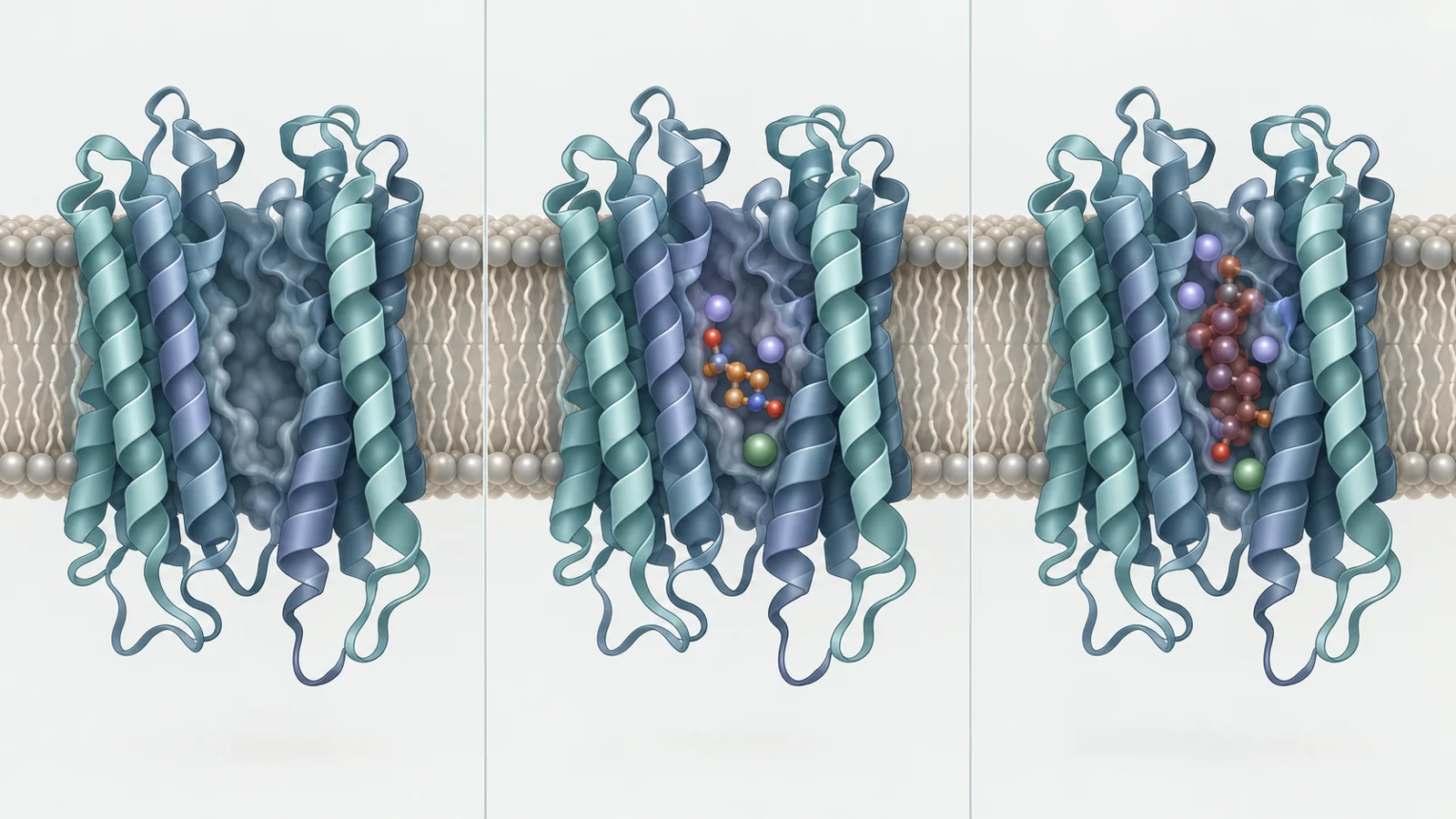
A mapped pocket shows where creatine and a blocker compete
Peer-Reviewed PaperResearchers mapped how creatine and RGX202 bind in the human transporter and tested pocket residues. The results clarify competition but do not establish clinical benefit.
-
 Evidence date ·
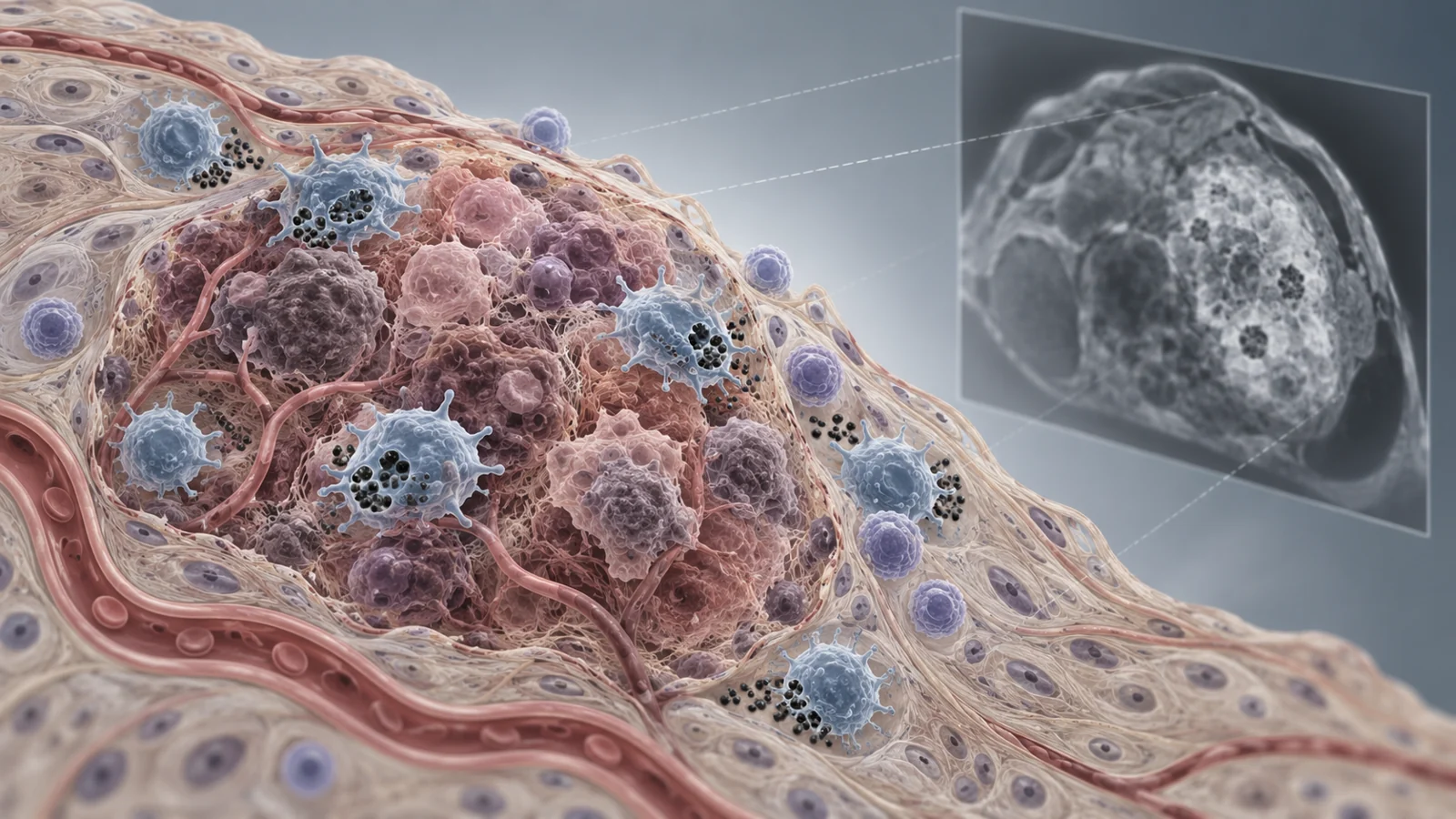
Can magnetic iron particles reshape tumors and show where immune cells go?
Review or Meta-AnalysisThe review surveys iron oxide particles designed to change tumor immune activity, carry treatments, and track immune cells. Treatment evidence remains preclinical.
-
 Evidence date ·
Why can aging immunity weaken while inflammation persists?
Review or Meta-AnalysisA 2025 review links weaker immune defenses with persistent inflammation. One trial raised antiviral gene expression without clearly reducing respiratory illness.
-
 Evidence date ·
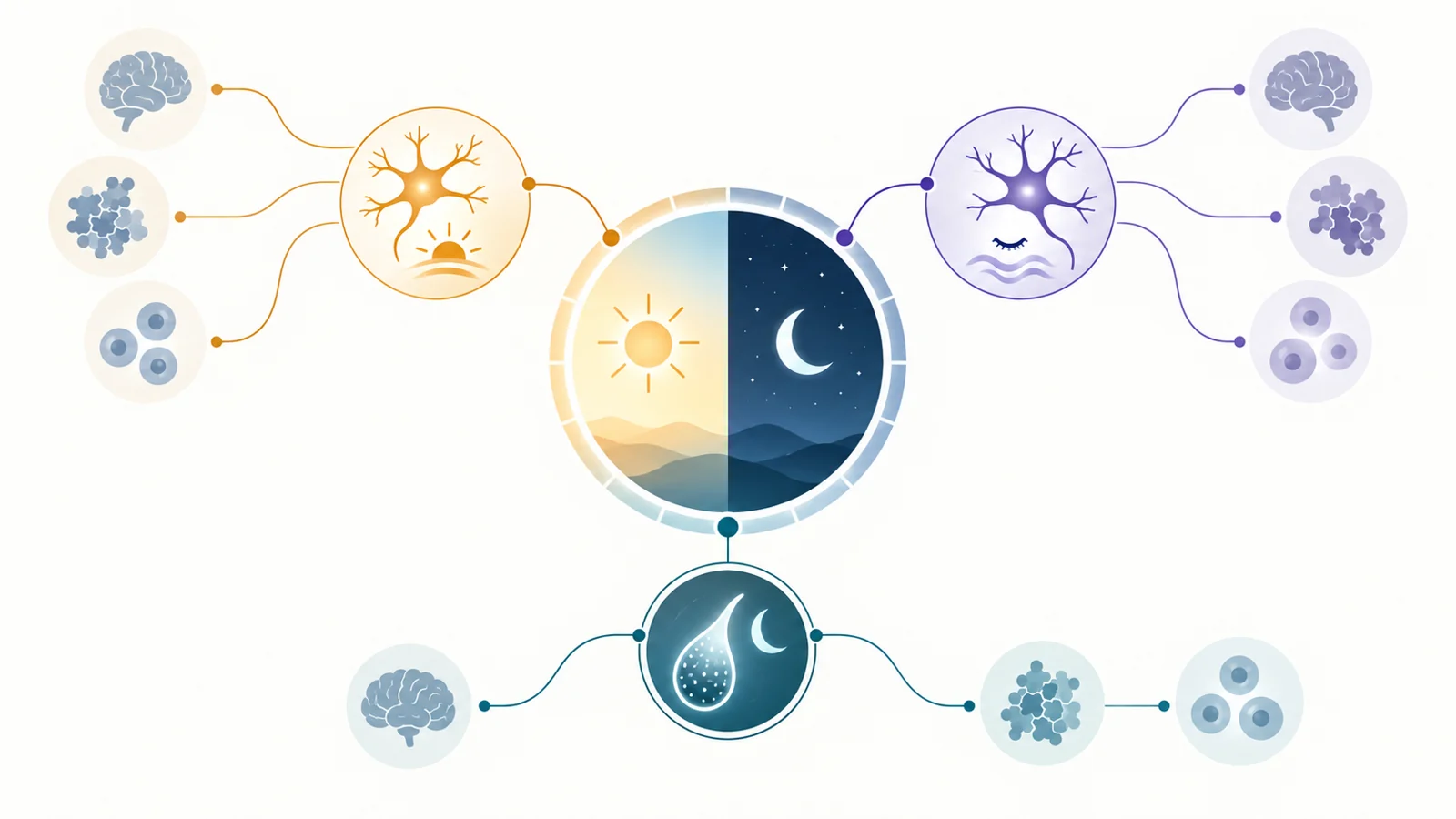
What early sleep changes may reveal about Alzheimer’s and Parkinson’s
Review or Meta-AnalysisA review connects sleep timing and brain circuits with Alzheimer’s, Parkinson’s and other diseases. Early changes may matter, but clinical uses remain unproven.
-
 Evidence date ·
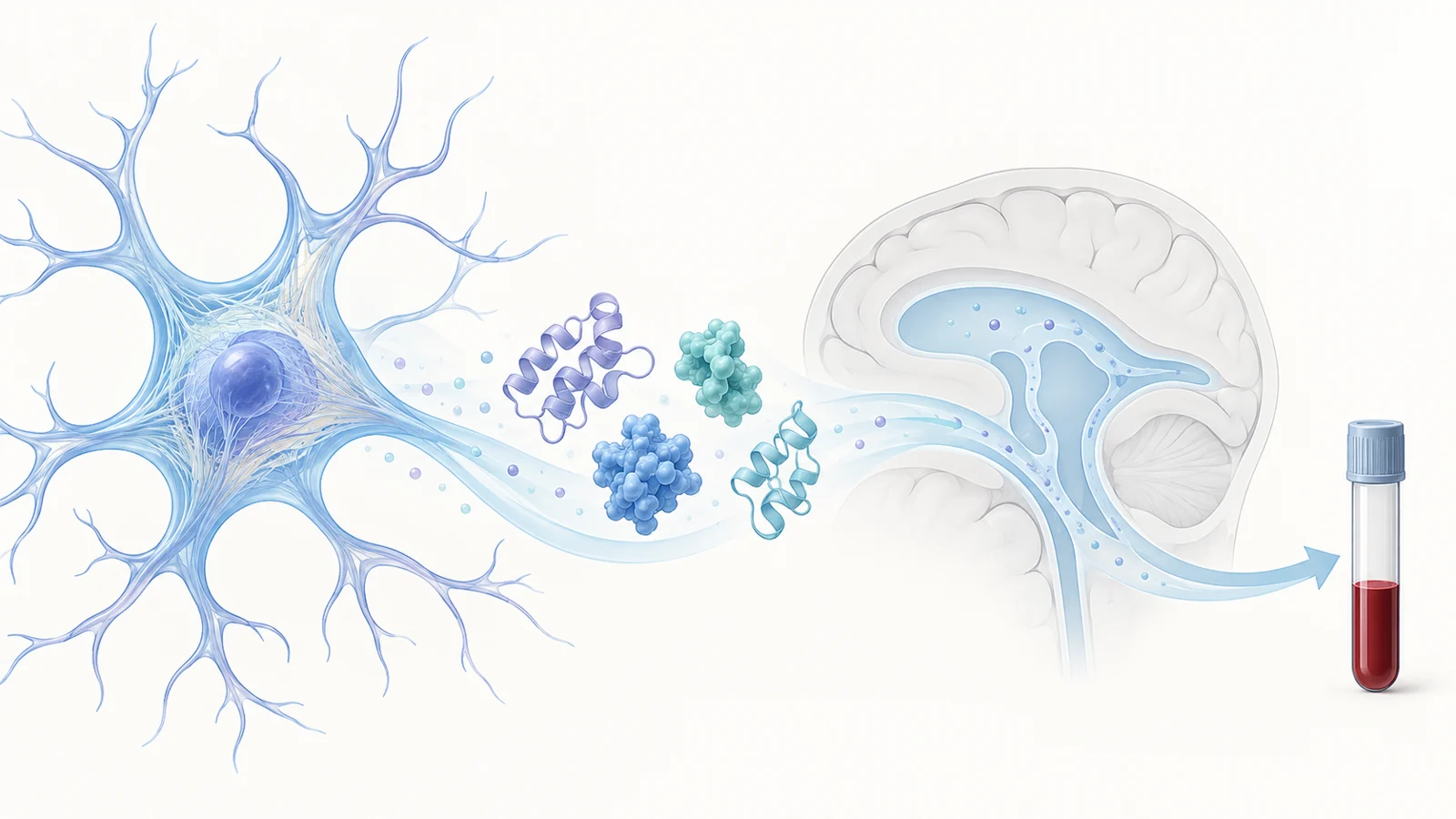
What can a GFAP blood result reveal about brain changes?
Review or Meta-AnalysisA 2025 review examines how GFAP, a protein in brain support cells, reaches blood, why tests may miss some forms, and what head injury and Alzheimer’s studies show.
-
 Evidence date ·
Why did a treatment help frail male mice live longer, but not females?
Peer-Reviewed PaperOxytocin plus an ALK5 inhibitor extended survival and improved function in old male mice. Females showed early protein changes but no healthspan gain.
-
 Evidence date ·
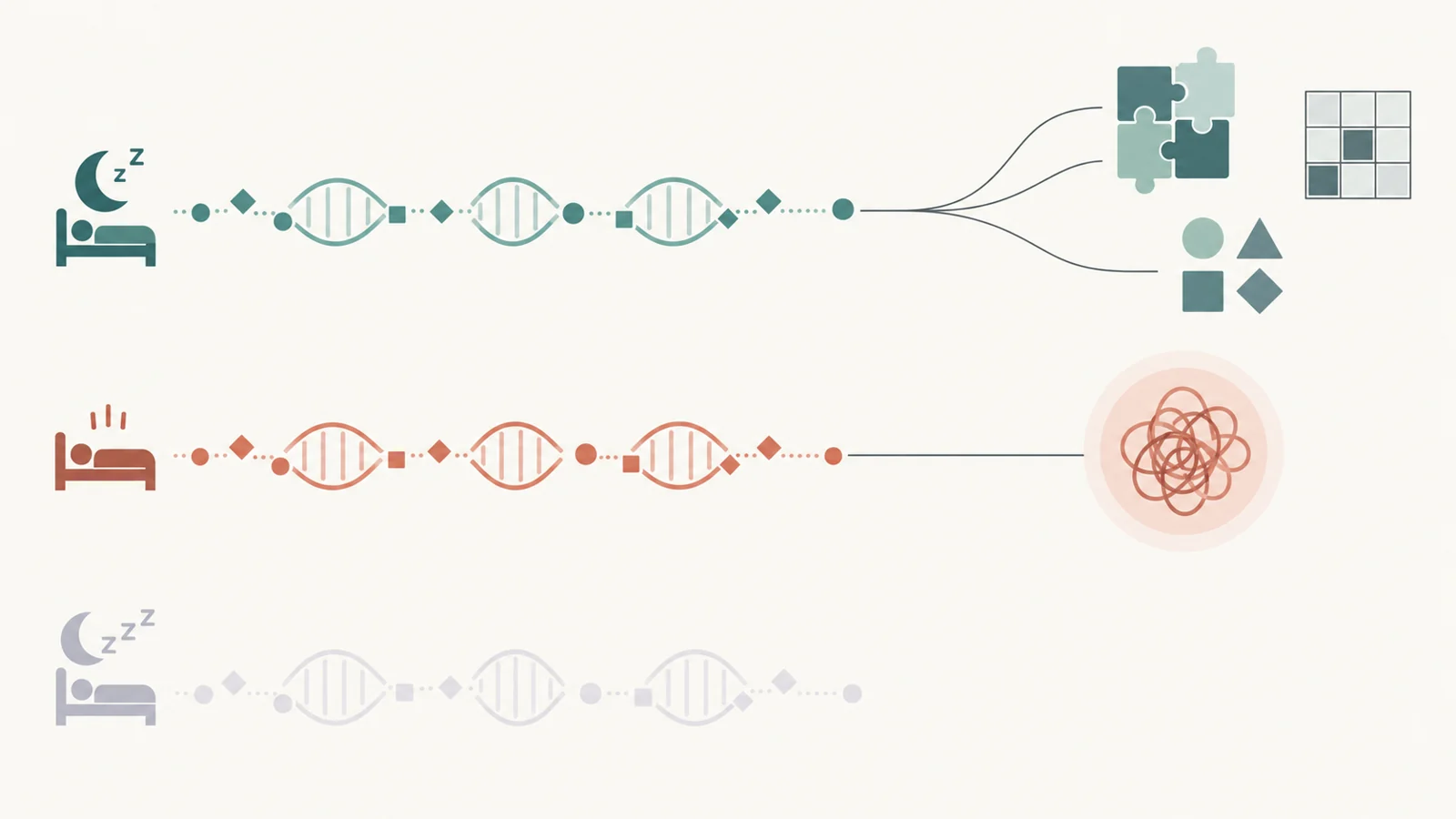
What do short sleep and insomnia findings say about brain health?
Peer-Reviewed PaperGenetic proxies linked short sleep to lower cognitive-test scores and insomnia to higher Alzheimer’s risk. Neither passed the study’s stricter statistical threshold.
-
 Evidence date ·
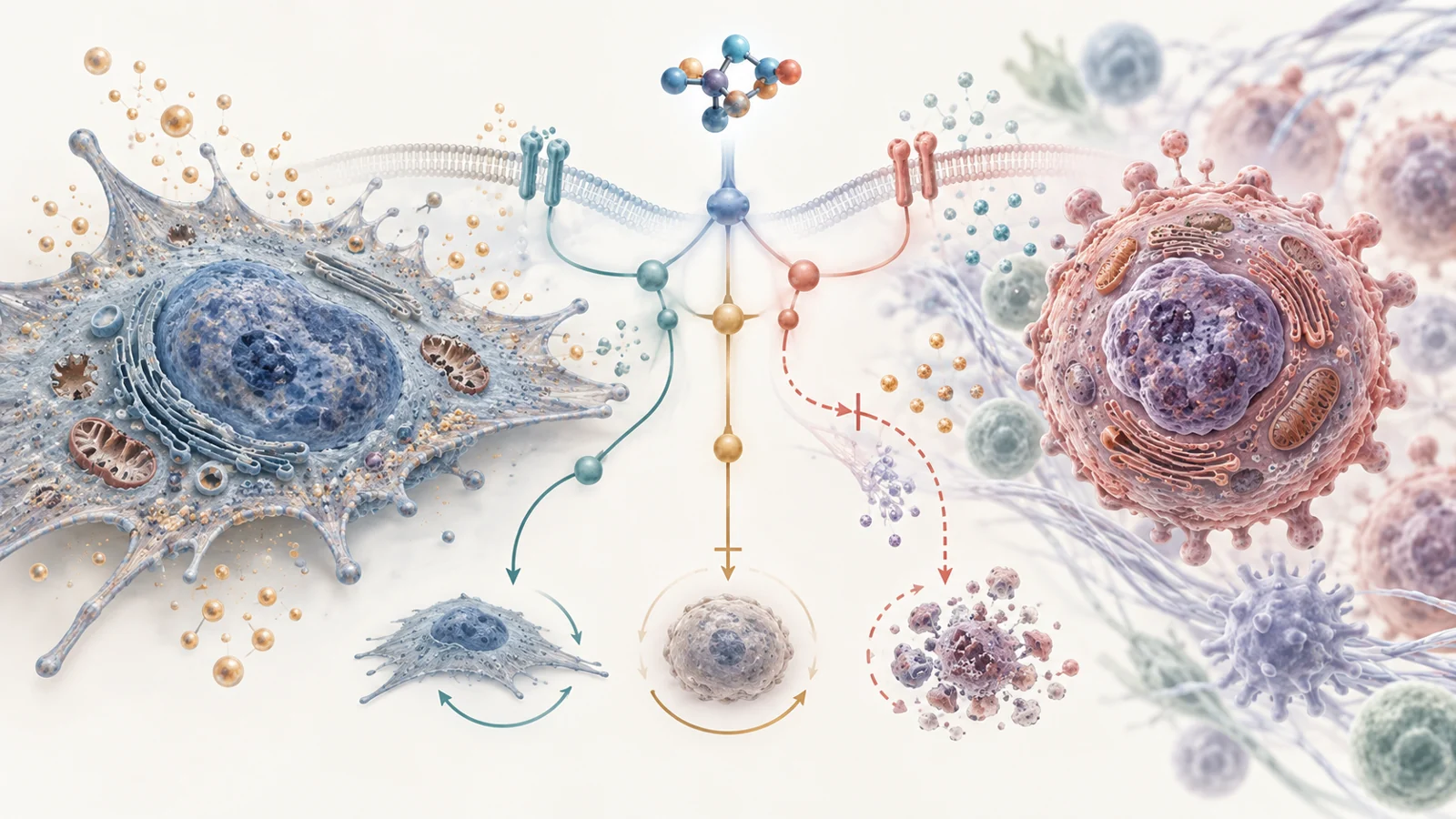
Why cancer drugs are being studied in cells that have stopped dividing
Review or Meta-AnalysisA 2025 review connects cancer drugs with senescent-cell survival pathways. Lab and animal examples, plus trial listings, do not establish patient benefit.