
Editorial team
ioQuanta Research Desk
-
 Evidence date ·
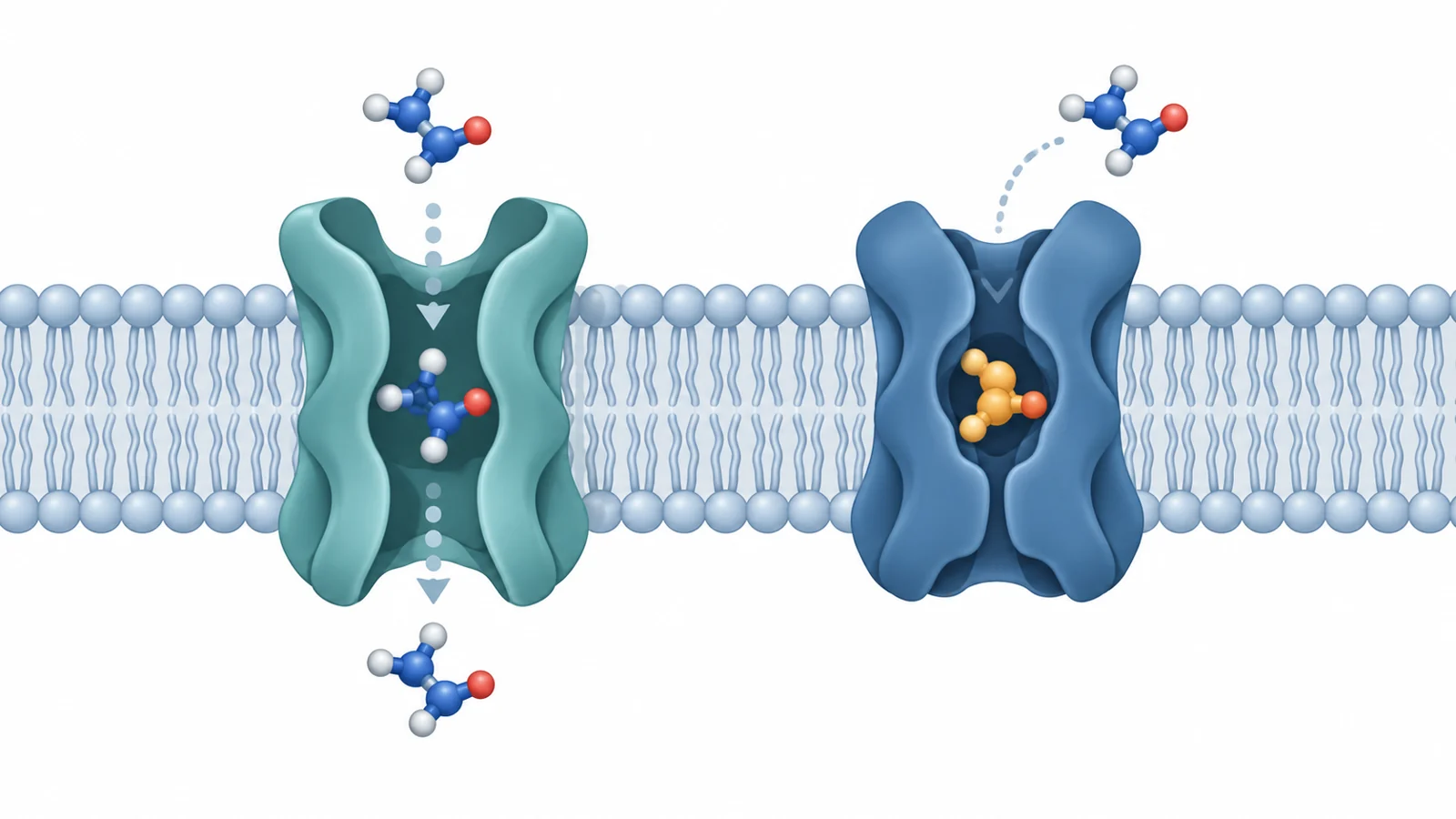
Why less creatine uptake did not always mean the transporter was blocked
Peer-Reviewed PaperModels helped select 16 compounds for lab tests. Some appeared to pass through the creatine transporter; two reduced uptake without detectable transport currents.
-
 Evidence date ·
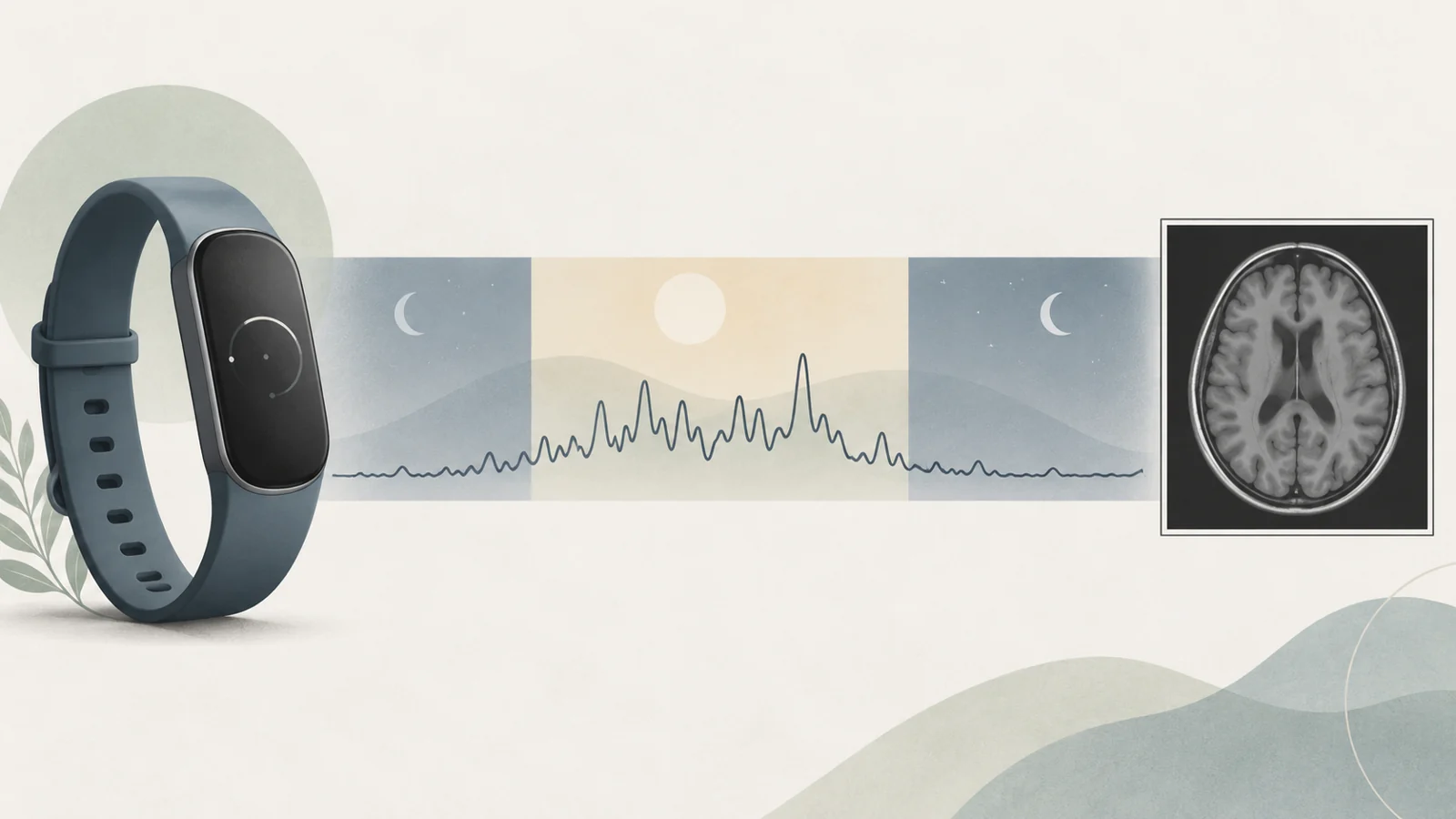
What a week of wrist tracking reveals about daily rhythms in people who act out dreams
Peer-Reviewed PaperA week of wrist tracking linked daily rhythms to symptoms and brain imaging measures in people who act out dreams. It did not test whether the rhythms predict disease.
-
 Evidence date ·
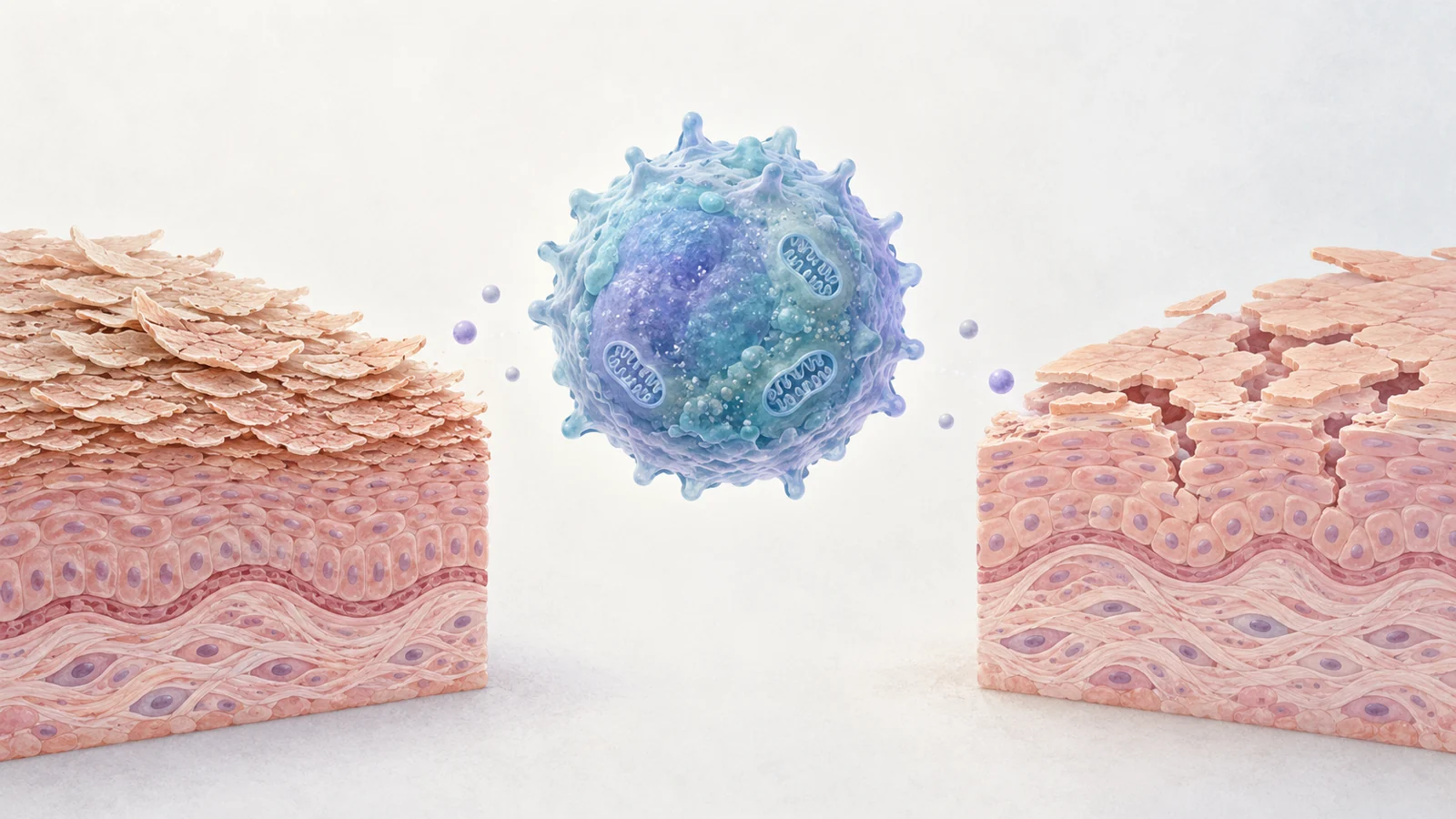
How aging immune cells may help keep skin inflammation active
Review or Meta-AnalysisA review explores how aging T cells may contribute to psoriasis plaques and the weakened skin barrier in eczema. Targeting those cells directly remains preclinical.
-
 Evidence date ·
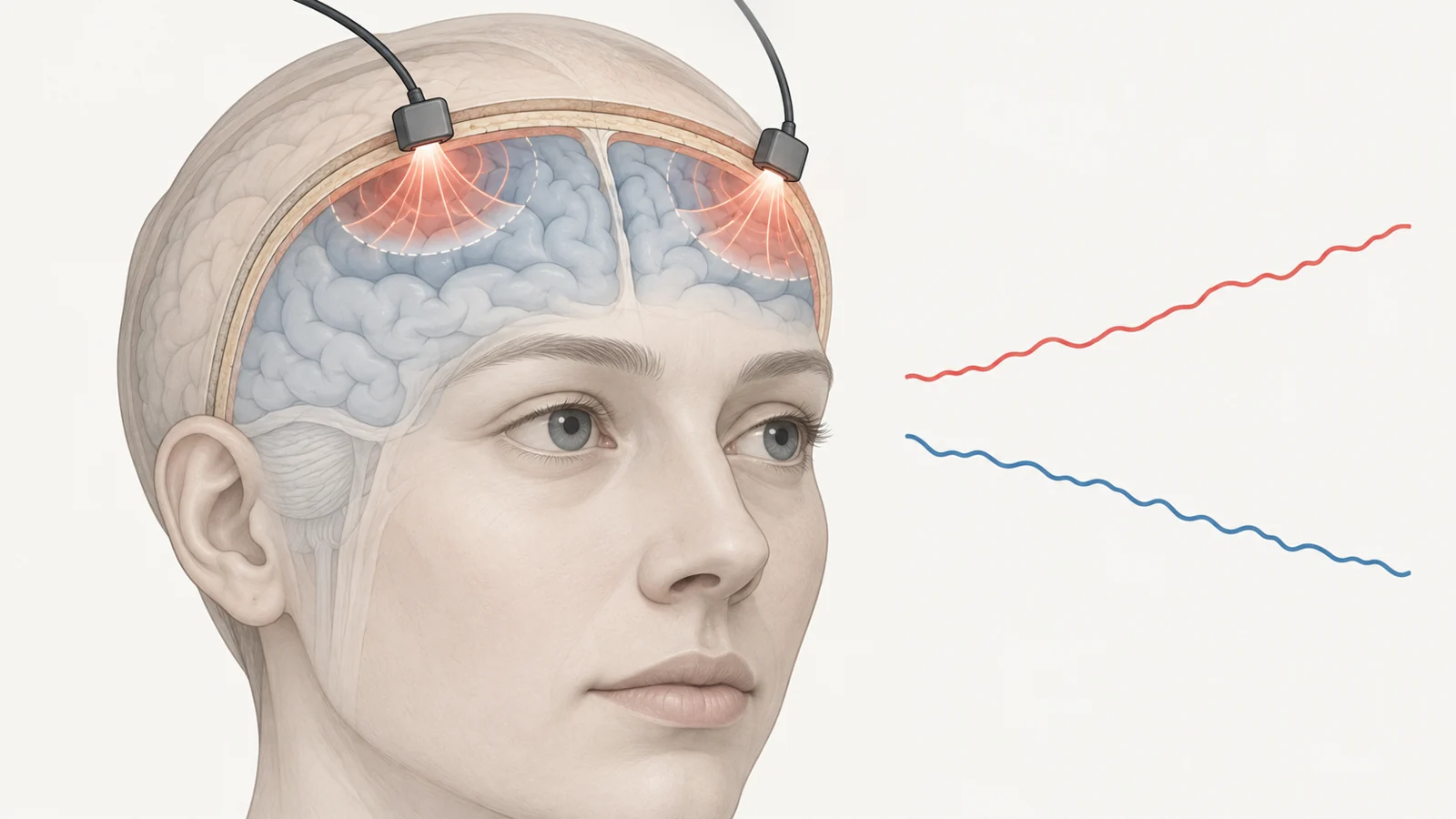
What a brief forehead recording found about blood and brain fluid in aging and Alzheimer’s
Peer-Reviewed PaperForehead recordings found a stronger inverse relationship between blood-volume and inferred brain-fluid signals in Alzheimer’s than in healthy older adults.
-
 Evidence date ·
What LHS 3844 b’s heat can tell us about its rocky surface
PreprintJWST’s infrared measurements favor models of a dark, low-silica surface on LHS 3844 b. They cannot yet distinguish an old weathered surface from a fresh slab.
-
 Evidence date ·
How gut microbes may shape plant compounds’ effects on cellular energy
Review or Meta-AnalysisThe review links polyphenols and gut-derived metabolites to mitochondrial upkeep. Human studies have yet to show that this preserves function with age.
-
 Evidence date ·
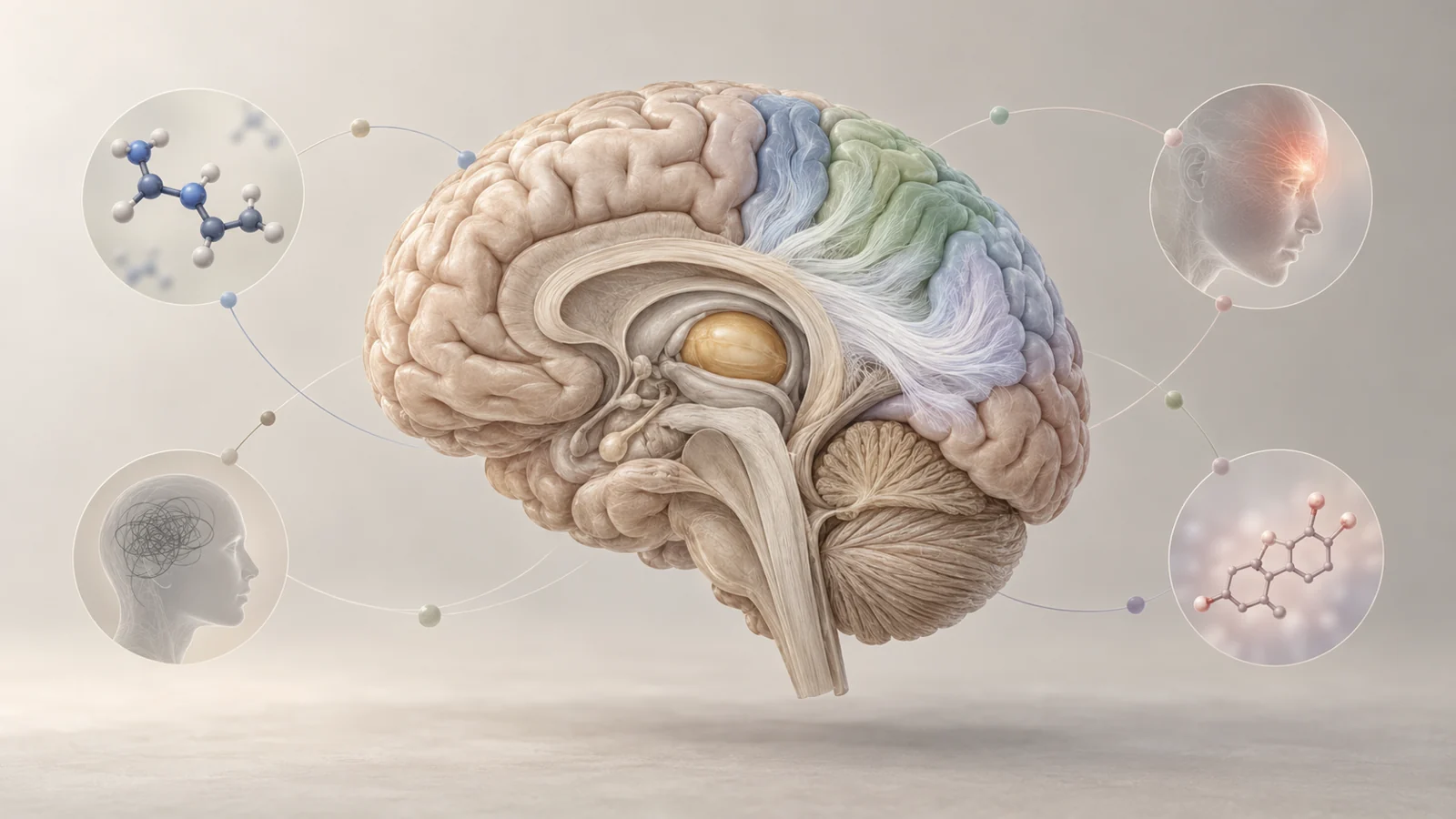
What a small study found about brain creatine and concentration in perimenopause
Peer-Reviewed PaperA study of 12 perimenopausal women linked creatine in three brain regions to concentration difficulty. Its single snapshot cannot show cause or treatment benefit.
-
 Evidence date ·
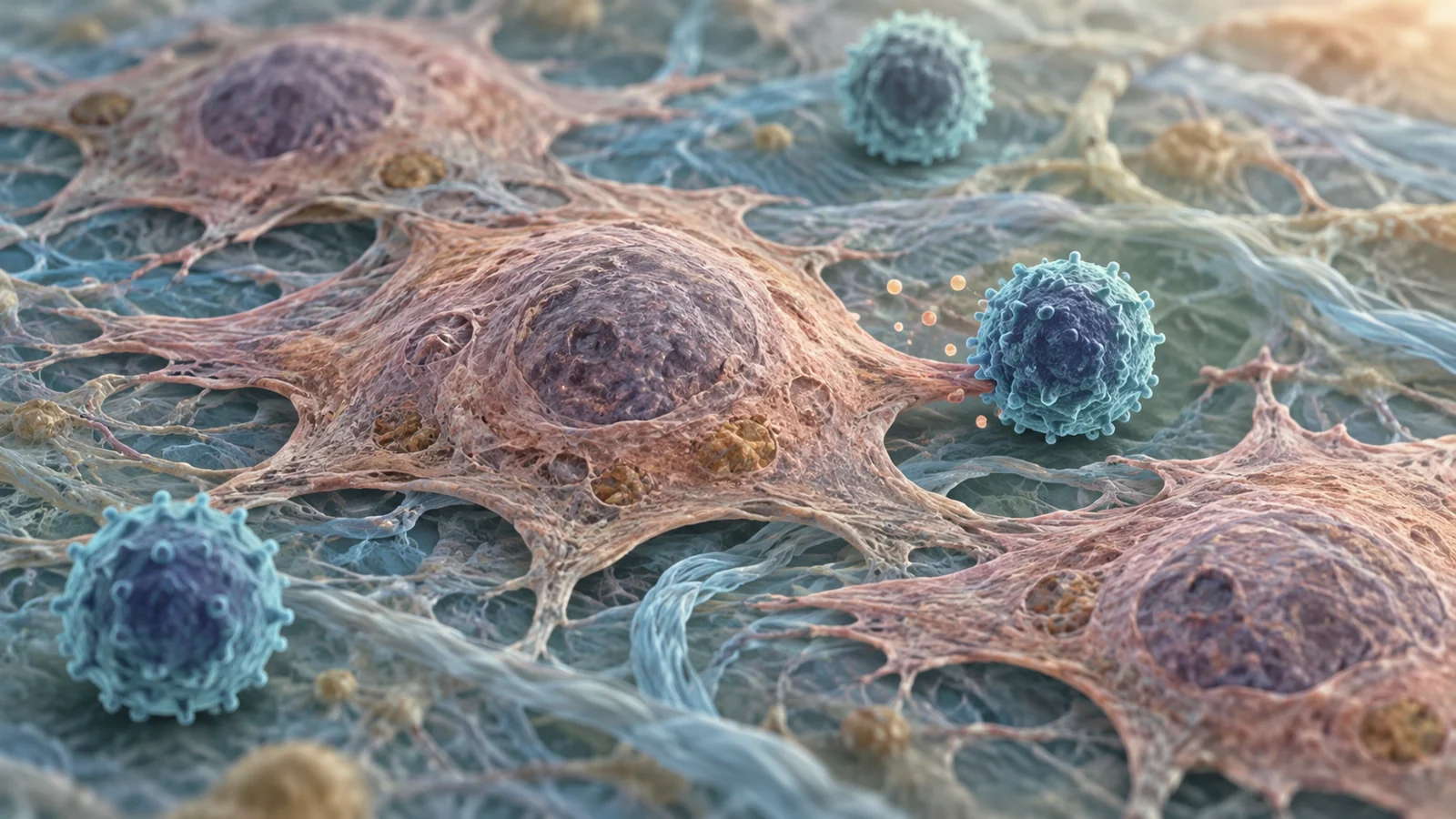
How aging T cells may shape the health of organs
Review or Meta-AnalysisA 2026 review links aging T cells to inflammation and reduced clearance of senescent cells. Whether targeting T cells slows organ aging in people is unknown.
-
 Evidence date ·
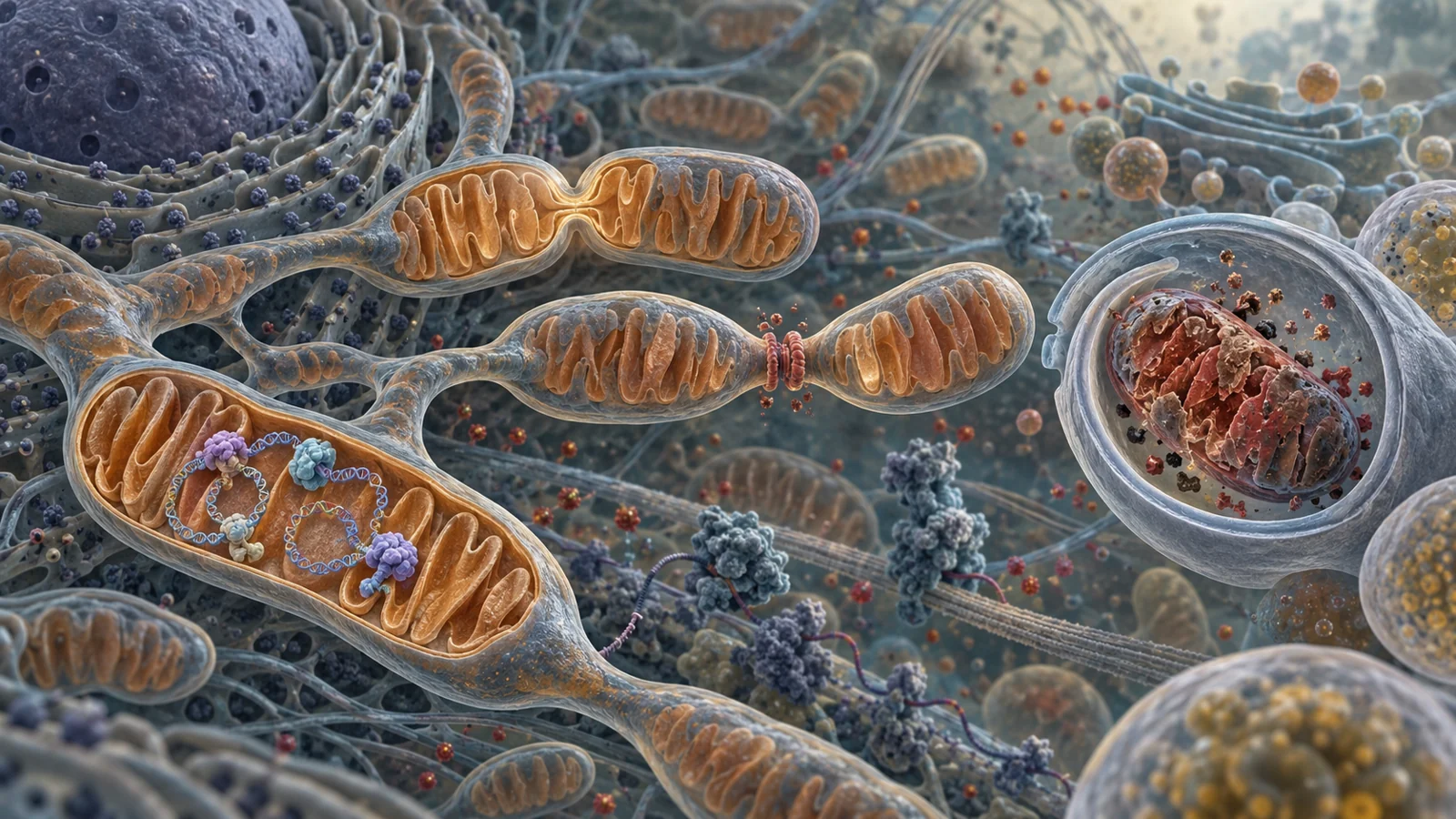
How aging cells lose the ability to maintain their mitochondria
Review or Meta-AnalysisA review examines how mitochondrial DNA changes, network shape and removal of damaged mitochondria interact as cells age. Human treatment results remain mixed.
-
 Evidence date ·
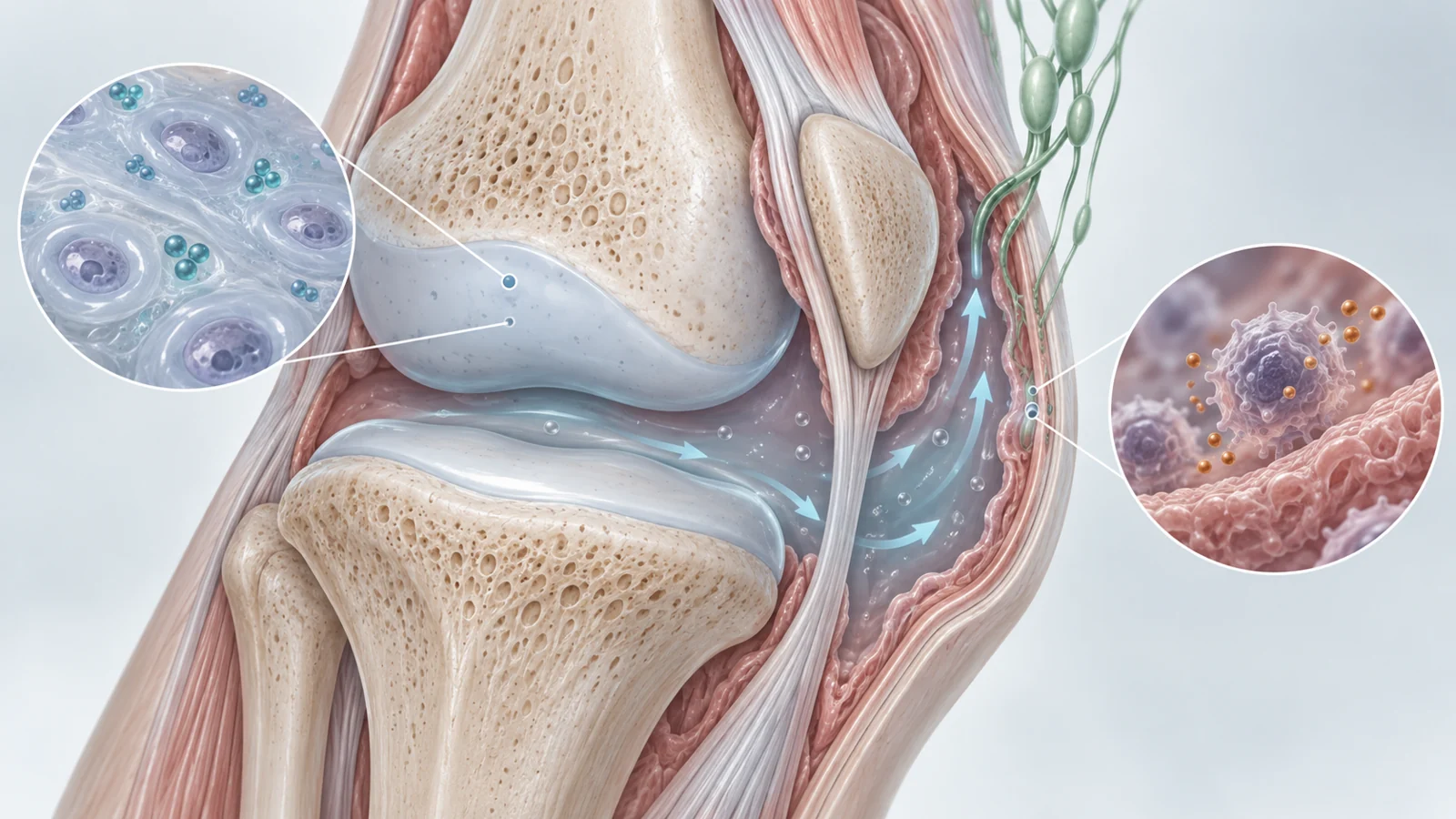
Could tiny particles protect a joint affected by osteoarthritis?
Review or Meta-AnalysisAn April 2026 review examines particles designed to penetrate cartilage or respond to oxidative stress. Its highlighted results come from animal and tissue studies.