
Research area
Brain Health & Neurology
Brain function, neurological disease, dementia and neurological treatment and care.
-
 Evidence date ·
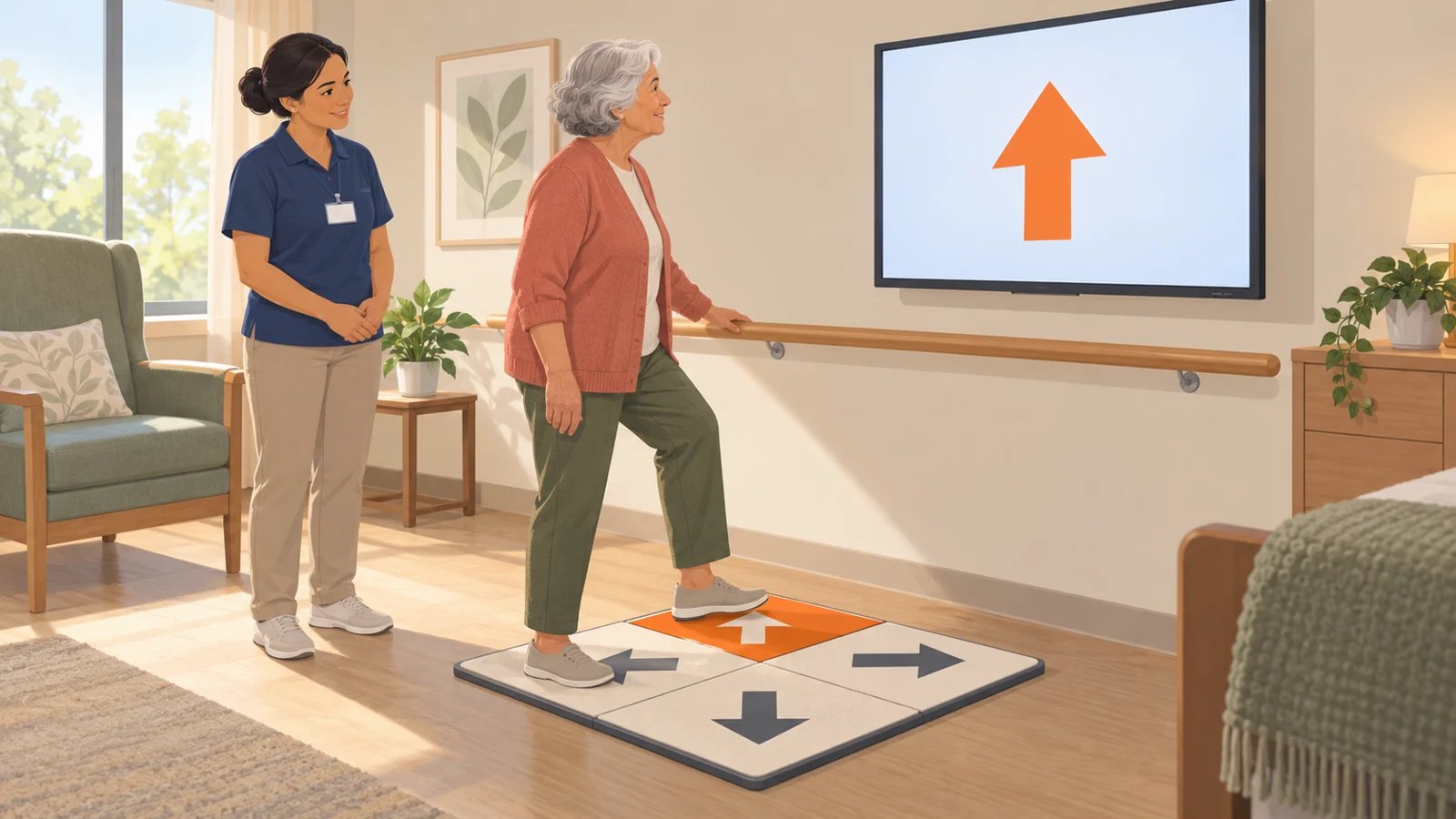
What a short dance-game routine is testing in dementia care
Clinical TrialA registered pilot human trial tests 12 weeks of dance-based exercise gaming against usual care in dementia care homes; no results are posted in the supplied record.
-
 Evidence date ·
Four groups test the case for combining thinking and movement
Clinical TrialA registry study plan compares four groups over 12 weeks. Cognitive measures are primary outcomes; sleep is among the secondary outcomes.
-
 Evidence date ·
What researchers hope to learn from a daily tea routine in dementia
Clinical TrialA registered Jing Si Herbal Tea study plans to assess sleep and quality of life in people with dementia and caregivers. No results are posted.
-
 Evidence date ·
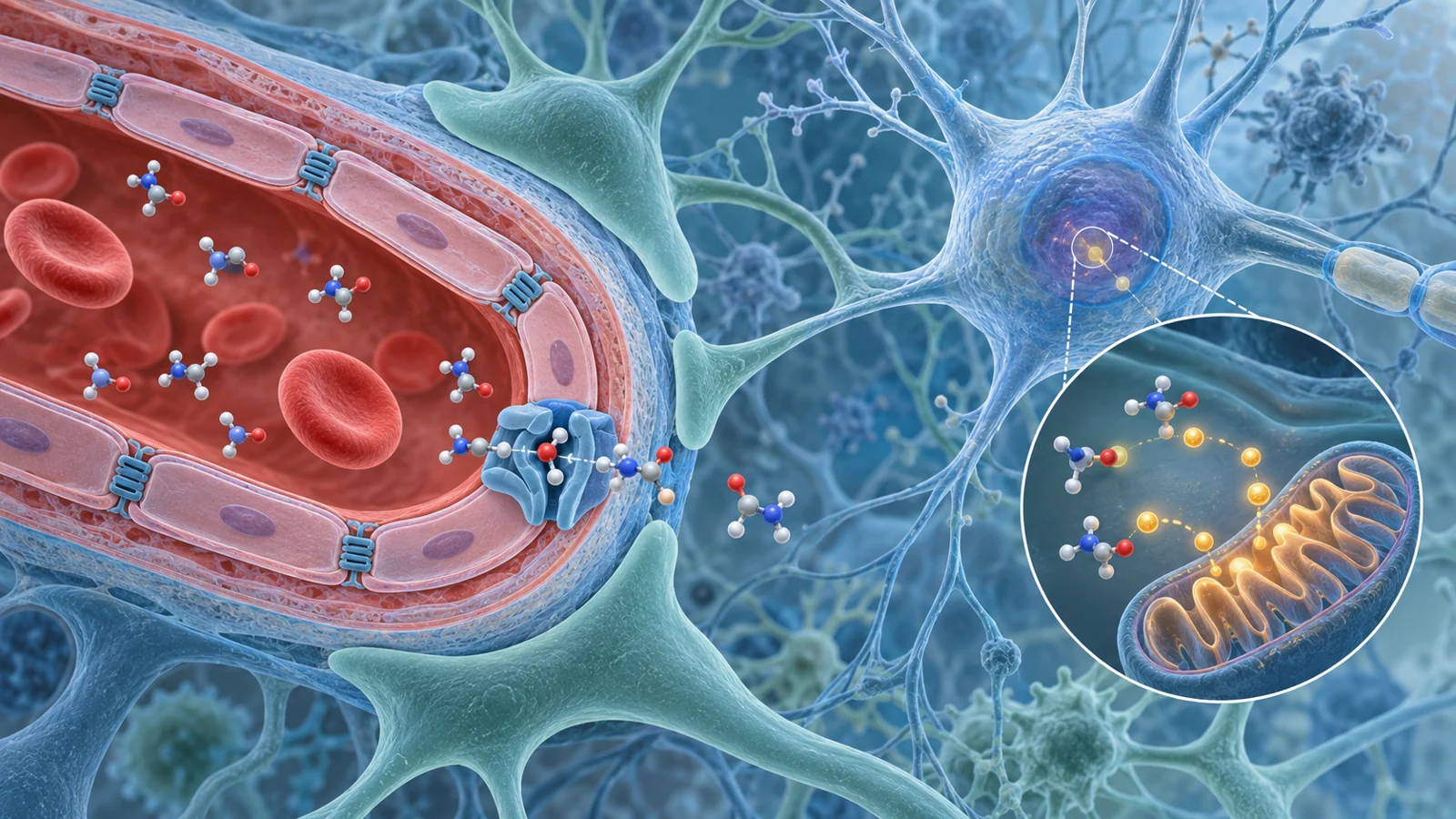
From cellular energy to the limits of creatine as a brain treatment
Clinical TrialA 2023 review compares creatine’s brain-energy rationale with animal, human and deficiency-disorder evidence to clarify what supplementation may achieve.
-
 Evidence date ·
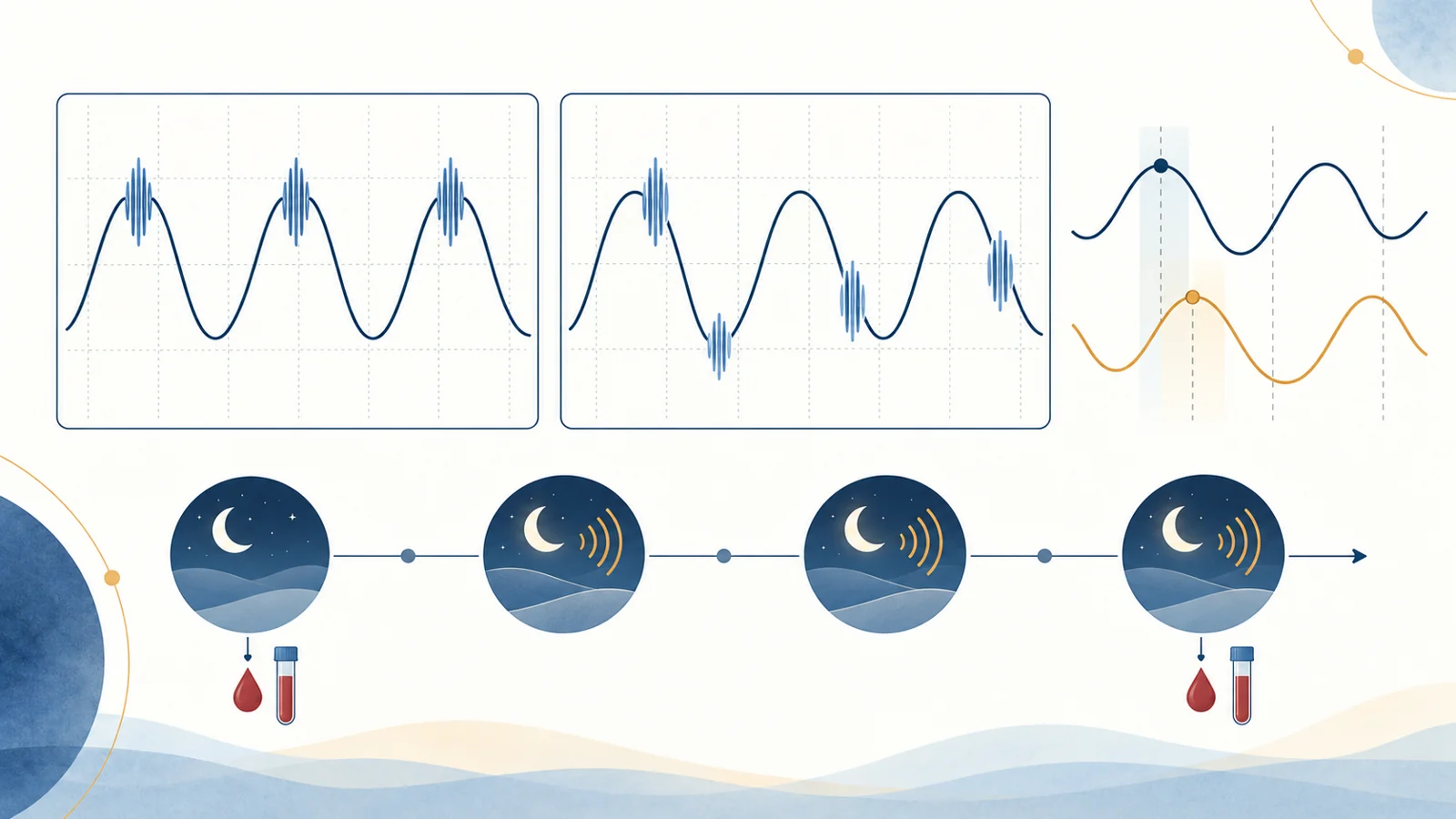
How sleep waves coordinate may relate to an Alzheimer’s-linked blood marker
Peer-Reviewed PaperTracked over timeA pooled reanalysis of 47 older adults and a 39-person sound-stimulation subset links sleep rhythms to plasma amyloid and reveals key limits.
-
 Evidence date ·
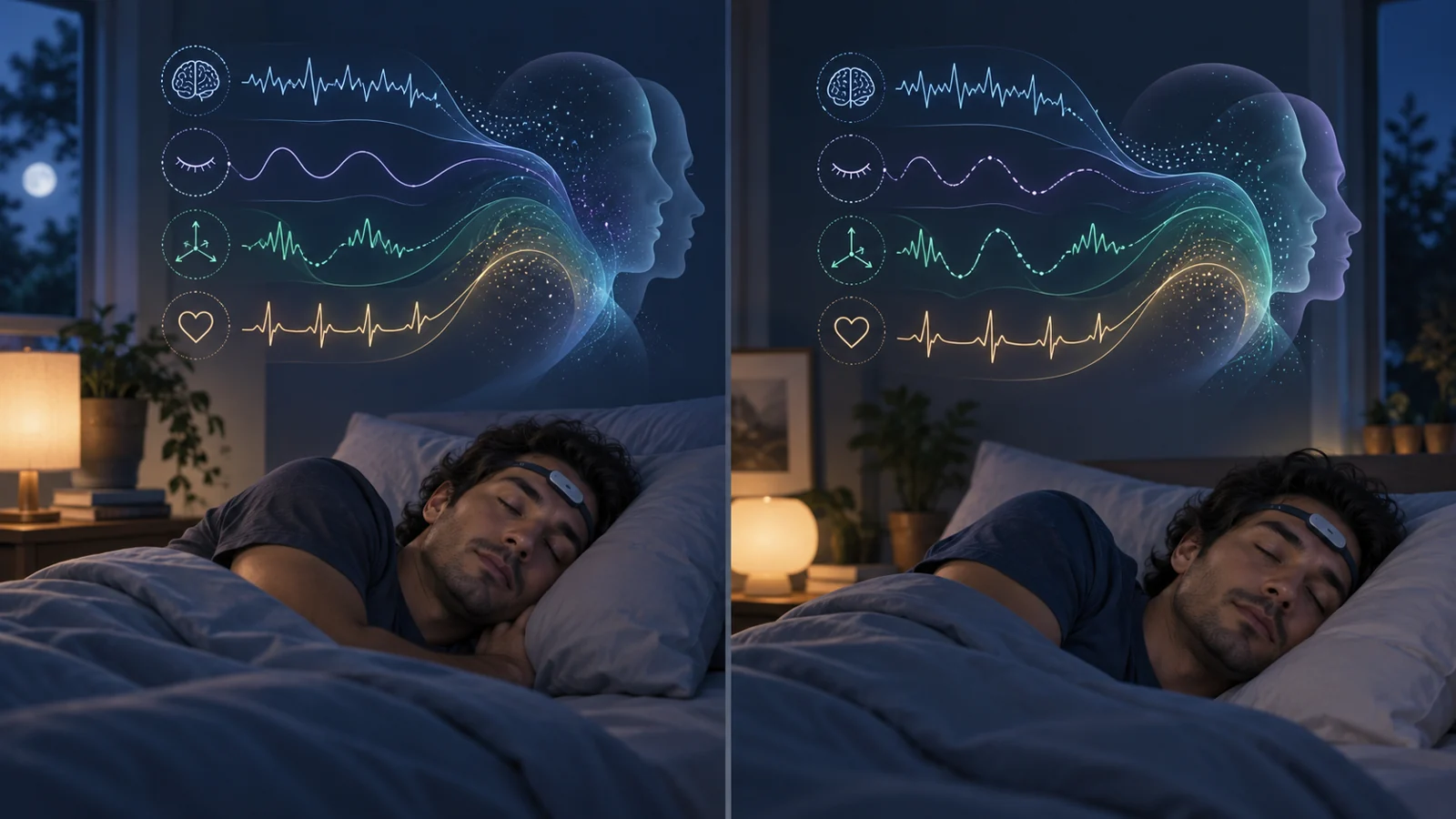
What repeating a sleep-based neurological profile can reveal
Peer-Reviewed PaperTracked over timeA study of 381 sleep recordings compared neurological profiles with clinical diagnoses and examined whether classifications persisted on repeat testing.
-
 Evidence date ·
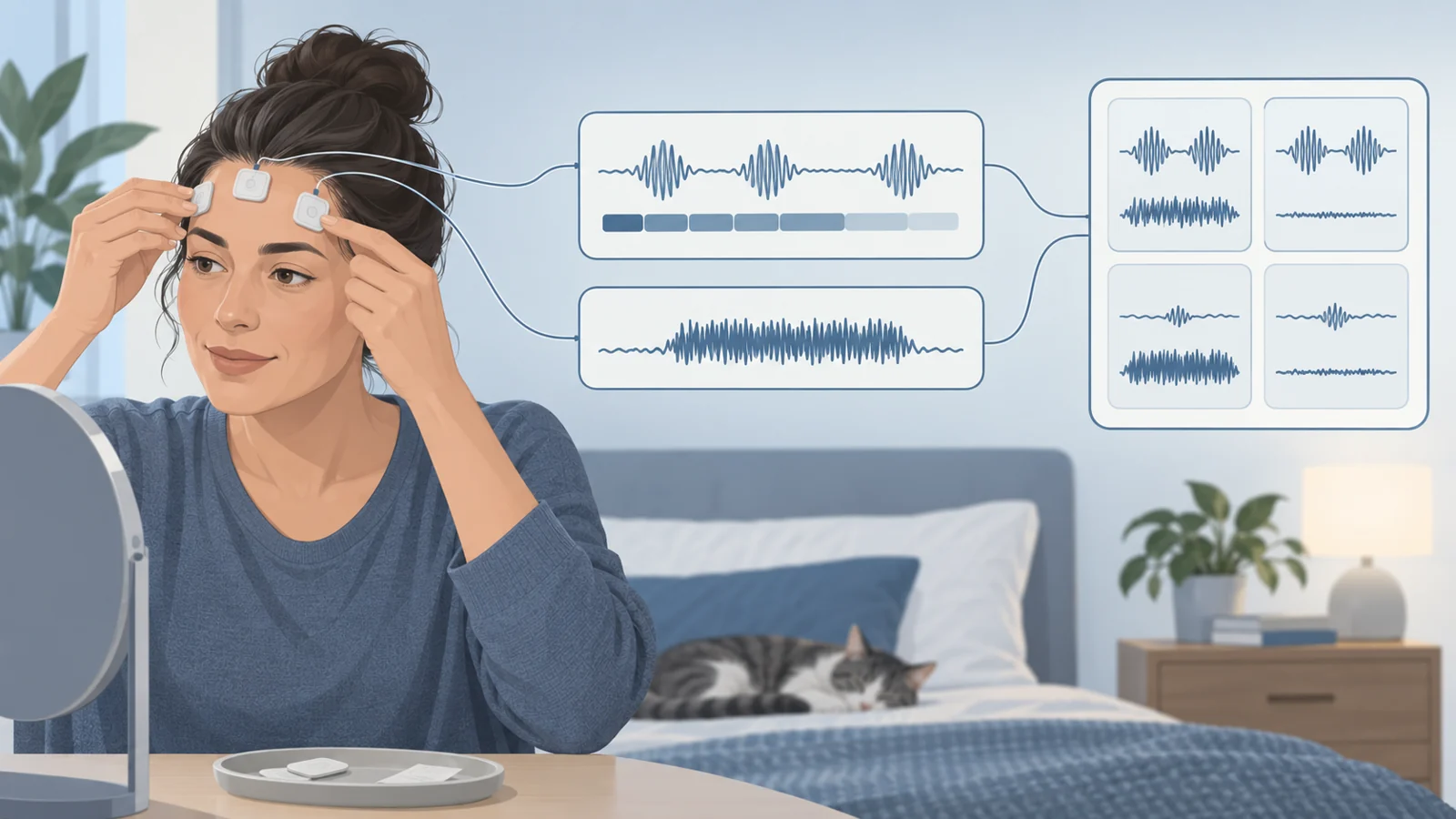
How paired nighttime brainwave and muscle measurements revealed different neurological group patterns
Peer-Reviewed PaperTracked over timeA small study combined brainwave and muscle measurements during sleep. The patterns differed across neurological groups but did not establish a diagnostic test.
-
 Evidence date ·
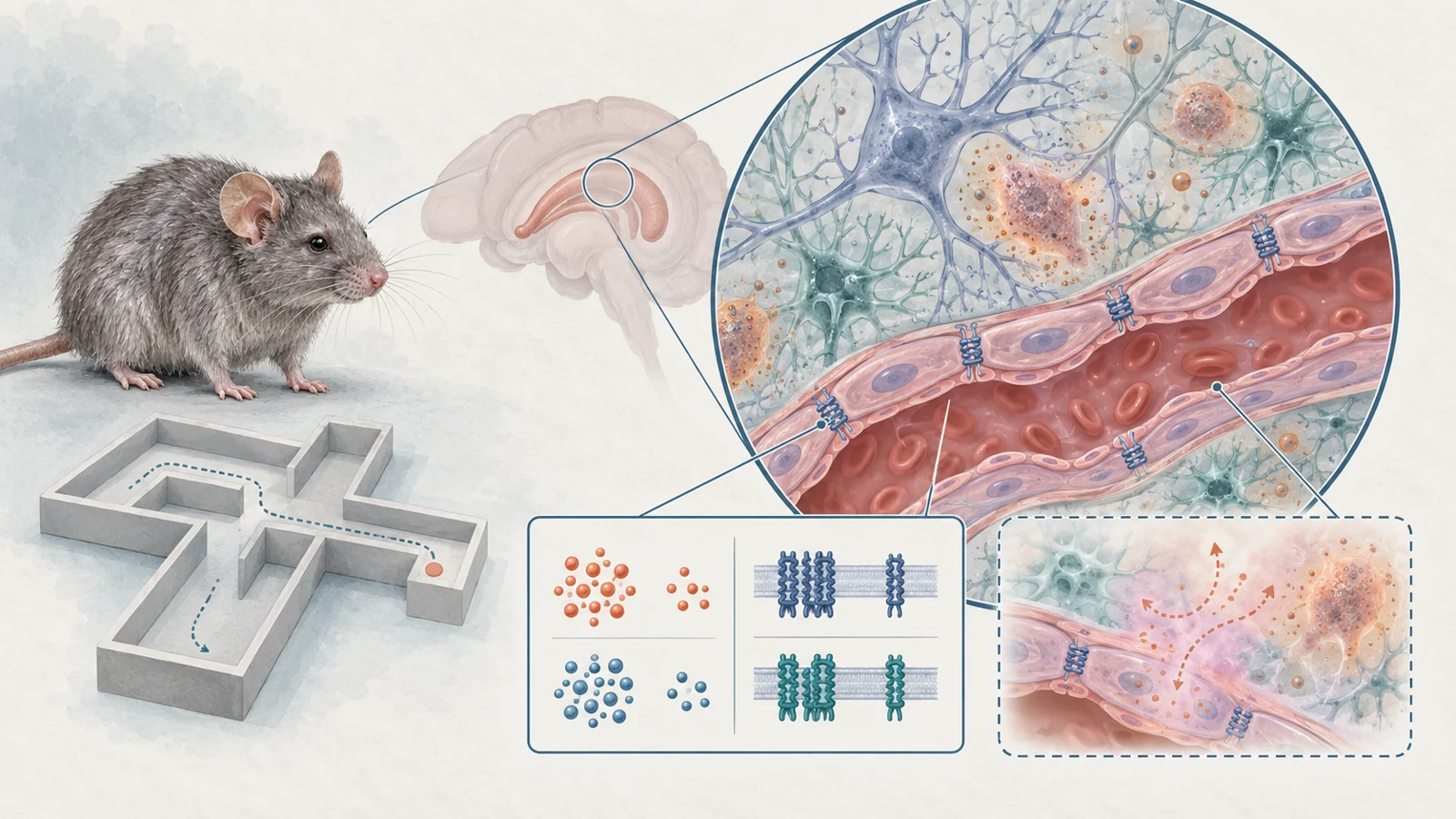
How a late-life mouse study linked memory tests to quieter cellular signals
Peer-Reviewed PaperTracked over timeTomatidine improved some maze measures in aged mice and reduced inflammatory gene expression in cultured human cells, without establishing benefits in people.
-
 Evidence date ·
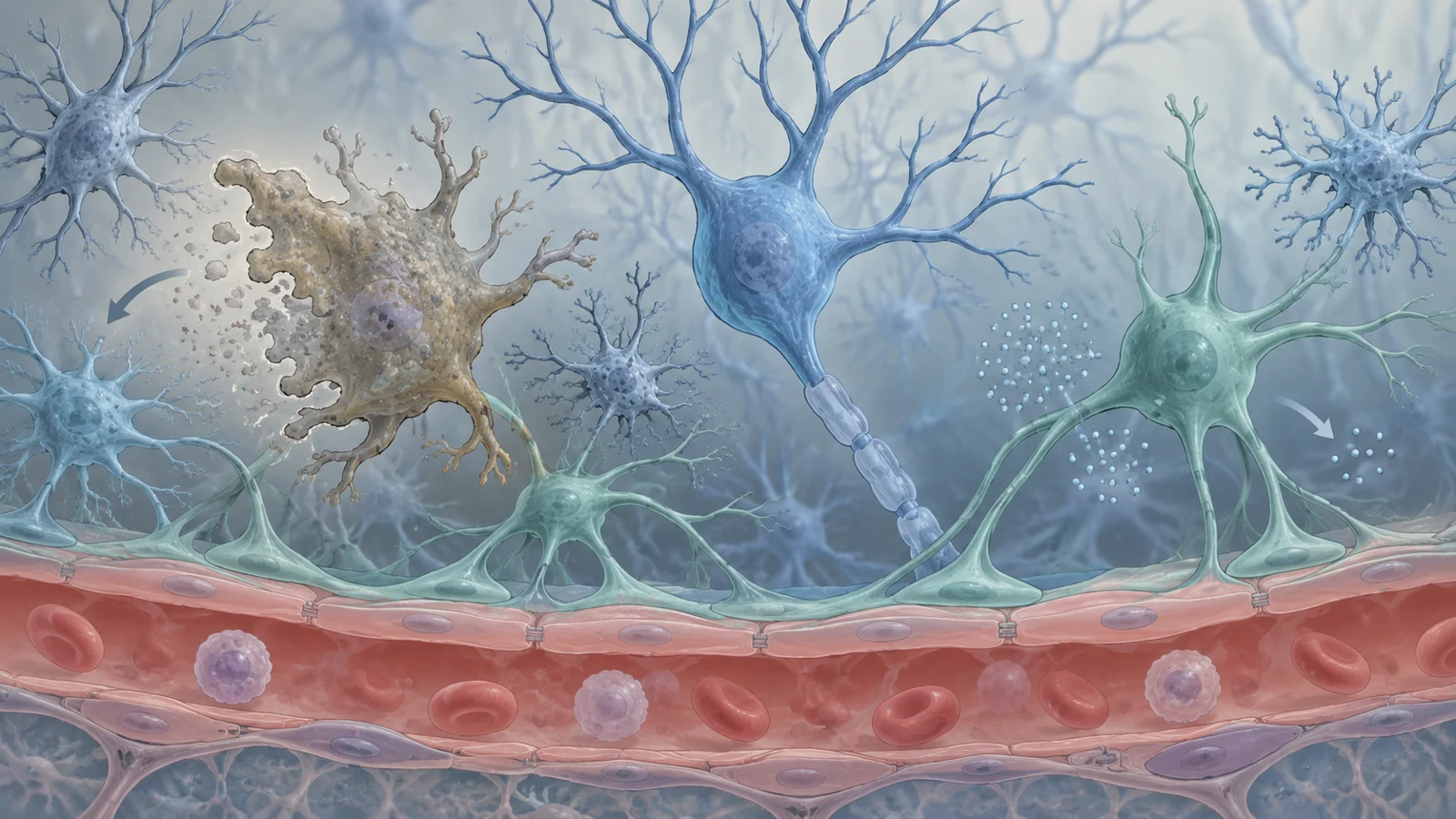
In the brain, should damaged cells be cleared or their signals quieted?
Review or Meta-AnalysisTracked over timeA 2024 review compares clearing senescent cells with quieting their signals, and explains how delivery and measurements complicate claims of patient benefit.
-
 Evidence date ·
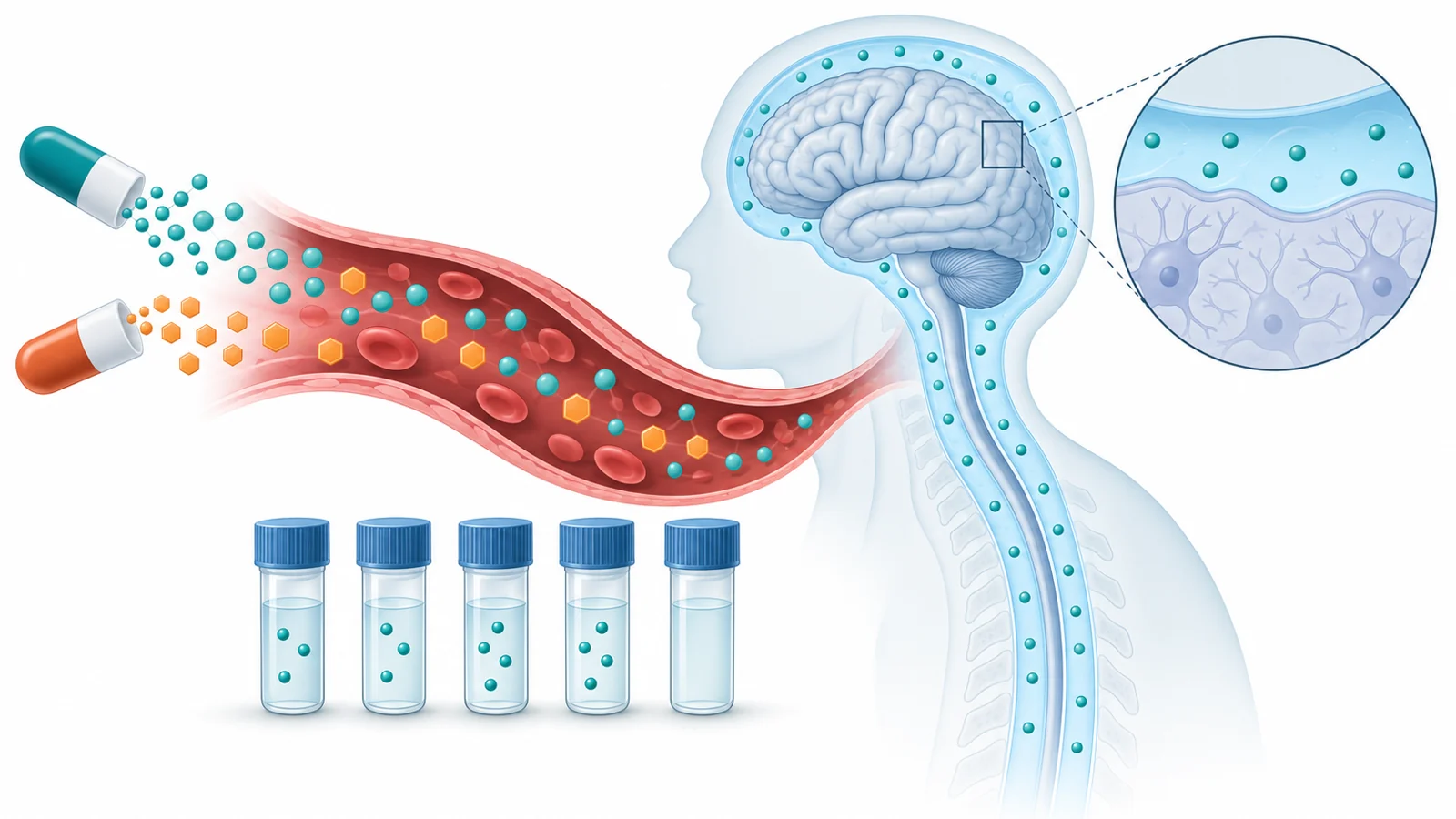
What did a five-person Alzheimer’s trial learn about drugs intended to clear senescent cells?
Clinical TrialTracked over timeA five-person Alzheimer's trial detected dasatinib in cerebrospinal fluid but established no clinical benefit; biomarkers were mixed and one recall measure declined.