
Editorial team
ioQuanta Research Desk
-
 Evidence date ·
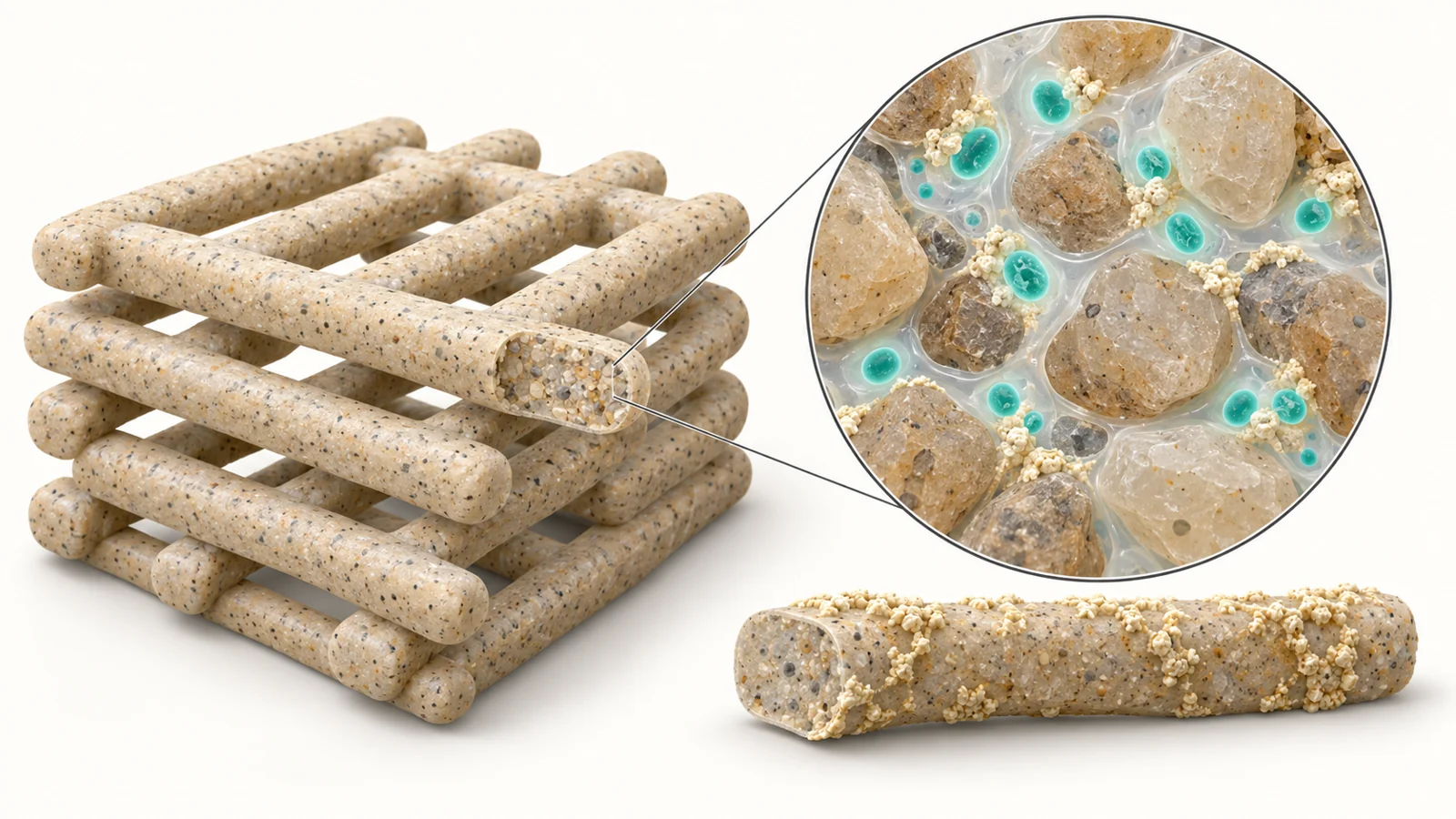
A printed gel-and-sand lattice gives living bacteria a role in forming minerals
Peer-Reviewed PaperA laboratory study printed living gel-and-sand lattices. Cell-free comparisons reveal why bacteria helped one dried mixture resist compression but weakened another.
-
 Evidence date ·
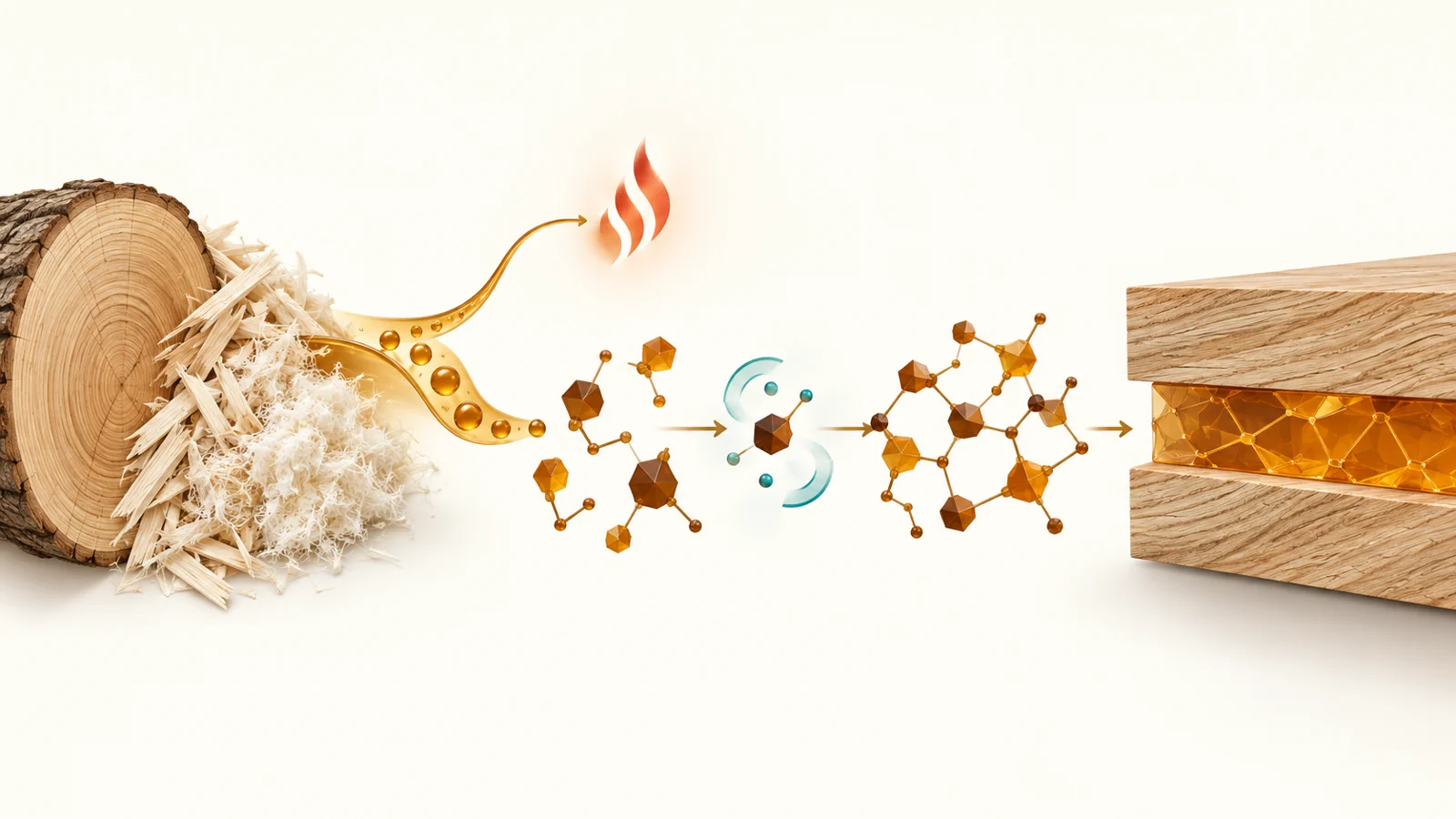
How enzymes turn lignin, a plant polymer recovered during pulping, into glue ingredients
Review or Meta-AnalysisA review explains what paper and wood glue tests measured, why the starting material matters, and how processing and mill energy use affect the potential benefit.
-
 Evidence date ·
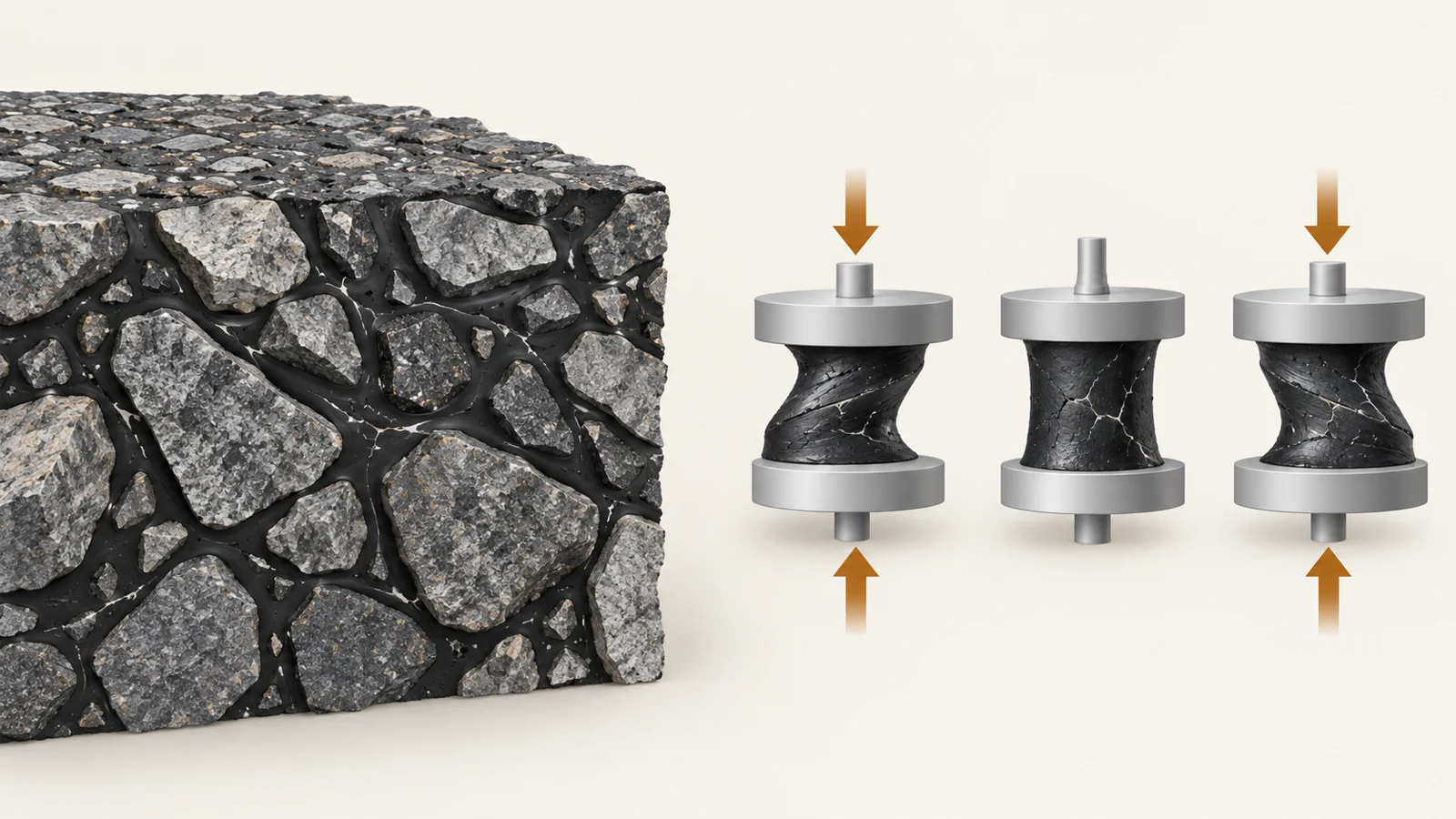
Can a road’s binding material recover and resist damage again?
Peer-Reviewed PaperLab tests found that 1% polymer improved asphalt binder’s resistance to damage. Pauses aided recovery, but the results cannot directly predict road lifespan.
-
 Evidence date ·
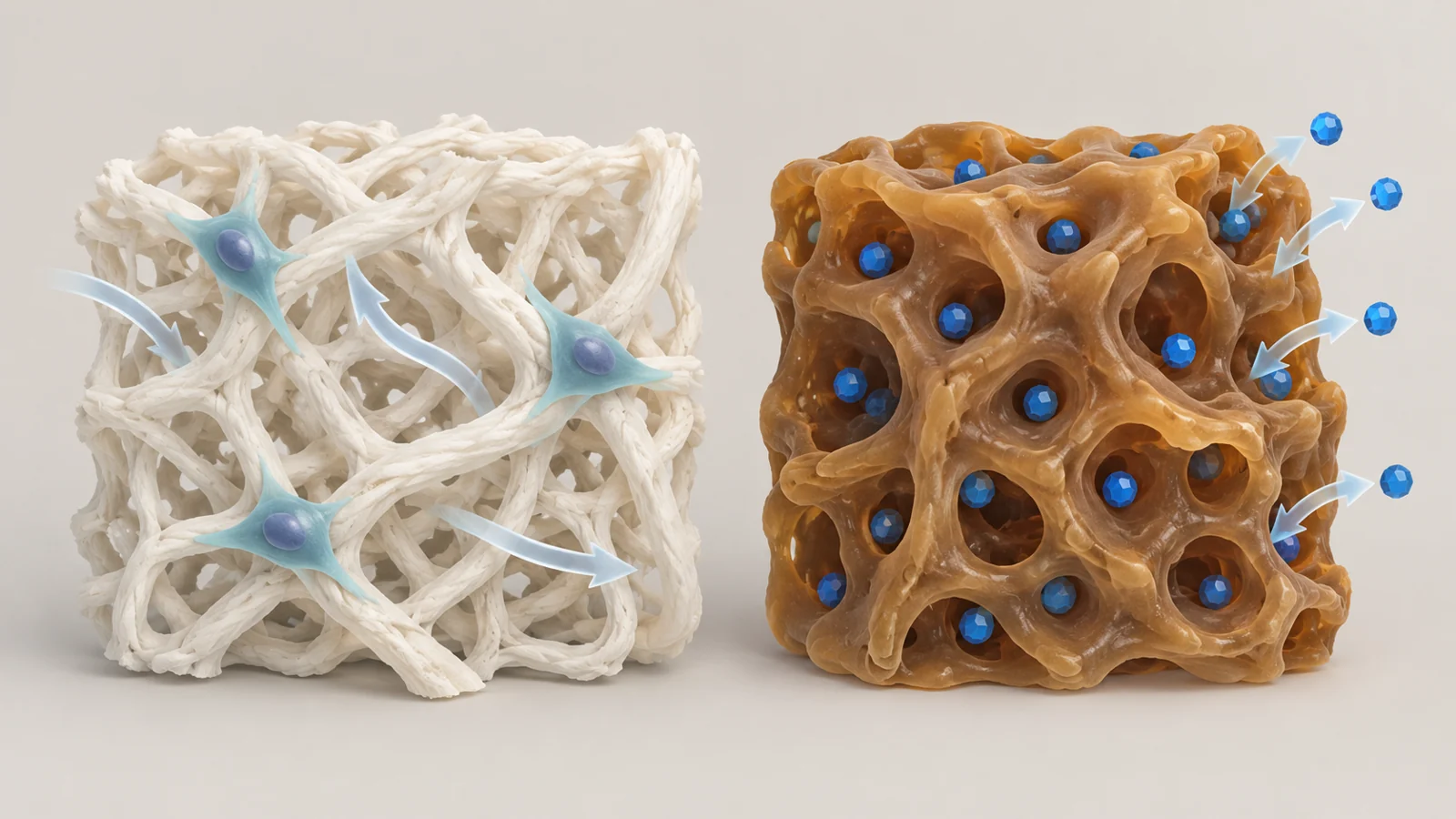
Shaping plant ingredients into cell supports and medicine-carrying dressings
Review or Meta-AnalysisPlant-derived materials can support cells or carry medicines. Their structure helps explain these roles—and why lab results do not establish patient benefits.
-
 Evidence date ·
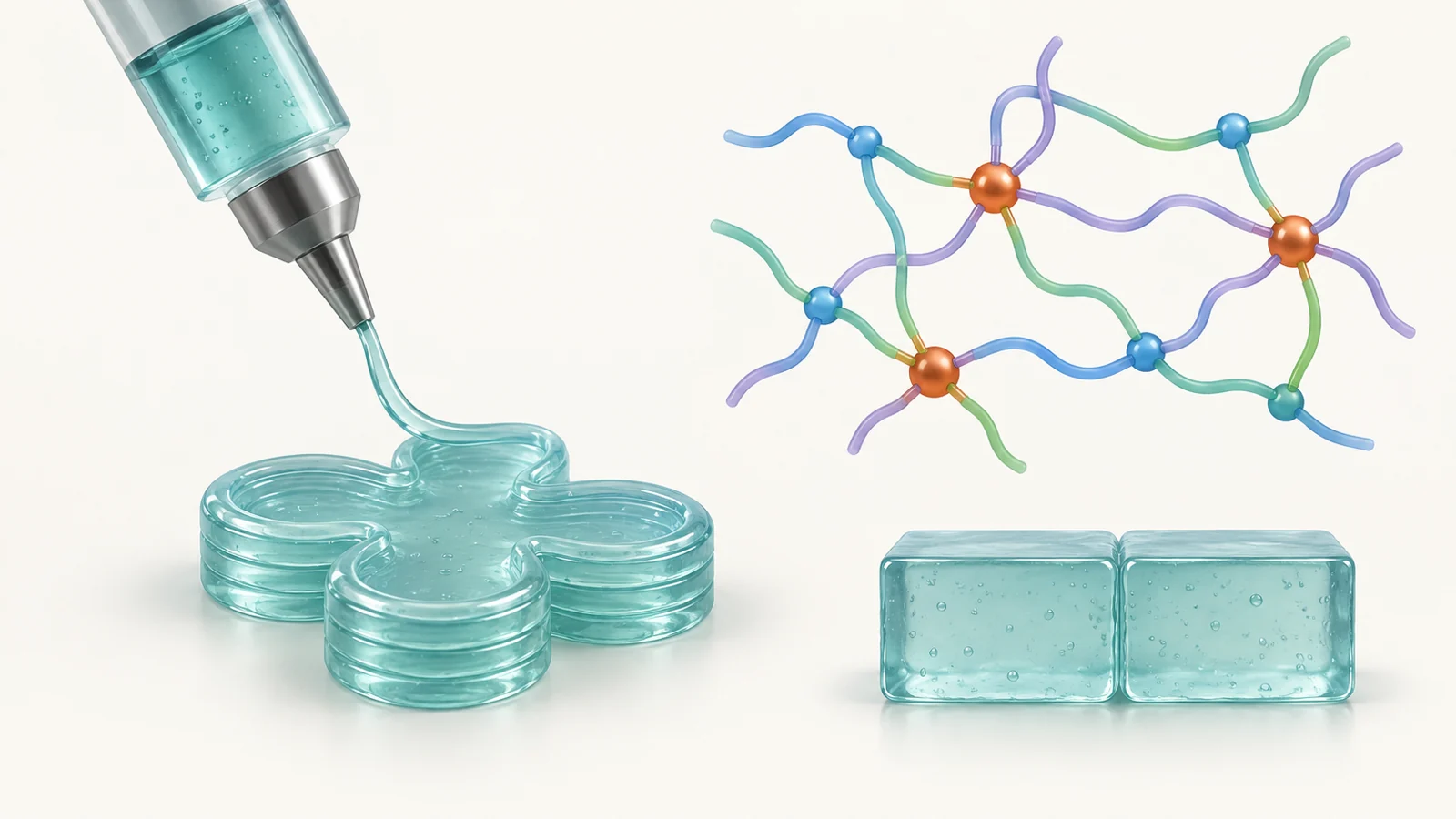
How two kinds of connections make a water-rich gel printable
Peer-Reviewed PaperA water-rich gel passed two different recovery tests and held its printed shape. See what those results mean—and what a working device would still require.
-
 Evidence date ·
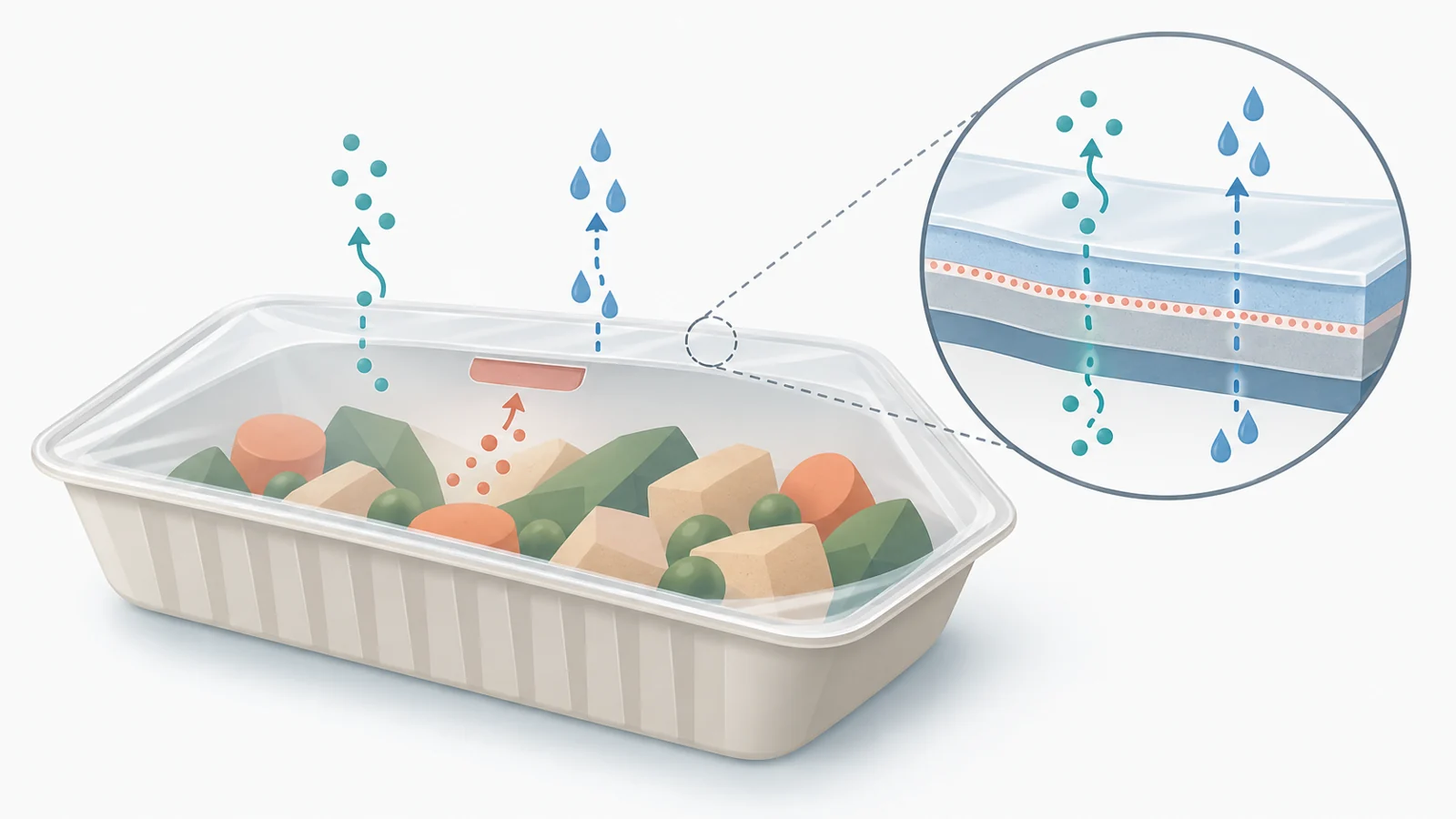
Food packaging has to work through the last serving
Review or Meta-AnalysisA 2023 review explains how films, freshness indicators, glues, and dyes do different jobs, and why package use and disposal shape the outcome.
-
 Evidence date ·
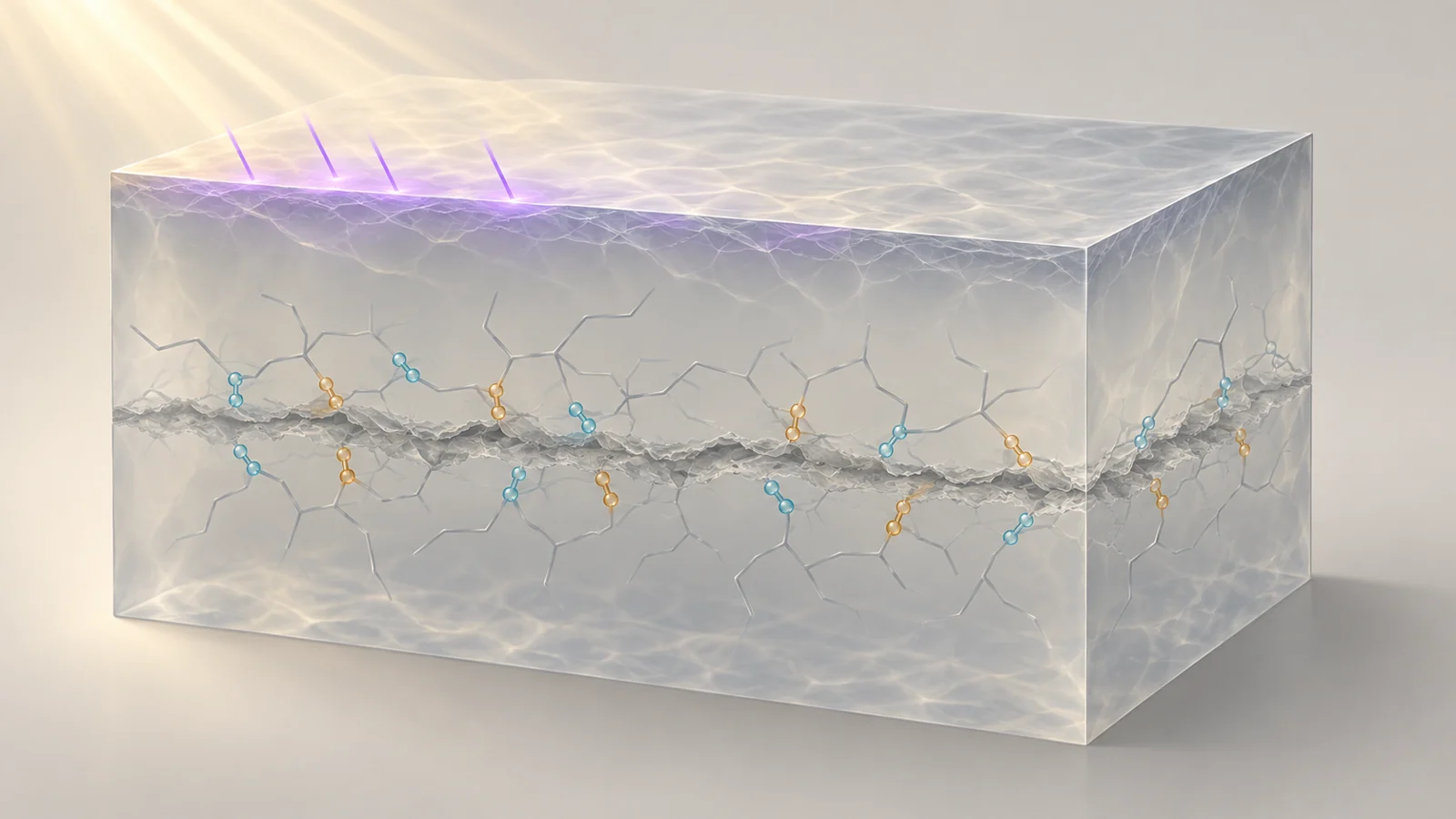
How sunlight triggers a plastic to reconnect damaged material
Peer-Reviewed PaperA 2023 study describes sunlight-triggered bond exchange in a plastic. Its abstract reports strength and stretch, but leaves repair performance less clear.
-
 Evidence date ·
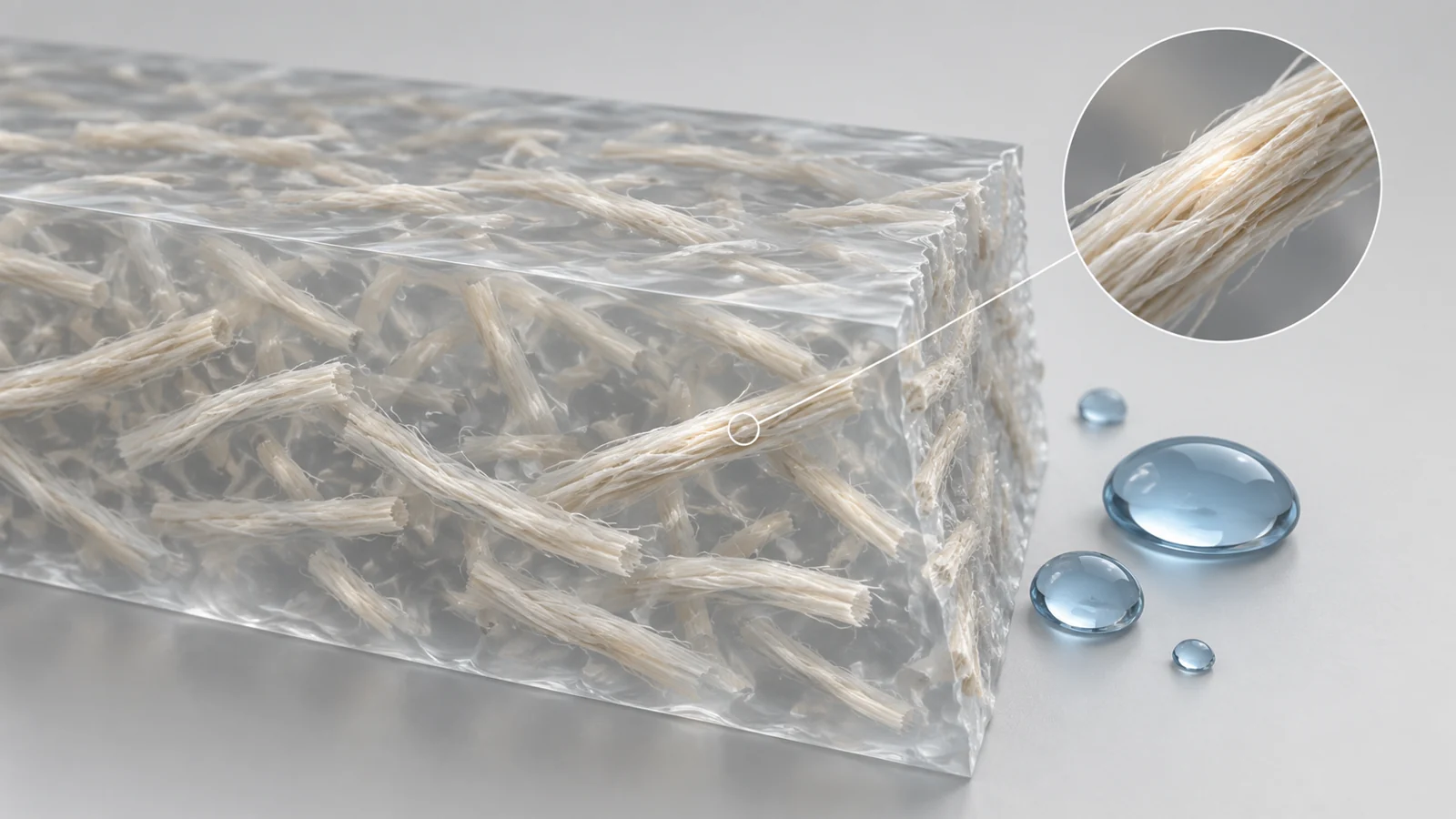
How plant-derived cellulose helps reinforce polymer materials
Review or Meta-AnalysisA 2023 review examines how cellulose can reinforce polymers, why moisture complicates performance, and where surface treatment might help.
-
 Evidence date ·
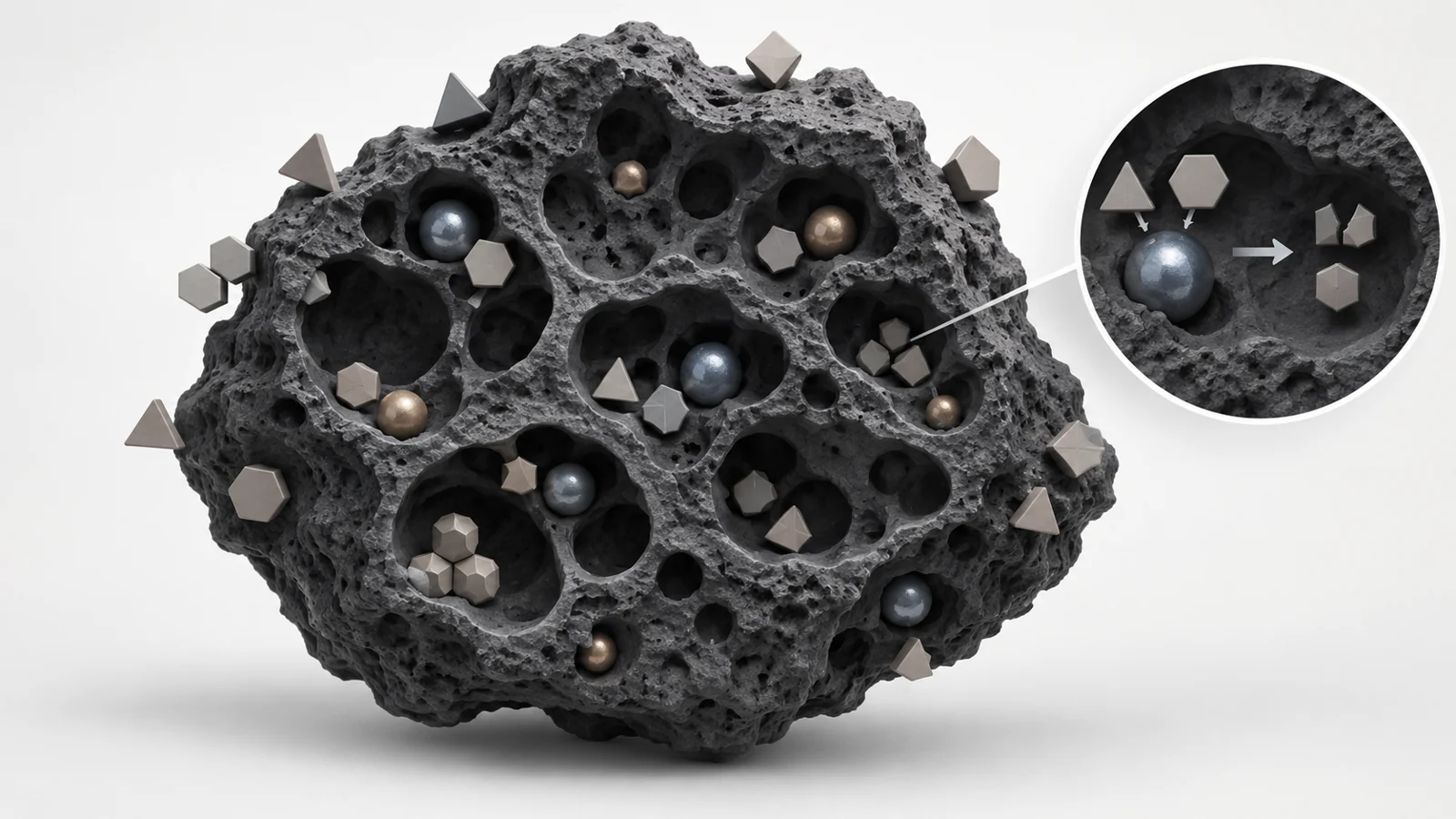
Carbon that traps pollutants could work alongside tiny particles that break them down
Review or Meta-AnalysisSurface capture and chemical breakdown do different jobs. A review describes how combining them could help treatment—and what its abstract can establish.
-
 Evidence date ·
Hollow microtubes become a larger surface for absorbing microwaves
Peer-Reviewed PaperA flexible absorber is reported to cover 3.7–40.0 GHz at 5 mm thickness, with potential to limit microwave interference if it performs reliably in use.