
Research area
Health & Longevity
Human health, disease, treatment and aging. The largest corpus area supports distinct cancer, neurological and therapeutic navigation.
-
 Evidence date ·
Understanding sleep reports and recordings in early memory problems
Review or Meta-AnalysisSleep reports and recordings capture different changes. Learn why diagnoses and shared study outcomes could help guide future treatment choices.
-
 Evidence date ·
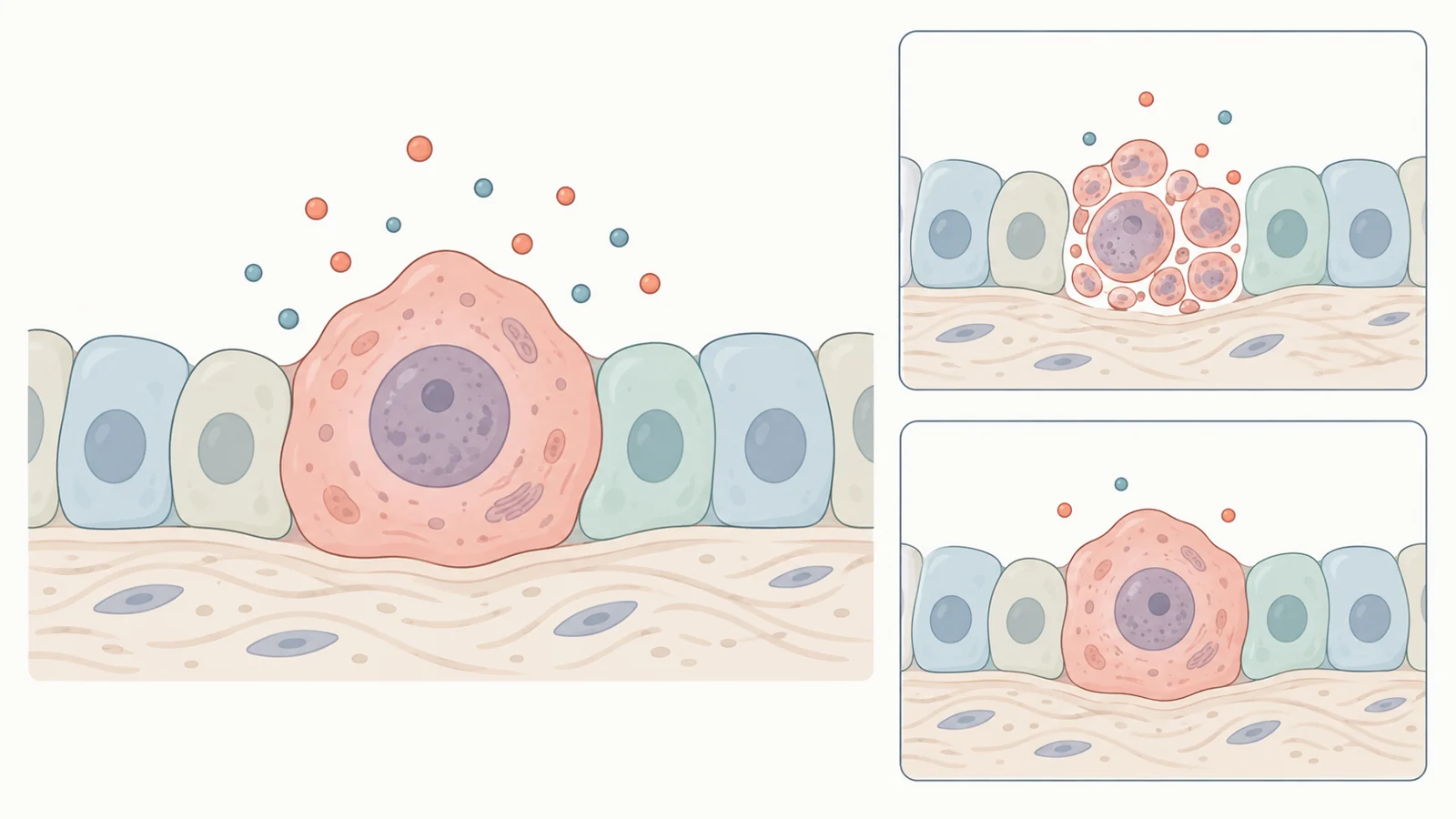
What changes when a drug targets cells that have stopped dividing?
Review or Meta-AnalysisAn April 2022 review explains how scientists identify senescent cells, distinguish killing from quieter secretions, and assess prospects for human benefit.
-
 Evidence date ·
How nutritional compounds might change or remove senescent cells
Review or Meta-AnalysisA June 2022 narrative review explores changes in senescent cells, their secretions and survival—and what those experiments can tell us about human diets.
-
 Evidence date ·
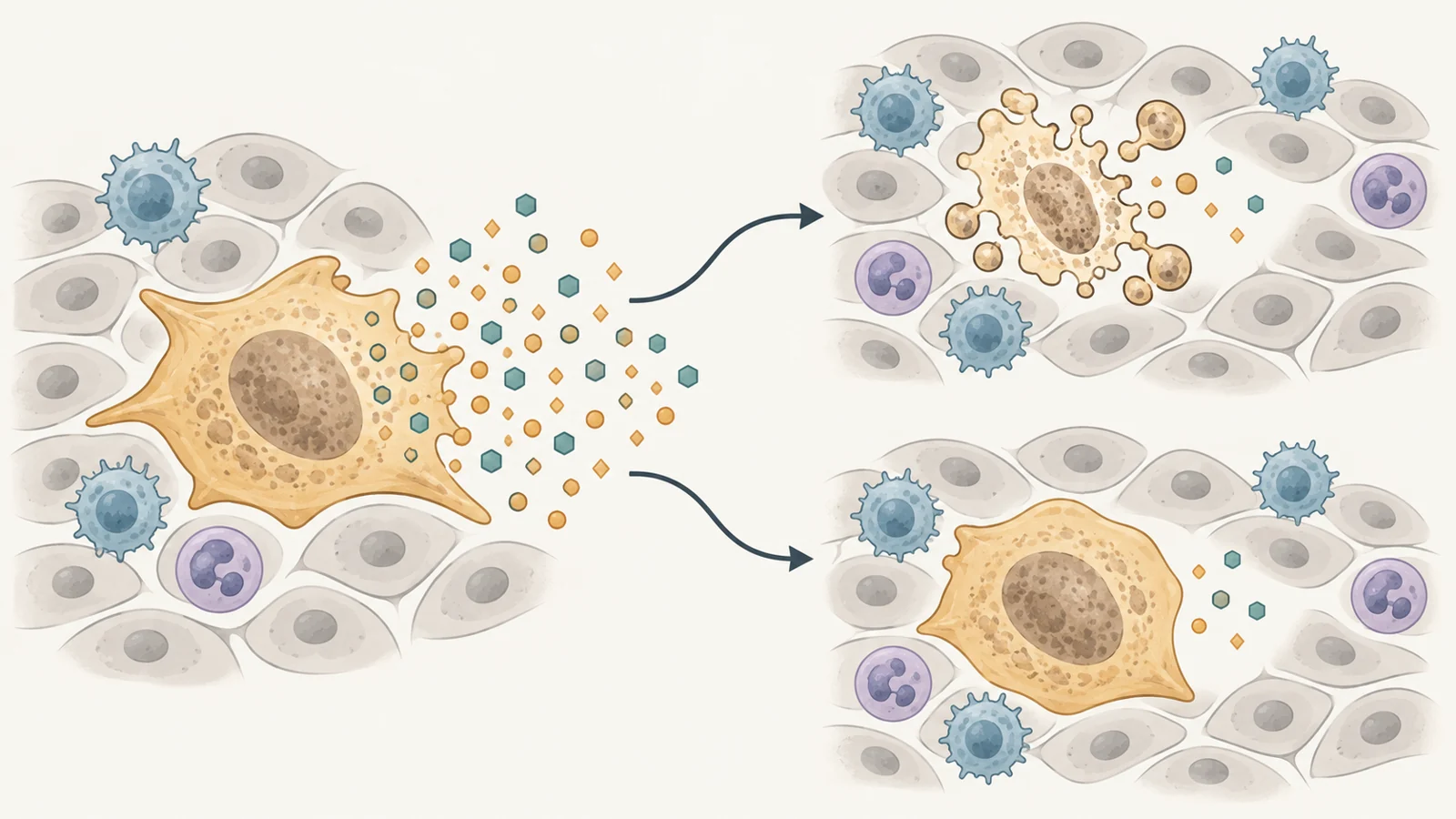
Removing persistent cells or quieting their signals in cancer and HIV
Review or Meta-AnalysisA 2022 review explores cell clearance versus signal suppression, with mouse cancer results and HIV trial markers that stop short of proven patient benefit.
-
 Evidence date ·
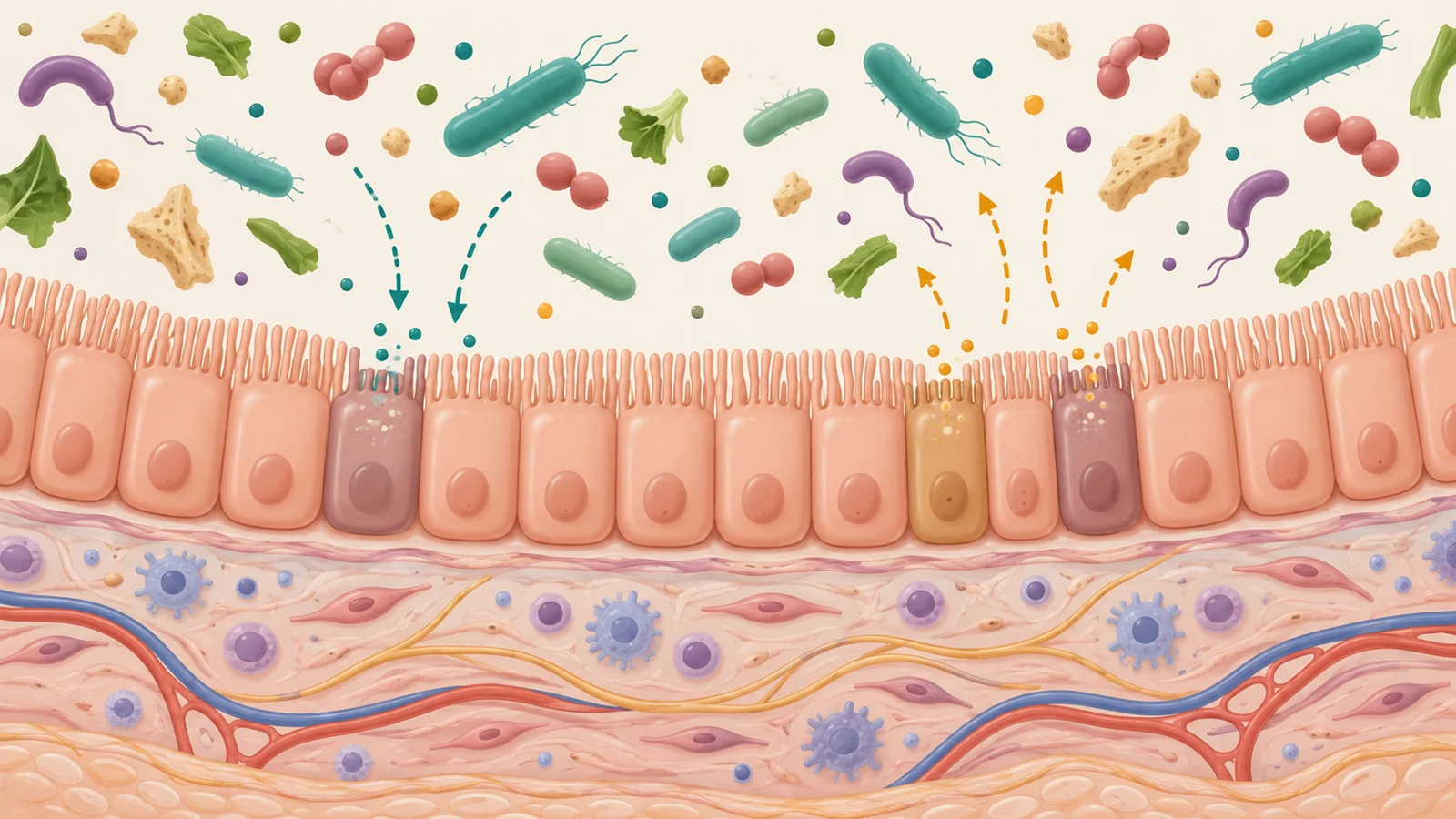
How gut microbes and senescent cells could reshape the intestinal environment
Review or Meta-AnalysisExplore how microbial products could affect cellular senescence and the gut barrier, and what mouse findings in a January 2022 review actually establish.
-
 Evidence date ·
Why would treatments remove cells that stop dividing—or make others stop?
Review or Meta-AnalysisA 2021 review explains how senescent cells shape tissue repair, why treatments remove or induce them, and what limits conclusions about patient benefit.
-
 Evidence date ·
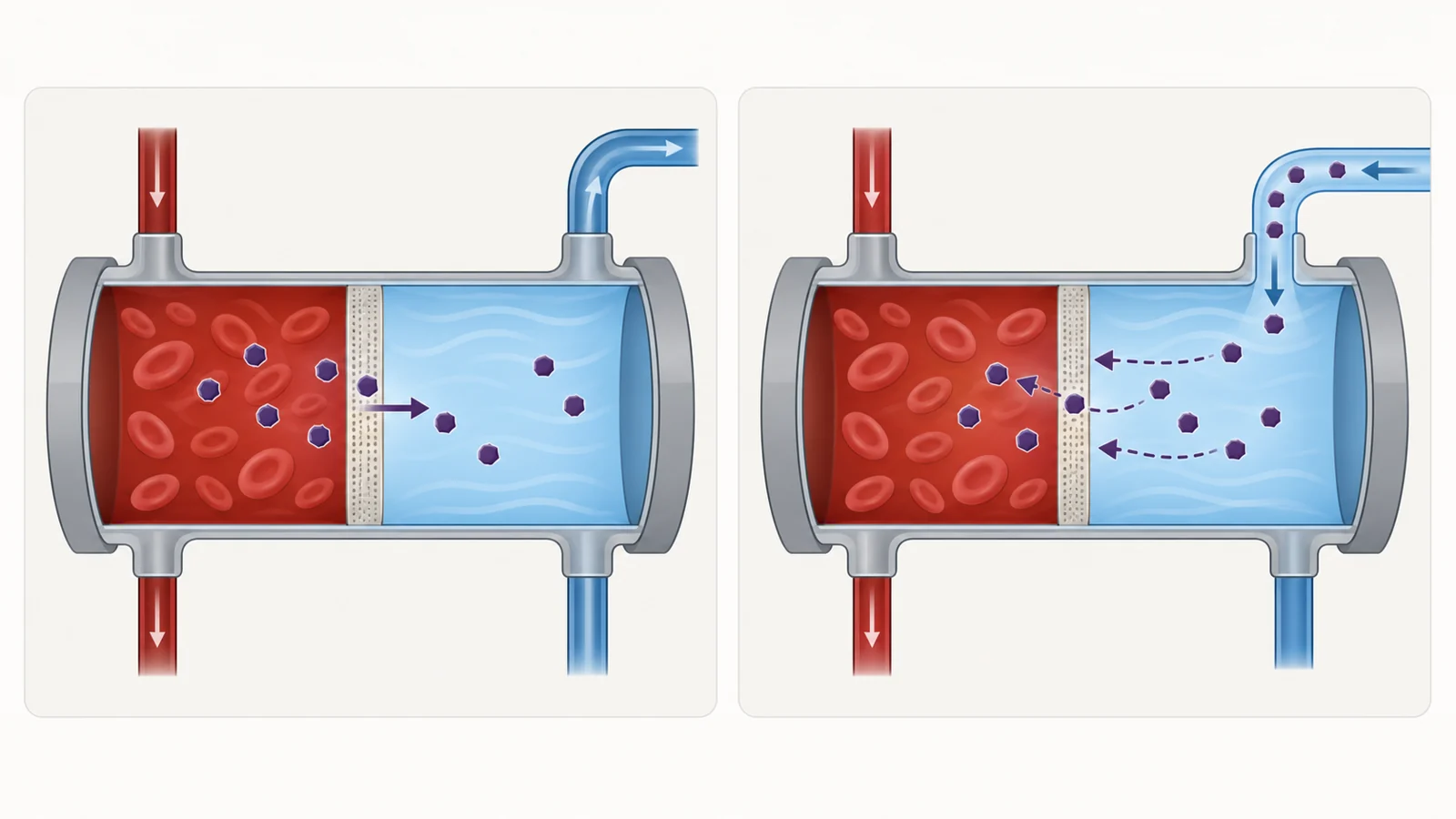
Why creatine can run short during dialysis and how replacement might work
Peer-Reviewed PaperA 2021 proposal explains why dialysis patients may run short of creatine, how dialysis fluid could replace it, and what a planned pilot would measure.
-
 Evidence date ·
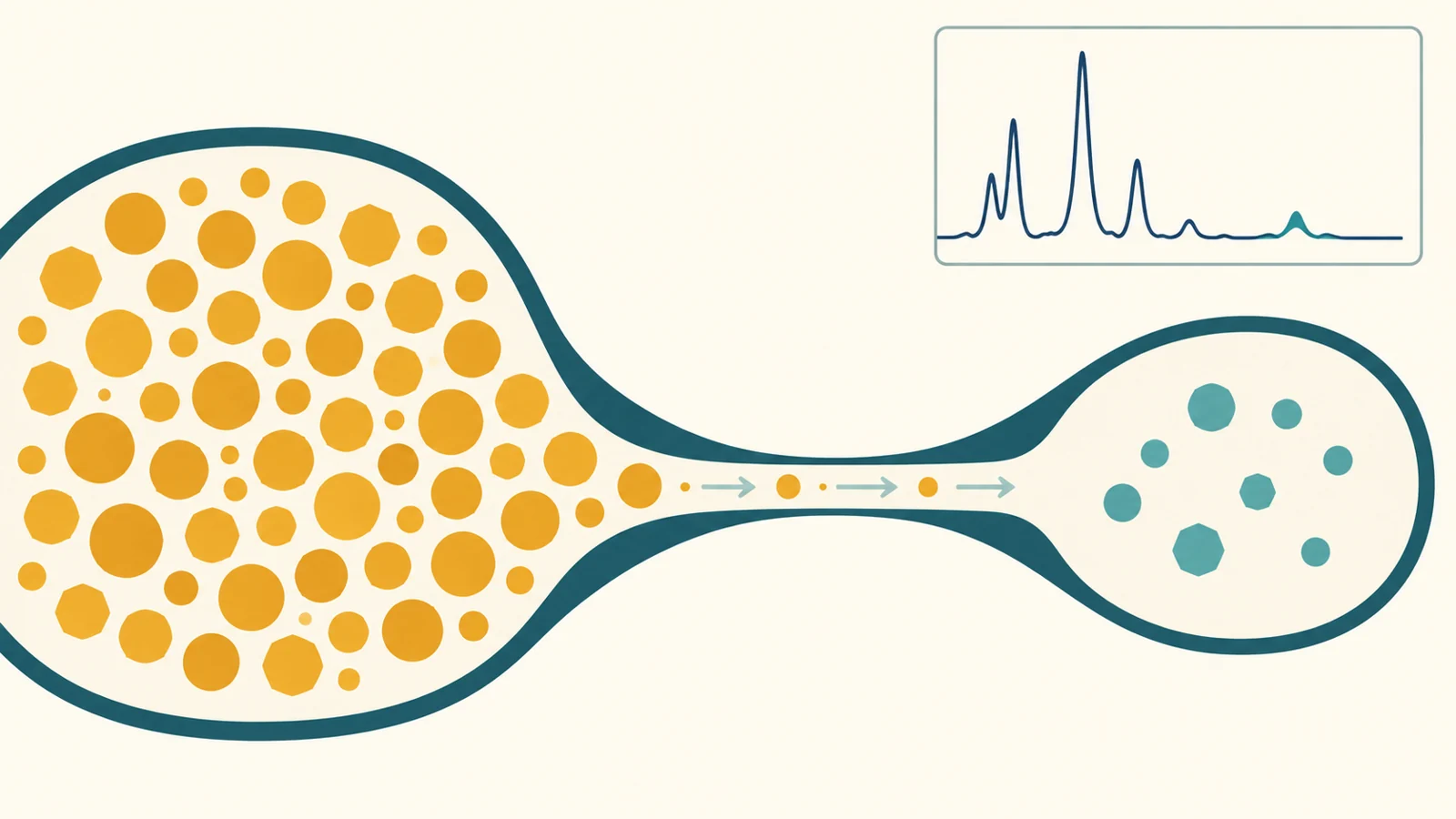
Different childhood symptoms led to a diagnosis of GAMT deficiency, an inherited creatine production disorder
Review or Meta-AnalysisTracked over timeTwo children with GAMT deficiency, an inherited creatine production disorder, show how diagnosis and follow-up connect seizures, urine tests, and learning.
-
 Evidence date ·
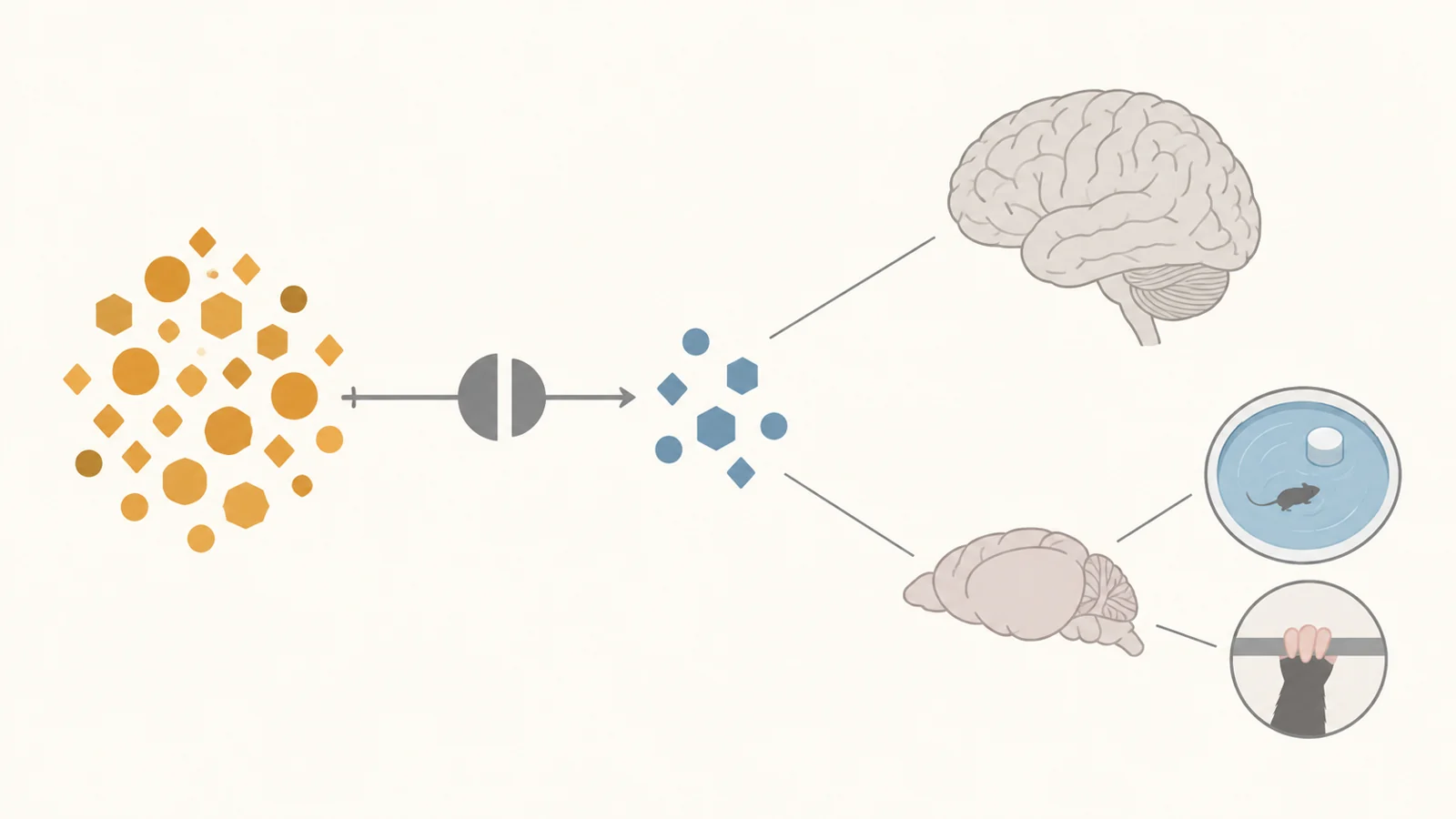
What can creatine-deficient mice reveal about brain development?
Review or Meta-AnalysisTracked over timeA 2021 review examines a genetic defect in creatine production, mixed findings across mouse behavior tests, and possibilities for treatment research.
-
 Evidence date ·
Why did adding an antidepressant change creatine’s effects in rats at altitude?
Peer-Reviewed PaperAn altitude rat experiment reveals how adding fluoxetine changed behavioral results, and why brain chemistry alone cannot establish a human therapy.