
Research area
Health & Longevity
Human health, disease, treatment and aging. The largest corpus area supports distinct cancer, neurological and therapeutic navigation.
-
 Evidence date ·
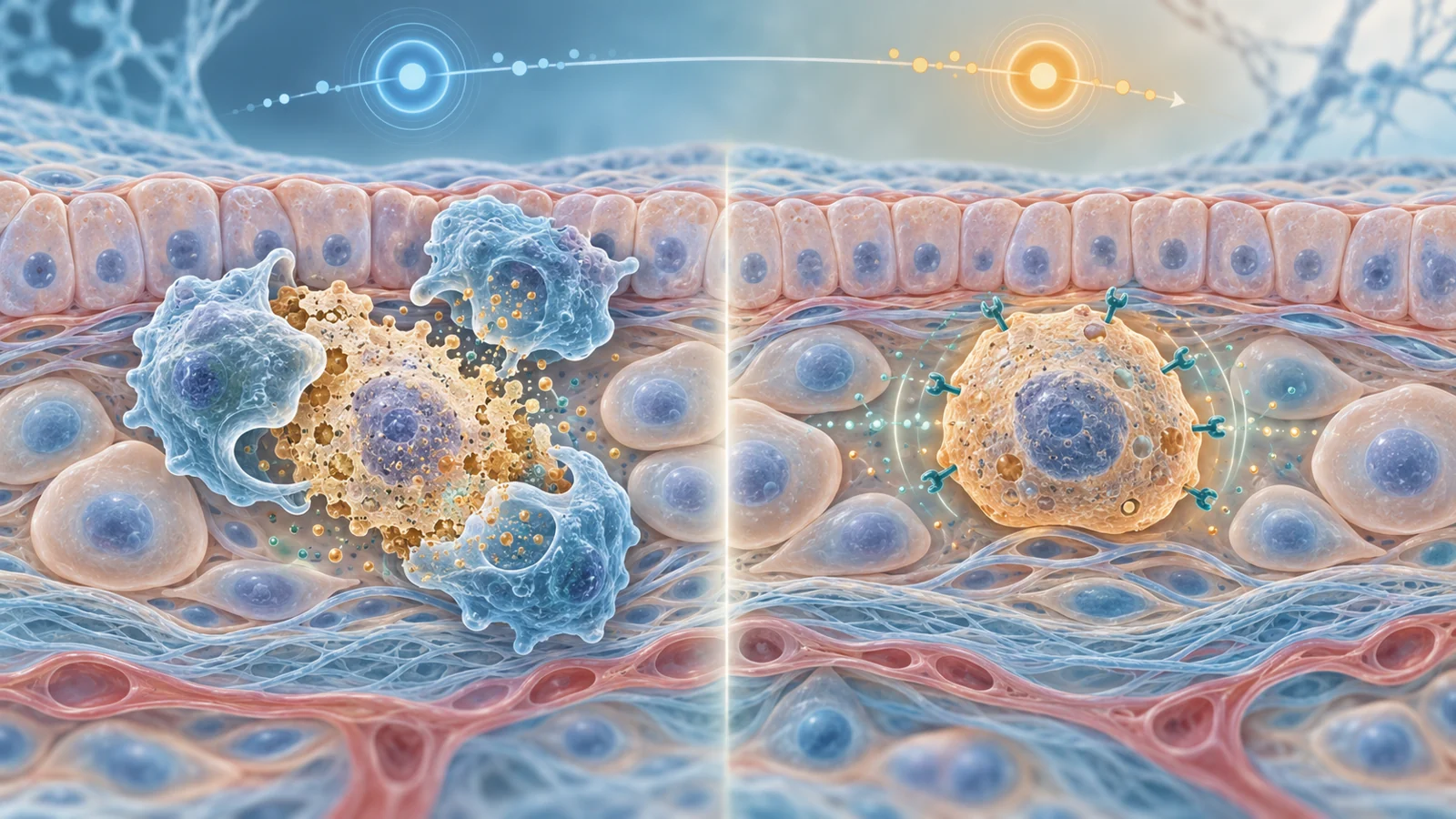
Why cancer treatment may need to target cells that stop dividing
Review or Meta-AnalysisA review separates cell-clearing from signal-suppressing therapies, contrasts skin inflammation with rejuvenation, and proposes a route to safer cancer recovery.
-
 Evidence date ·
How working muscles may help an aging brain
Review or Meta-AnalysisA November 2025 narrative review links exercise with memory and thinking, explains muscle-to-brain signals, and weighs why programs may not fit everyone.
-
 Evidence date ·
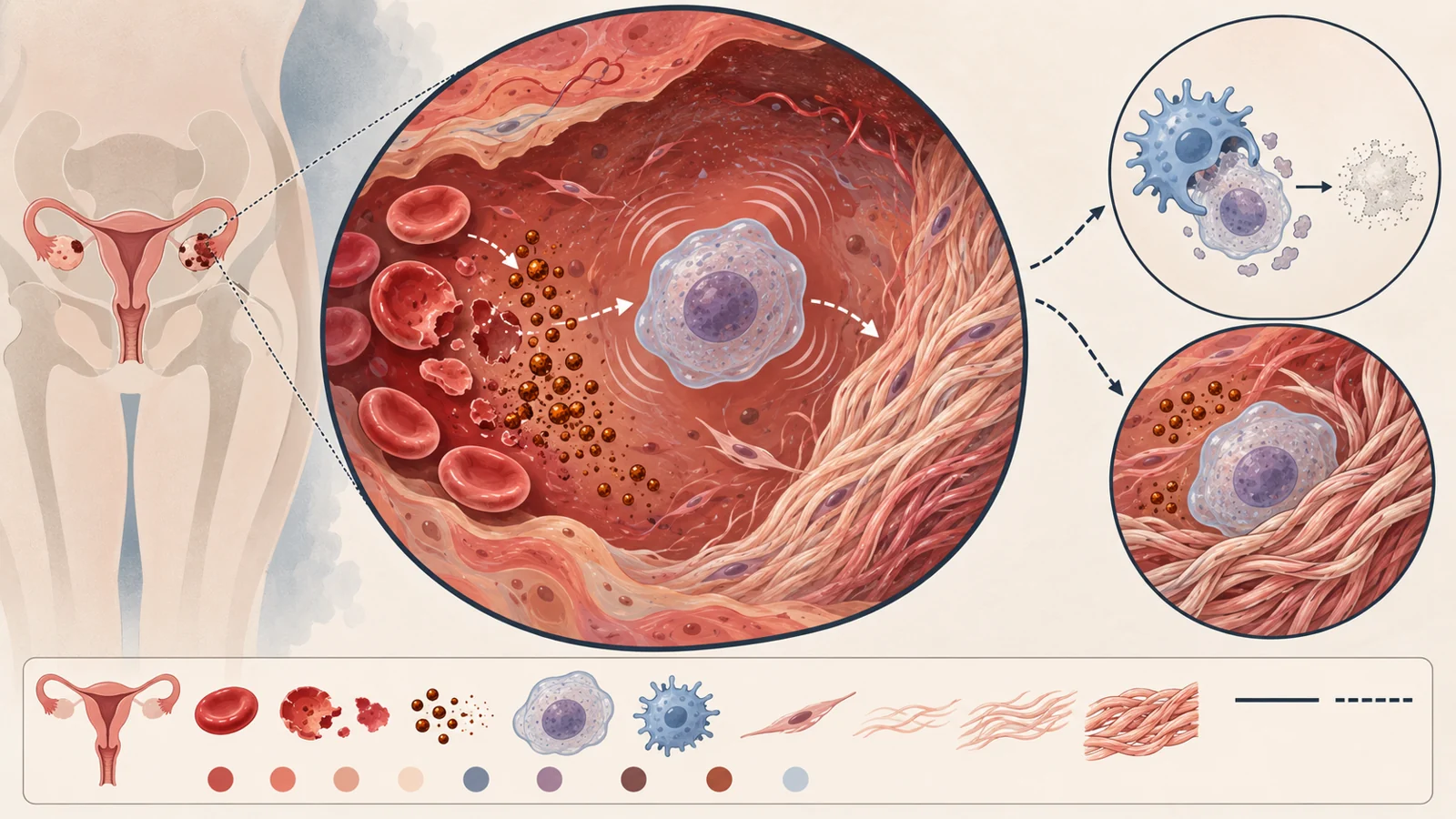
How local iron and active non-dividing cells may link endometriosis to scarring
Review or Meta-AnalysisA review examines how bleeding-related iron, persistent senescent cells and scarring may interact in endometriosis, and why selective cell targeting matters.
-
 Evidence date ·
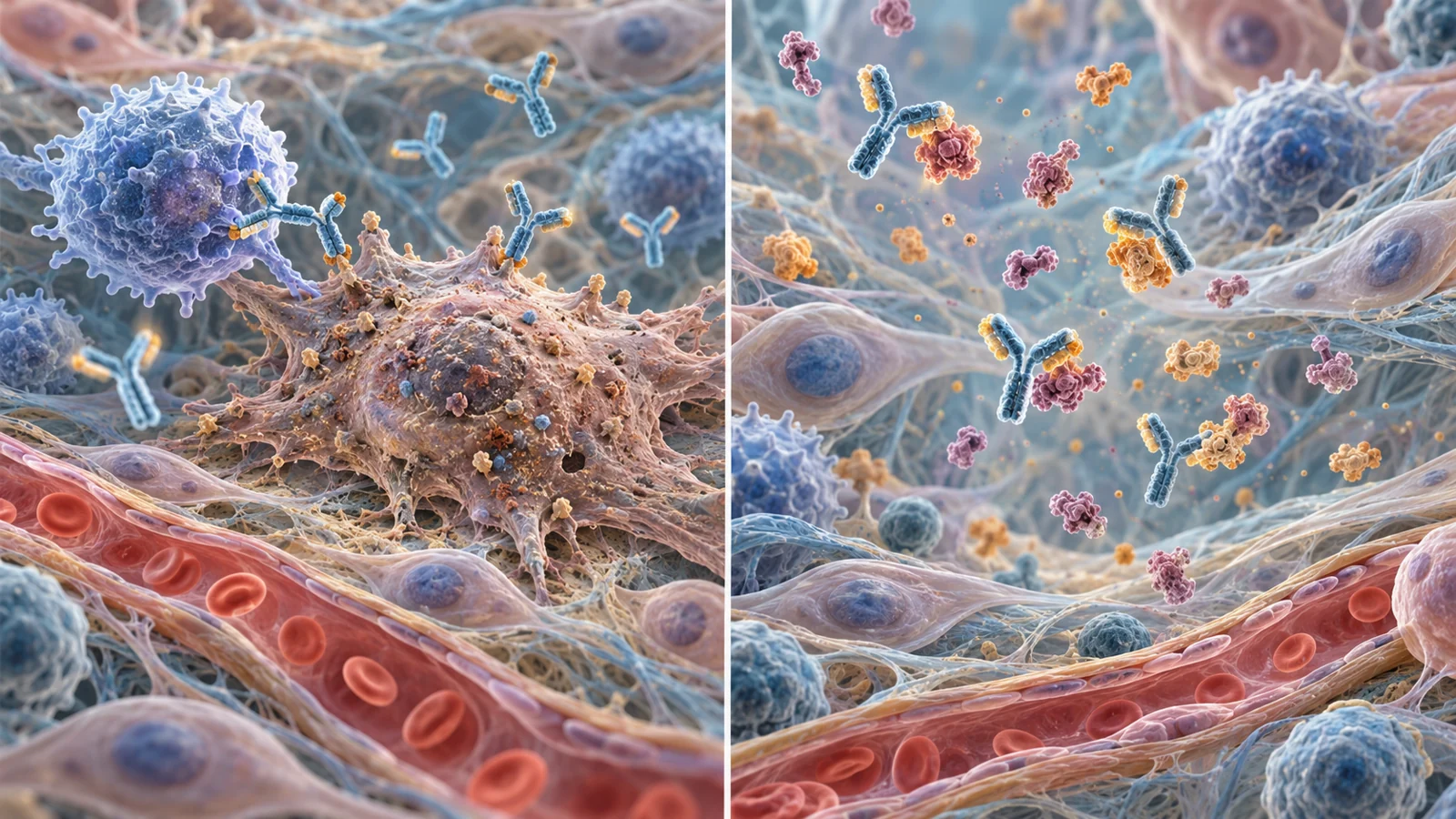
What immune treatment would need to remove, suppress, and preserve to support aging organs
Review or Meta-AnalysisA September 2025 review compares cell-clearing vaccines with signal-blocking antibodies, human outcomes, and the repair and infection risks of immune targeting.
-
 Evidence date ·
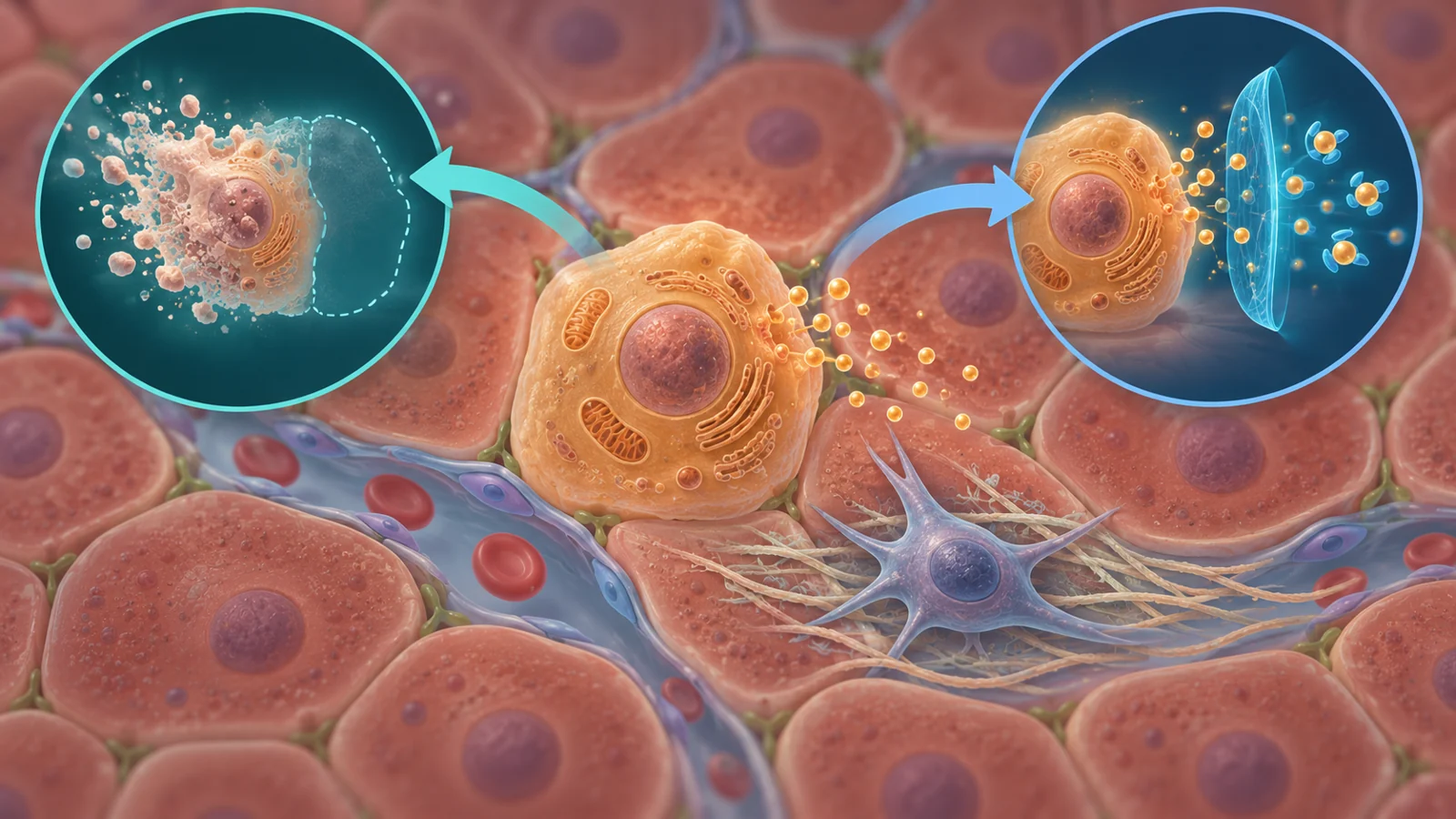
Why cells that stop dividing can still shape liver repair
Review or Meta-AnalysisA 2025 review explains how nondividing liver cells alter nearby tissue, what mouse treatments show, and why patient benefit remains unproven.
-
 Evidence date ·
What a dementia sleep treatment result actually measured
Review or Meta-AnalysisA four-week trial found 28 extra minutes of sleep with suvorexant versus placebo. Caregiver gains in a light study do not establish that light caused them.
-
 Evidence date ·
When breathing reserve and muscle strength decline together
Review or Meta-AnalysisA July 2025 narrative review explains how aging can reduce breathing reserve, muscle strength and resilience, and separates current care from proposed therapies.
-
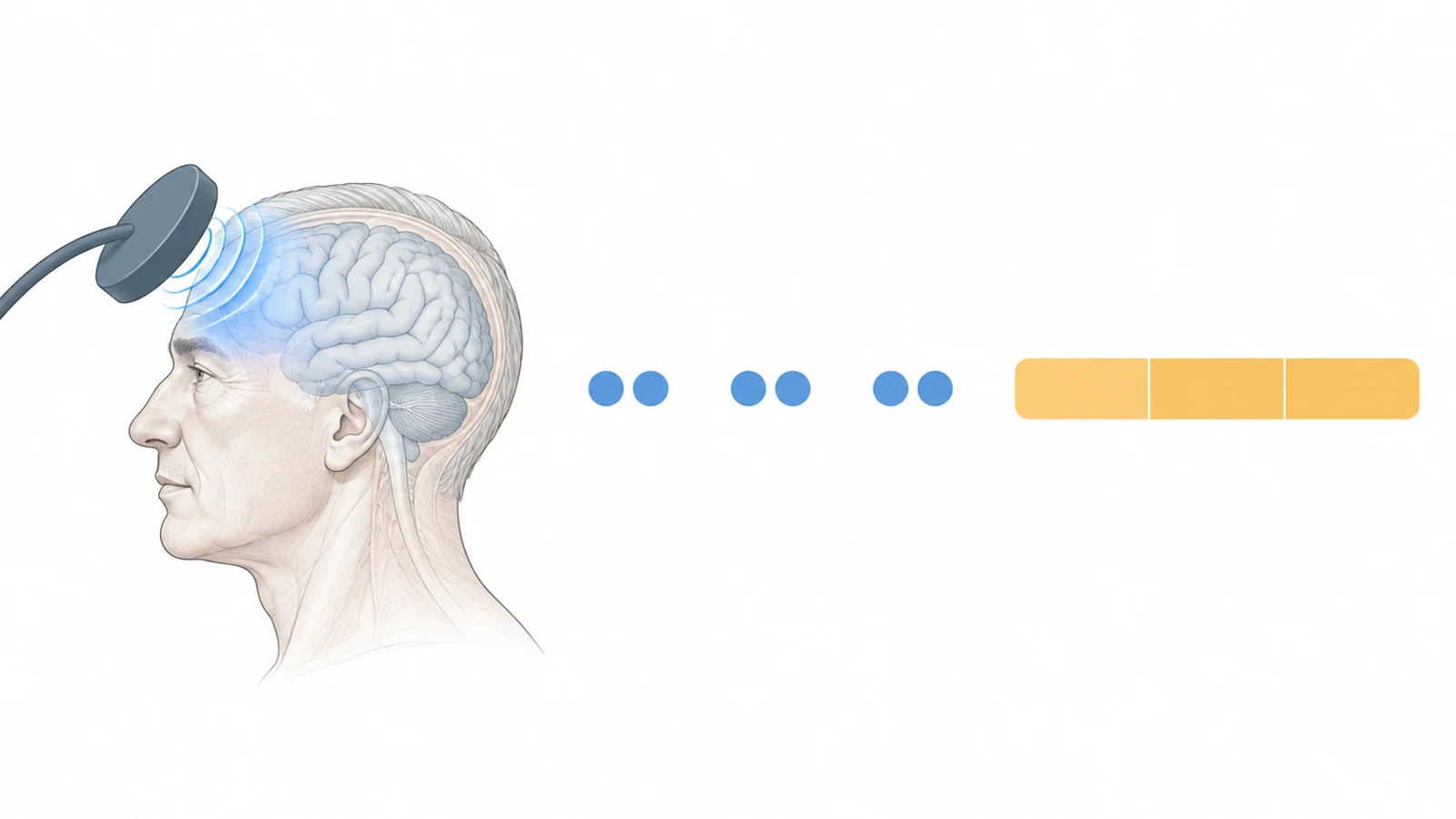 Evidence date ·
A six-session brain stimulation pilot asks whether changes in thinking could last
Clinical TrialTracked over timeA registered pilot plans six brain stimulation sessions for adults with cognitive impairment, followed by cognitive assessments over three months.
-
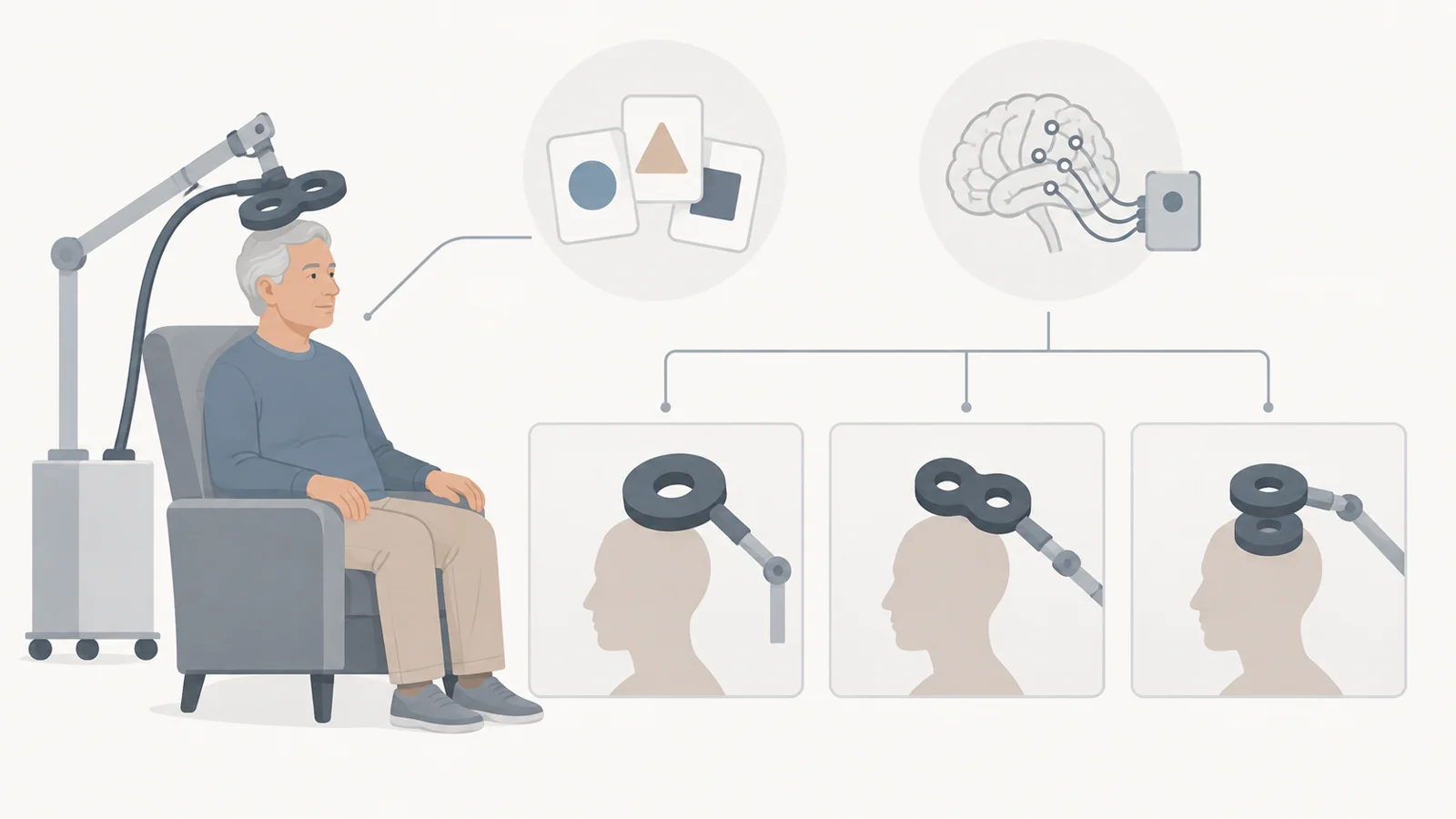 Evidence date ·
What researchers could learn from three brain stimulation coils
Clinical TrialTracked over timeA registry study plan pairs repeat thinking tests with brain recordings. See what they could reveal and why a later placebo comparison would matter.
-
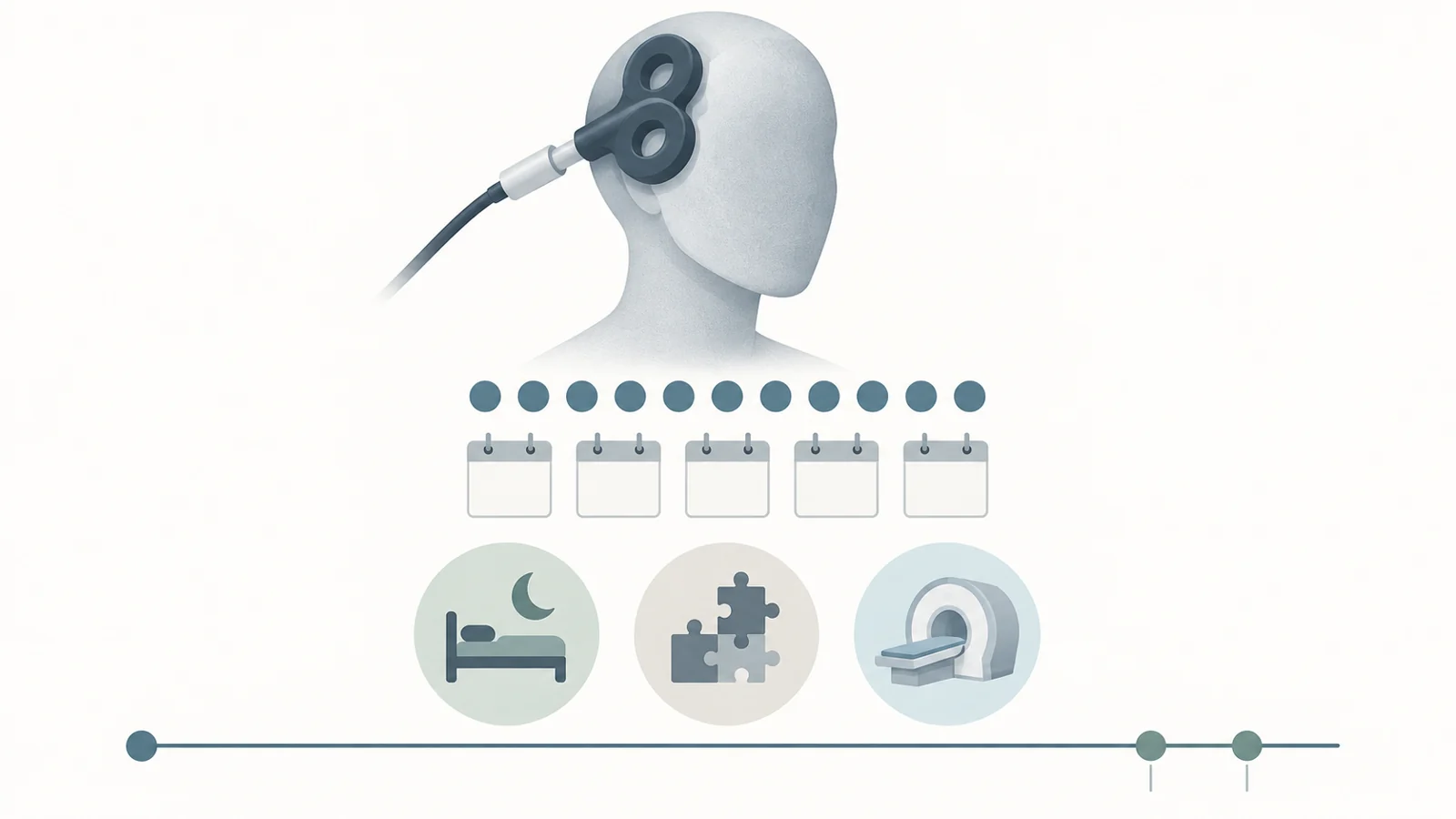 Evidence date ·
Why an Alzheimer’s study pairs five days of magnetic stimulation with sleep and thinking tests
Clinical TrialTracked over timeAn Alzheimer's trial plan compares active and sham stimulation, measures sleep and thinking separately, and checks for lasting changes after a five-day course.