
Editorial team
ioQuanta Research Desk
-
 Evidence date ·
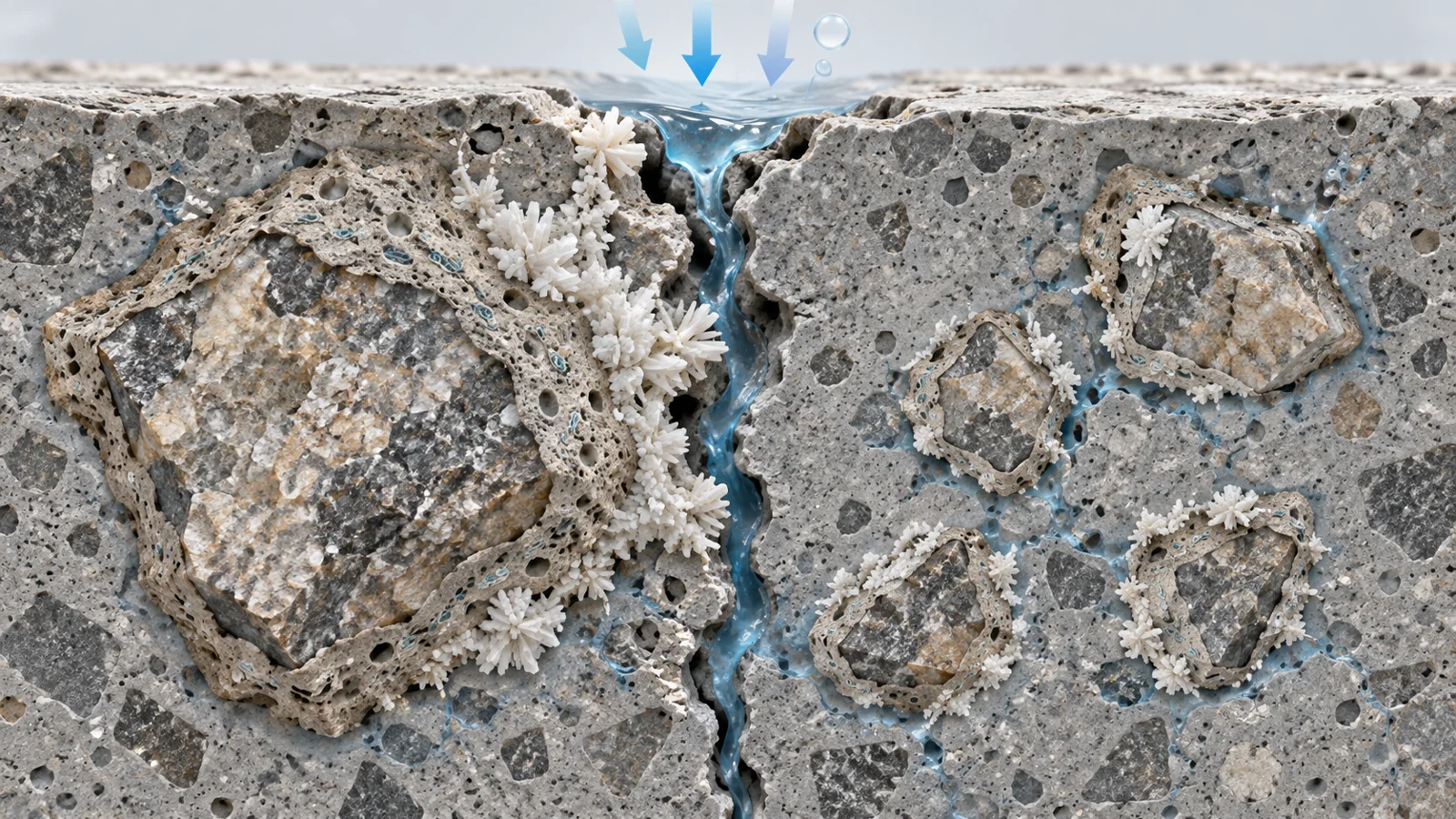
How old mortar on recycled concrete helps crack-sealing bacteria work
Peer-Reviewed PaperTracked over timeA laboratory study found coarse recycled concrete particles sealed small cracks better than fine ones, but water flow revealed why closure alone can mislead.
-
 Evidence date ·
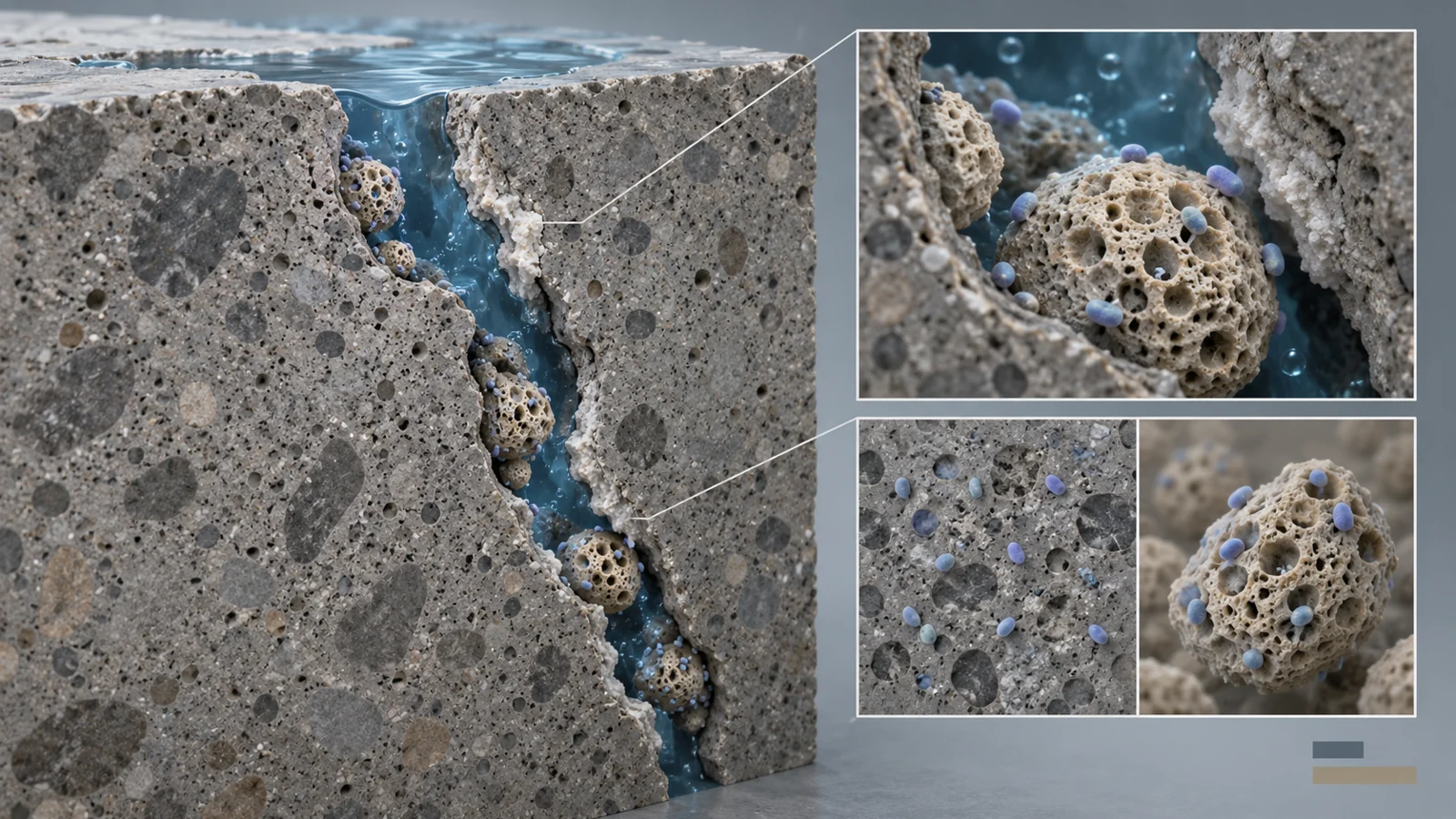
How wood ash carries bacteria into self-healing concrete
Peer-Reviewed PaperTracked over timeResearchers compared direct bacterial mixing with wood-ash carriers, then measured concrete strength—separating visible crack closure from structural recovery.
-
 Evidence date ·
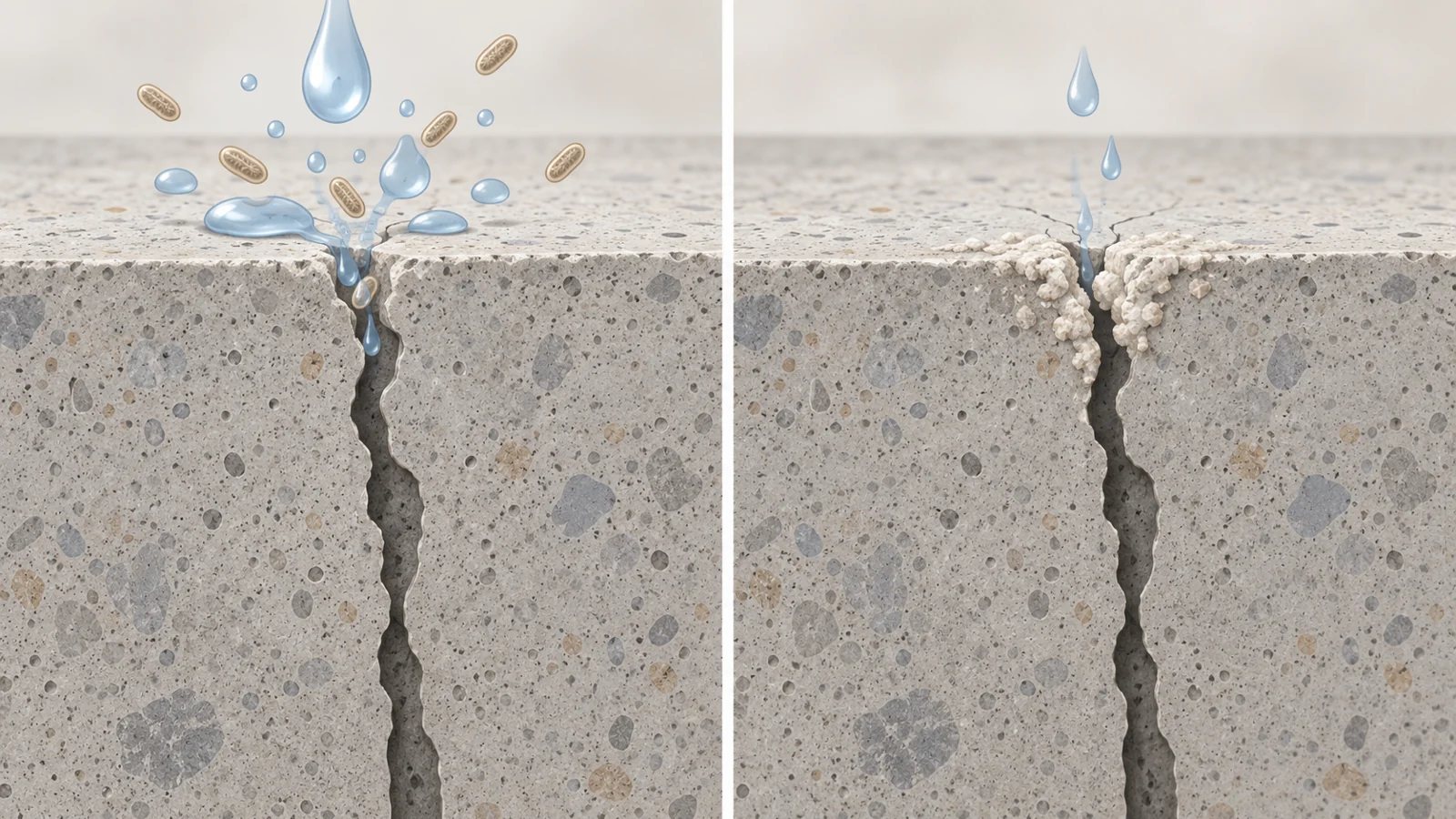
How bacterial mineral deposits formed at small concrete cracks
PreprintTracked over timeA 2022 experiment used bacterial spores and calcium nitrate, then measured crack closure and water-permeability repair after 28 days of wet–dry cycles.
-
 Evidence date ·
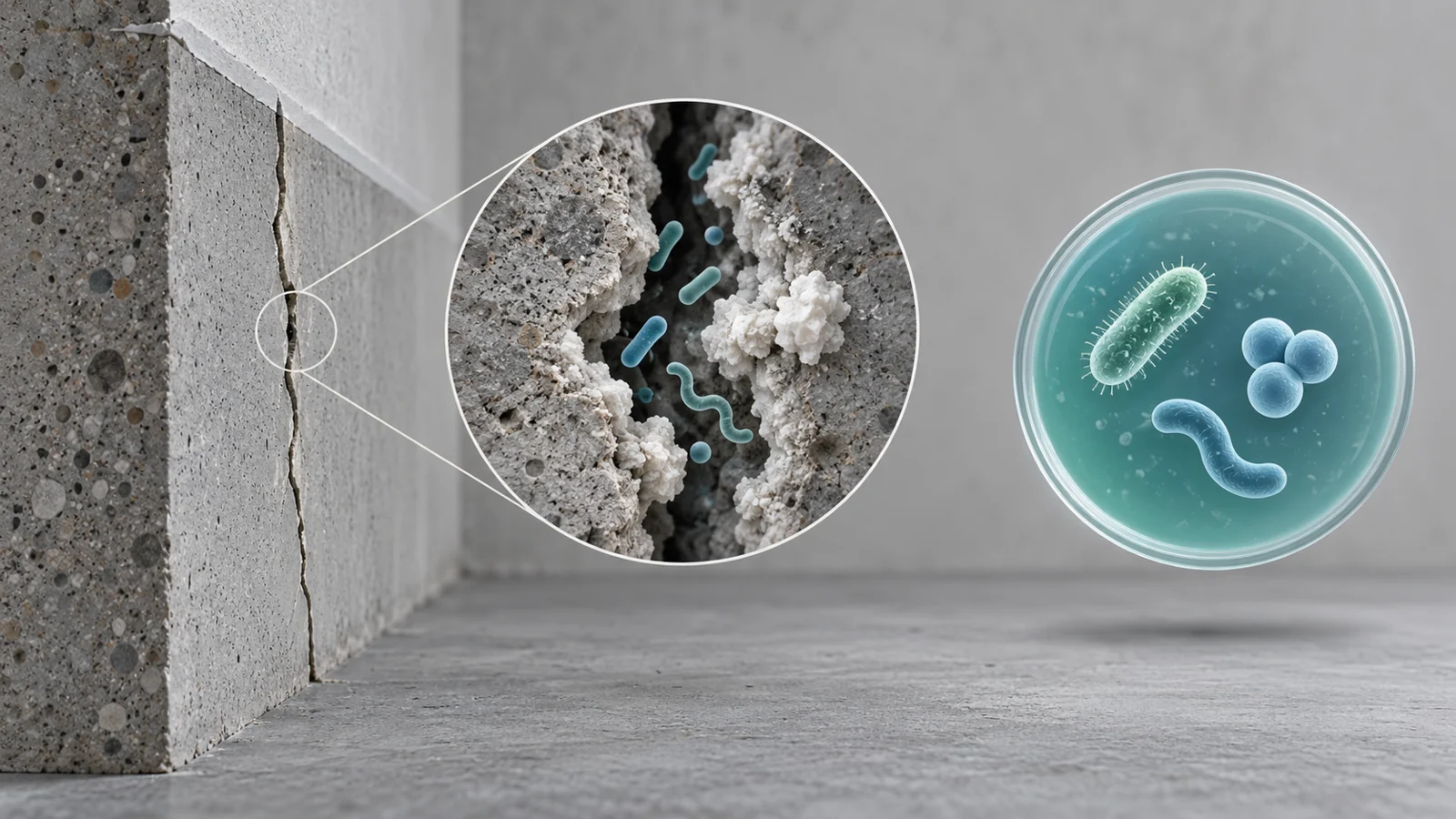
A treated wall reveals a bacterial mix for concrete surface repair
Peer-Reviewed PaperTracked over timeResearchers tracked bacteria on treated indoor concrete walls and tested a mix with improved mineral-forming capacity. Lasting crack sealing remains an open question.
-
 Evidence date ·
At a Vilnius footbridge, rain meets concrete designed to seal cracks
Peer-Reviewed PaperTracked over timeResearchers cracked bridge beams to test bacteria-assisted concrete: 14–17% laboratory crack-width reduction, plus a rain-exposed field experiment.
-
 Evidence date ·
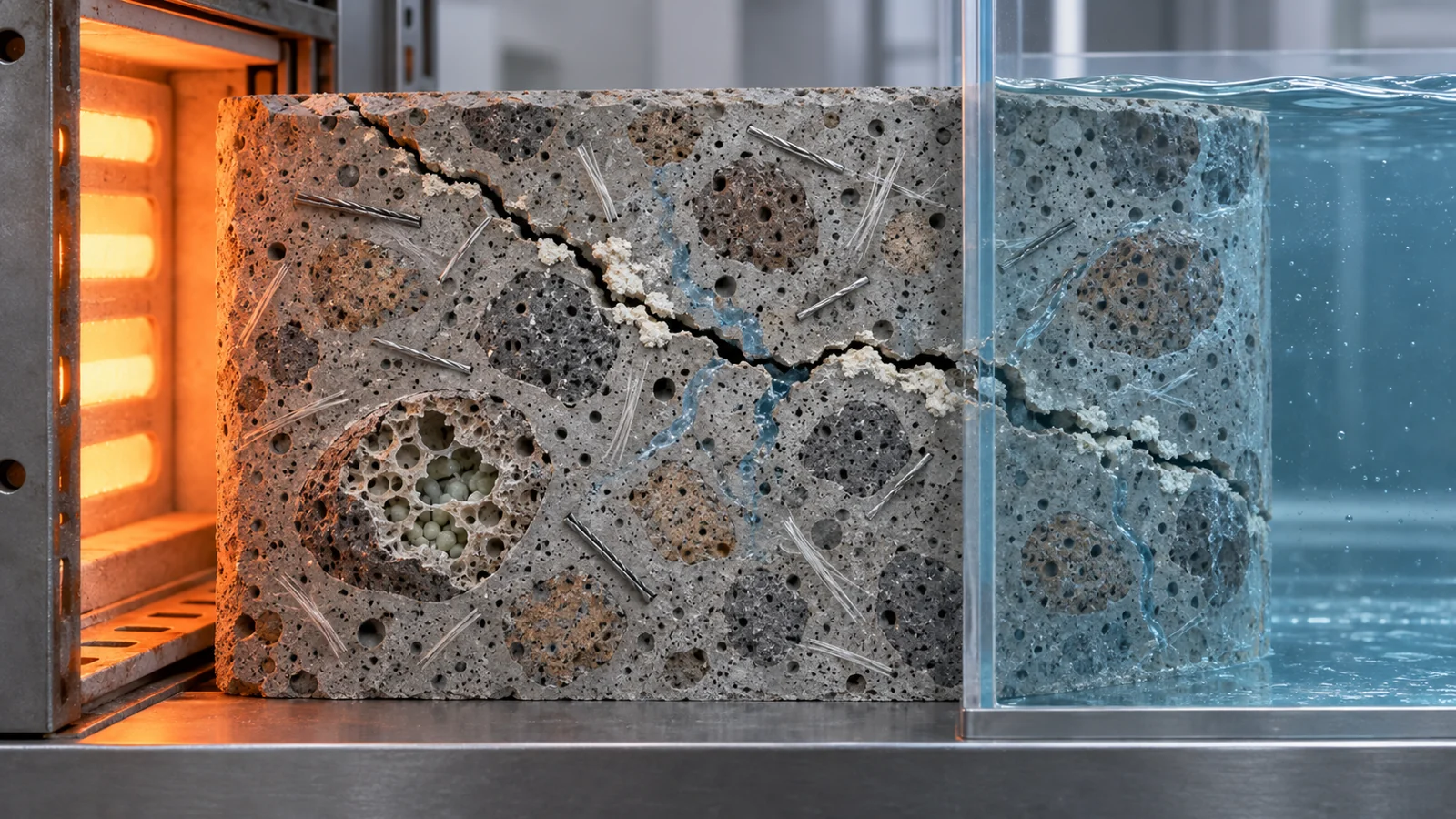
What can bacteria help repair inside lightweight concrete after severe heating?
Peer-Reviewed PaperTracked over timeA 500 °C lab test found lower water uptake after 28 days of curing, while strength and stiffness diverged; it was not building-safety proof.
-
 Evidence date ·
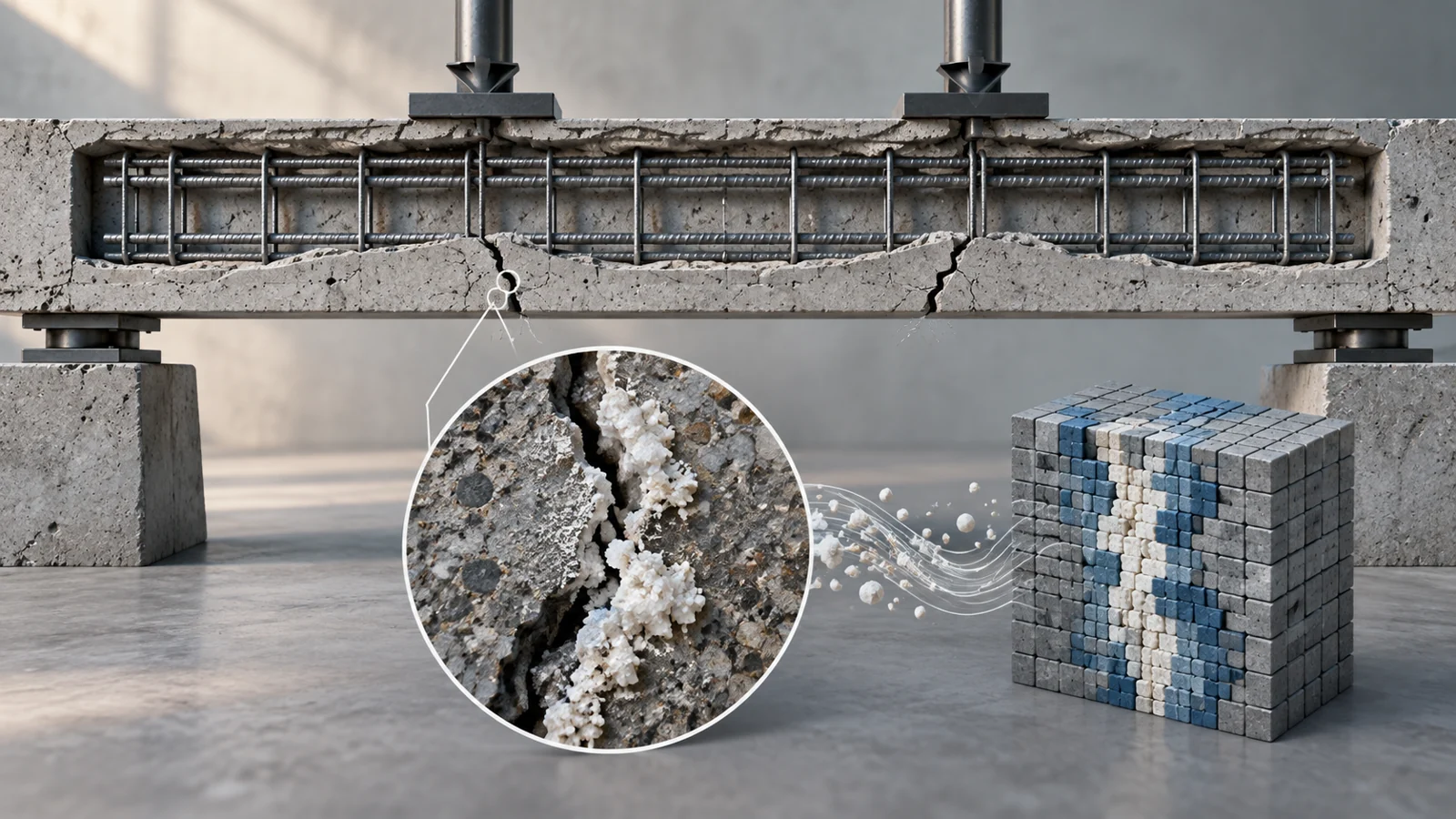
A computer model separates carrying more from bending less in bacterial concrete
Peer-Reviewed PaperTracked over timeA beam simulation predicts a 20.2% capacity gain for one bacterial mix, while showing why carrying more load and bending less are different outcomes.
-
 Evidence date ·
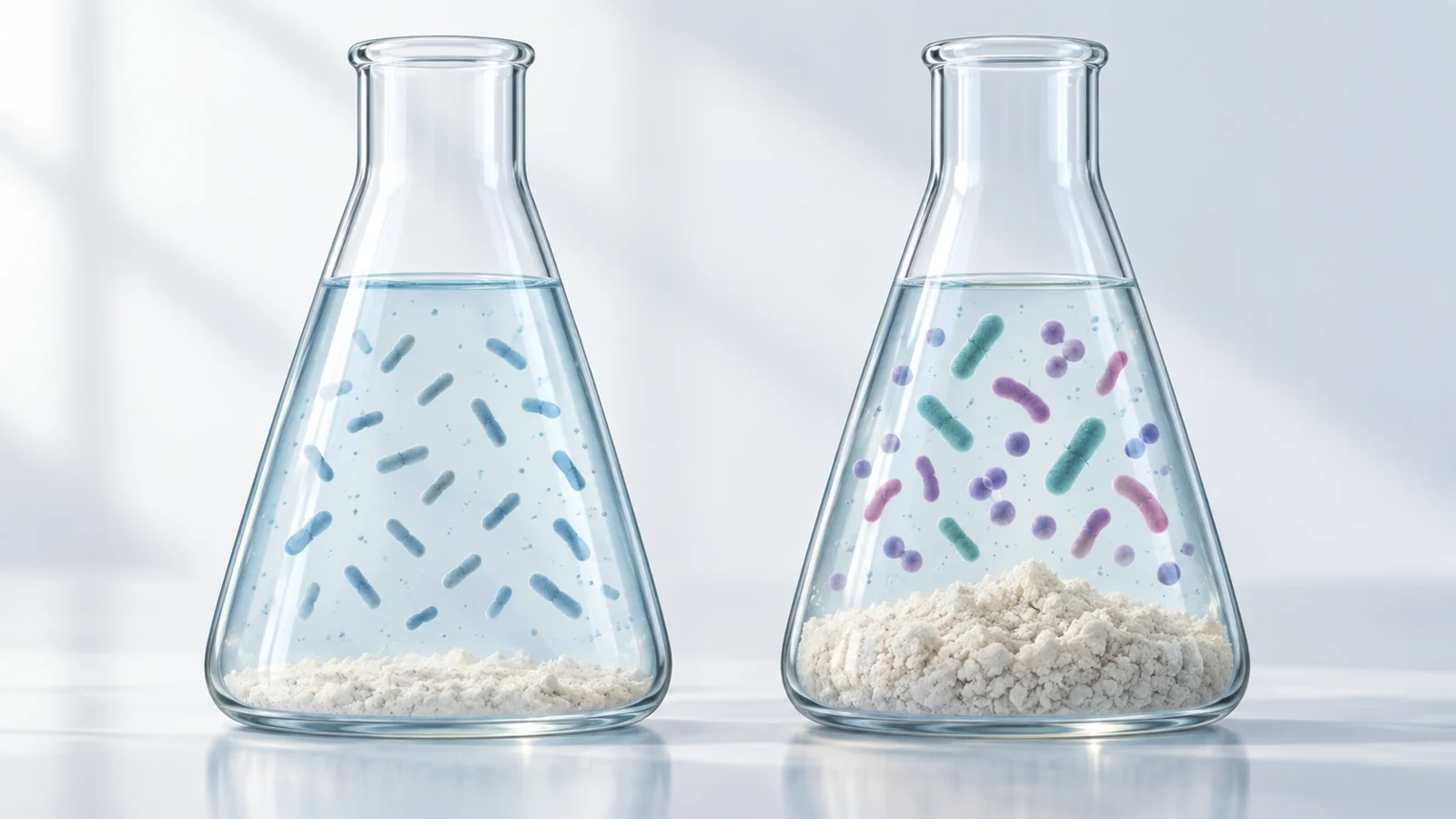
A bacterial mixture increased the mineral produced
Peer-Reviewed PaperTracked over timeA three-strain bacterial mixture made 1.4 times as much calcium carbonate as a reference strain; the result does not establish better crack sealing.
-
 Evidence date ·
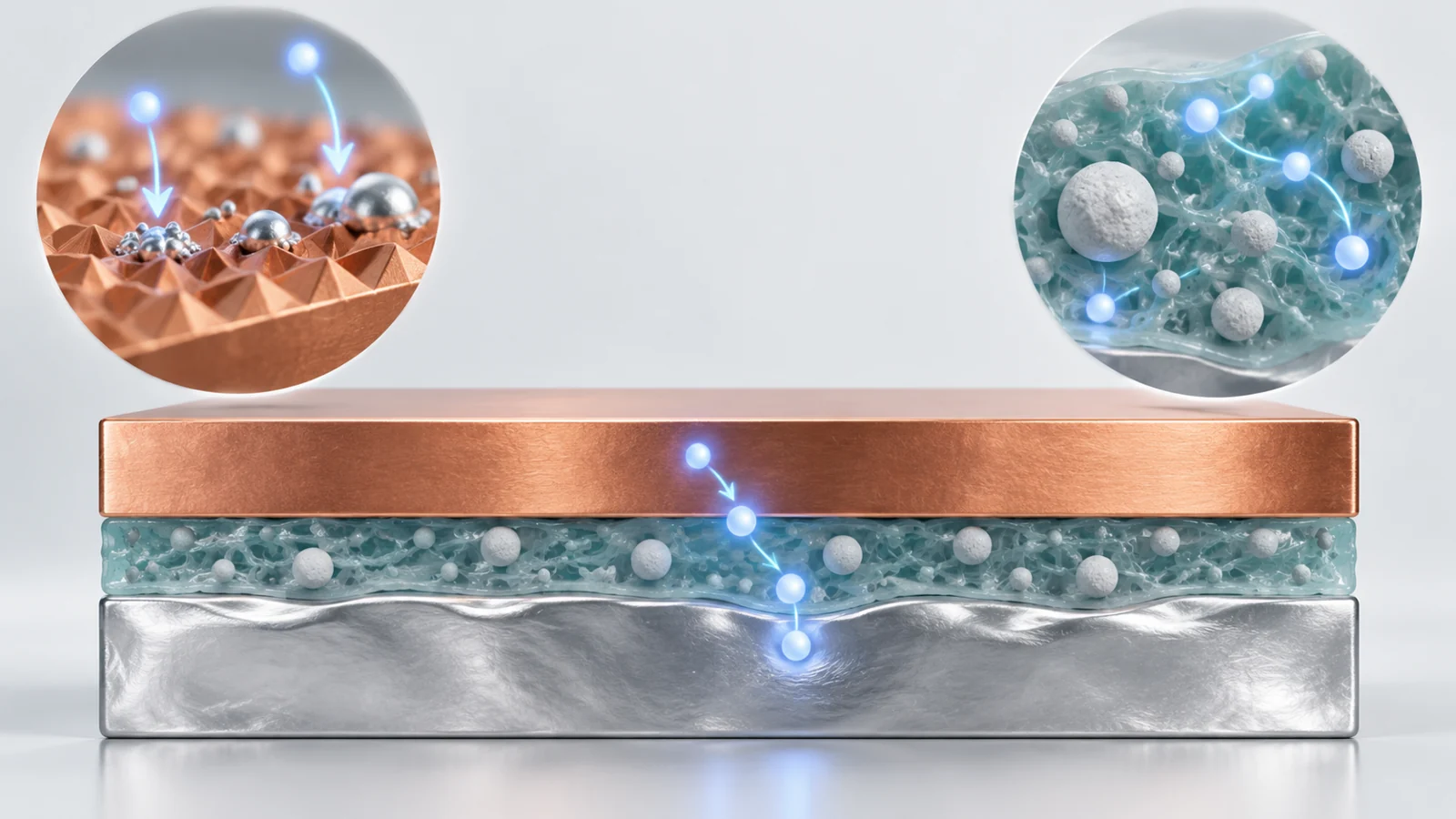
How researchers tune a battery interface to carry lithium ions
Peer-Reviewed PaperTracked over timeA separator-free lithium test links salt concentration to 85% first-cycle charge recovery, while surface control and ceramic reinforcement target deposition and strength.
-
 Evidence date ·
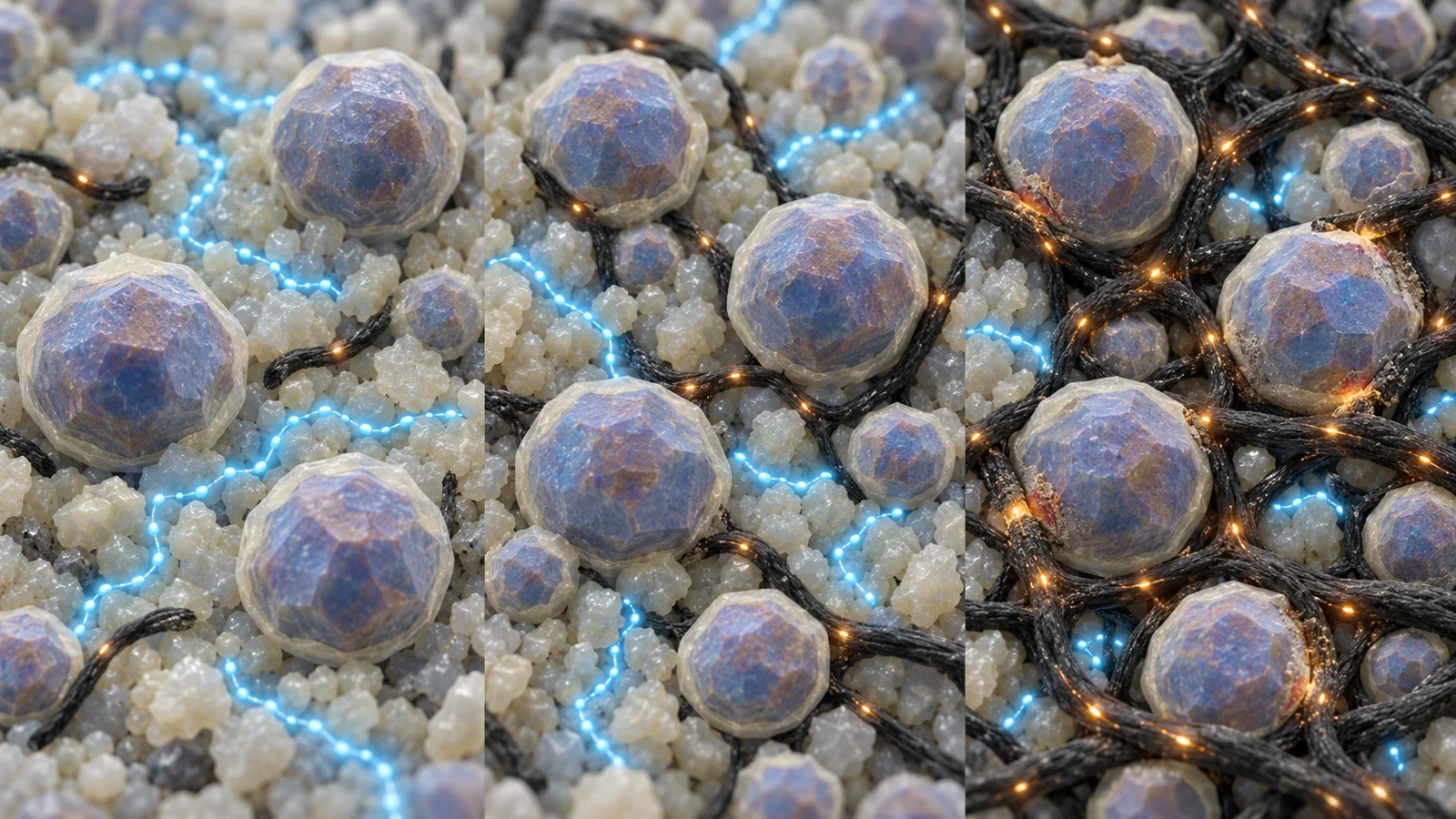
How carbon and a protective coating shape a solid-state battery’s life
PreprintTracked over timeA July 2026 preprint compares 0%, 2% and 3% carbon in a coated cathode, reports cycling from −20 to 60 °C, and identifies hurdles before practical cells.