
Explore progress
Progress tracks
Long-running scientific and technological questions, followed as the evidence changes.
-
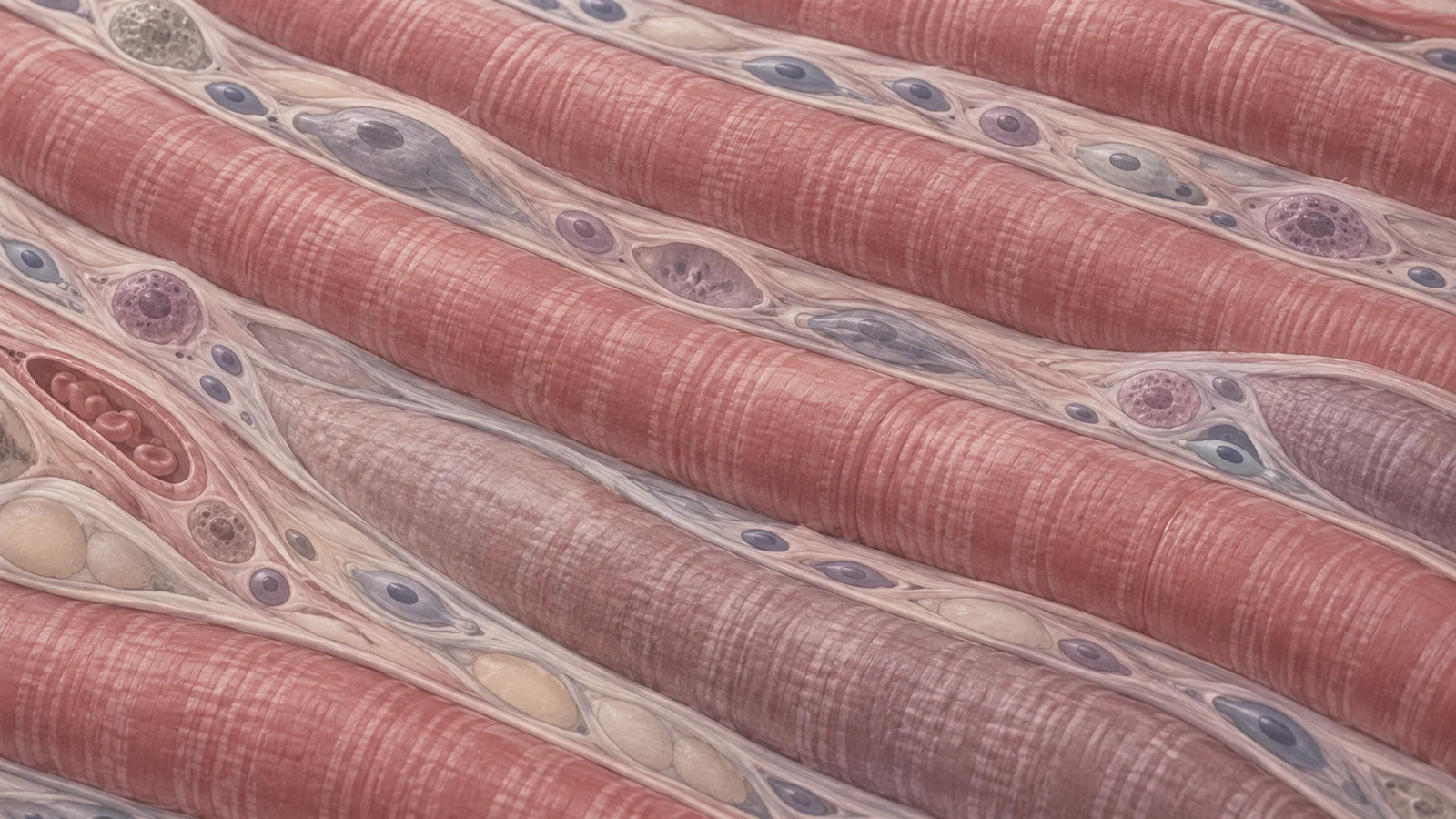
Cellular senescence in aging skeletal muscle
Early ResearchDiscovery ClusterHow does cellular senescence in aging skeletal muscle relate to changes in muscle structure and physical function?
Main bottleneck: Current evidence does not establish whether senescence can be characterized reliably across human muscle samples or whether its associations with muscle structure and function reflect a contribution to decline.
-
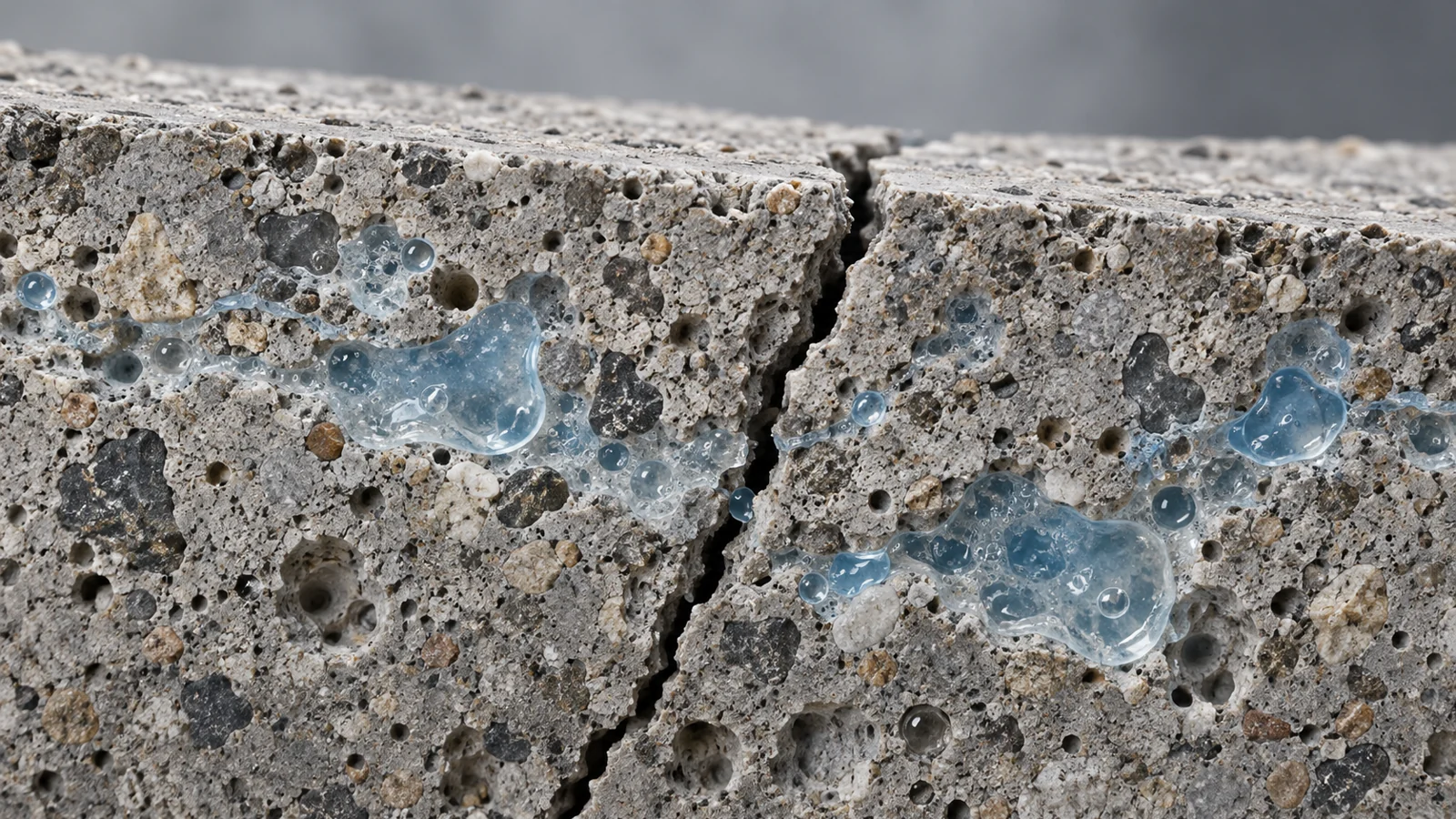
Hydrogel-enabled self-healing in cementitious materials
Early ResearchDiscovery ClusterCan hydrogels help cement-based materials heal damage while maintaining the mechanical performance needed for applications such as mine backfill?
Main bottleneck: The supplied records do not establish whether healing and adequate mechanical performance occur together under conditions relevant to the intended application.
-
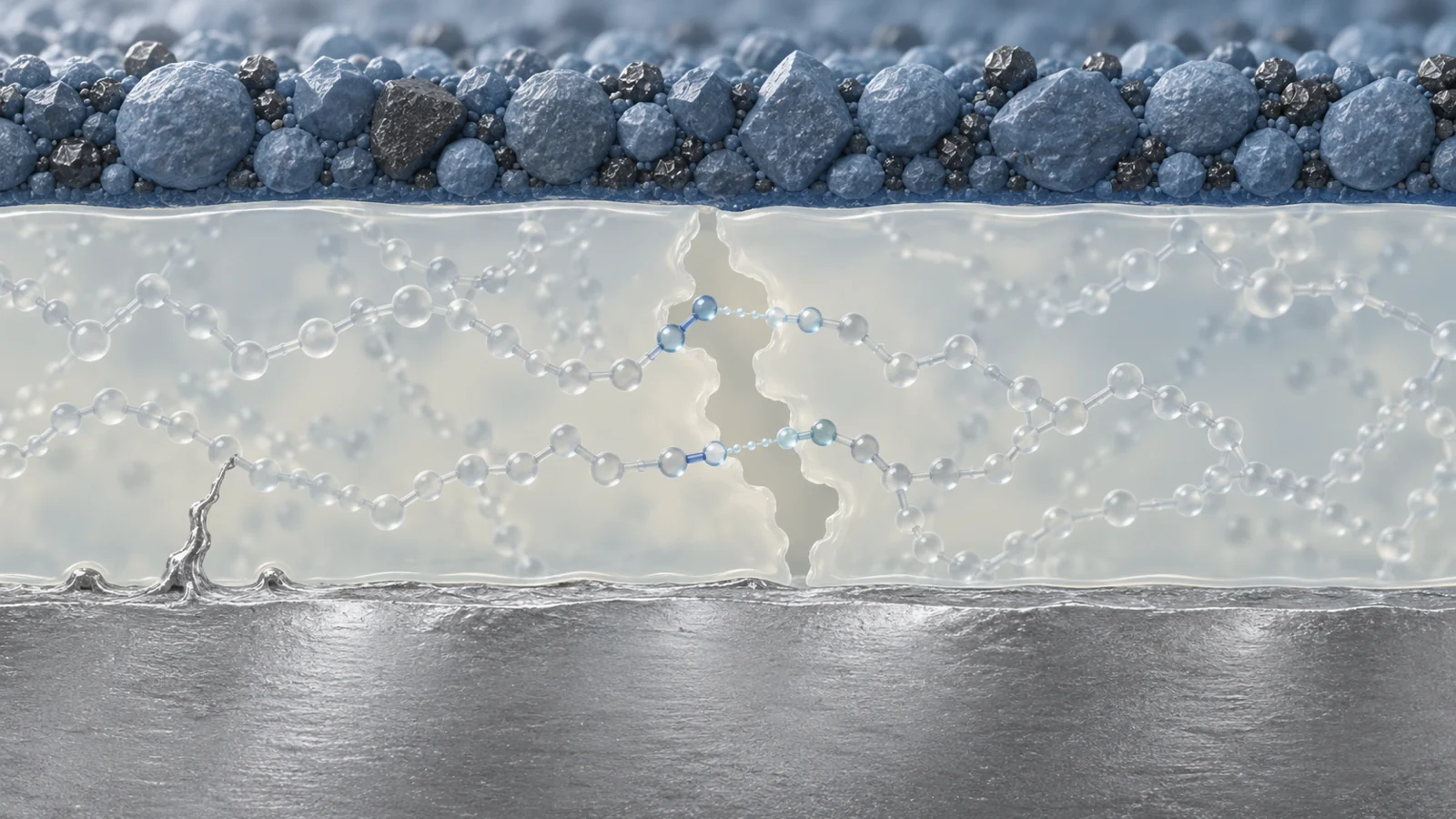
Self-Healing Electrolytes for Lithium-Metal Batteries
Early ResearchTechnology TrackCan self-healing polymer electrolytes sustain stable lithium-metal battery operation at high voltages and in anode-free designs?
Main bottleneck: The unresolved question is whether self-healing remains effective during repeated battery cycling while supporting high-voltage operation, particularly as the approach extends to anode-free designs.
-

Crystalline Admixtures for Concrete Self-Healing
Early ResearchDiscovery ClusterCan crystalline admixtures produce reliable, lasting crack sealing in concrete?
Main bottleneck: The key evidence gap is whether the healing products deliver repeatable, lasting crack sealing in concrete; the supplied study records do not establish that performance.
-
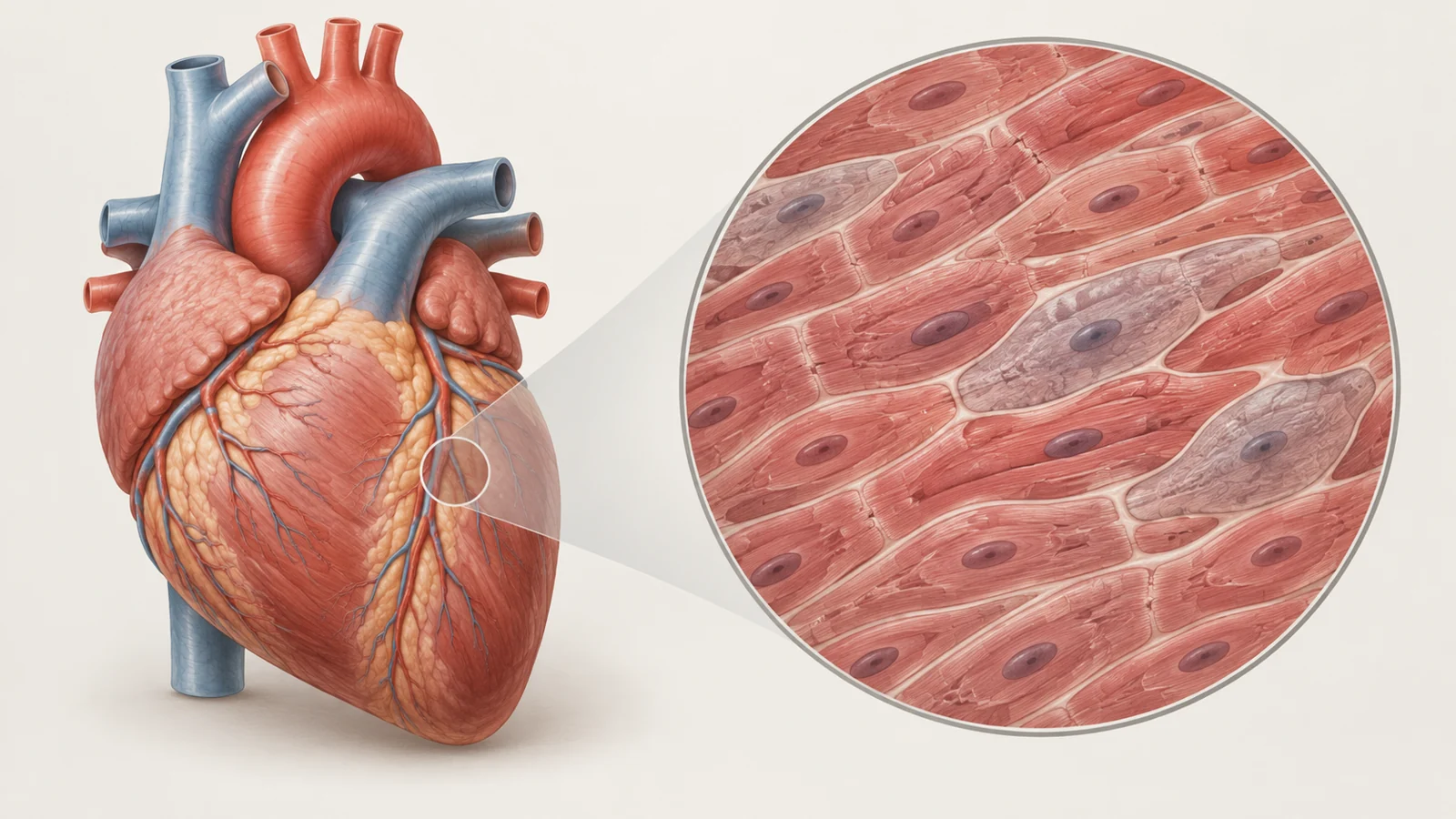
Senescence in diabetic cardiomyopathy
Early ResearchDiscovery ClusterCan targeting diabetes-induced cellular senescence improve heart repair and function in diabetic cardiomyopathy?
Main bottleneck: Establishing whether reducing senescent cells or their secreted signals can reliably improve cardiac regeneration and function, beyond evidence linking them to impairment.
-
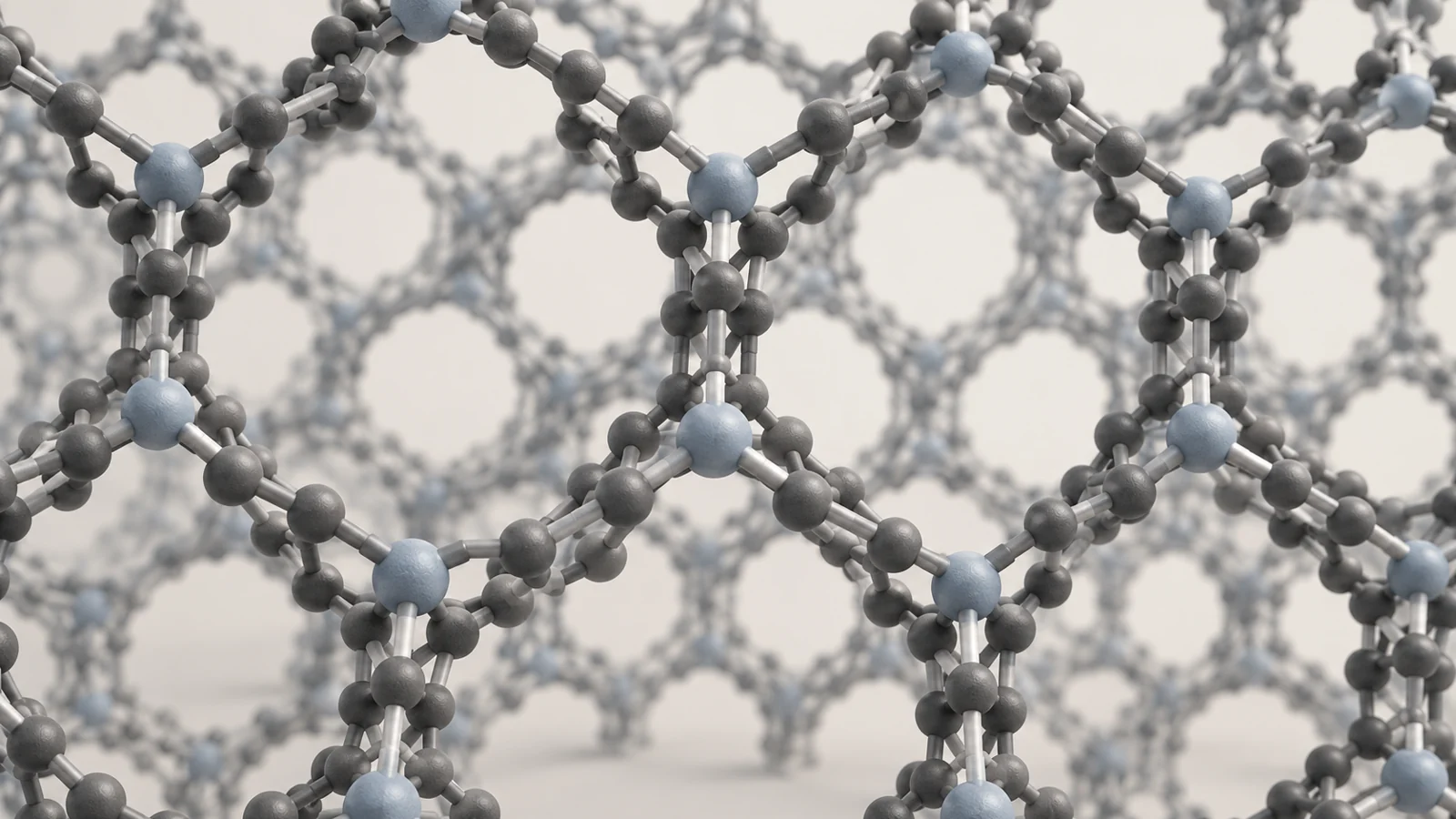
Three-dimensional covalent frameworks for cancer immunotherapy
Early ResearchDiscovery ClusterCan three-dimensional covalent organic frameworks produce a reproducible immune response against cancer with acceptable safety?
Main bottleneck: The bounded evidence does not establish whether the different framework designs deliver consistent cancer-directed immune benefits with acceptable safety, or how their performance compares.
-

Lightweight composite sandwich design
Early ResearchDiscovery ClusterHow can composite face sheets and core designs be combined to make sandwich structures lighter while meeting load-bearing requirements?
Main bottleneck: Current evidence includes experimental and finite-element validation, but does not establish how reliably those results extend across different core and face-sheet designs.
-

CAR T Outcomes in B Cell Lymphoma
Early ResearchEvidence DossierWhich CAR T-cell approaches offer the best balance of lymphoma control and treatment safety in B-cell non-Hodgkin lymphoma?
Main bottleneck: Establishing which design and deployment changes reliably improve lymphoma control while keeping treatment harms acceptable.
-
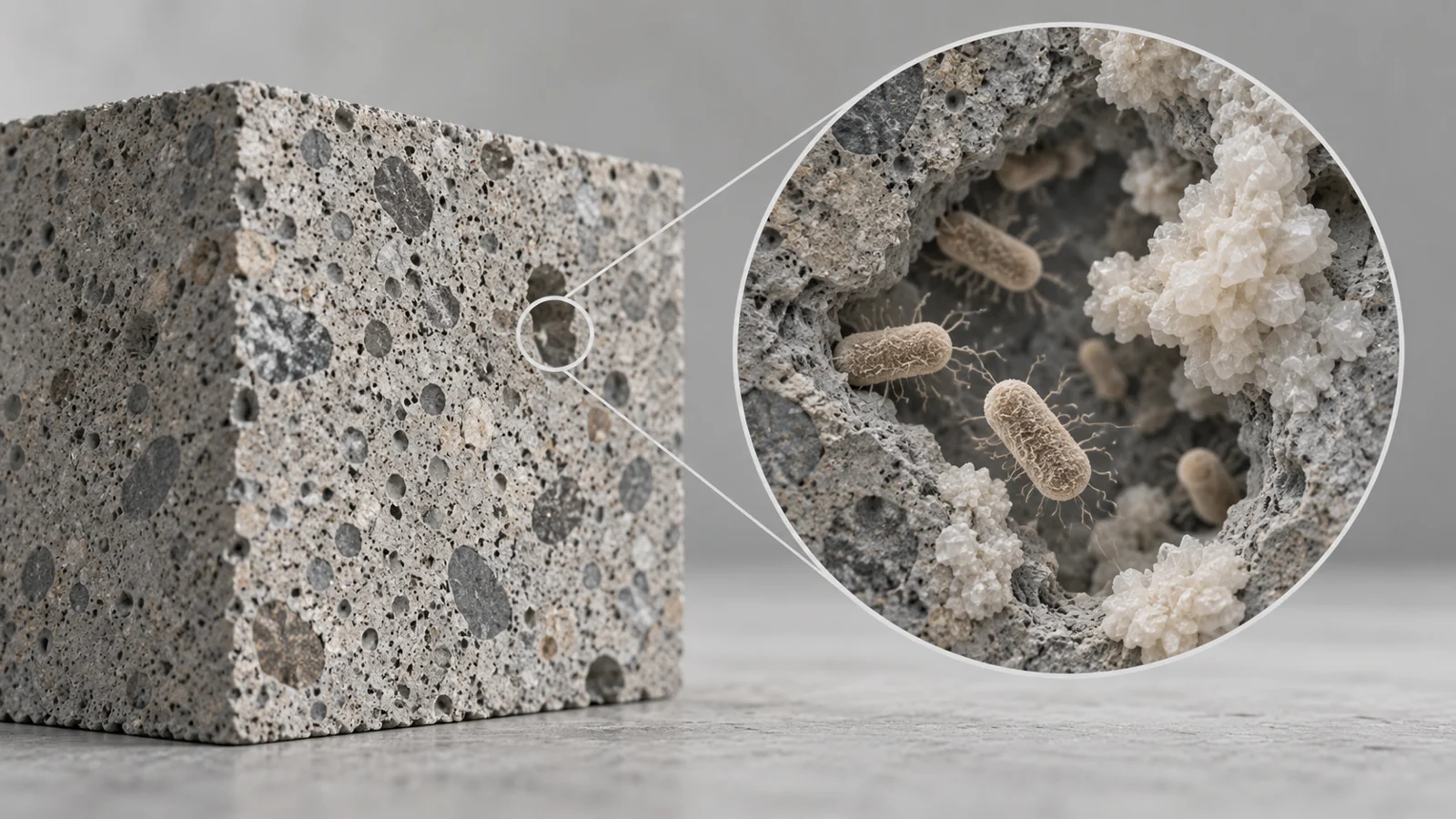
Microbial calcite precipitation for durable concrete
Early ResearchDiscovery ClusterCan bacteria-induced calcite precipitation deliver reliable, lasting improvements in concrete durability?
Main bottleneck: Current evidence does not establish whether optimised bacterial calcite precipitation produces repeatable durability gains that persist under realistic concrete exposure conditions.
-
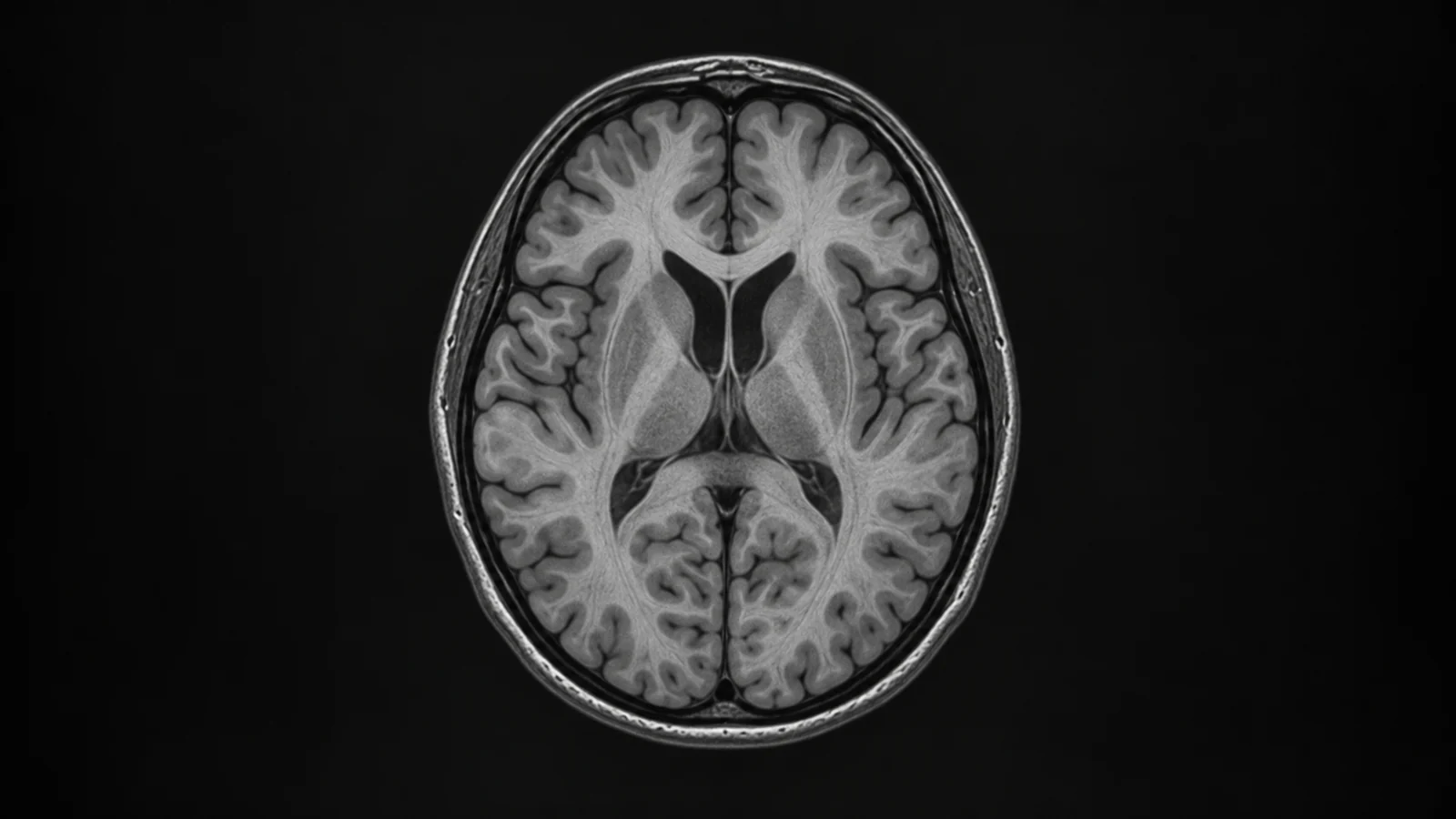
Glymphatic MRI markers in REM sleep behavior disorder
Early ResearchDiscovery ClusterCan MRI markers of glymphatic function predict how soon isolated REM sleep behavior disorder progresses to neurodegenerative disease and which form it takes?
Main bottleneck: Establishing reliable prediction from the reported associations remains unresolved; the link between higher glymphatic activity and a longer prodromal stage does not establish a protective effect.