
Three-dimensional covalent frameworks for cancer immunotherapy
Can three-dimensional covalent organic frameworks produce a reproducible immune response against cancer with acceptable safety?
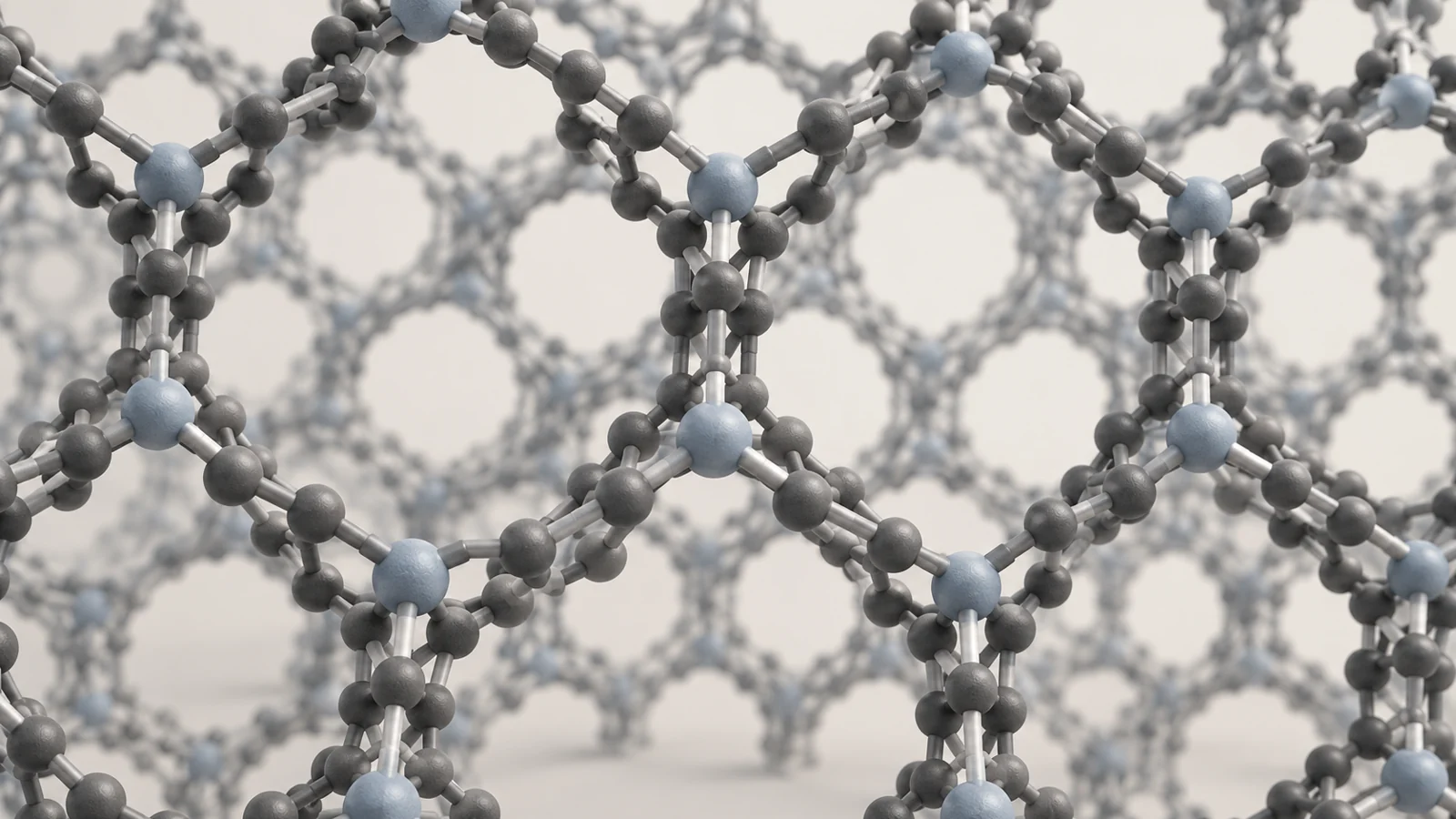
Following these frameworks could clarify whether cross-linked pore designs and copper incorporation offer meaningful advantages for cancer immunotherapy. The central value is learning which material designs translate into measurable immune benefits.
Where it stands now
Main bottleneck
The bounded evidence does not establish whether the different framework designs deliver consistent cancer-directed immune benefits with acceptable safety, or how their performance compares.
Watch next
A comparative study linking a defined three-dimensional framework design to measurable antitumor immune activity, with appropriate controls and safety measurements, including assessment of reactive oxygen species for copper-containing frameworks.
Progress timeline
How the evidence has changed over time.
2026 · 1 update
- How a porous scaffold could link tumor injury to immune actionPartly supportedResearch note 3 of 3 · Source date 2026-01-08
Since the previous research note · Partly supported
Track continuity
Since the previous research note: How a copper-containing scaffold links light-driven chemistry with immune treatment
Previous expectation: A material combining light-triggered tumor injury with immune stimulation might eventually contribute to cancer treatment if its effects proved reproducible and safe.
What this study adds: The January 8, 2026 review describes multiple preclinical frameworks connecting treatment-induced injury with immune agents, including mouse experiments reporting distant tumor suppression. This supports the broader combination strategy while leaving patient benefit and validation of the earlier specific scaffold unresolved.
Current research note
2022 · 1 update
- How a copper-containing scaffold links light-driven chemistry with immune treatmentResearch note 2 of 3 · Source date 2022-06-28
Since the previous research note · Earlier expectation not tested
Track continuity
Since the previous research note: Can a porous material help the immune system act beyond one tumor?
Previous expectation: An immune response extending beyond a treated tumor and persisting against returning disease could eventually broaden protection for people with cancer.
What this study adds: The June 2022 abstract reports a copper-containing framework combining two reactive-oxygen pathways with immune activation and tumor-growth inhibition alongside anti-PD-1. This adds a distinct material and combination-treatment strategy to the timeline.
Current research note
2021 · 1 update
- Can a porous material help the immune system act beyond one tumor?Research note 1 of 3 · Source date 2021-09-15
How this Track works
This page changes as new evidence arrives. Open any update to see what researchers found at that point in the story.