
Explore progress
Progress tracks
Long-running scientific and technological questions, followed as the evidence changes.
-
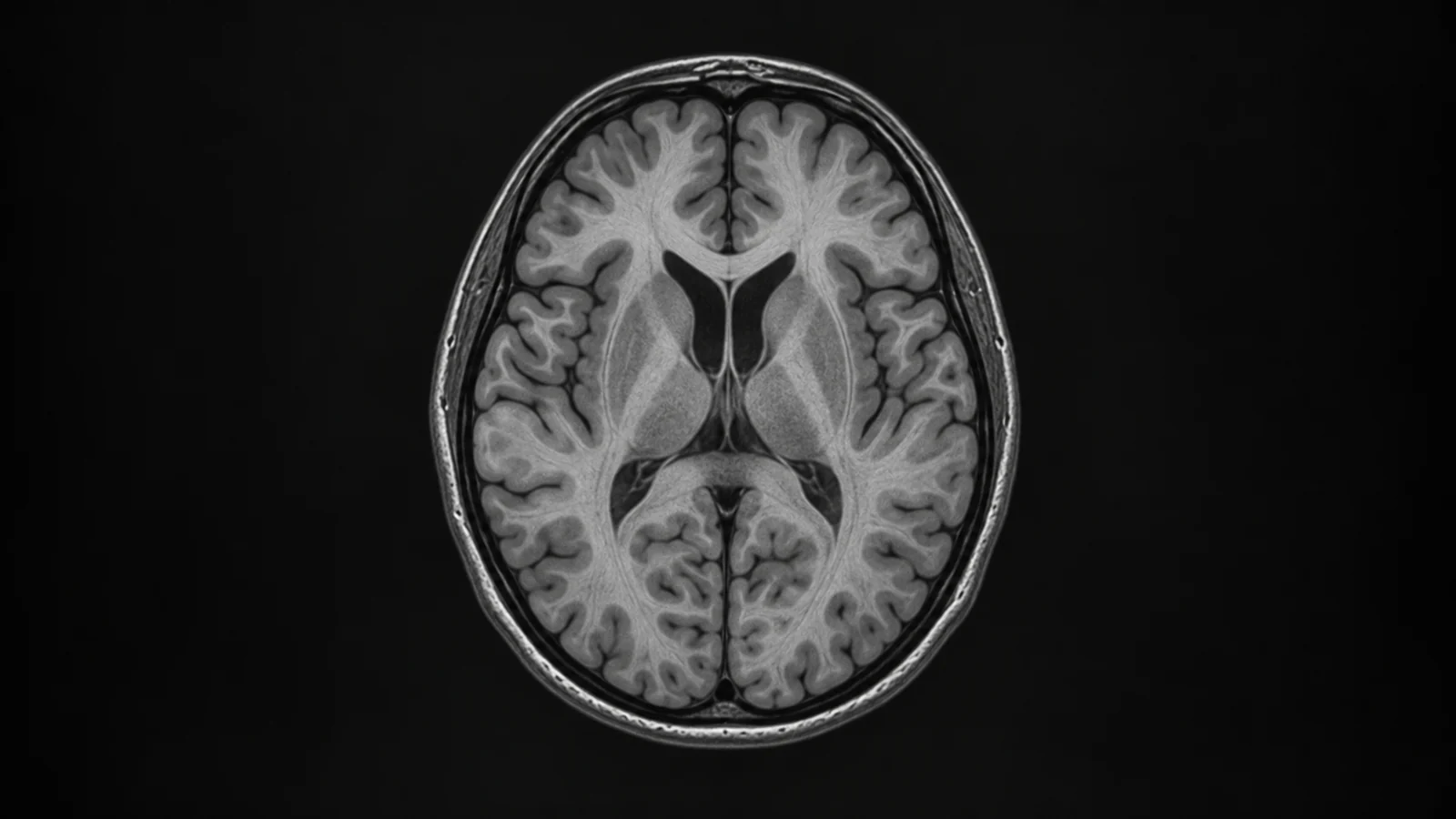
Glymphatic MRI markers in REM sleep behavior disorder
Early ResearchDiscovery ClusterCan MRI markers of glymphatic function predict how soon isolated REM sleep behavior disorder progresses to neurodegenerative disease and which form it takes?
Main bottleneck: Establishing reliable prediction from the reported associations remains unresolved; the link between higher glymphatic activity and a longer prodromal stage does not establish a protective effect.
-

Transcranial Electrical Stimulation for Sleep and Cognition
Early ResearchDiscovery ClusterCan transcranial electrical stimulation improve both sleep and cognition in older adults, and does personalizing stimulation change the benefit?
Main bottleneck: Current evidence identifies trial questions but provides no outcome data establishing benefits or showing whether personalized slow-oscillatory stimulation improves responses.
-
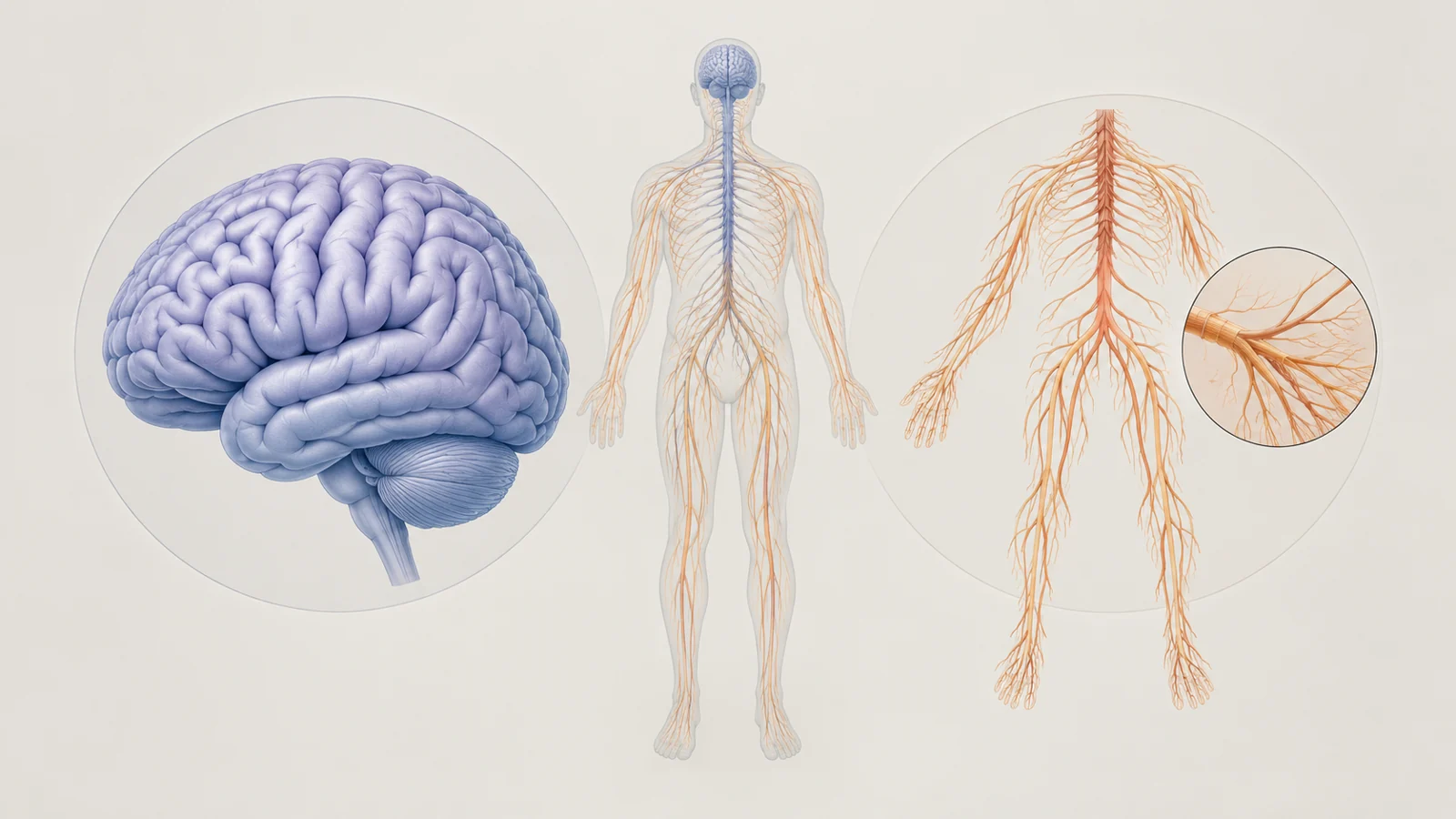
Body-First and Brain-First Parkinson’s Disease
Early ResearchDiscovery ClusterCan distinguishing body-first from brain-first Parkinson’s disease help predict how movement and cognitive symptoms will progress?
Main bottleneck: Establishing reliable criteria that distinguish the two patterns and predict their clinical course remains the central unresolved question in the supplied trajectory.
-
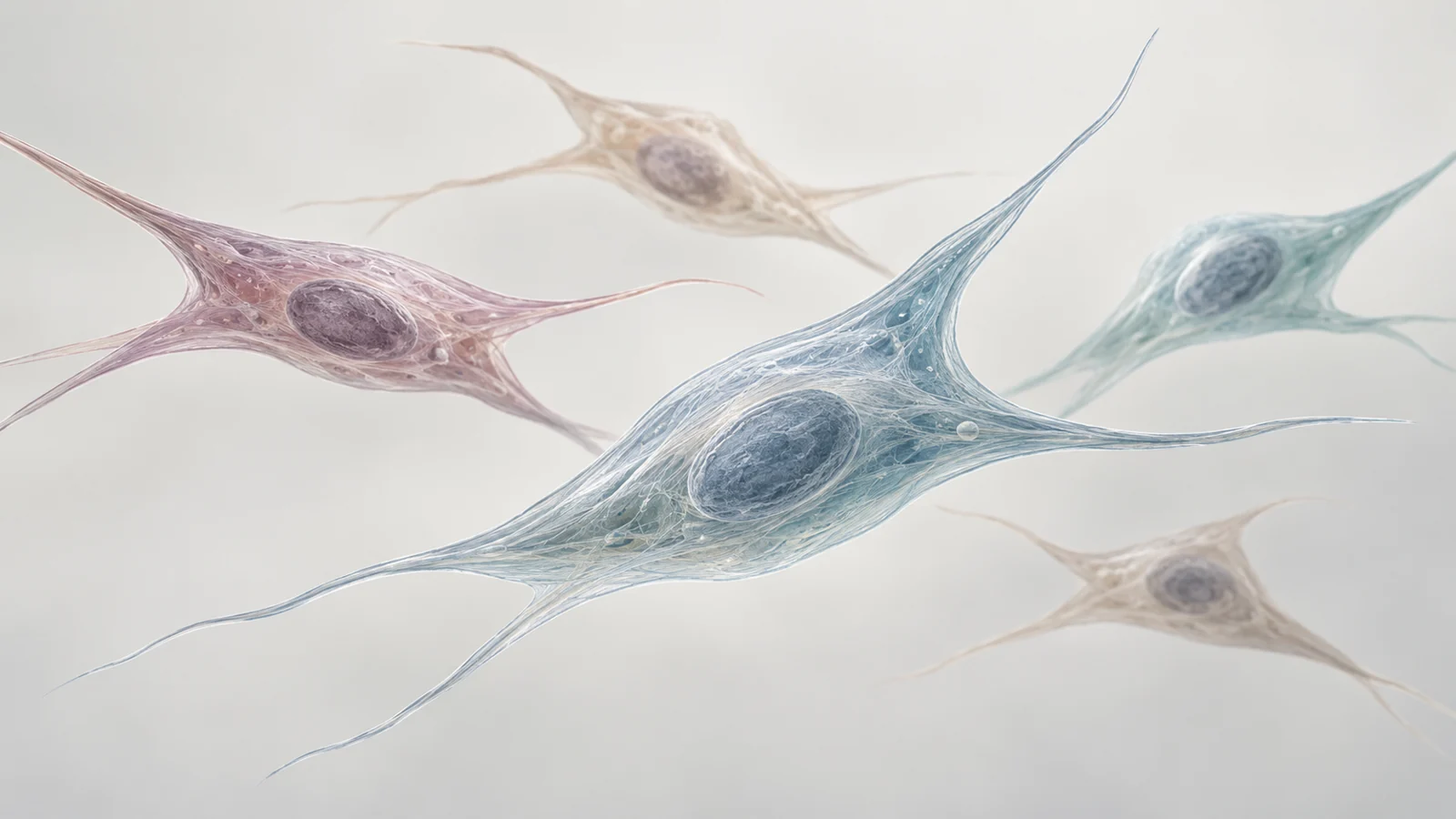
Rejuvenation of mesenchymal stromal cells
Early ResearchDiscovery ClusterCan mesenchymal stromal cells be rejuvenated while retaining the functions needed for reliable therapeutic use?
Main bottleneck: Current evidence does not establish whether rejuvenation produces durable functional improvement with consistent safety and quality across cells produced at scale.
-
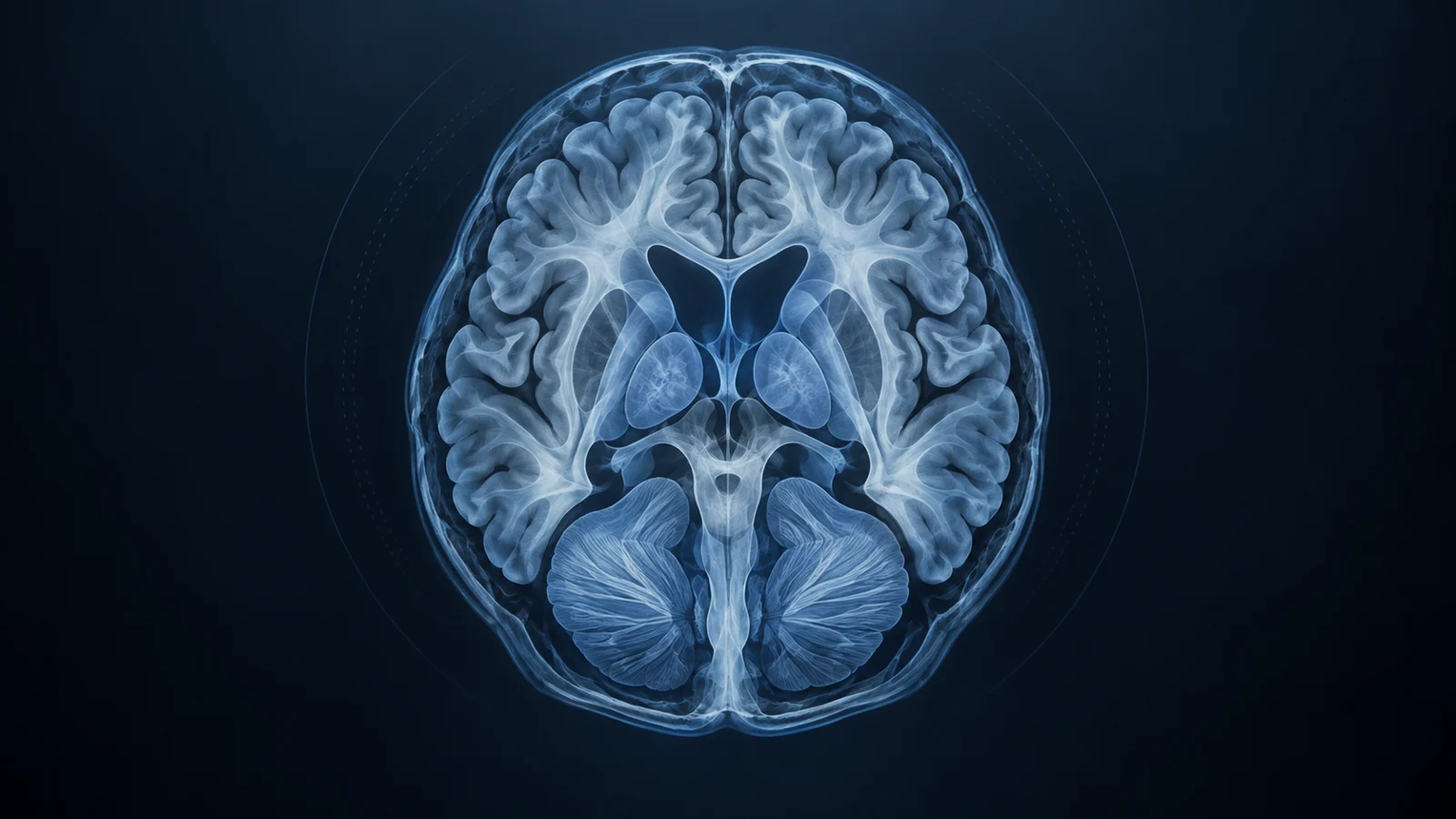
Predicting Parkinson’s Disease in REM Sleep Behavior Disorder
Early ResearchDiscovery ClusterCan brain imaging and other biomarkers reliably predict which people with REM sleep behavior disorder will develop Parkinson’s disease?
Main bottleneck: Current evidence does not establish whether these approaches reliably predict later Parkinson’s diagnoses in people with REM sleep behavior disorder.
-

Measured Sleep and Cognitive Aging
Early ResearchDiscovery ClusterCan repeated sleep measurements help identify which older adults will experience worsening memory and cognition?
Main bottleneck: Current evidence does not establish whether measured sleep predicts later cognitive change or whether remote monitoring can reliably sustain the follow-up needed to distinguish prediction from cross-sectional association.
-

Slow-Wave Sleep and Neurodegenerative Decline
Early ResearchEvidence DossierCan changes in slow-wave sleep predict later cognitive decline in aging adults and neurodegenerative progression in people with isolated REM sleep behavior disorder?
Main bottleneck: Establishing whether slow-wave changes independently predict later decline, and whether they contribute to degeneration or reflect changes already underway.
-
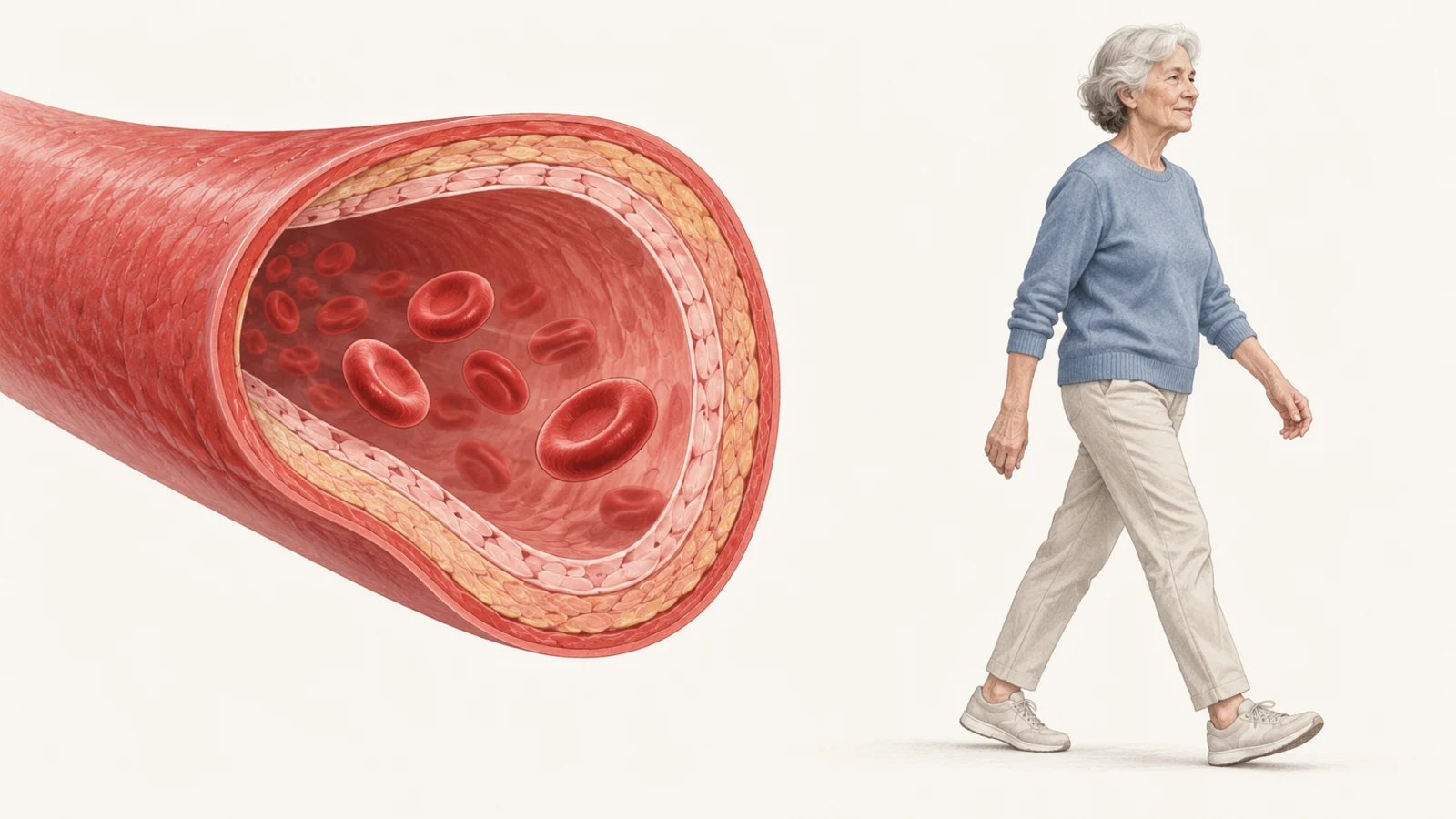
Fisetin for Vascular Function and Mobility
Human TrialTechnology TrackCan fisetin improve vascular function in older adults and reduce mobility impairment in people with PAD?
Main bottleneck: The available trial records provide no outcomes establishing whether fisetin improves vascular function or mobility, or whether changes in senescence translate into functional benefits.
-

Non-REM Sleep Biomarkers of Neurodegeneration
Early ResearchDiscovery ClusterCan non-REM sleep biomarkers reliably distinguish neurodegenerative disorders and reveal disease-related changes over time?
Main bottleneck: The bounded evidence does not establish whether repeatable sleep biomarker profiles reliably distinguish disorders or track disease progression; consistency and an amyloid-β association alone do not demonstrate that capability.
-

Digital Mindfulness for Dementia Caregivers
Early ResearchDiscovery ClusterCan VR and wearable biofeedback make mindfulness a useful, practical support for family caregivers of people with dementia?
Main bottleneck: The bounded trial records do not establish whether either approach delivers lasting caregiver benefits or is practical to use consistently.