
Senescence in diabetic cardiomyopathy
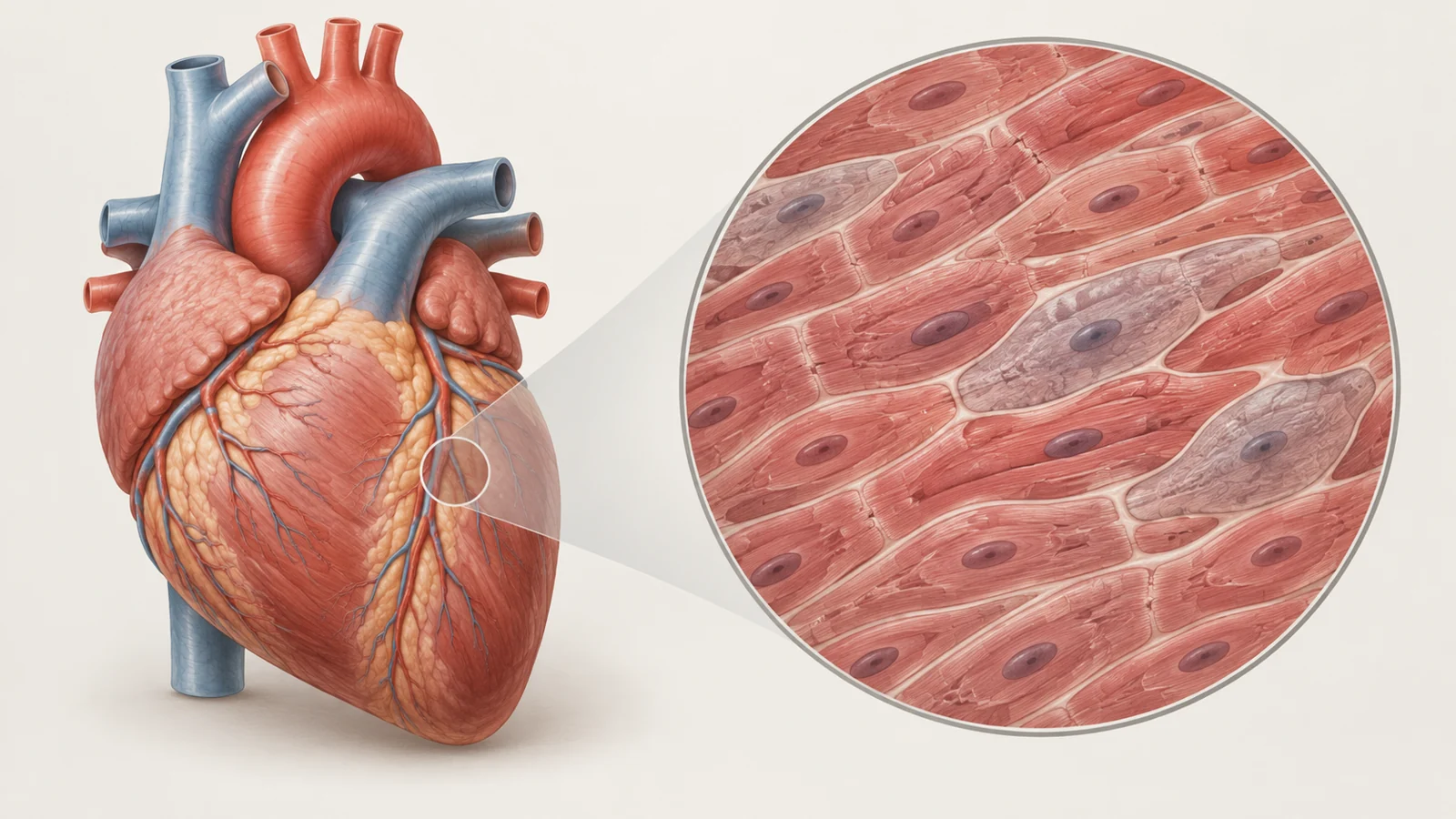
Can targeting diabetes-induced cellular senescence improve heart repair and function in diabetic cardiomyopathy?
Following this research could clarify how diabetes impairs heart repair independently of age and whether cellular senescence offers a useful target for intervention.
Where it stands now
Main bottleneck
Establishing whether reducing senescent cells or their secreted signals can reliably improve cardiac regeneration and function, beyond evidence linking them to impairment.
Watch next
A controlled study showing that targeting senescence or its secreted signals improves cardiac repair and function in diabetes, with age effects accounted for.
Progress timeline
How the evidence has changed over time.
2022 · 1 update
- How diabetes can disrupt heart repair cells before old agePartly supportedResearch note 2 of 2 · Source date 2022-05-01
Since the previous research note · Partly supported
Track continuity
Since the previous research note: How ageing immune cells may strain the diabetic heart’s fuel system
Previous expectation: Targeting harmful senescent cells might help people with type 2 diabetes retain heart-muscle function if causal links, selective targeting and patient benefit could be established.
What this study adds: The May 2022 study reports restored expansion and differentiation in cultured human cardiac stem/progenitor cells after senescent-cell clearance and improved cardiac function in diabetic mice. This supports an experimental route toward the broader expectation but does not directly test the earlier immune-cell and fuel-metabolism explanation or establish benefit in patients.
Current research note
2021 · 1 update
- How ageing immune cells may strain the diabetic heart’s fuel systemResearch note 1 of 2 · Source date 2021-10-07
How this Track works
This page changes as new evidence arrives. Open any update to see what researchers found at that point in the story.