
Explore progress
Progress tracks
Long-running scientific and technological questions, followed as the evidence changes.
-
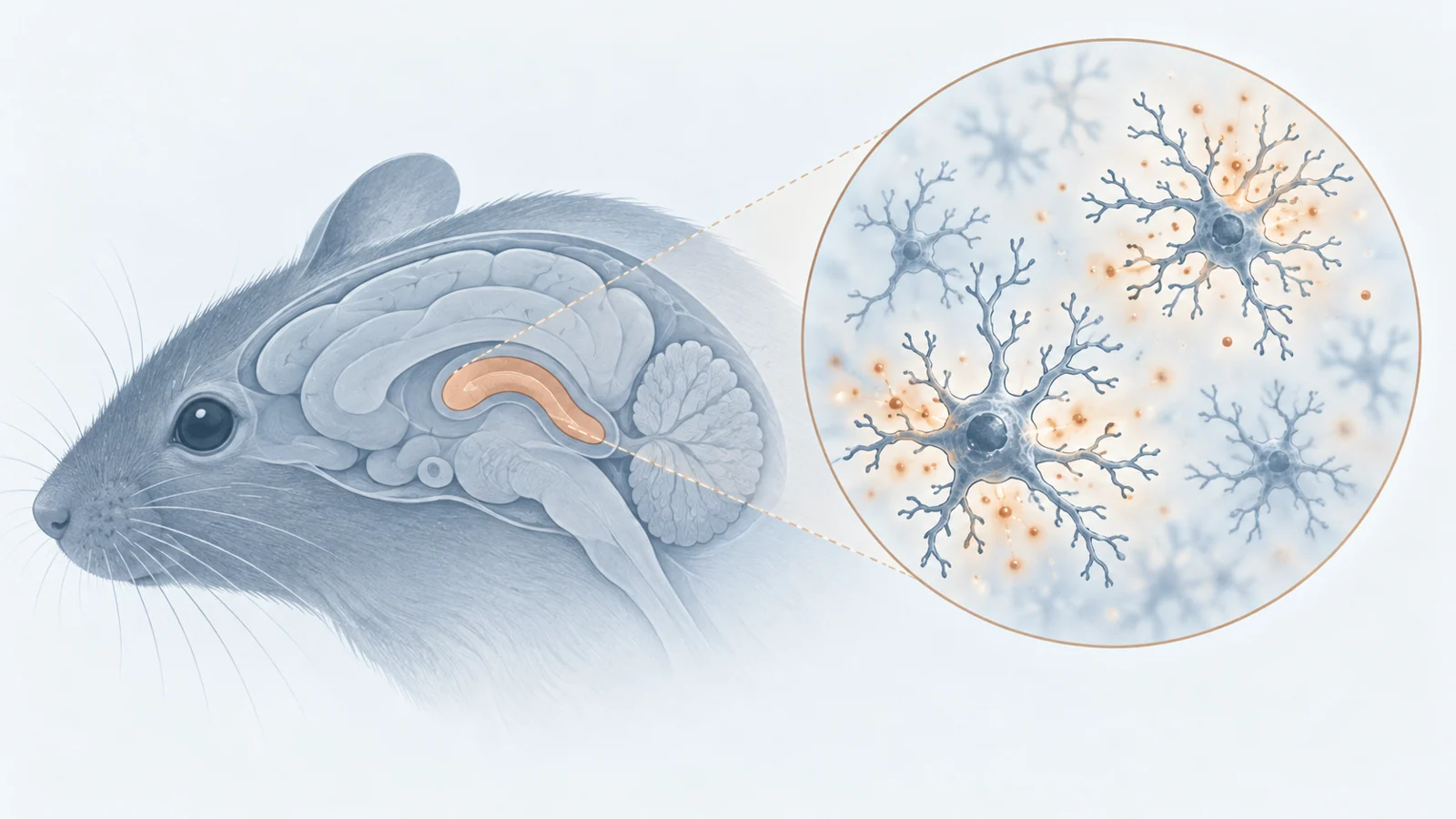
Microglial Senescence and Age-Related Neuroinflammation
Early ResearchDiscovery ClusterDoes microglial senescence drive age-related brain inflammation differently in females and males?
Main bottleneck: The bounded evidence does not establish whether the contribution described in the aging mouse hippocampus extends to humans or whether targeting microglial senescence can safely reduce neurodegeneration.
-
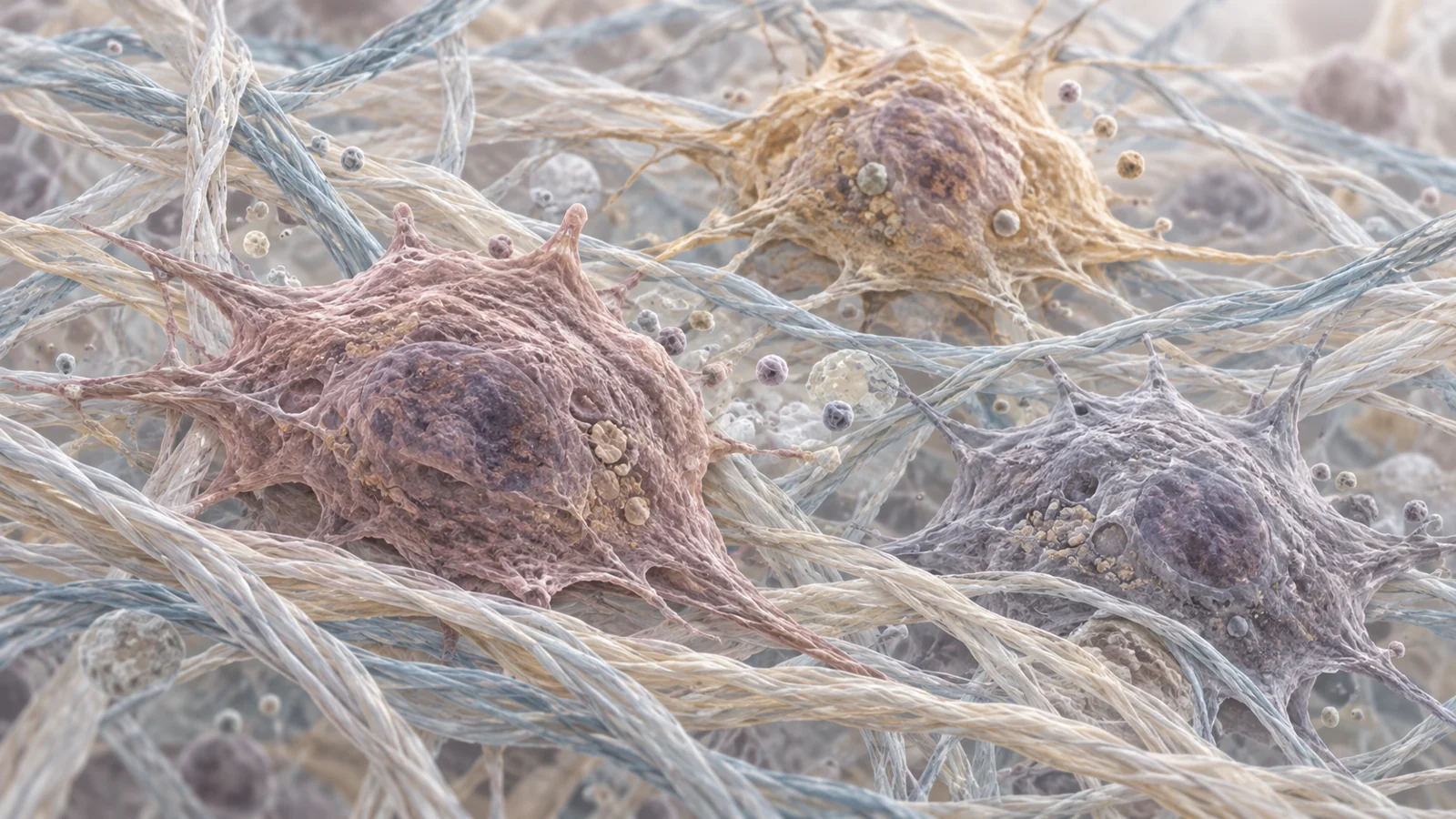
Senescence-driven tissue fibrosis
Early ResearchDiscovery ClusterCan targeting senescent cells’ secretions limit tissue fibrosis associated with an aging extracellular matrix?
Main bottleneck: Establishing which senescence-related processes cause fibrosis and whether targeting them reliably reduces tissue scarring.
-

Onboard AI for satellite imagery processing
Early ResearchDiscovery ClusterCan satellites reliably run and update AI onboard to process imagery, including hyperspectral data, under space-environment constraints?
Main bottleneck: Establishing that fast inference and training methods can handle satellite imagery reliably under the space-environment challenges identified in payload design.
-
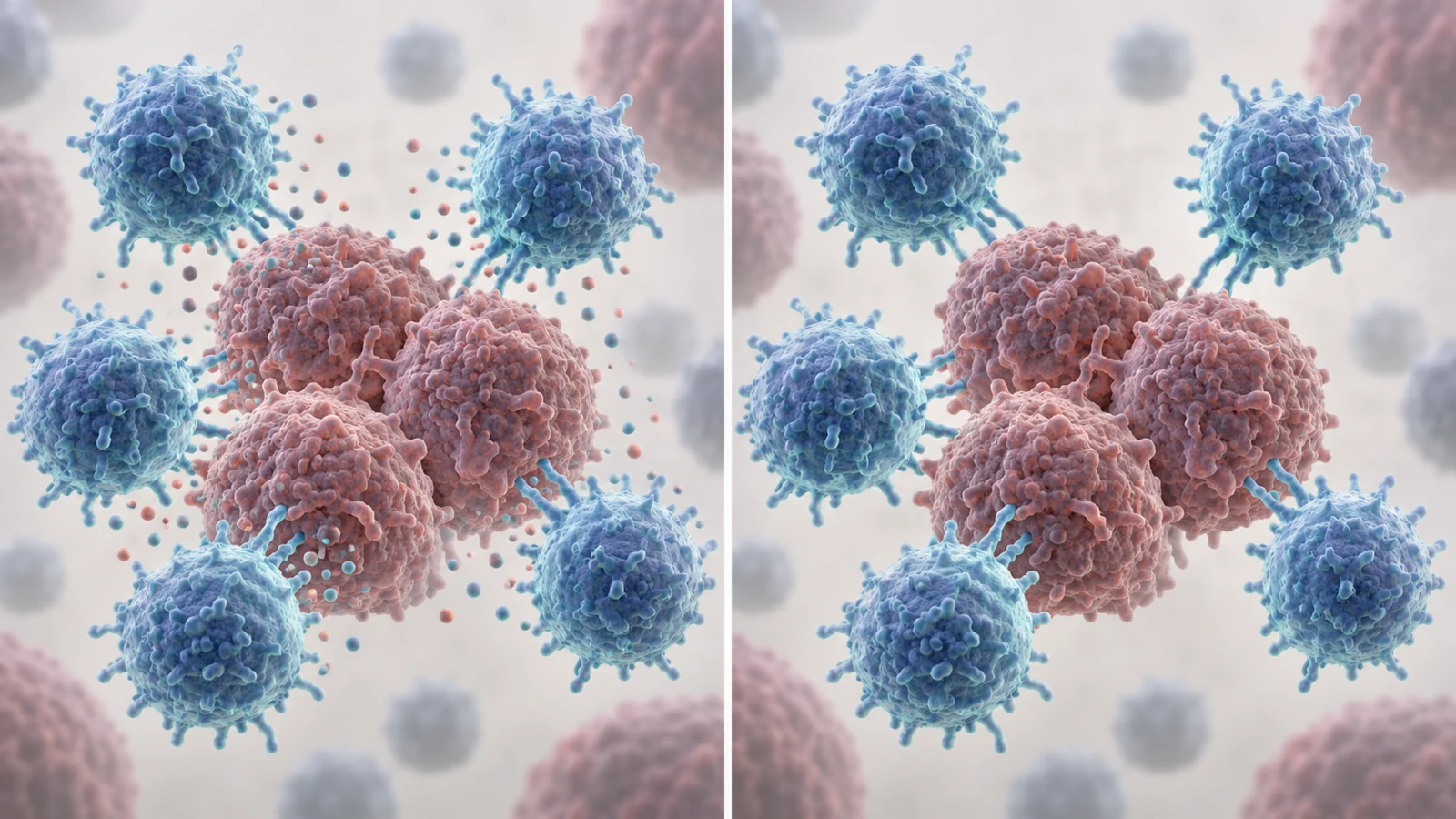
Engineering CAR NK Cells
Early ResearchDiscovery ClusterWhich CAR designs and engineering methods most reliably improve NK cells’ activity against cancer?
Main bottleneck: The bounded evidence does not establish which improvements extend beyond a particular CAR design or cancer target, or how non-viral engineering compares with other methods.
-
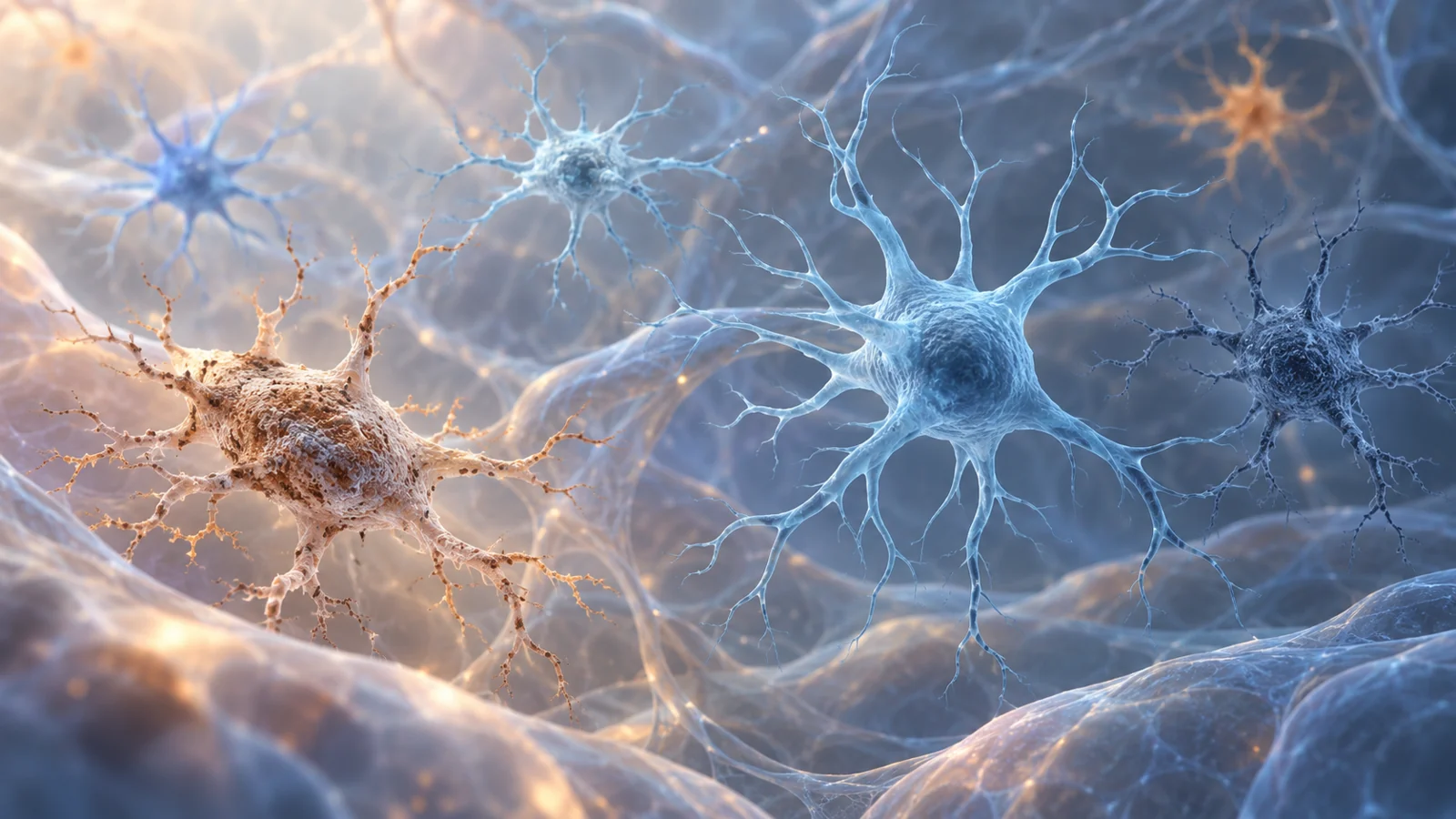
Glial senescence in Alzheimer’s disease
Early ResearchDiscovery ClusterDoes senescence in the brain’s support cells help drive cognitive decline in Alzheimer’s disease?
Main bottleneck: Current evidence does not establish whether glial senescence causally drives cognitive decline or whether changing it improves outcomes.
-

Sleep Health and Brain Aging
Early ResearchDiscovery ClusterDoes poor sleep contribute to brain aging, and does systemic inflammation help explain the link?
Main bottleneck: The bounded research links sleep with brain microstructure and estimated brain age, but does not establish whether poor sleep causes these differences or whether inflammation mediates the relationship.
-
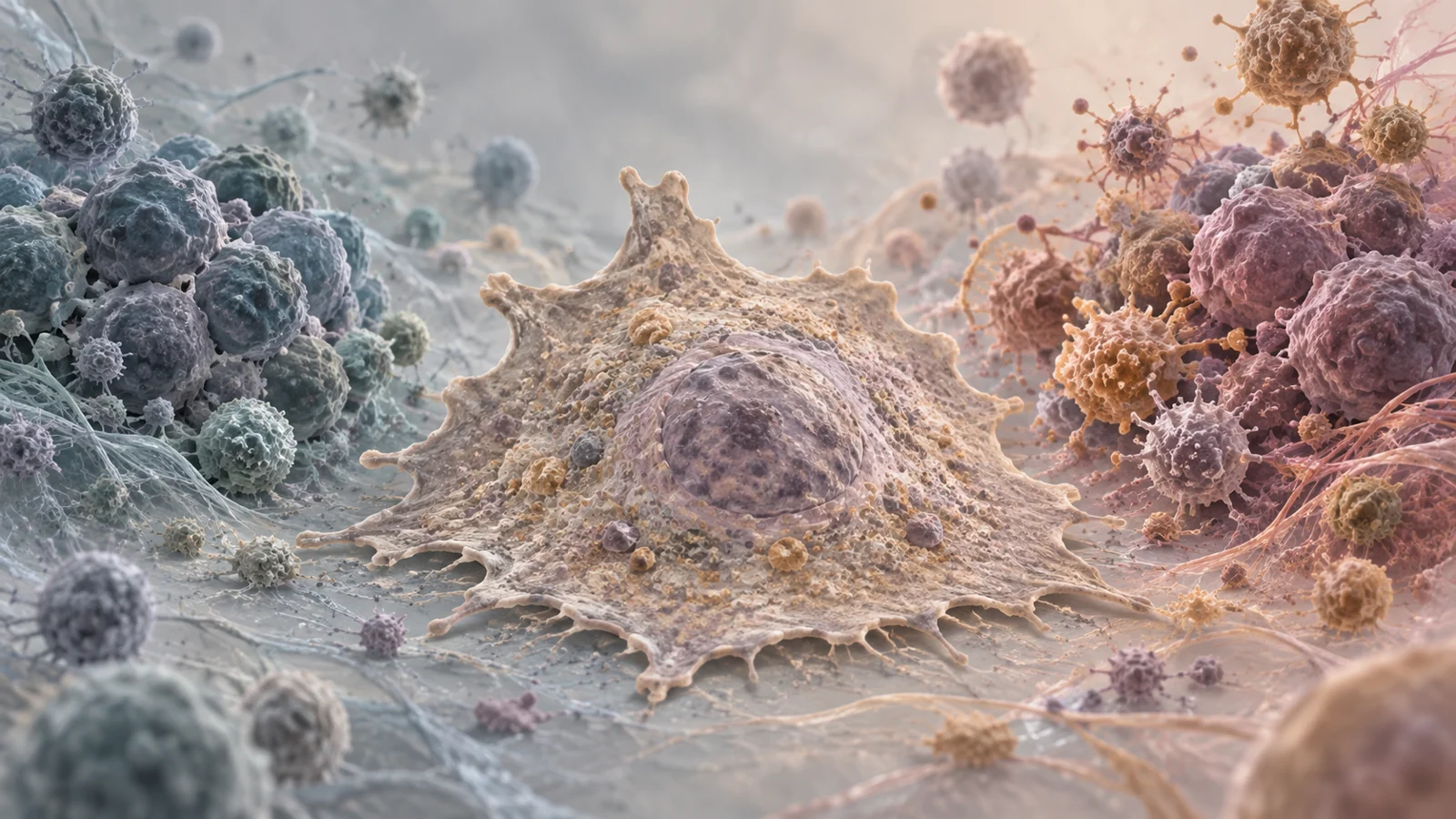
Tumor-suppressing and tumor-promoting senescence
Early ResearchDiscovery ClusterUnder what conditions does cellular senescence suppress cancer, and when does it instead promote tumor progression or lymphatic spread?
Main bottleneck: Current evidence does not establish how to reliably distinguish tumor-suppressing senescence from tumor-promoting senescence in a given cancer setting.
-
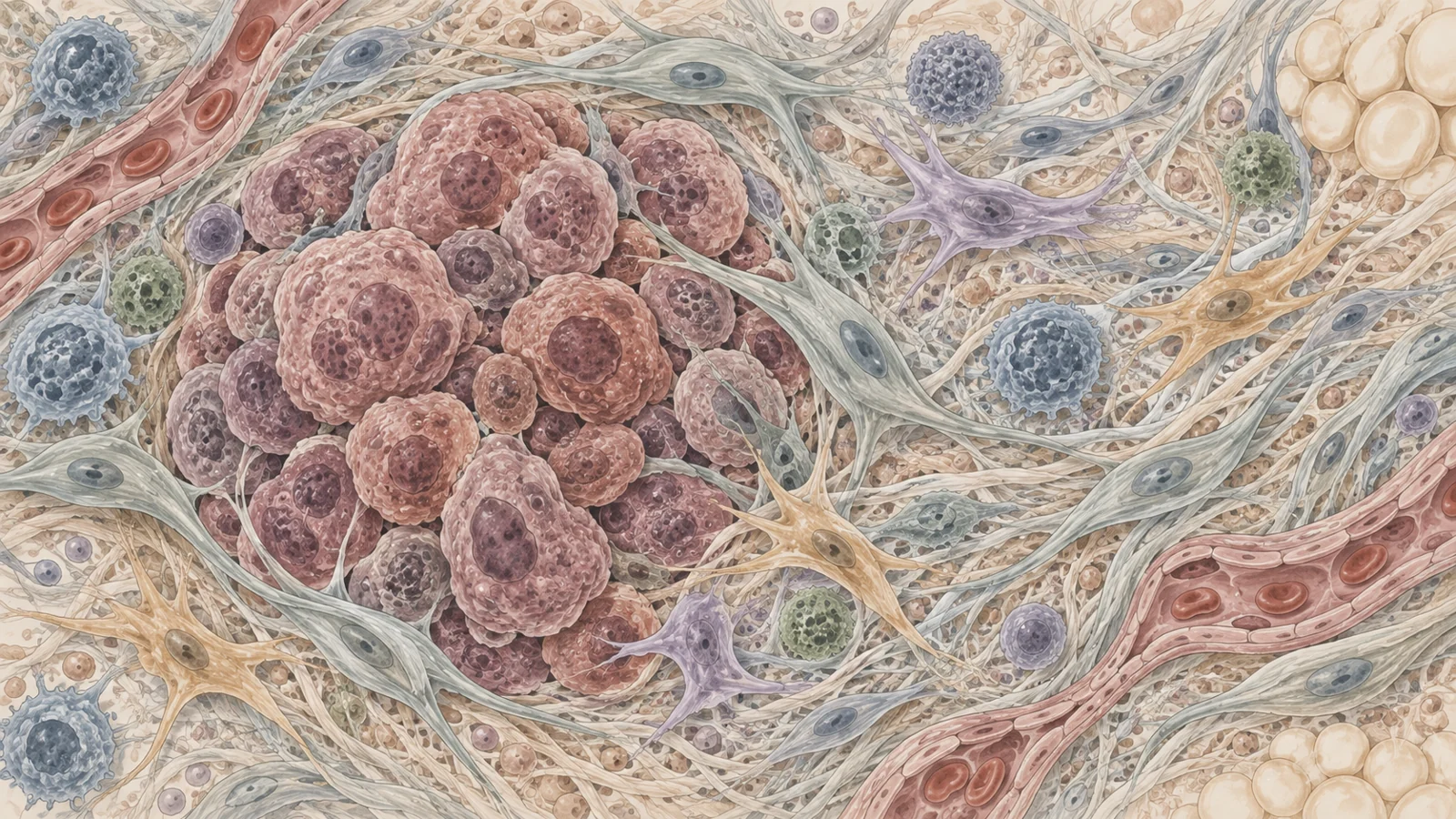
Therapy-Induced Stromal Senescence
Early ResearchDiscovery ClusterWhen does cancer treatment induce senescence in tumor-supporting tissue that helps cancer become more aggressive?
Main bottleneck: Establishing whether treatment-induced stromal senescence causally promotes cancer aggressiveness across these settings, and which surrounding-tissue changes drive that effect.
-
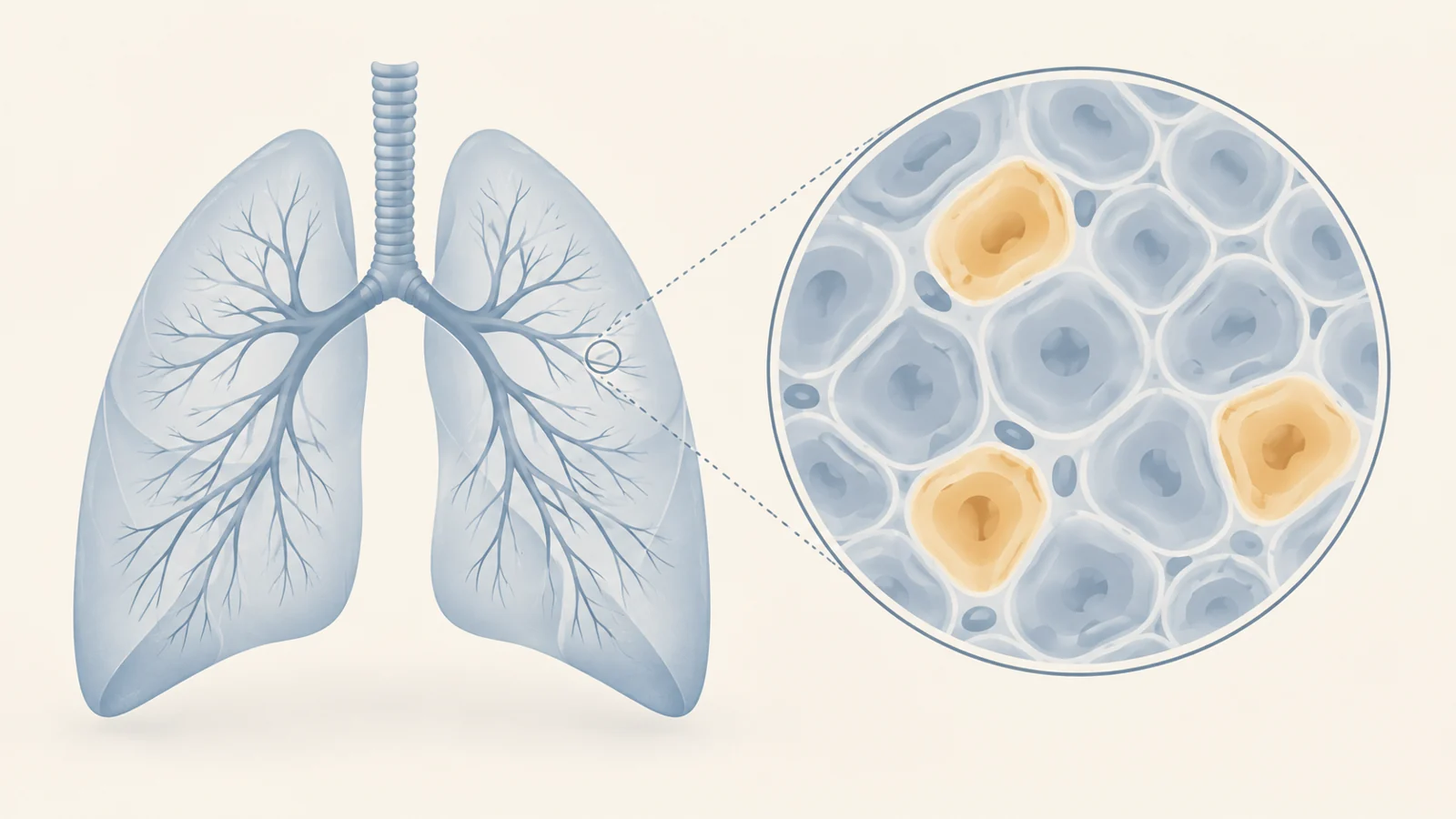
Senescence in lung aging and infection susceptibility
Early ResearchDiscovery ClusterHow does cellular senescence contribute to aging lungs becoming more vulnerable to infection, and what role does metabolic dysfunction play?
Main bottleneck: The bounded evidence does not establish whether changing senescence or metabolic dysfunction can preserve lung function and improve resistance to infection.
-

Cellular senescence in aging skeletal muscle
Early ResearchDiscovery ClusterHow does cellular senescence in aging skeletal muscle relate to changes in muscle structure and physical function?
Main bottleneck: Current evidence does not establish whether senescence can be characterized reliably across human muscle samples or whether its associations with muscle structure and function reflect a contribution to decline.