
Body-First and Brain-First Parkinson’s Disease
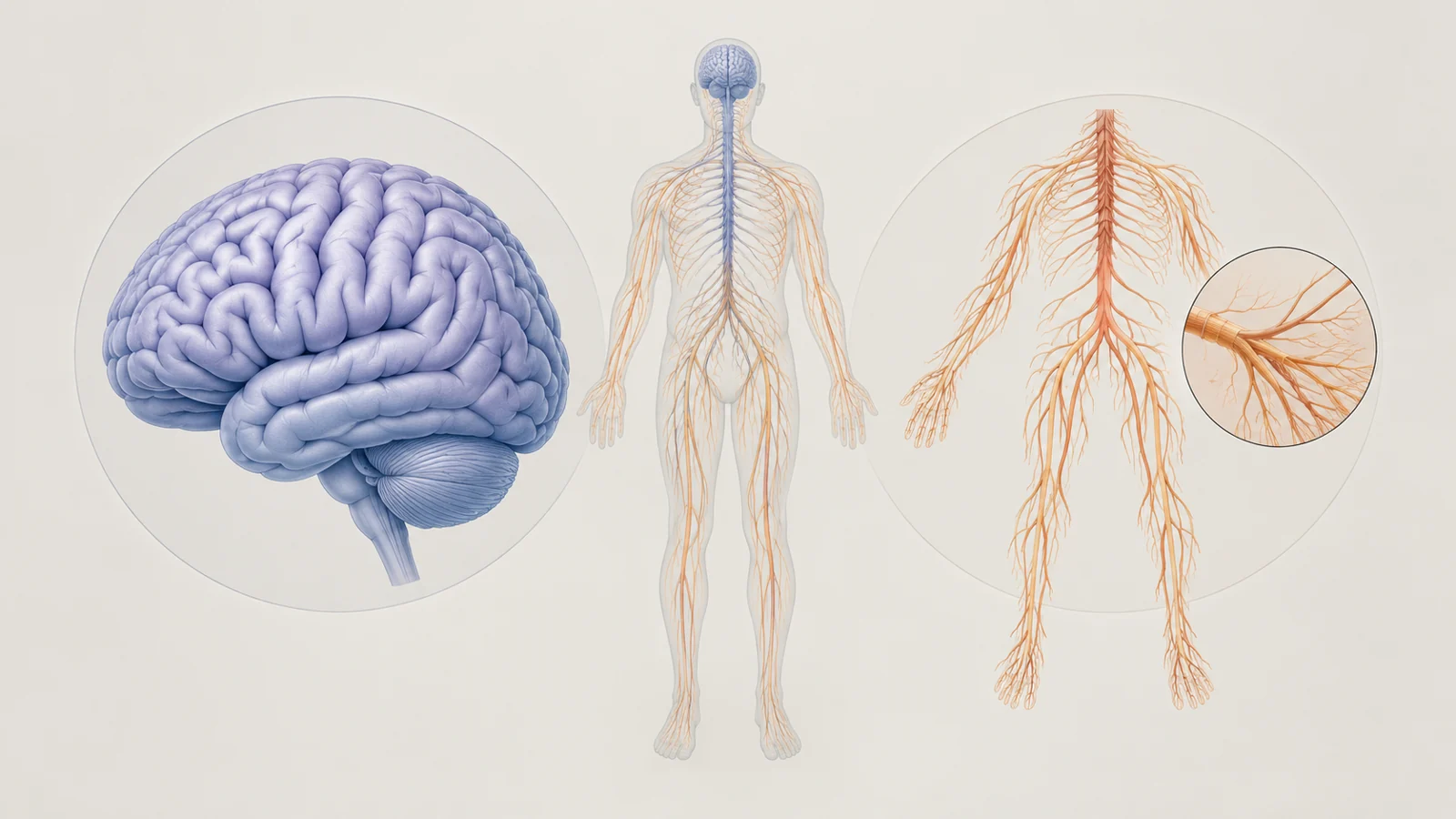
Can distinguishing body-first from brain-first Parkinson’s disease help predict how movement and cognitive symptoms will progress?
Following this research could show whether these proposed patterns explain meaningful differences in disease progression and whether genetic findings or biomarkers help distinguish them.
Where it stands now
Main bottleneck
Establishing reliable criteria that distinguish the two patterns and predict their clinical course remains the central unresolved question in the supplied trajectory.
Watch next
Comparative follow-up results showing whether axial movement symptoms, cognitive changes and neurodegeneration biomarkers consistently differ between body-first and brain-first groups.
Progress timeline
How the evidence has changed over time.
2025 · 2 updates
- What do body-first and brain-first Parkinson’s labels reveal?Research note 2 of 3 · Source date 2025-06-20
Since the previous research note · Earlier expectation not tested
Track continuity
Since the previous research note: Why unexplained nerve damage is being studied for early Parkinson’s
Previous expectation: Cardiac nerve findings, sleep measurements and biological samples might help identify which people with unexplained peripheral nerve disease warrant closer neurological follow-up.
What this study adds: A separate Parkinson’s Progression Markers Initiative analysis links symptom-defined body-first and brain-first groups to subsequent clinical trajectories and adds imaging and genetic associations across prodromal and diagnosed participants. It does not test the earlier peripheral-neuropathy cohort or its proposed combination of measurements.
Current research note
- An early Parkinson’s study follows movement, balance and thinkingResearch note 3 of 3 · Source date 2025-09-23
Since the previous research note · Earlier expectation not tested
Track continuity
Since the previous research note: What do body-first and brain-first Parkinson’s labels reveal?
Previous expectation: Reproducible Parkinson’s trajectories could improve prognosis and help match participants to trials of treatments intended to slow disease.
What this study adds: NCT07187843 describes a further human observational investigation connecting proposed phenotypes with functional progression, imaging and biomarkers. Its supplied registry snapshot contains no posted results testing the earlier forecast.
Current research note
2024 · 1 update
- Why unexplained nerve damage is being studied for early Parkinson’sResearch note 1 of 3 · Source date 2024-12-20
How this Track works
This page changes as new evidence arrives. Open any update to see what researchers found at that point in the story.