
Explore progress
Progress tracks
Long-running scientific and technological questions, followed as the evidence changes.
-

Targeting Cellular Senescence in Cognitive Decline
Early ResearchDiscovery ClusterCan therapies targeting cellular senescence safely slow cognitive decline in people?
Main bottleneck: Establishing that targeting cellular senescence produces sustained cognitive benefits in people with acceptable safety; Current evidence does not establish this.
-
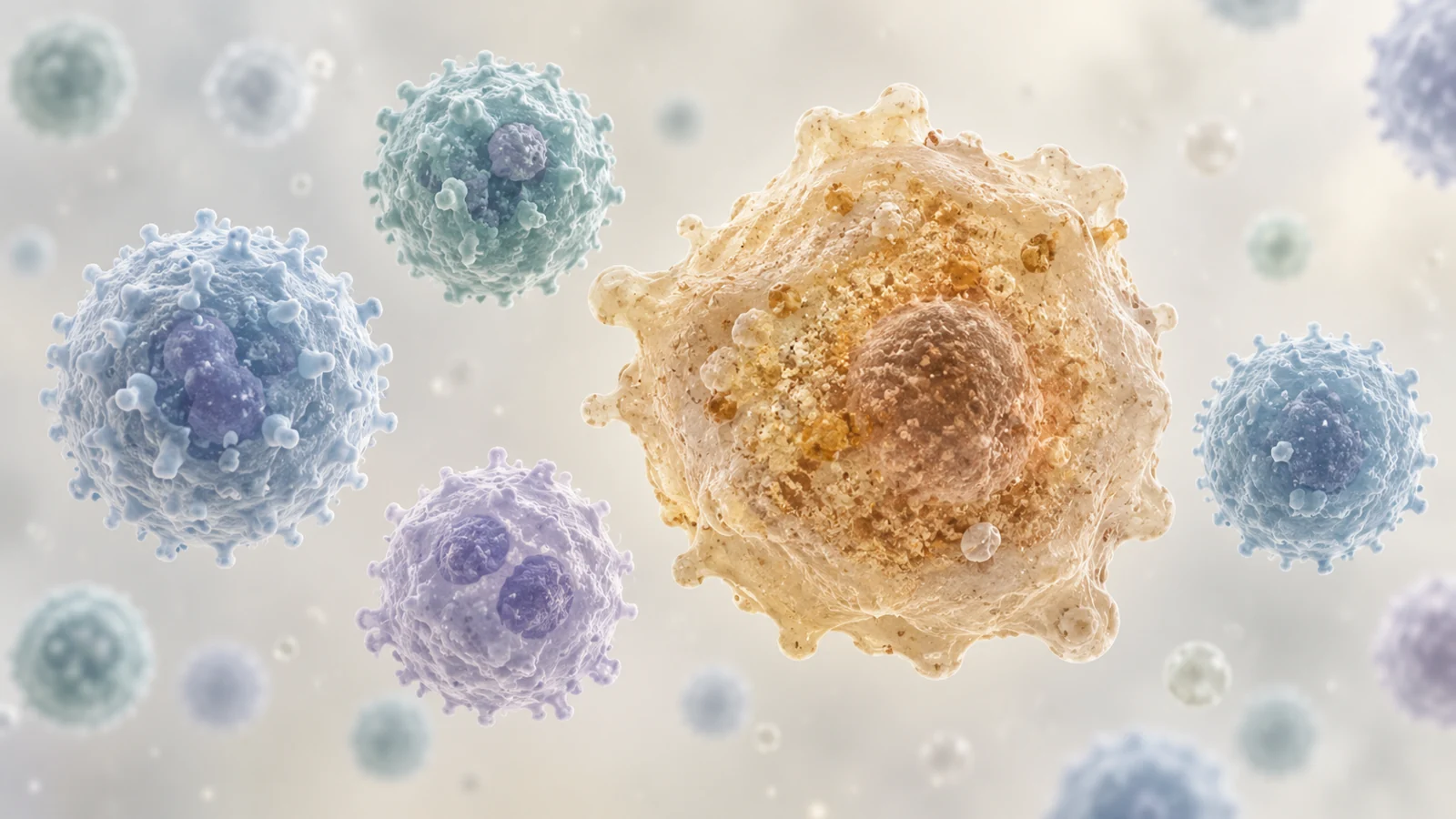
Senolytics and Immune Aging
Early ResearchDiscovery ClusterCan senolytic treatments improve immune function as people age while preserving protection against disease?
Main bottleneck: Current evidence includes a preliminary placebo-controlled study in middle-aged humans, but does not establish whether senolytic effects translate into sustained, safe improvements in immune function.
-

Proteostasis Failure in Alzheimer’s Sleep-Wake Circuits
Early ResearchDiscovery ClusterDoes impaired protein clearance in sleep–wake circuits drive early sleep loss in Alzheimer's disease?
Main bottleneck: The bounded evidence does not establish whether impaired autophagy—the cellular process for clearing and recycling material—causes sleep–wake dysfunction or whether restoring it can improve sleep.
-

Senolysis in Pulmonary Fibrosis
Early ResearchDiscovery ClusterCan clearing senescent cells safely reduce lung fibrosis and improve lung function in people with idiopathic pulmonary fibrosis?
Main bottleneck: Current evidence does not establish whether senescence clearance produces durable clinical benefit with acceptable safety in people with pulmonary fibrosis.
-

Gamma light and sound therapy for Alzheimer’s disease
Human TrialTechnology TrackCan gamma light and sound stimulation slow Alzheimer's disease or delay dementia in cognitively normal people at risk?
Main bottleneck: Establishing whether repeated gamma light and sound stimulation delivers lasting clinical benefits, with treatment and prevention requiring separate evidence.
-
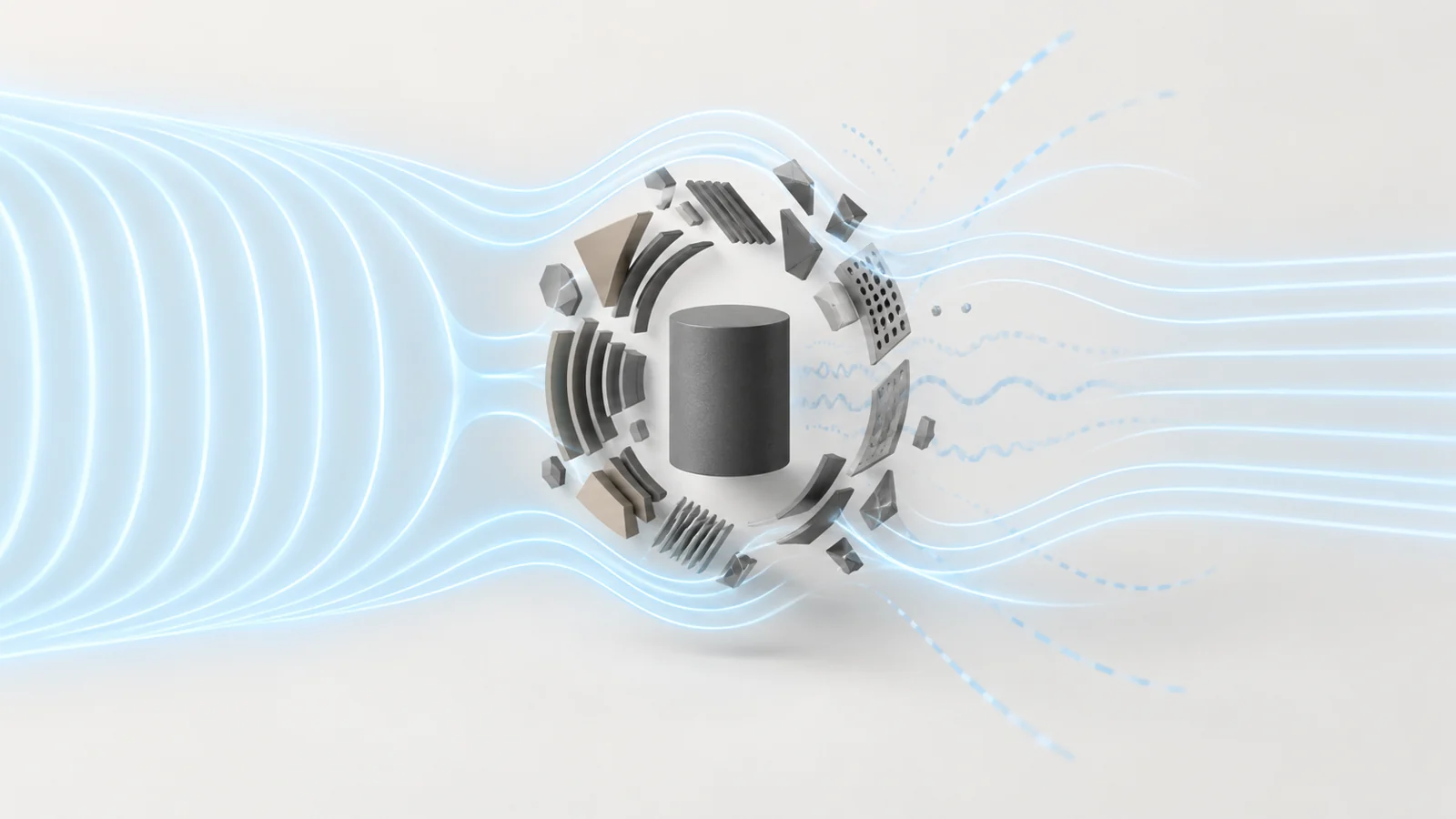
Inverse-Designed Electromagnetic Cloaking
Early ResearchDiscovery ClusterCan evolutionary optimization arrange natural materials to make a device electromagnetically undetectable under measurable, reproducible conditions?
Main bottleneck: The available record does not establish the measured effectiveness or operating limits of cloaking with optimized natural materials.
-
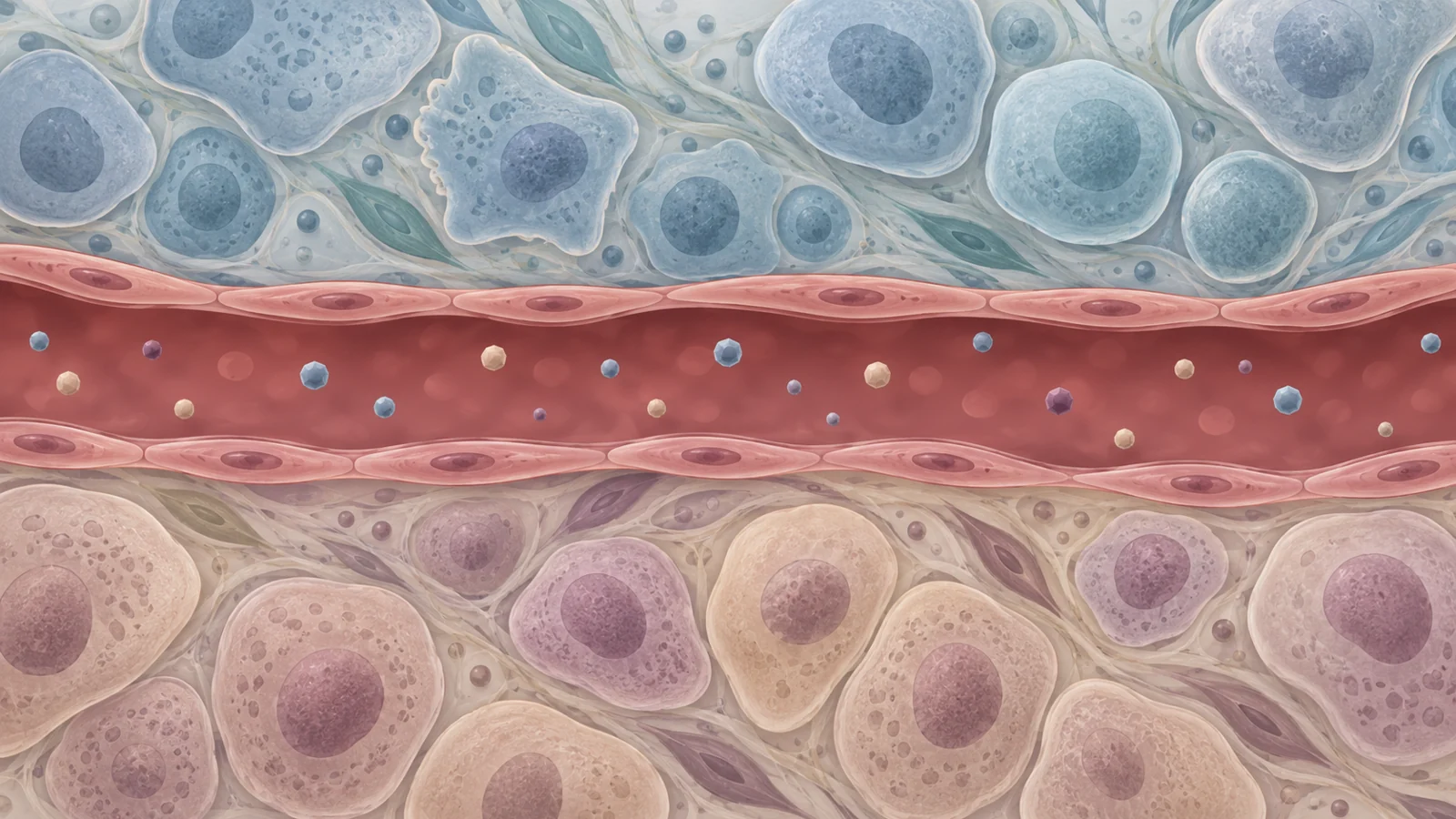
Systemic Spread of Cellular Senescence
Early ResearchDiscovery ClusterDo extracellular vesicles from aged bone marrow macrophages help explain how blood-borne signals spread cellular senescence across the body?
Main bottleneck: The bounded evidence does not establish how much macrophage-derived extracellular vesicles contribute to blood-mediated senescence, or whether blocking them prevents effects in distant tissues.
-
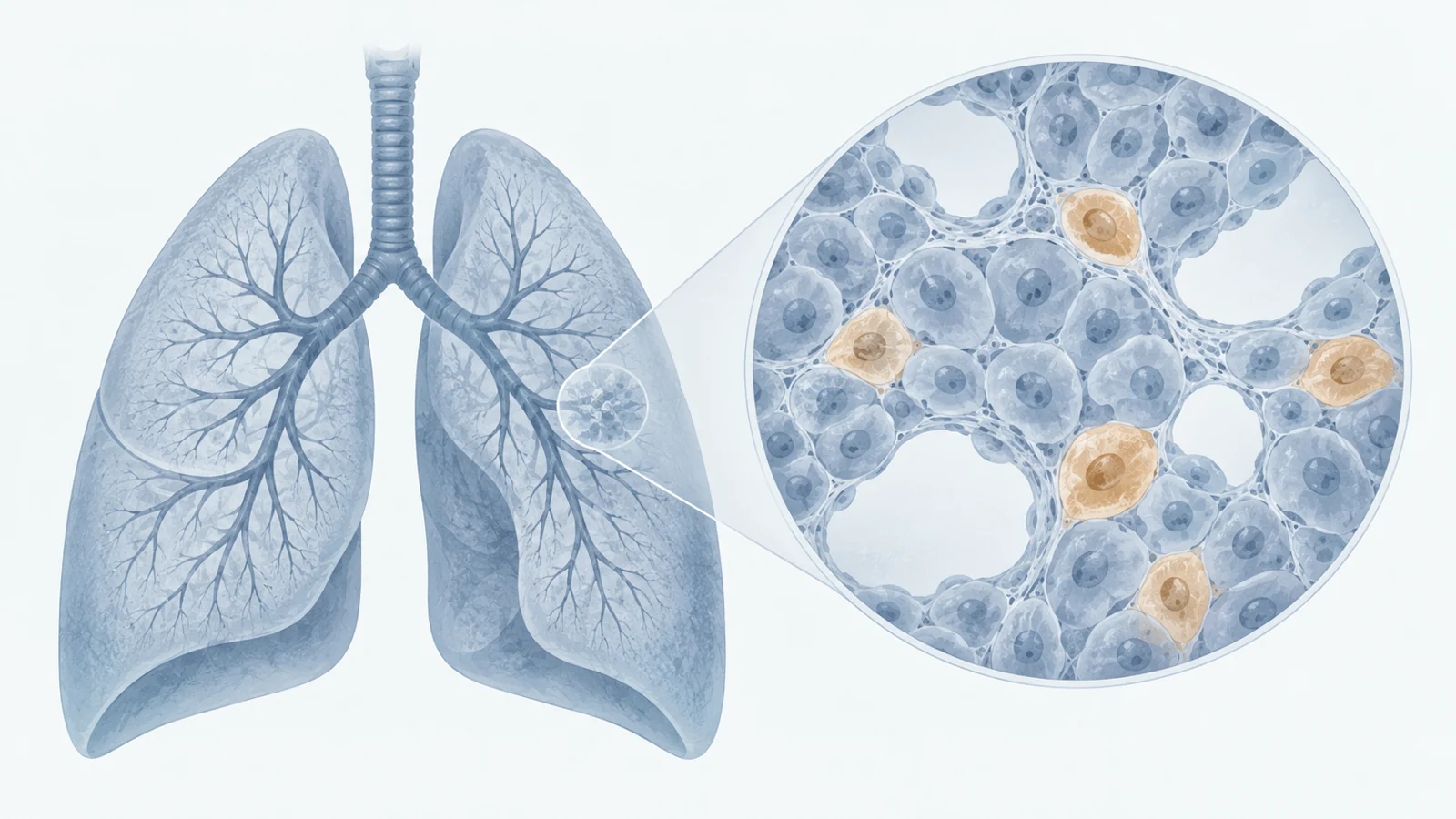
Cellular Senescence in COPD
Early ResearchDiscovery ClusterCan targeting cellular senescence in the airways improve COPD outcomes?
Main bottleneck: Establishing whether changing cellular senescence improves COPD outcomes. The supplied trajectory identifies mechanistic research and a trial entry but provides no results establishing clinical benefit or safety.
-

Prodromal Development of REM Sleep Behavior Disorder
Early ResearchDiscovery ClusterWhich early signs predict who will develop REM sleep behavior disorder among people who repeatedly act out dreams and close relatives of affected patients?
Main bottleneck: The bounded records do not establish which proposed markers reliably predict later REM sleep behavior disorder, particularly when dream enactment occurs while normal REM muscle relaxation is preserved.
-

Locus coeruleus dysfunction and sleep in Alzheimer’s disease
Early ResearchDiscovery ClusterDoes dysfunction in the locus coeruleus, a brain region involved in sleep–wake regulation, contribute to sleep disruption in aging and Alzheimer’s disease?
Main bottleneck: Establishing whether the impaired regulation of potassium channels linked to locus coeruleus hyperactivity in Alzheimer’s-like mice also contributes to human sleep disruption; an association with slow-wave sleep alone would not establish causation.