
Research area
Materials & Engineering
Materials, manufacturing, sensing and engineered systems, including infrastructure technologies.
-
 Evidence date ·
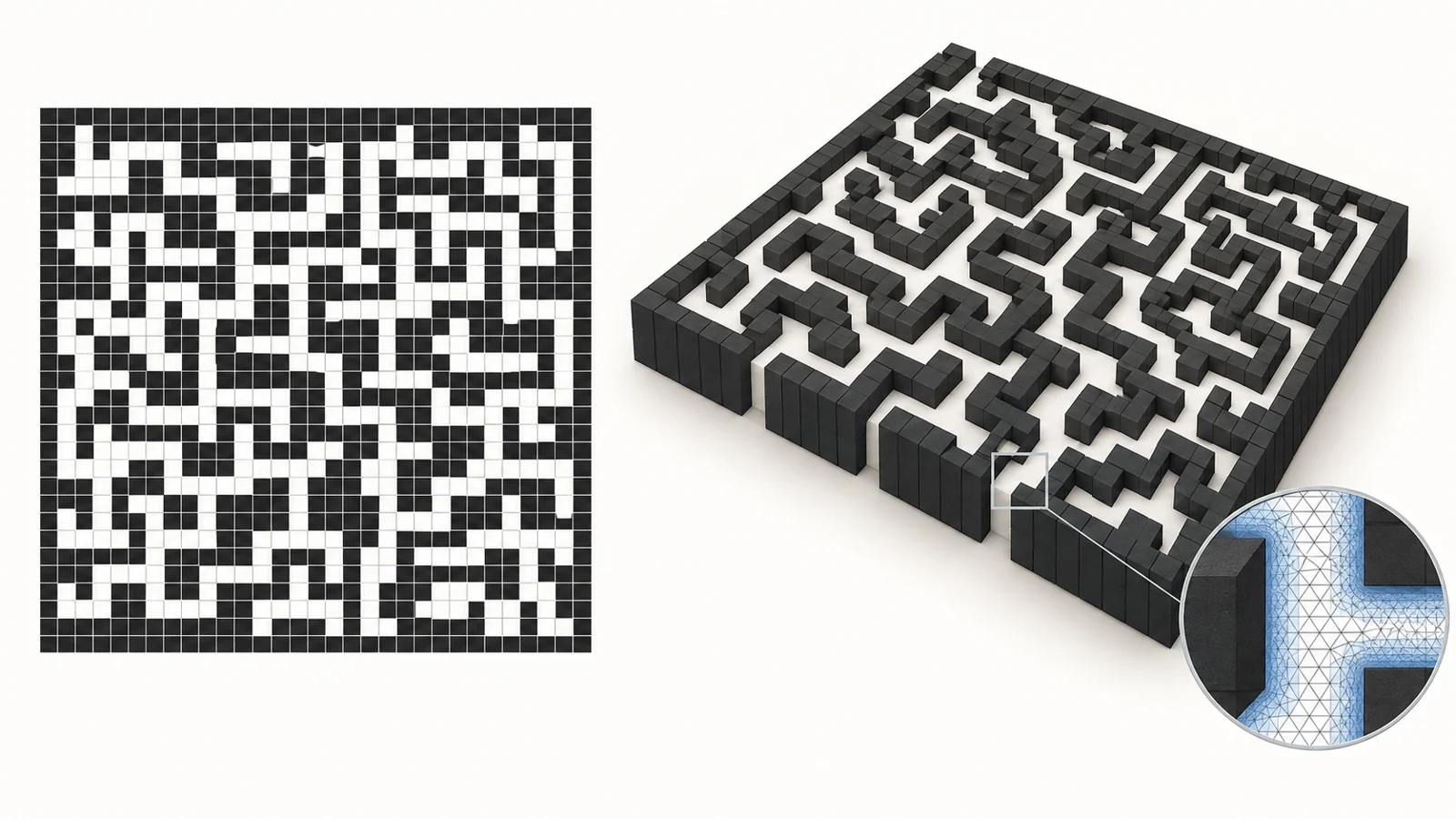
Using a flat map to model a three-dimensional sound absorber
Peer-Reviewed PaperResearchers simplified sound-absorber simulations, then tested six printed samples to see how well they predicted absorption-peak frequency and height.
-
 Evidence date ·
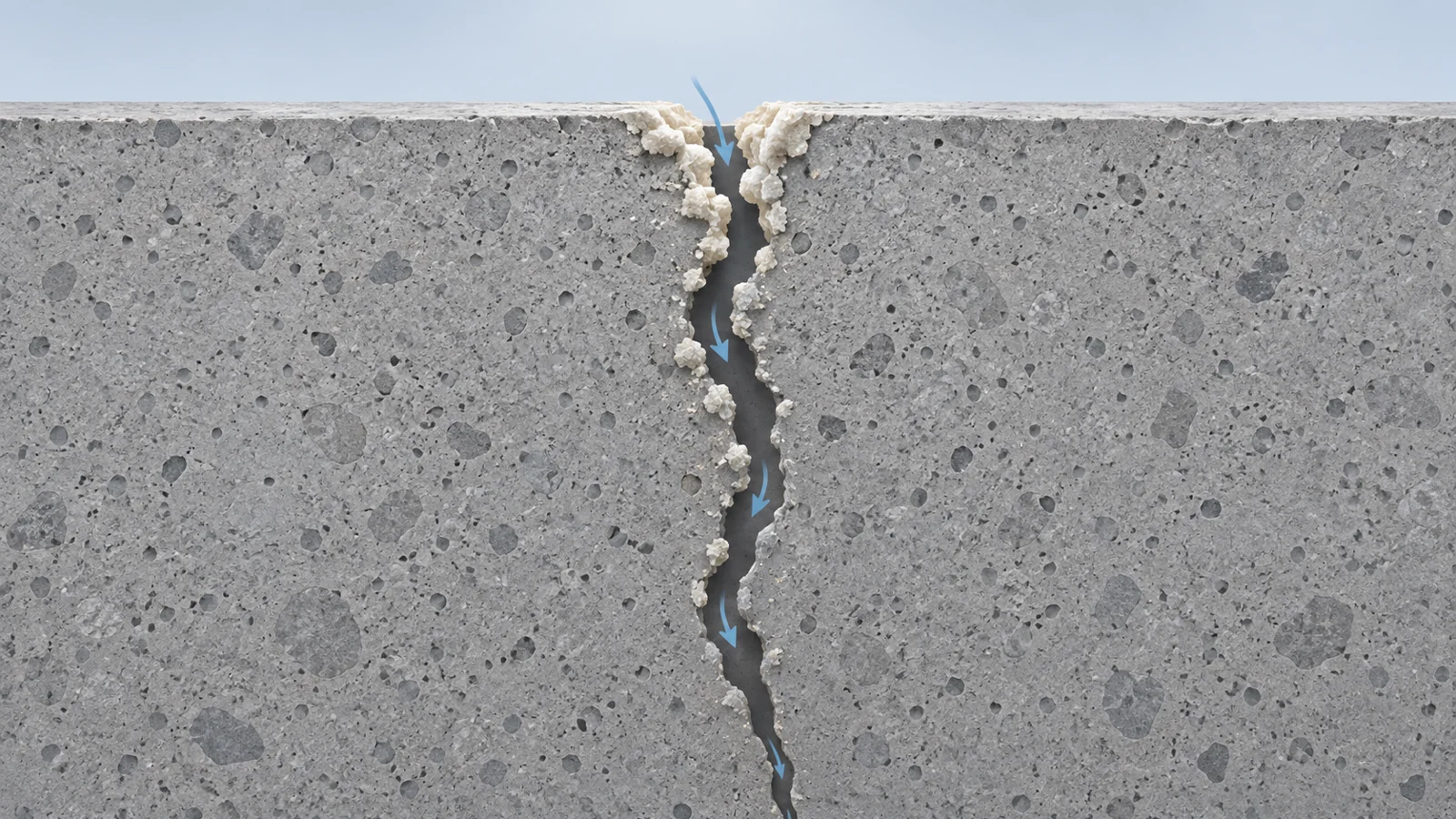
How bacterial minerals narrow cracks and change water passage
PreprintTracked over timeWhat bacterial crack closure and water-permeability repair reveal after 28 days of wet–dry cycling, and why mineral deposits deeper inside matter.
-
 Evidence date ·
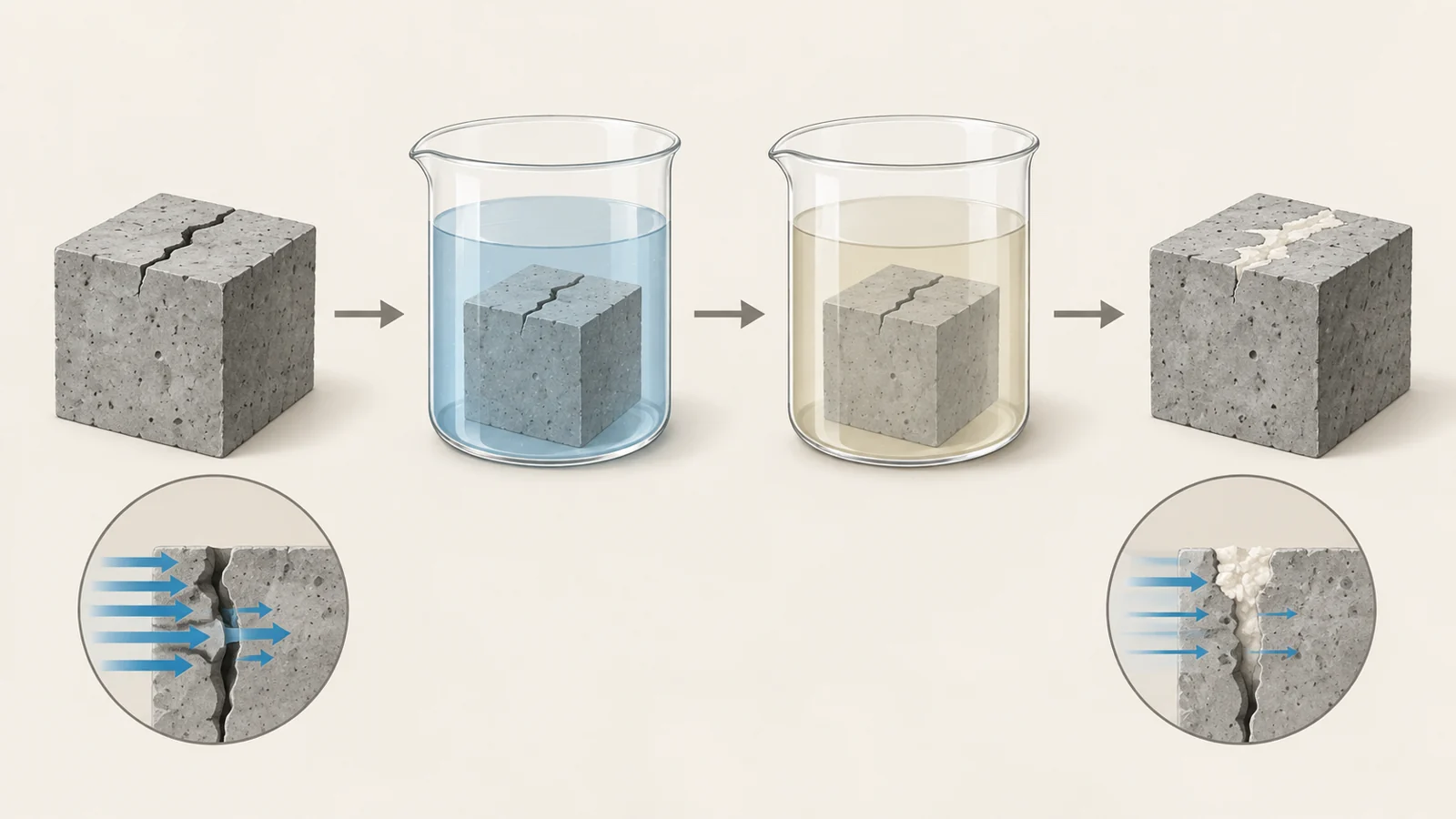
How repeated bacterial and calcium-lactate baths sealed mortar cracks
Peer-Reviewed PaperTracked over timeRepeated bacterial and calcium-lactate baths sealed mortar cracks in a lab. Explore the water-permeability results, strength tests, and practical limits.
-
 Evidence date ·
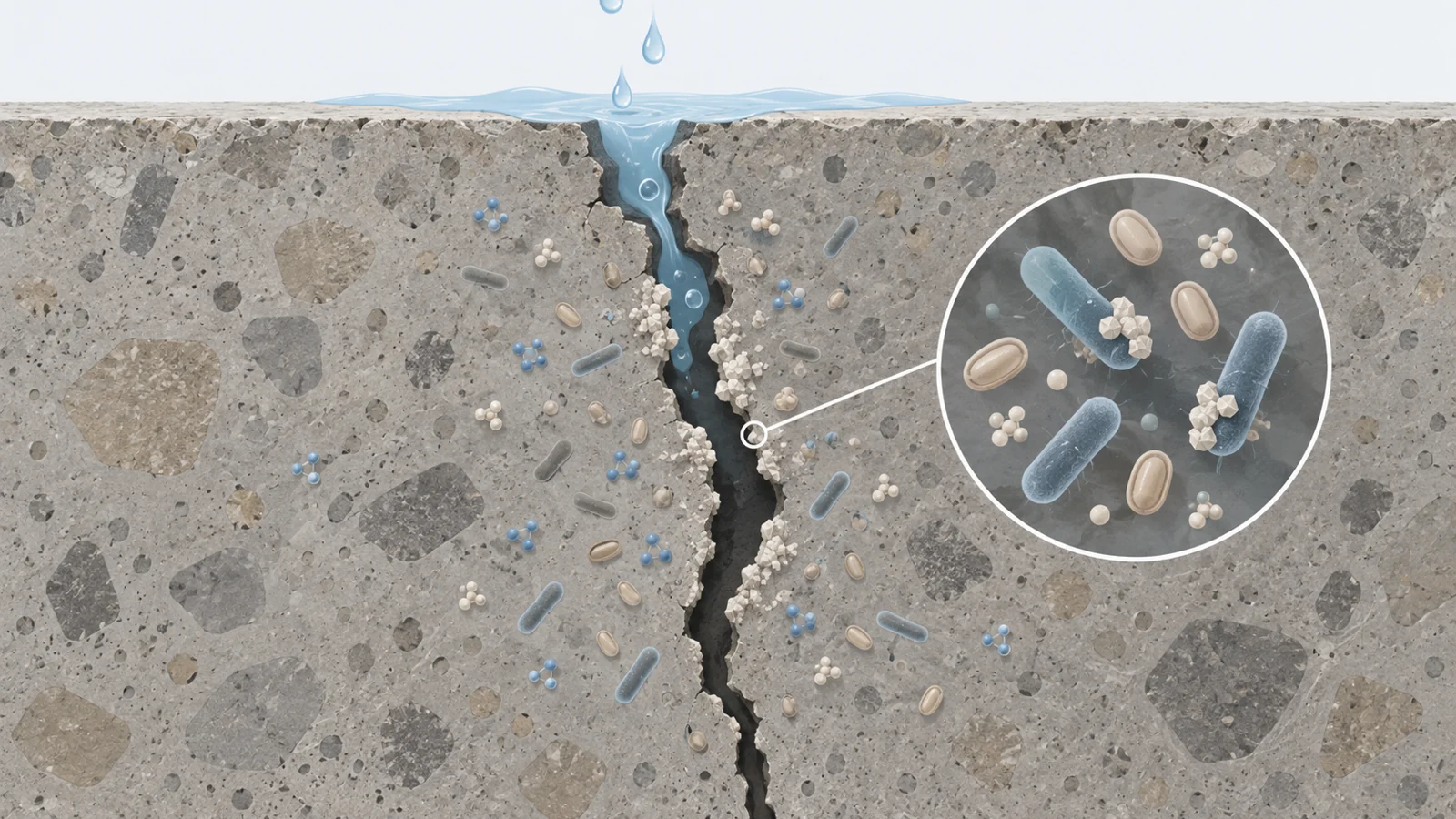
How a soil bacterium helps build mineral filling inside cracks
Peer-Reviewed PaperTracked over timeA 28-day mortar study explains why a soil bacterium was selected, how water and ingredients affected crack filling, and what that filling can establish.
-
 Evidence date ·
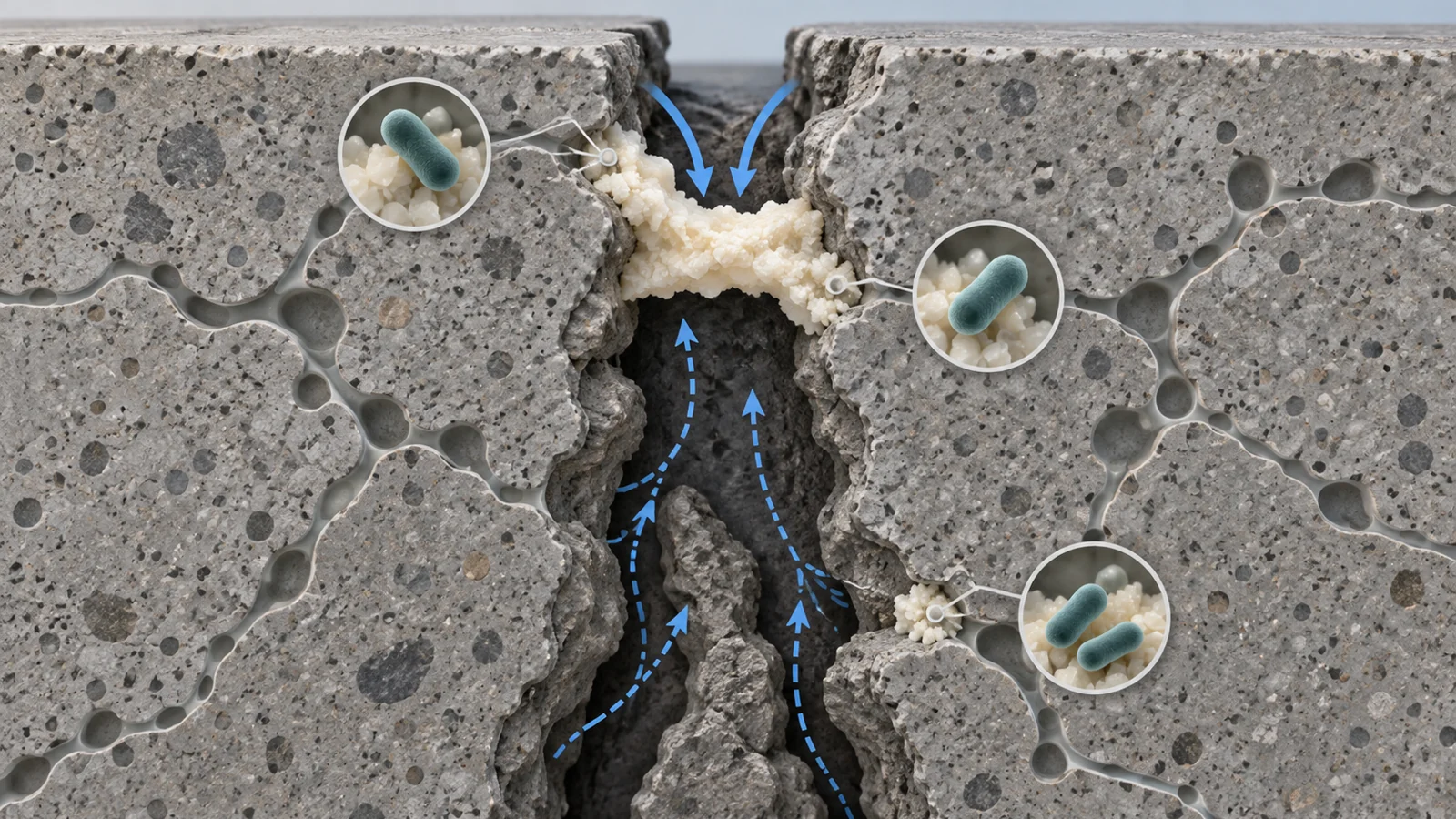
How bacterial minerals reshape the process of concrete repair
Review or Meta-AnalysisTracked over timeBacteria can deposit minerals that close concrete cracks. A 2022 review explains how activation and transport affect repair depth—and what closure proves.
-
 Evidence date ·
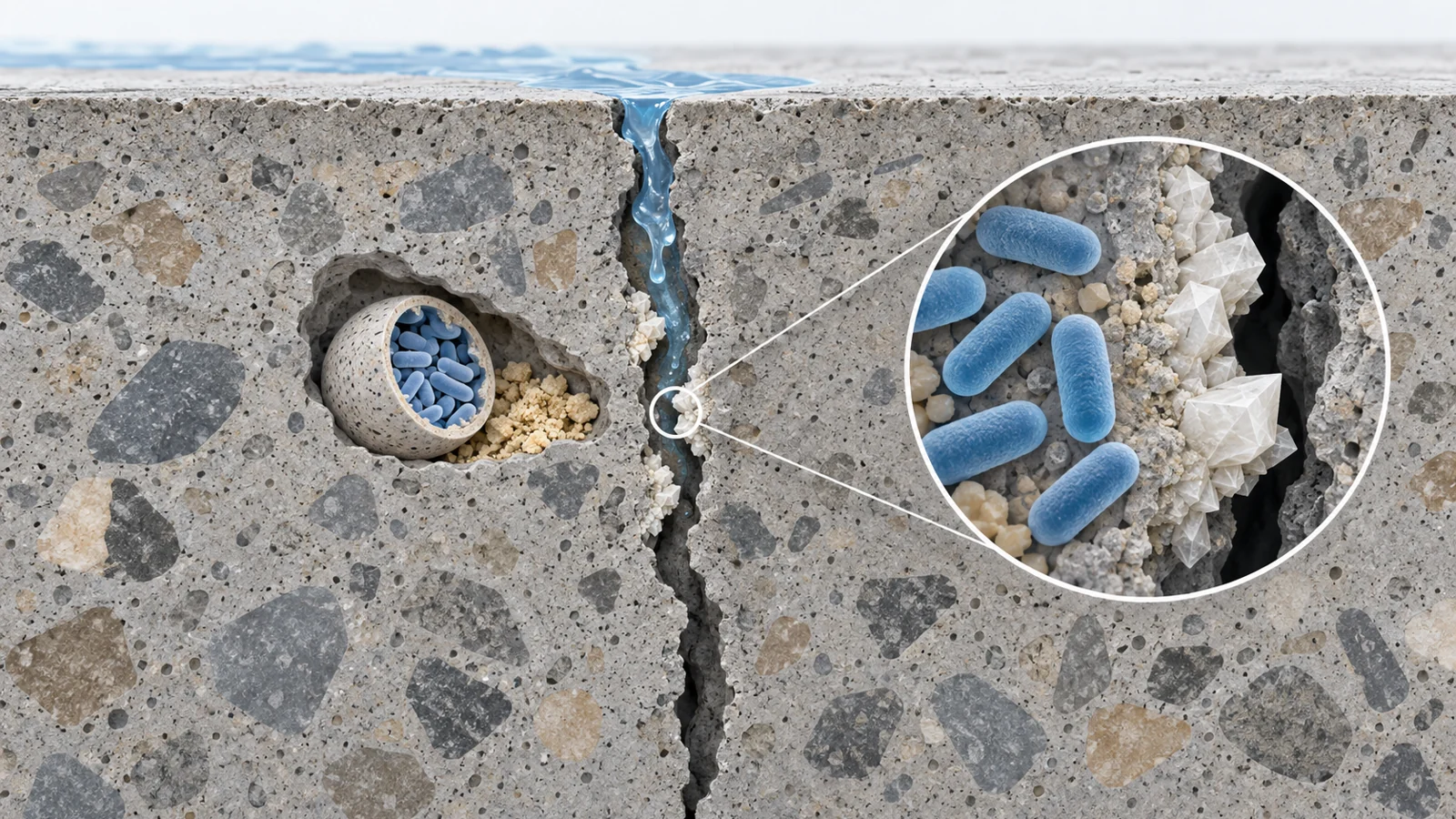
What does concrete need for bacteria to deliver useful crack repair?
Review or Meta-AnalysisTracked over timeHow bacteria form mineral seals in concrete, why protective carriers change the mix, and what crack closure, strength, and water-entry tests reveal.
-
 Evidence date ·
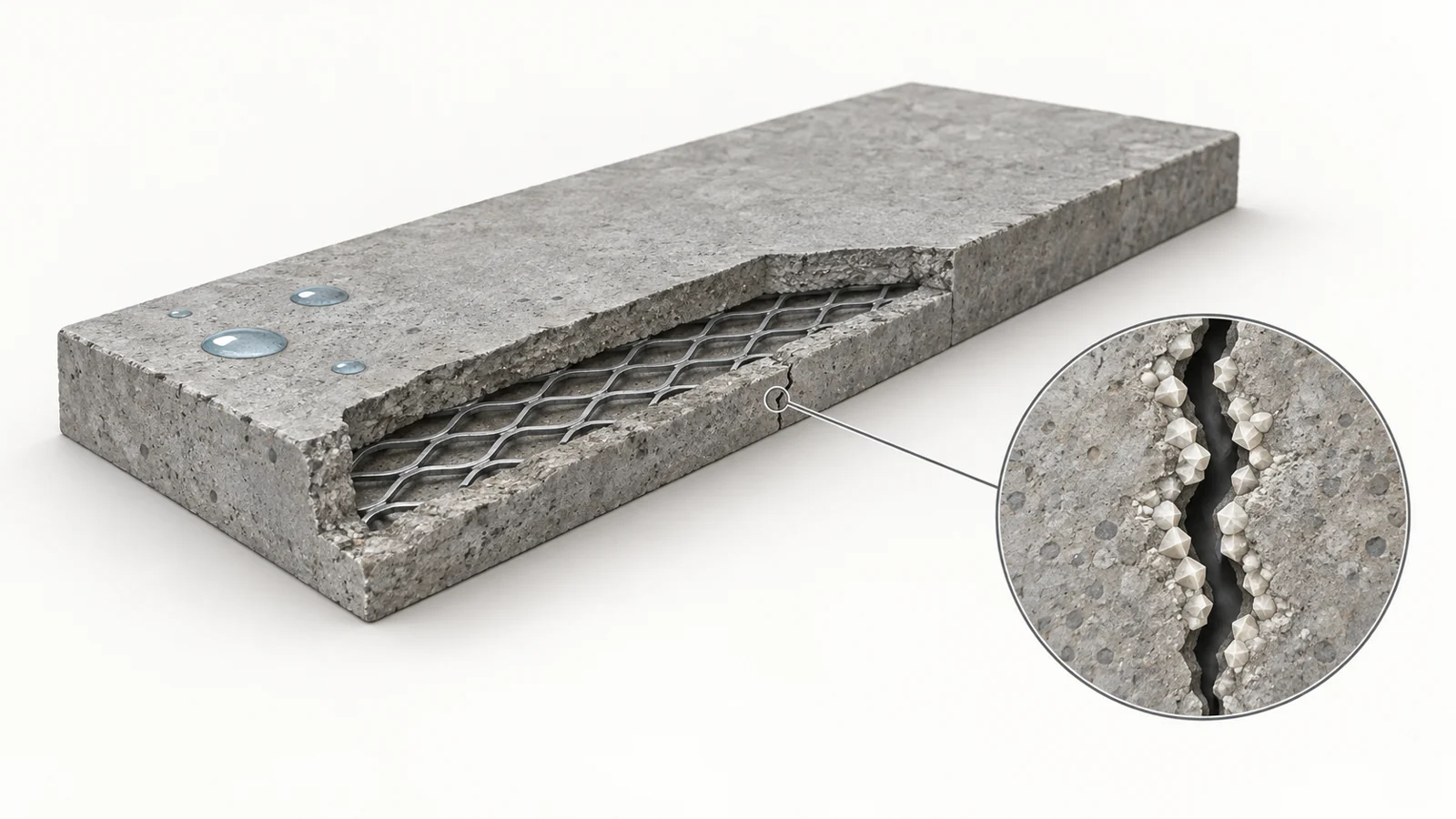
Bacterial mortar was loaded, kept moist and put to the test again
Peer-Reviewed PaperTracked over timeA laboratory study tested bacterial mortar after loading and wet curing. Explore what its recovery results reveal beyond ordinary strength gains.
-
 Evidence date ·
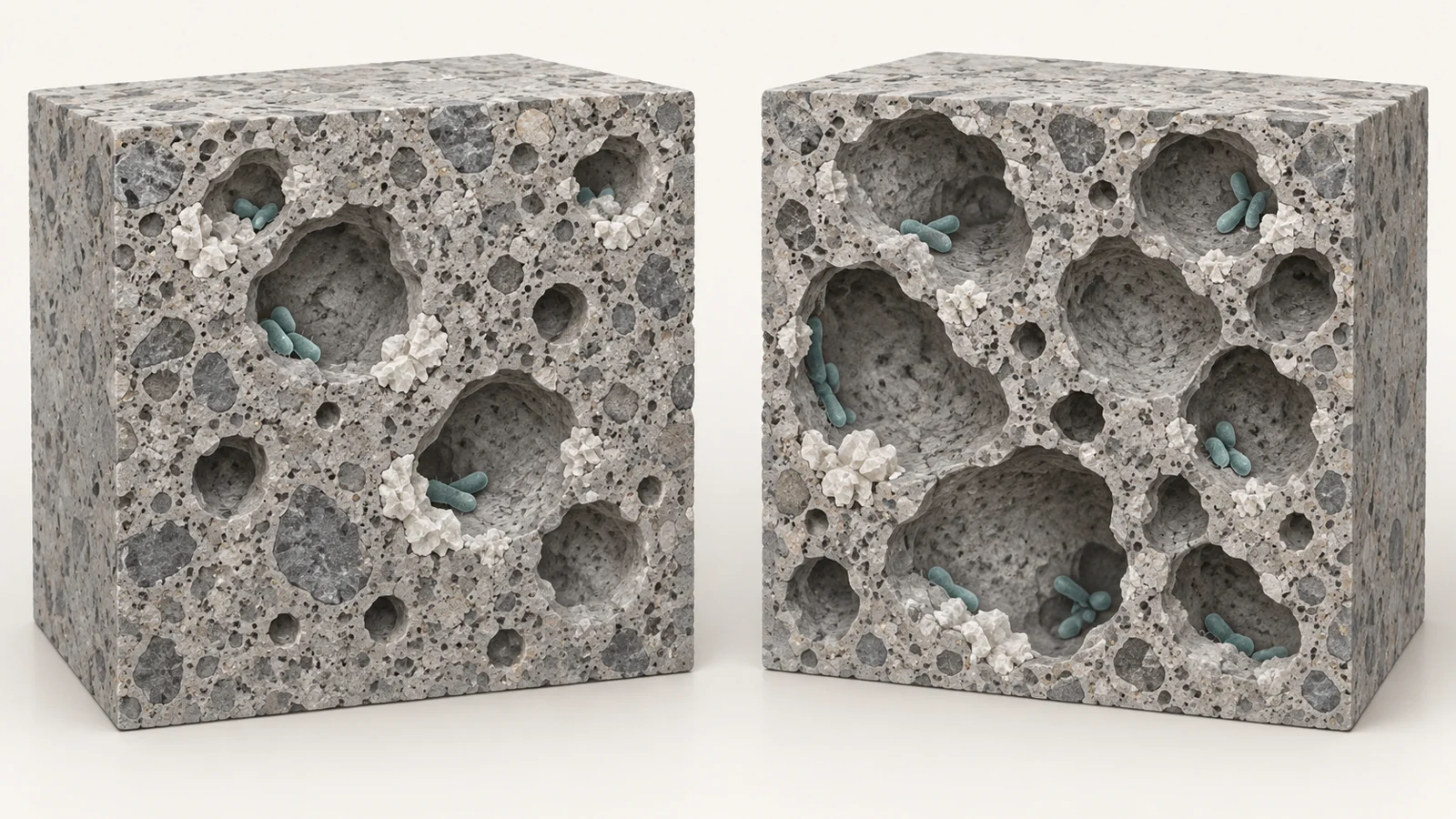
Why making more room for bacteria did not produce the strongest mortar
Peer-Reviewed PaperTracked over timeA short-term lab study traces differing bacterial gene-copy, calcium carbonate and mortar strength responses to admixture. Crack healing remains untested.
-
 Evidence date ·
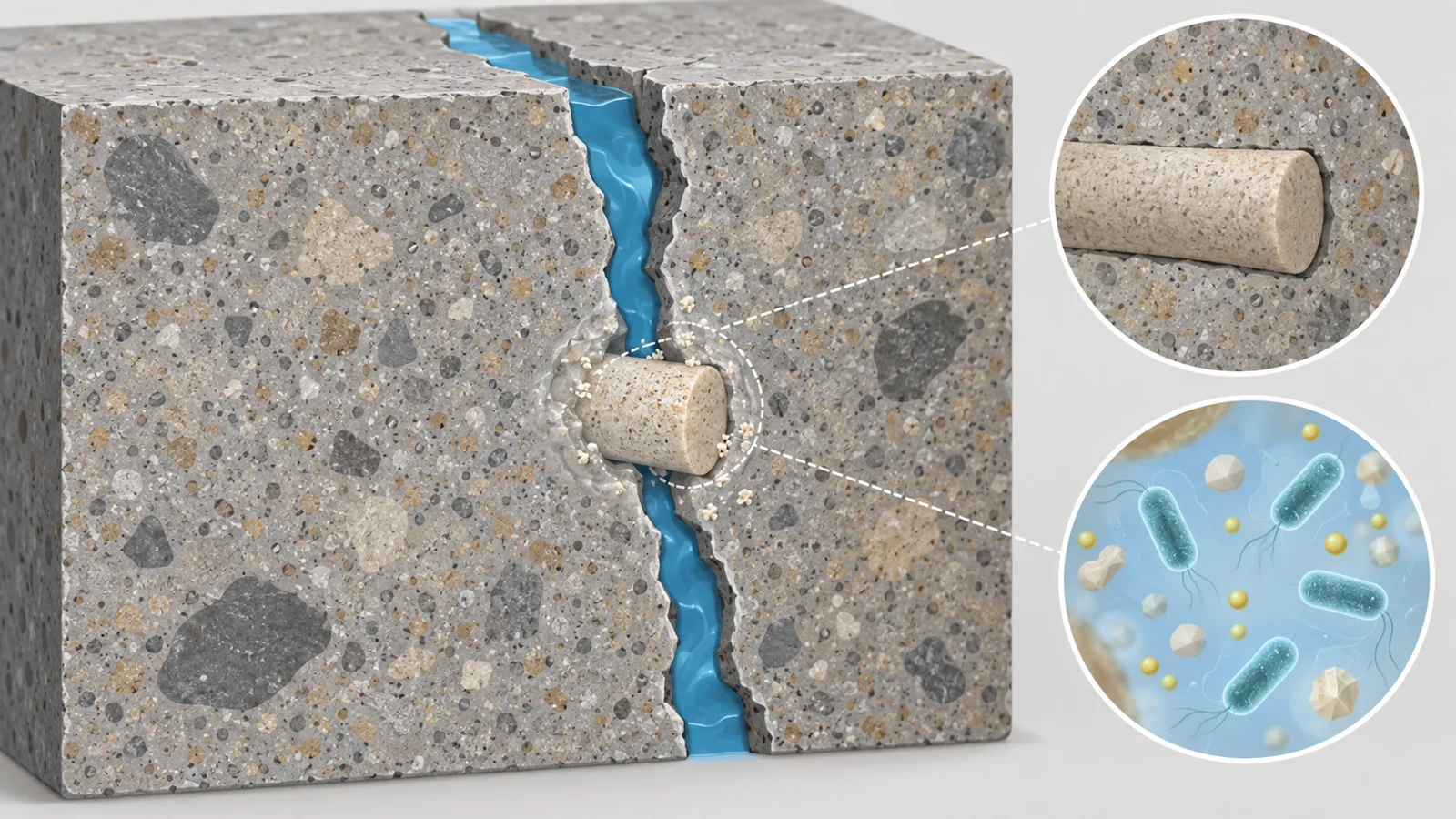
How packaging bacteria changes crack sealing in mortar
Peer-Reviewed PaperTracked over timeA laboratory study explores how bacterial pellets reduce water flow through mortar cracks—and why fresh-mix handling and compressive strength still matter.
-
 Evidence date ·
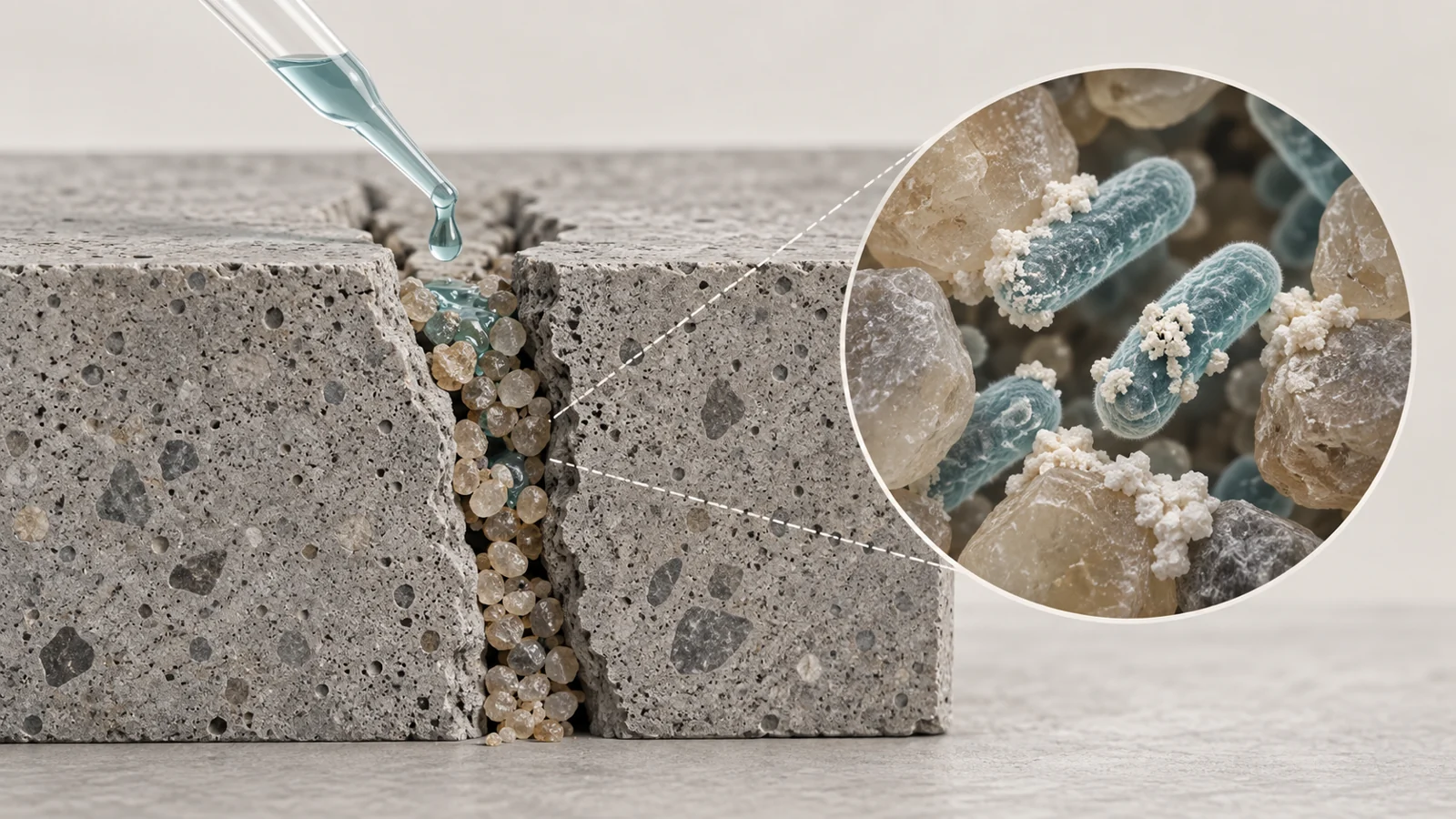
Selecting bacteria and shaping calcite for concrete repair
Peer-Reviewed PaperTracked over timeA lab study links bacterial selection and mineral processing to concrete repair tests, showing what lower water uptake and adhesion measurements can establish.