
Explore progress
Progress tracks
Long-running scientific and technological questions, followed as the evidence changes.
-

Creatine Supplementation and Function in Older Adults
Early ResearchDiscovery ClusterCan creatine supplementation improve physical function or cognition in older adults, and how much depends on accompanying exercise, diet, or guanidinoacetate?
Main bottleneck: The bounded evidence does not establish whether creatine itself produces lasting functional or cognitive benefits independently of the accompanying interventions.
-

Sleep and Alzheimer’s Biomarker Changes
Early ResearchDiscovery ClusterCan improving sleep change Alzheimer’s-related biomarkers, beyond the observed association between sleep and beta-amyloid pathology?
Main bottleneck: The bounded records do not establish whether improving sleep causes biomarker changes; the central barrier is moving from association to controlled evidence of an effect.
-
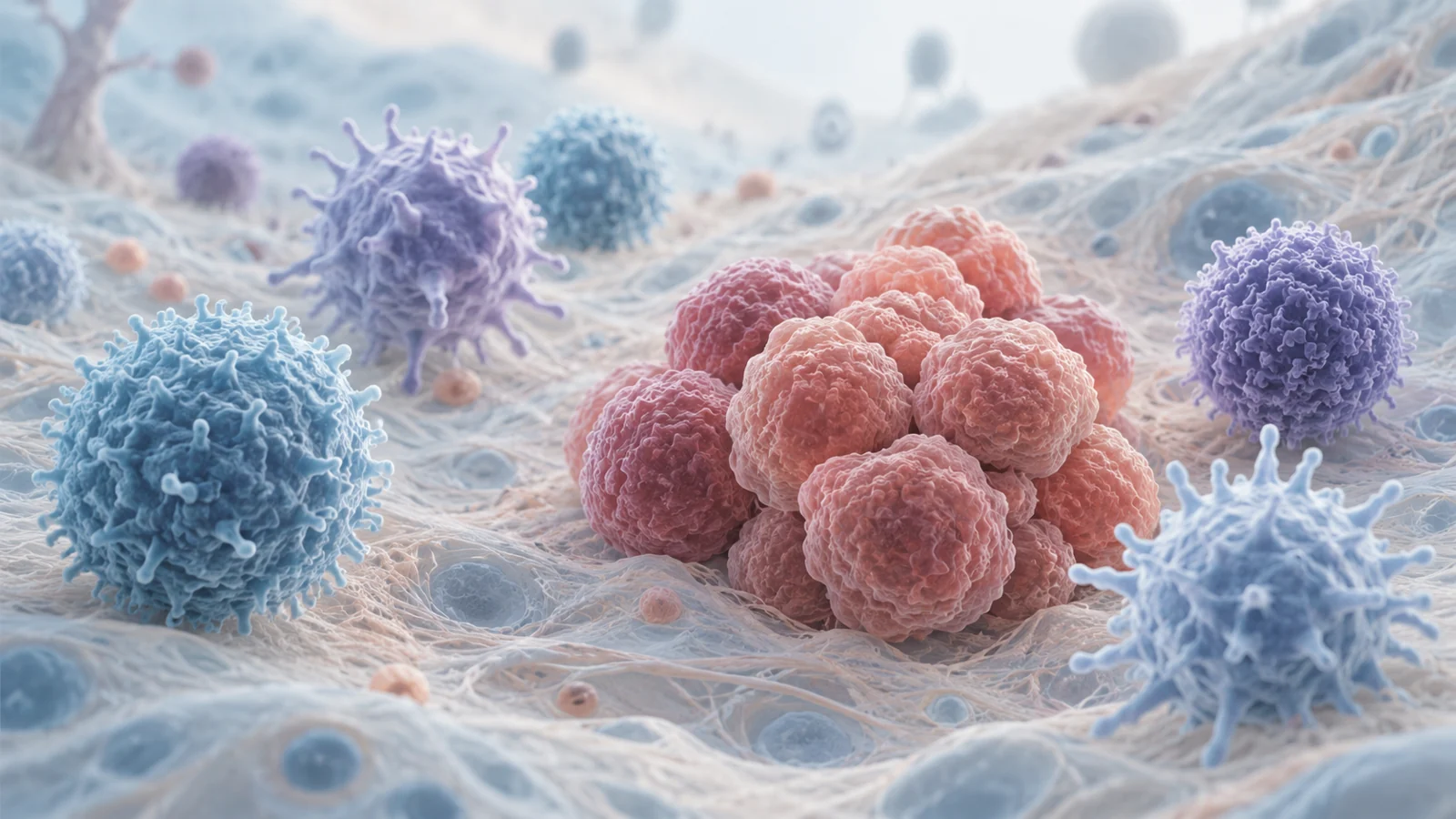
How immune aging affects cancer immunotherapy
Early ResearchEvidence DossierHow does immune aging affect the likelihood that cancer immunotherapy will work?
Main bottleneck: Determining which measurable features of immune aging reliably predict immunotherapy response, including when they signal better or worse outcomes. The review-only evidence trajectory does not establish a validated predictor.
-
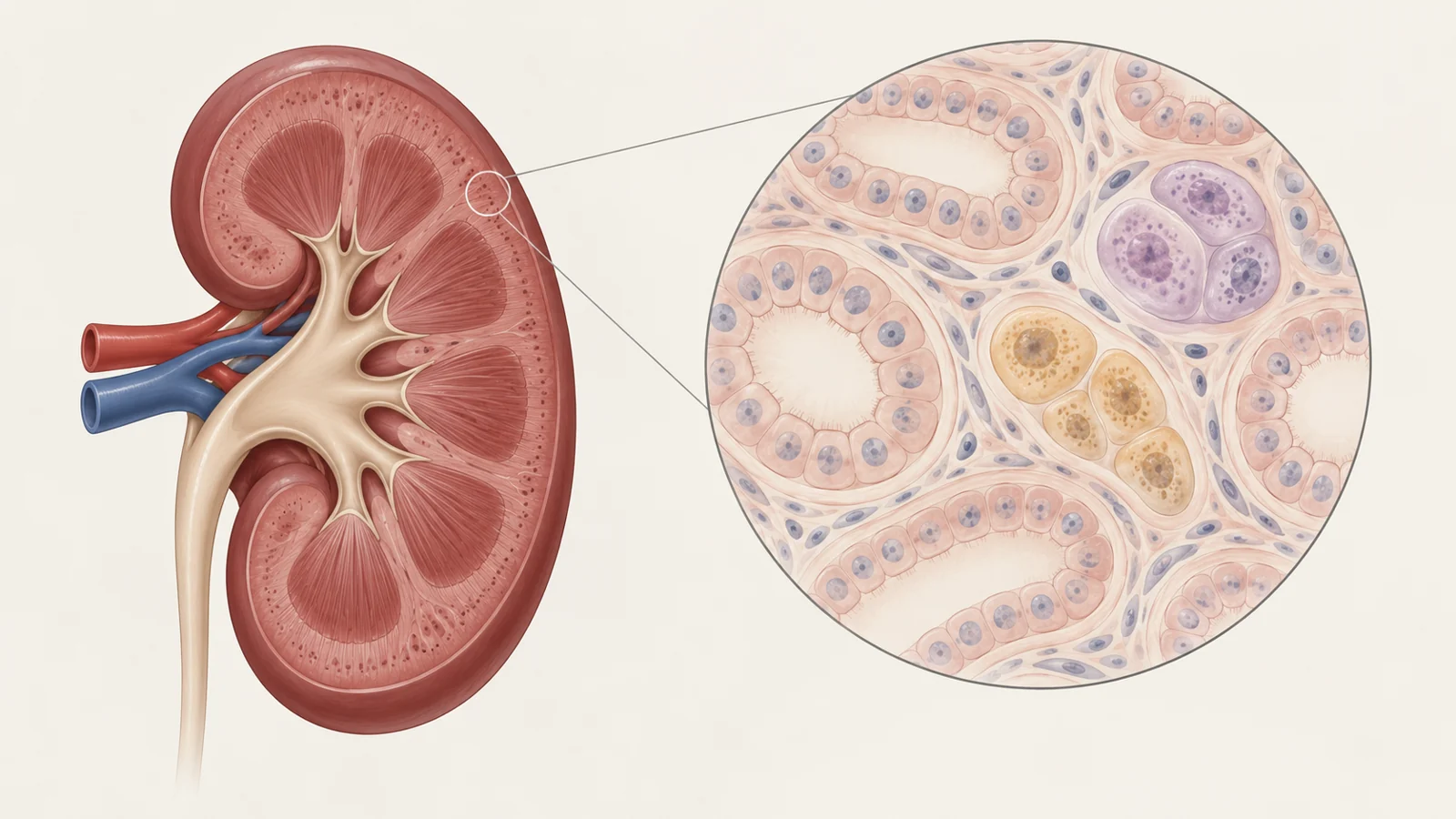
Renal senescence and senolytic response
Early ResearchDiscovery ClusterCan senolytic responses in kidney-cell models translate into measurable benefits for premature kidney aging?
Main bottleneck: Current evidence does not establish whether senolytic responses in the proximal tubule cell model predict meaningful benefits in human kidneys.
-
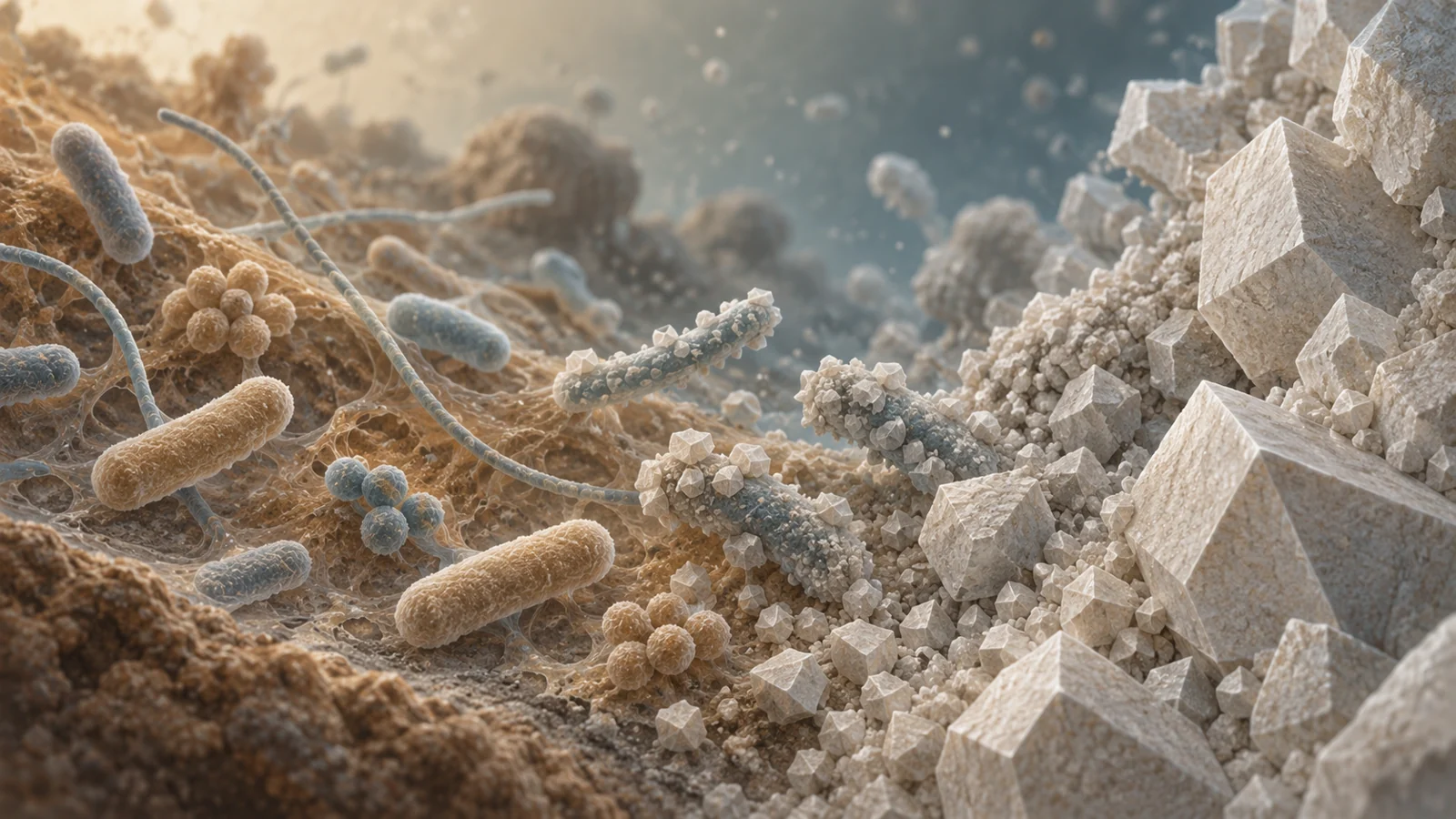
Microbial Carbonate Mineralization for Biocement
Early ResearchDiscovery ClusterCan microbial carbonate mineralization turn CO₂ into biocement with verified material performance and a measurable net climate benefit?
Main bottleneck: The bounded evidence does not establish whether carbonate formation translates into reliable biocement performance or whether the process delivers a net CO₂ benefit after accounting for its inputs.
-
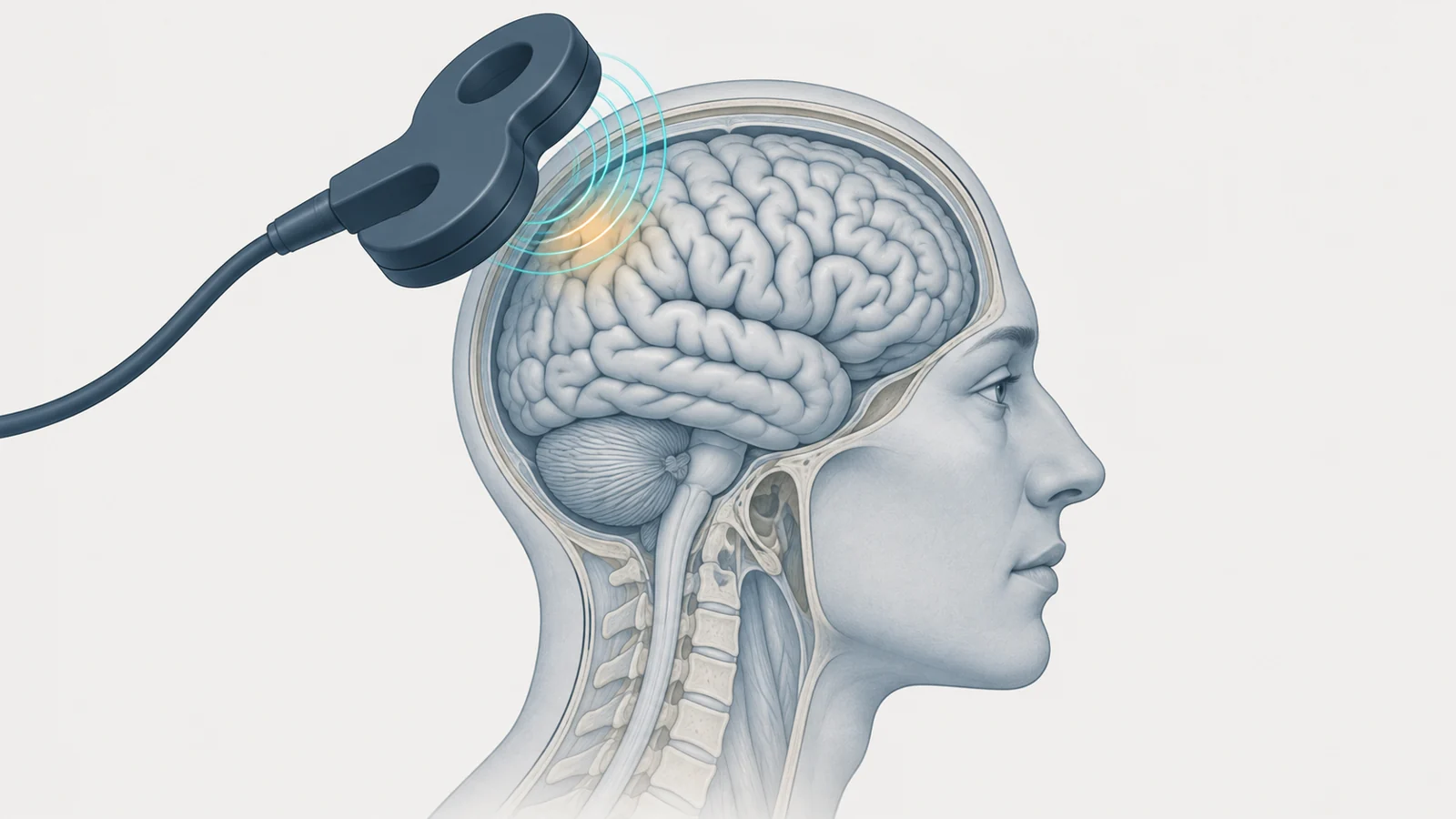
Does TMS Improve Cognitive Impairment?
Early ResearchEvidence DossierCan transcranial magnetic stimulation produce lasting cognitive improvements in people with dementia or milder cognitive impairment?
Main bottleneck: The available study records do not establish whether cognitive benefits are reproducible and sustained, or how they differ across diagnoses and stimulation protocols.
-
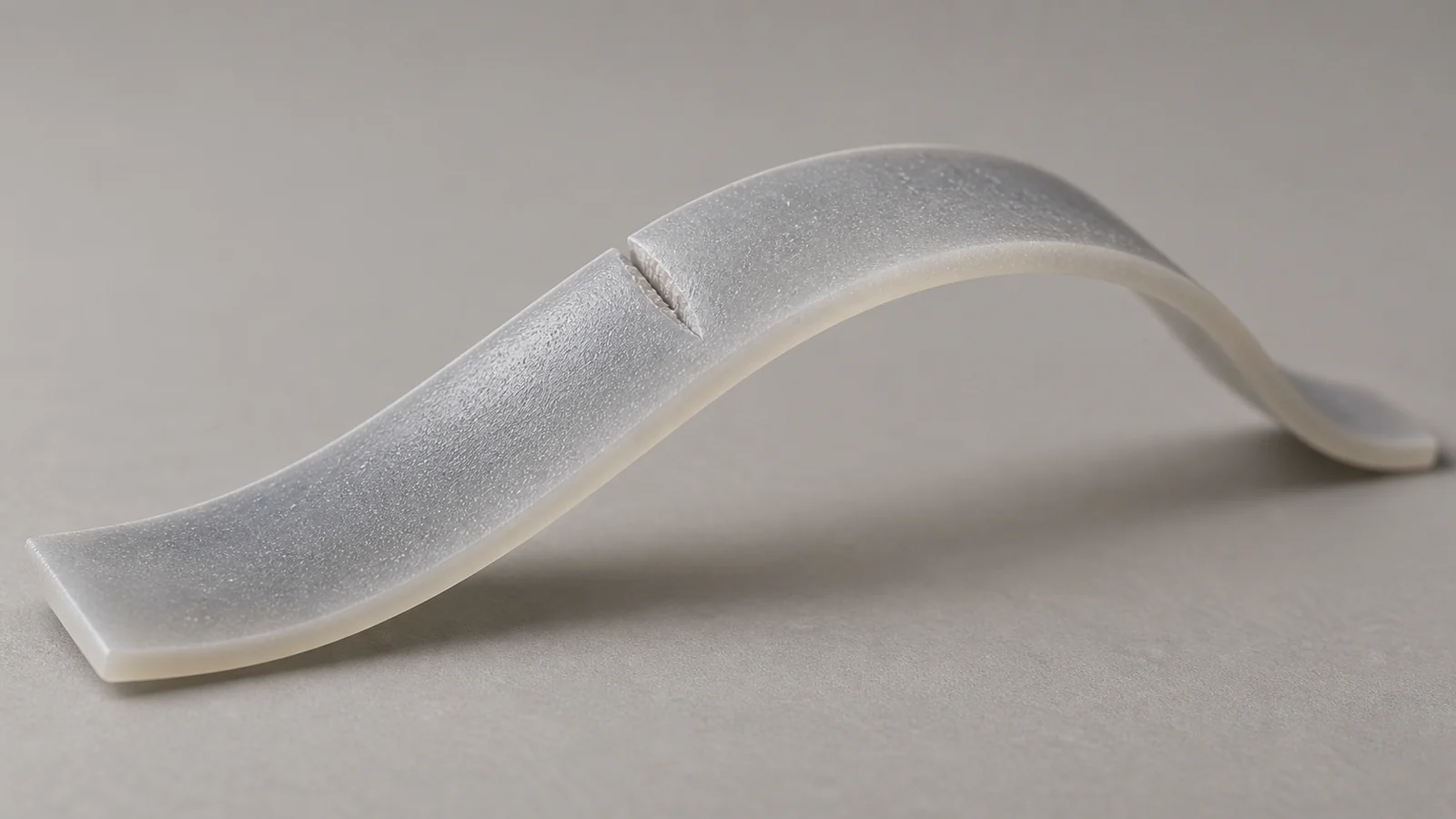
Self-Healing Polymers for Soft Actuation
Early ResearchDiscovery ClusterCan self-healing polymers restore soft actuator function after damage, including underwater?
Main bottleneck: Demonstrating reliable recovery of actuator function after healing, including repeated damage and repair. The supplied trajectory does not establish that performance.
-
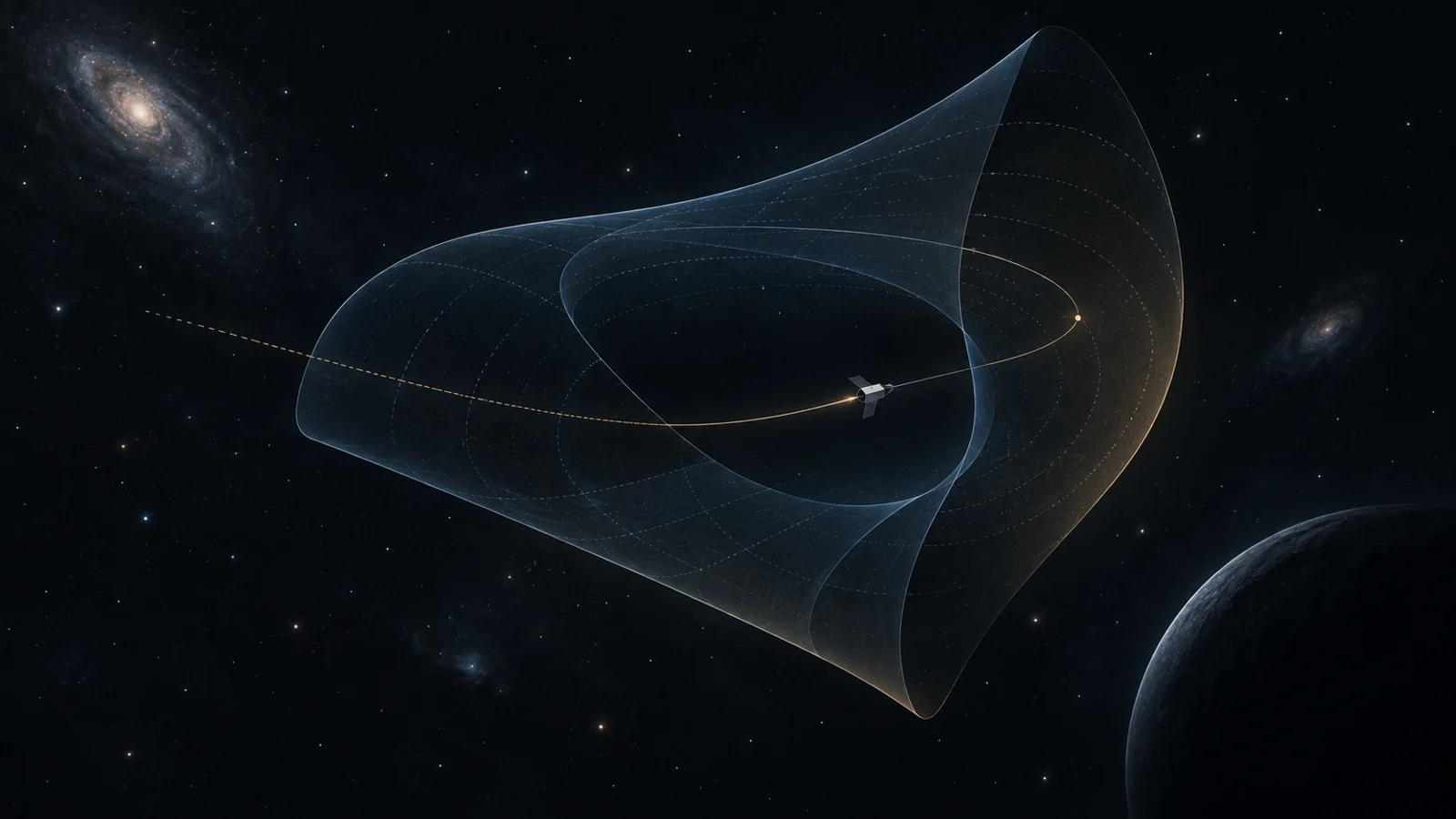
Learned Spacecraft Control With Safety Constraints
Early ResearchDiscovery ClusterCan learned spacecraft controllers adapt to unfamiliar situations while reliably obeying mission instructions and safety constraints?
Main bottleneck: Establishing that safety protections remain effective as a learned controller adapts, particularly during close spacecraft interactions. Current evidence does not establish that reasoning, adaptation, and runtime safeguards work reliably together.
-
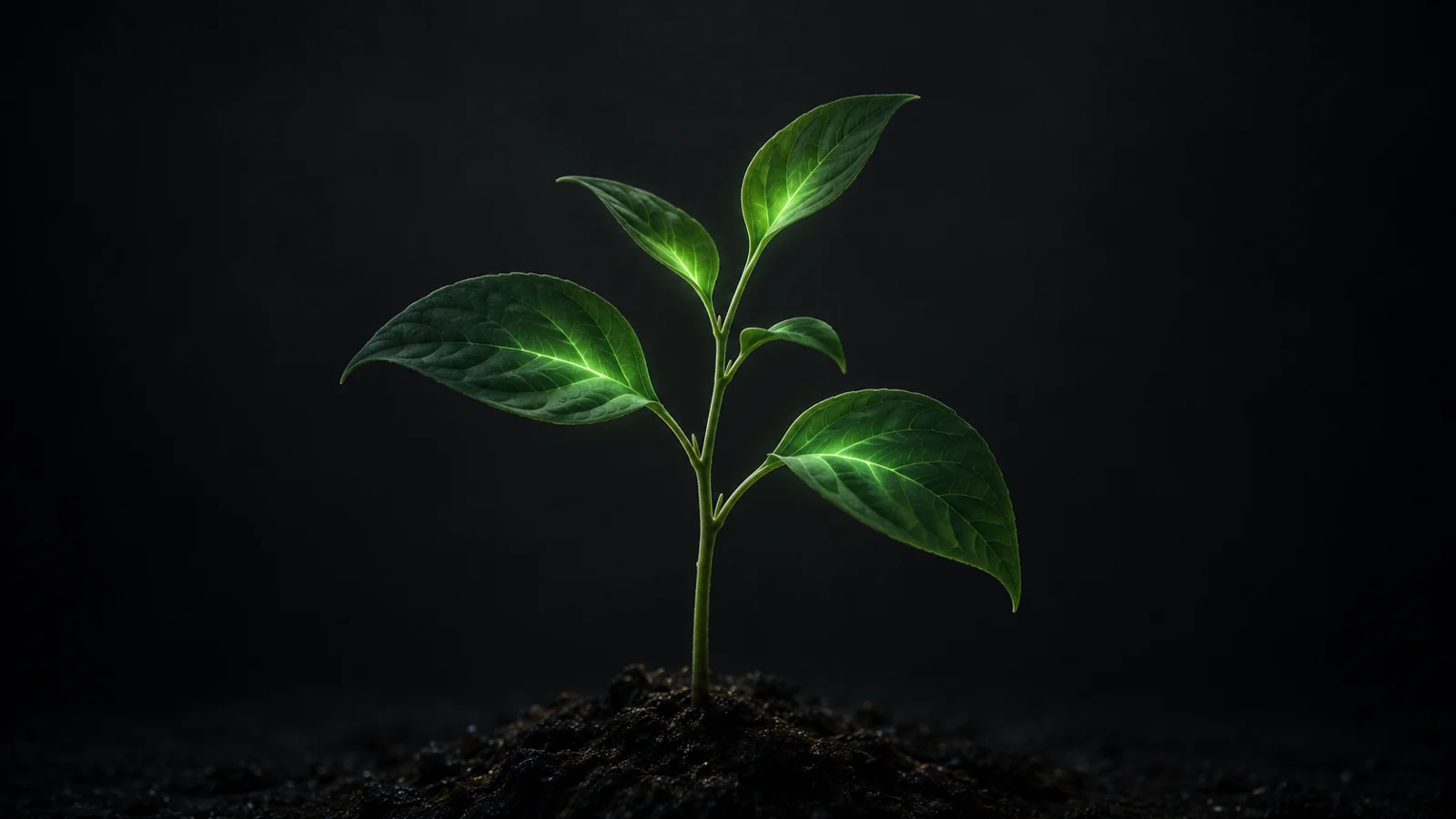
Autonomous Bioluminescence in Eukaryotes
Early ResearchDiscovery ClusterCan eukaryotic cells, including plant cells, reliably produce their own light for imaging?
Main bottleneck: The unresolved barrier is connecting coordinated expression of the luciferin biosynthesis genes to reliable light output for imaging. Current evidence does not establish whether the plant pseudo-polycistron approach achieves that.
-
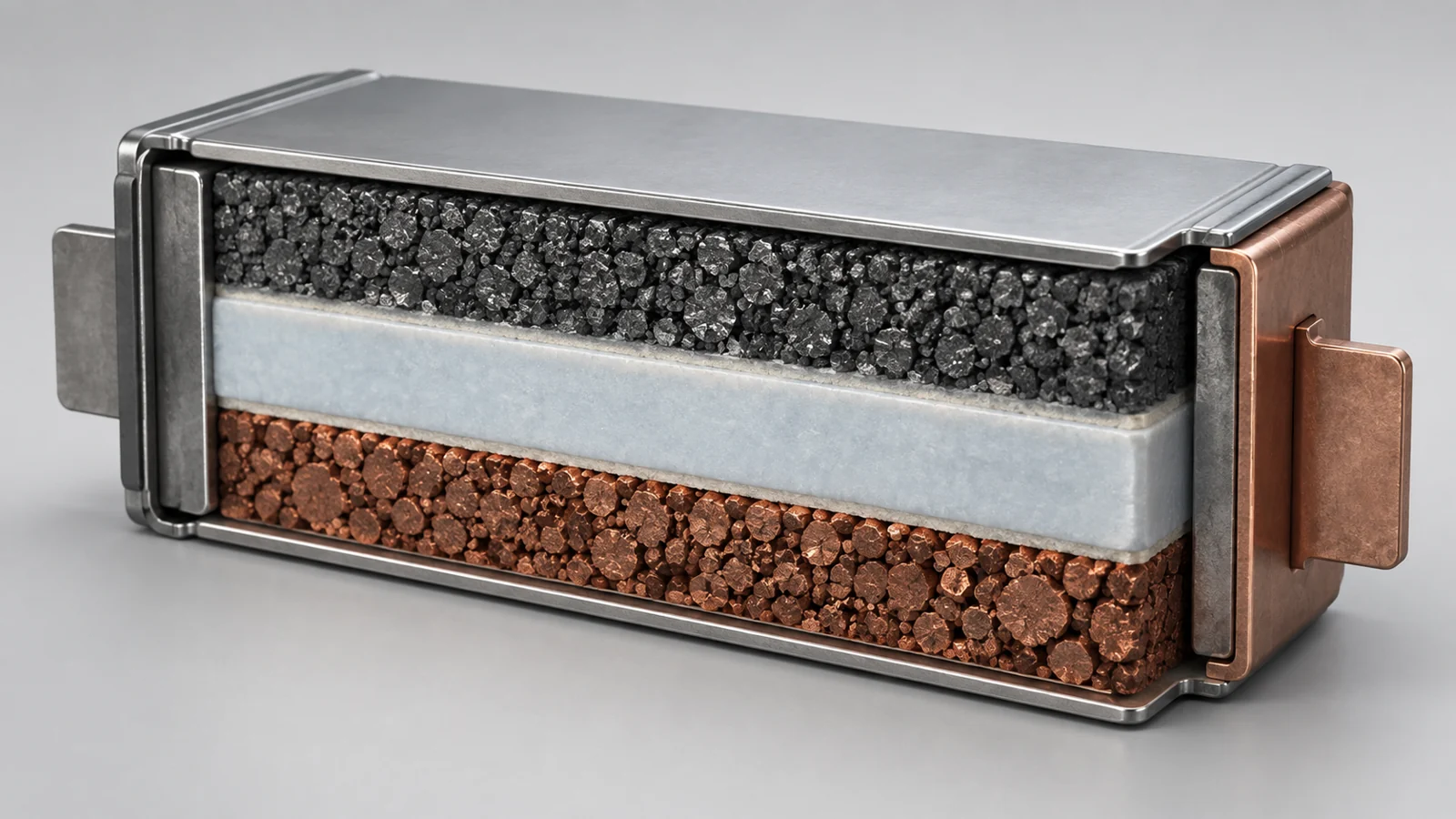
Solid-State Battery Development
Early ResearchTechnology TrackCan solid-state batteries sustain repeated charging and discharging while keeping ions moving efficiently and electrode–electrolyte contacts intact?
Main bottleneck: Maintaining chemically stable, mechanically intact electrode–electrolyte interfaces during cycling remains the central barrier: reactions, voids, fractures and metal growth can undermine contact and ion transport.