
Gene delivery for creatine transporter deficiency
Can gene delivery produce lasting functional improvements in creatine transporter deficiency beyond raising cellular creatine levels and partially correcting behavioural changes?
Following this research connects findings in patient cells with animal evidence of improved movement and behaviour. It helps readers assess whether biochemical gains translate into broader functional benefits.
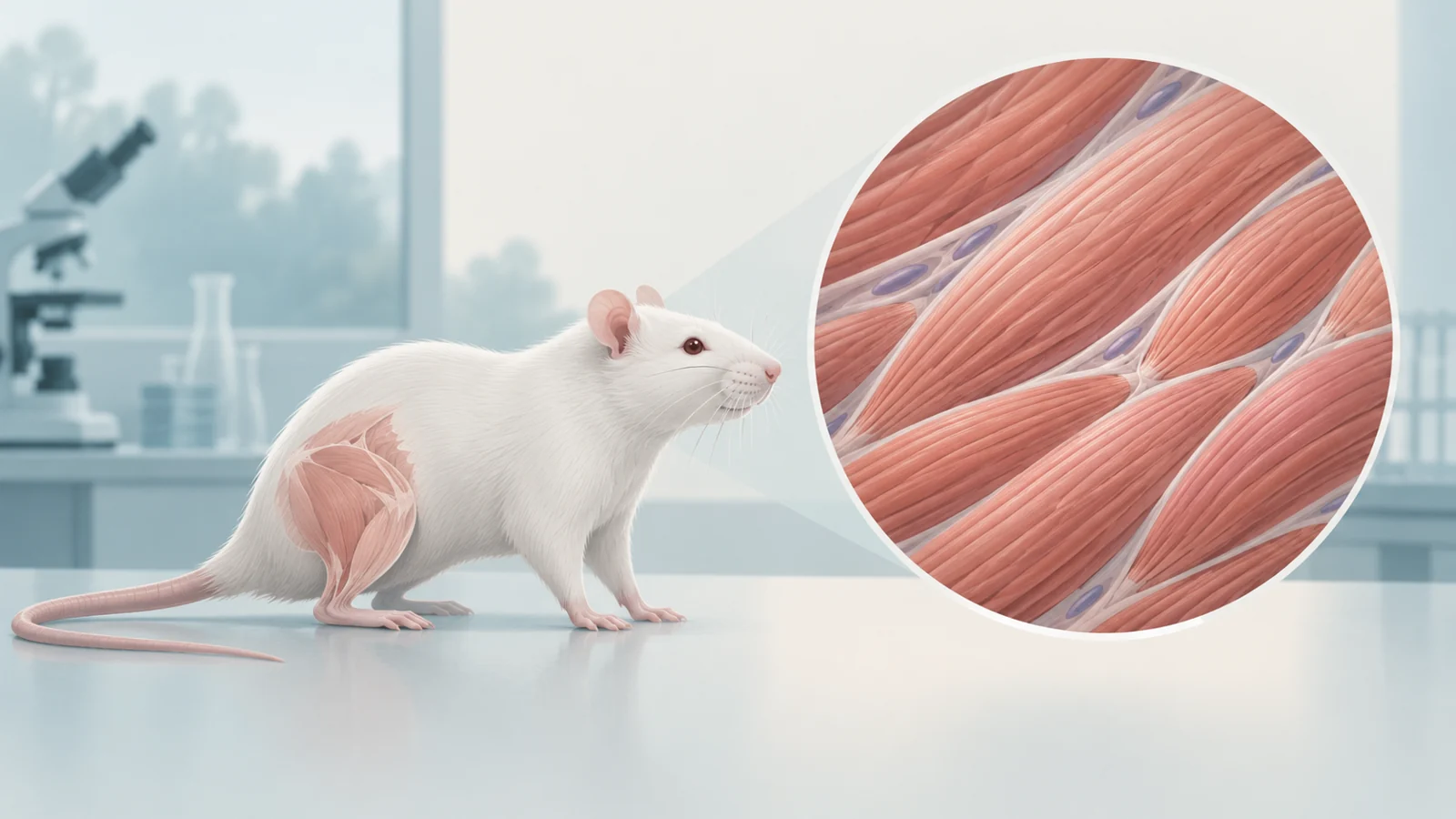
Where it stands now
Main bottleneck
The bounded evidence does not establish that increased creatine in patient fibroblasts and the reported animal improvements translate into durable, comprehensive functional recovery.
Watch next
A controlled animal study showing sustained improvements in both creatine levels and functional outcomes, with evidence addressing the remaining connectomic and behavioural alterations.
Progress timeline
How the evidence has changed over time.
2026 · 1 update
- What early replacement of the missing creatine transporter changed in mouse brain functionResearch note 3 of 3 · Source date 2026-03-05
Since the previous research note · Earlier expectation not tested
Track continuity
Since the previous research note: Can patient skin cells make their own creatine when import fails?
Previous expectation: Enabling relevant brain cells to make their own creatine might eventually support brain function despite faulty cellular import.
What this study adds: This study examines a different strategy, restoring the transporter through newborn gene delivery in mice and measuring brain creatine, networks and behaviour through development. It reports selected functional benefits and a cognitive safety concern in wild-type controls, but does not test the synthesis-bypass strategy.
Current research note
2025 · 1 update
- Can patient skin cells make their own creatine when import fails?Research note 2 of 3 · Source date 2025-05-08
Since the previous research note · Earlier expectation not tested
Track continuity
Since the previous research note: Brain-directed gene delivery protected movement and muscle development in rats with creatine transport deficiency
Previous expectation: Restoring creatine transport along relevant nervous-system pathways might protect movement and muscle development in children if delivery and benefits translate safely.
What this study adds: The May 2025 study examines a different strategy, delivering creatine-synthesis genes to cultured cells with defective transport. It reports increased intracellular creatine in patient-derived fibroblasts, without testing the earlier motor-development expectation.
Current research note
2024 · 1 update
- Brain-directed gene delivery protected movement and muscle development in rats with creatine transport deficiencyResearch note 1 of 3 · Source date 2024-04-23
How this Track works
This page changes as new evidence arrives. Open any update to see what researchers found at that point in the story.