
Bispecific PD-1/CTLA-4 Blockade
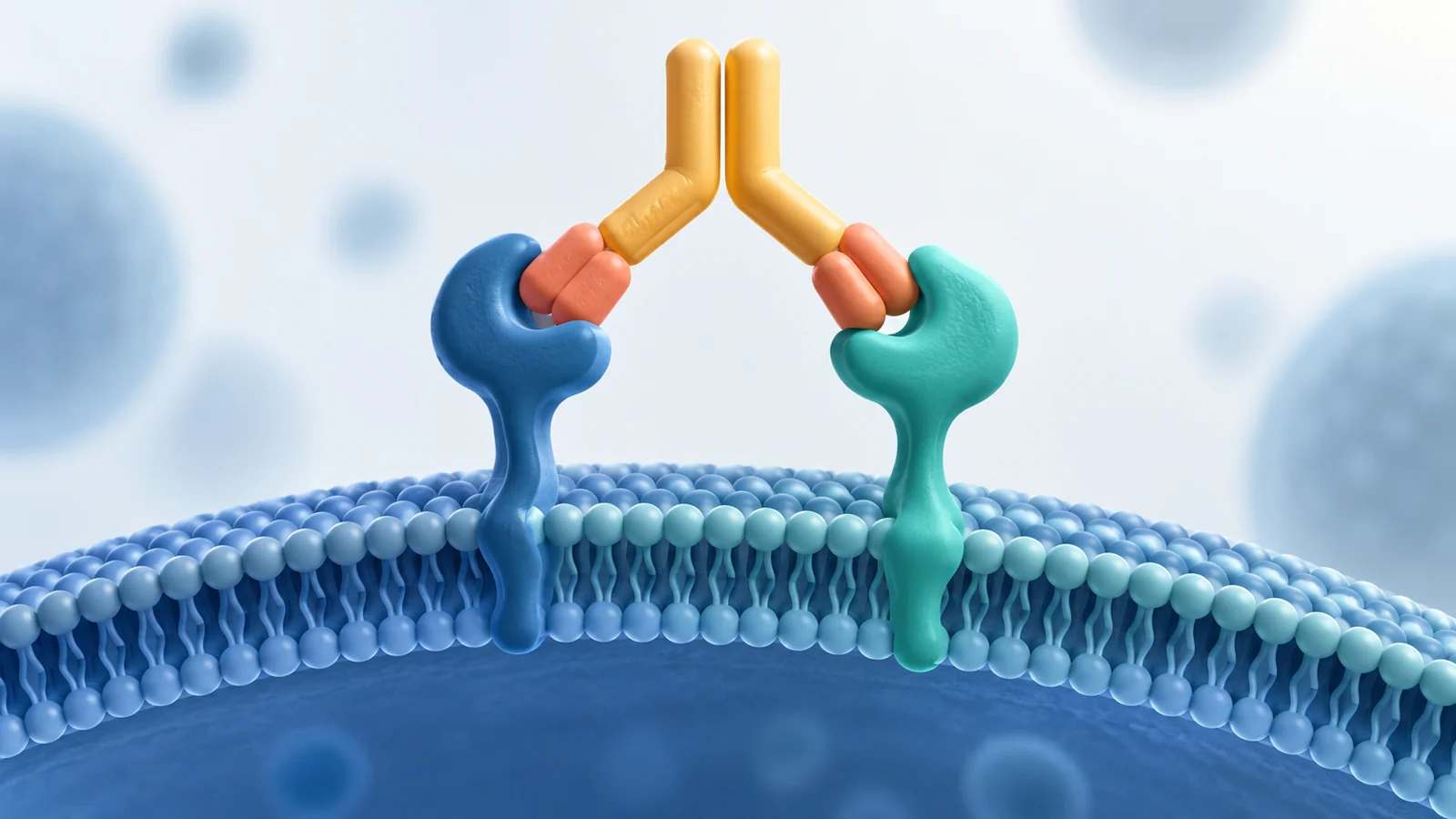
Can bispecific PD-1/CTLA-4 antibodies improve checkpoint blockade by directing stronger CTLA-4 activity to activated PD-1-positive T cells?
Following this cluster shows whether a specific antibody design moves from an initial efficacy report toward independent validation. That can clarify whether the proposed targeting strategy has evidence beyond its original study.
Where it stands now
Main bottleneck
Current evidence does not show whether the reported design and efficacy findings have been independently reproduced or validated beyond the initial study.
Watch next
Watch for an independent primary study that tests the design’s targeting and efficacy, or clinical evidence that establishes whether the approach translates to patients.
Progress timeline
How the evidence has changed over time.
2025 · 1 update
- Why block two immune brakes together in cancer?Research note 2 of 2 · Source date 2025-03-20
Since the previous research note · Earlier expectation not tested
Track continuity
Since the previous research note: How MEDI5752 directs CTLA-4 blockade toward activated T cells with PD-1
Previous expectation: A more selective dual-checkpoint antibody might deliver clinical benefit with acceptable safety for people with advanced cancer.
What this study adds: The 2025 review explains the wider rationale for pairing PD-1/PD-L1 and CTLA-4 blockade and makes broad claims about response. It does not supply a test of MEDI5752's selectivity, dose, benefit, or safety forecast in the provided abstract.
Current research note
2021 · 1 update
- How MEDI5752 directs CTLA-4 blockade toward activated T cells with PD-1Research note 1 of 2 · Source date 2021-01-08
How this Track works
This page changes as new evidence arrives. Open any update to see what researchers found at that point in the story.