
Research area
Batteries & Energy Storage
Electrochemical, thermal and other technologies for storing energy.
-
 Evidence date ·
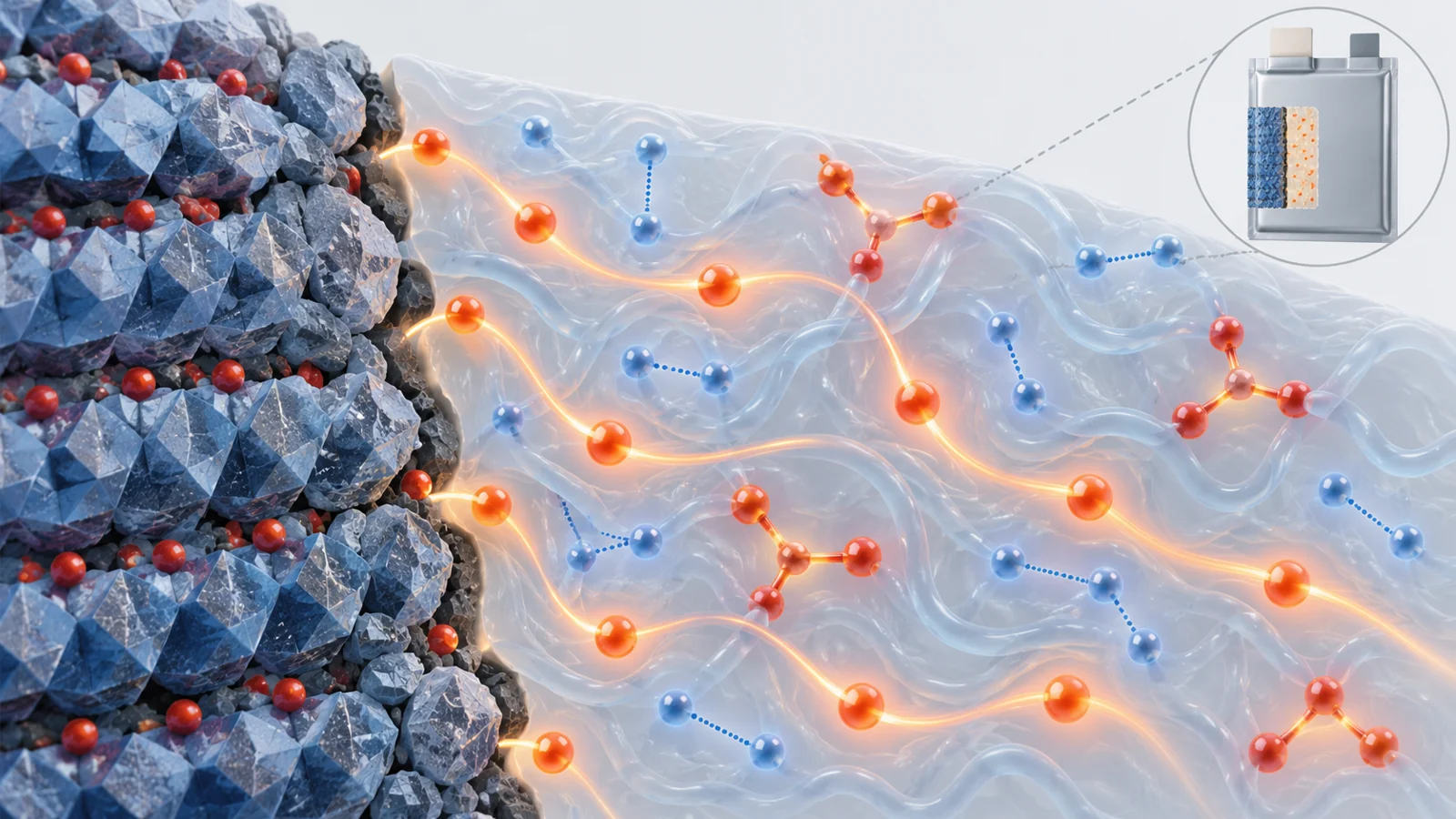
How reversible bonds help a self-healing electrolyte maintain electrode contact
Peer-Reviewed PaperTracked over timeResearchers combined two reversible bond types in a polymer electrolyte, then tested high-voltage lithium cells and pouch prototypes with limited safety evidence.
-
 Evidence date ·
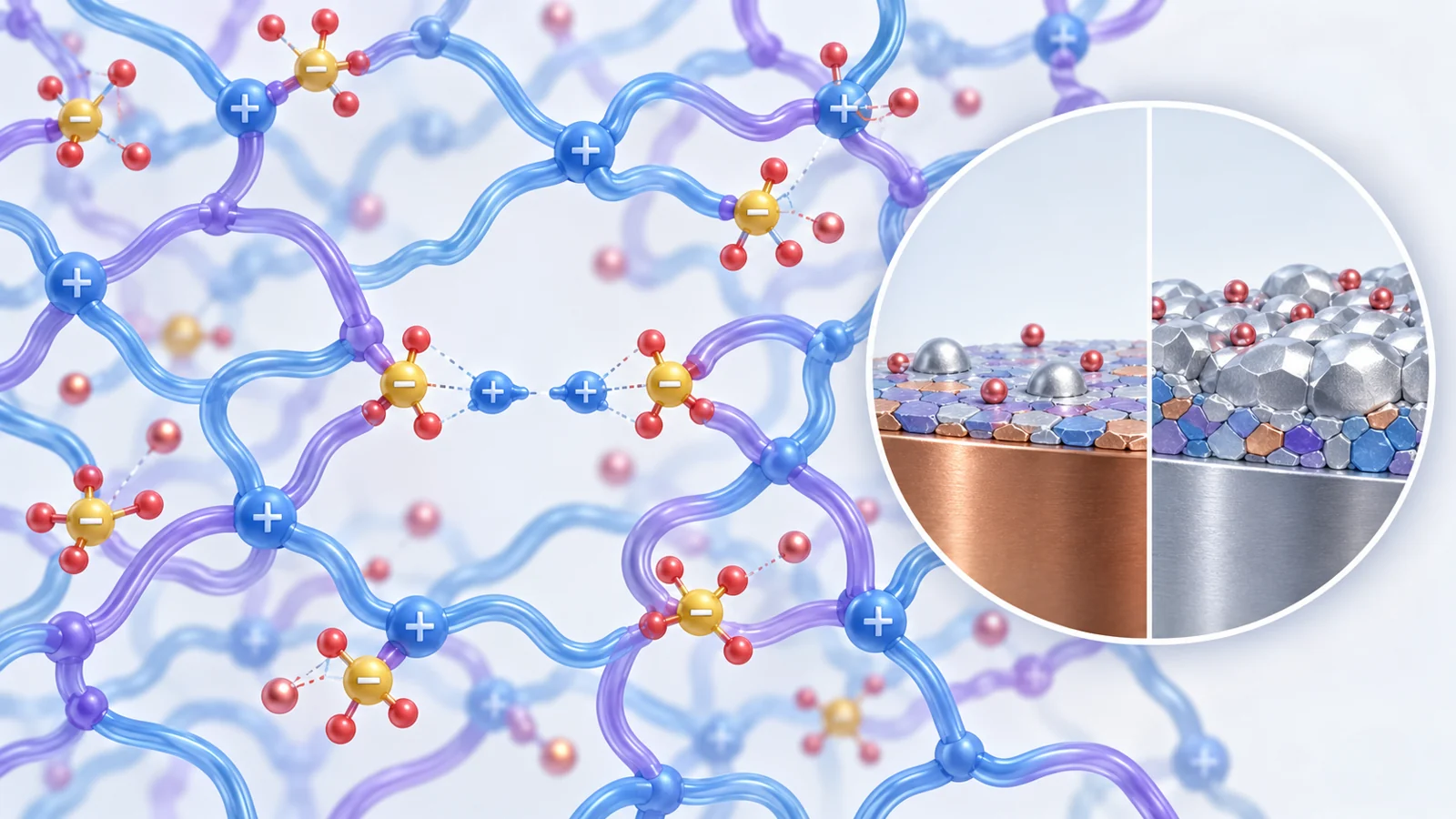
How charged groups could help a simulated battery electrolyte heal and carry lithium
Peer-Reviewed PaperTracked over timeSimulations explore how a charged polymer could repair damage and carry lithium ions, offering a possible route to longer-lasting anode-free batteries.
-
 Evidence date ·
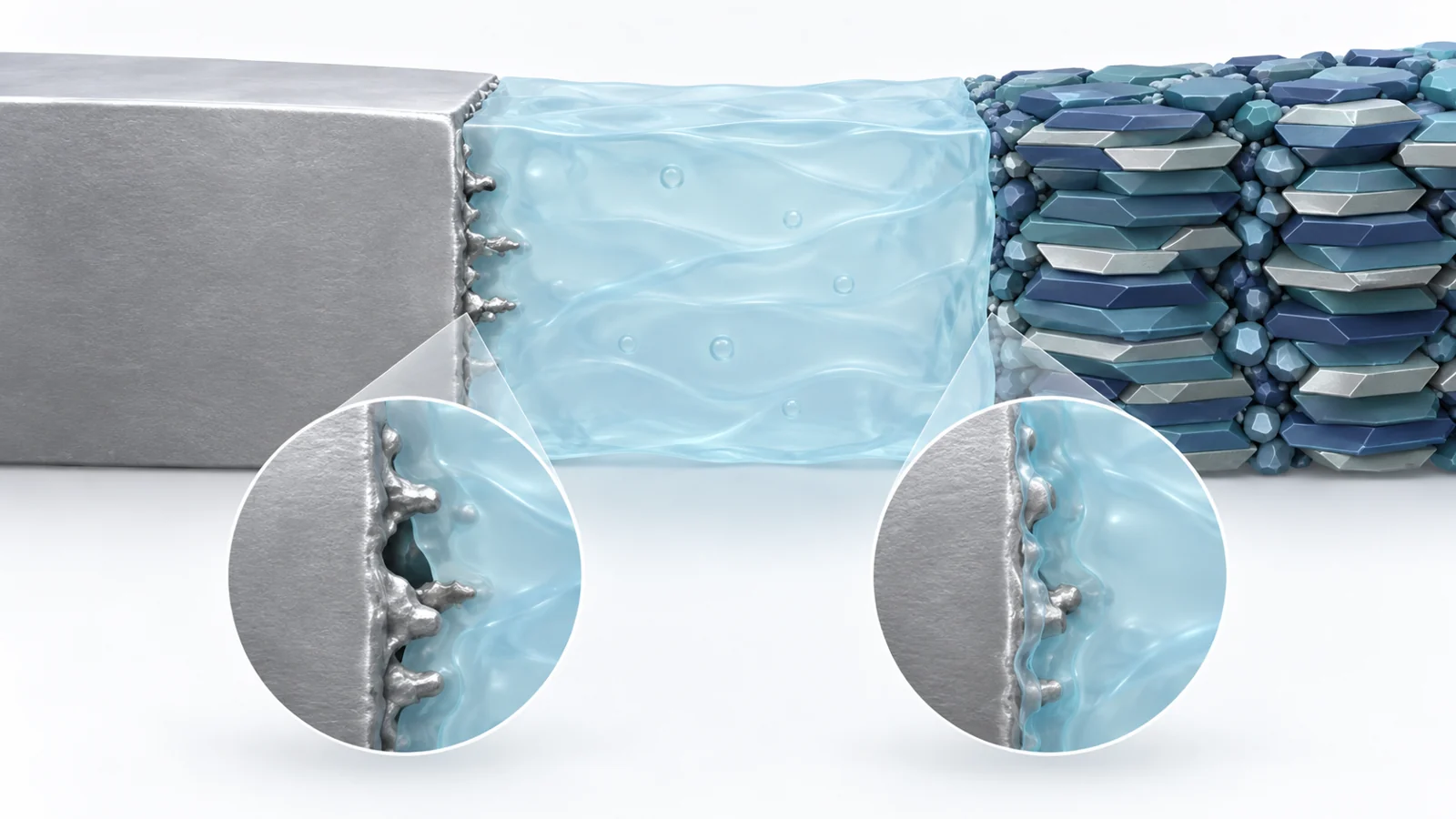
How a self-healing electrolyte performed with a high-voltage cathode
Peer-Reviewed PaperTracked over timeThe study describes a polymer electrolyte that repairs lithium-interface damage and reports 80.4% capacity retention after 500 cycles.
-
 Evidence date ·
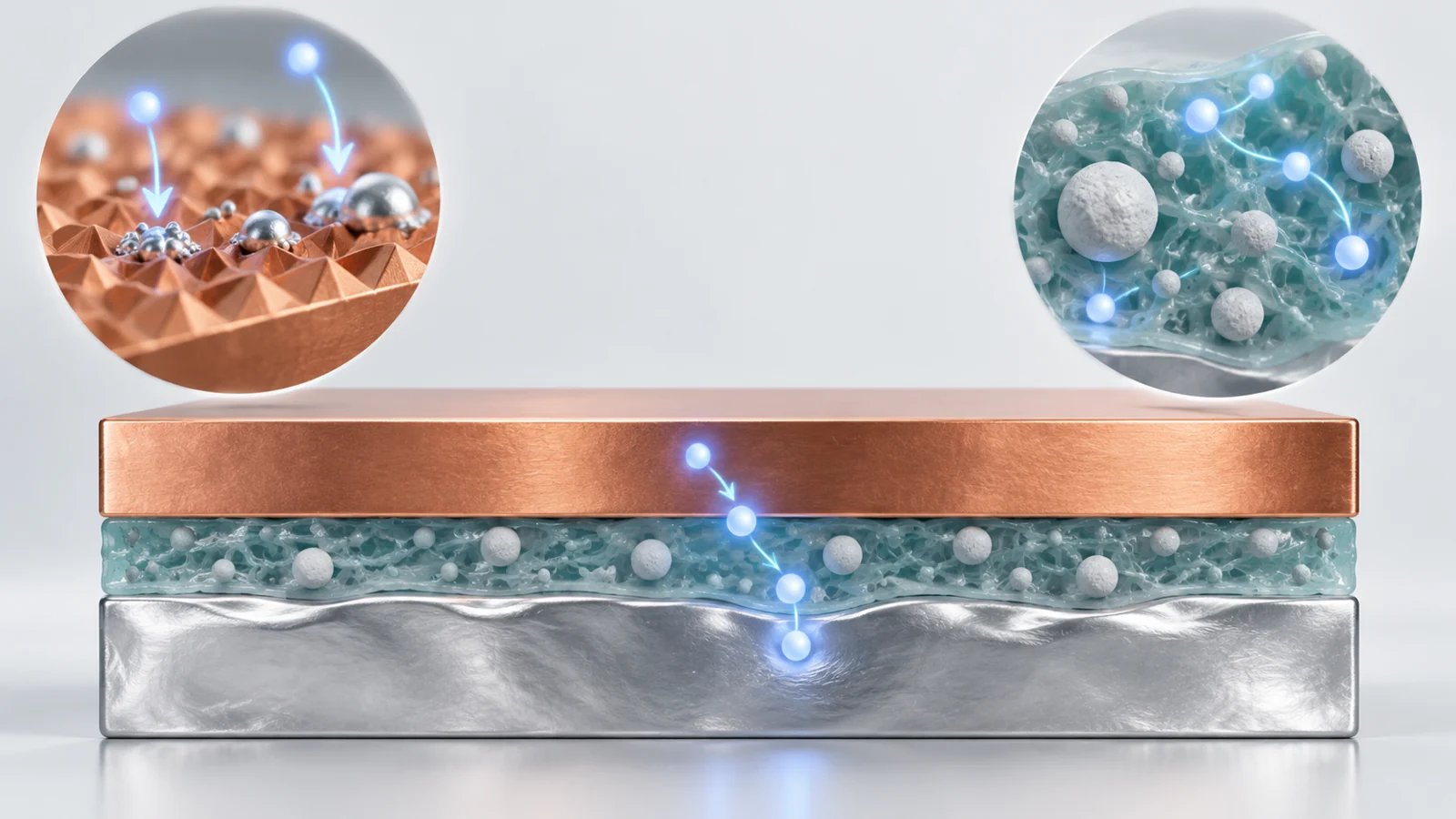
How researchers tune a battery interface to carry lithium ions
Peer-Reviewed PaperTracked over timeA separator-free lithium test links salt concentration to 85% first-cycle charge recovery, while surface control and ceramic reinforcement target deposition and strength.
-
 Evidence date ·
How carbon and a protective coating shape a solid-state battery’s life
PreprintTracked over timeA July 2026 preprint compares 0%, 2% and 3% carbon in a coated cathode, reports cycling from −20 to 60 °C, and identifies hurdles before practical cells.
-
 Evidence date ·
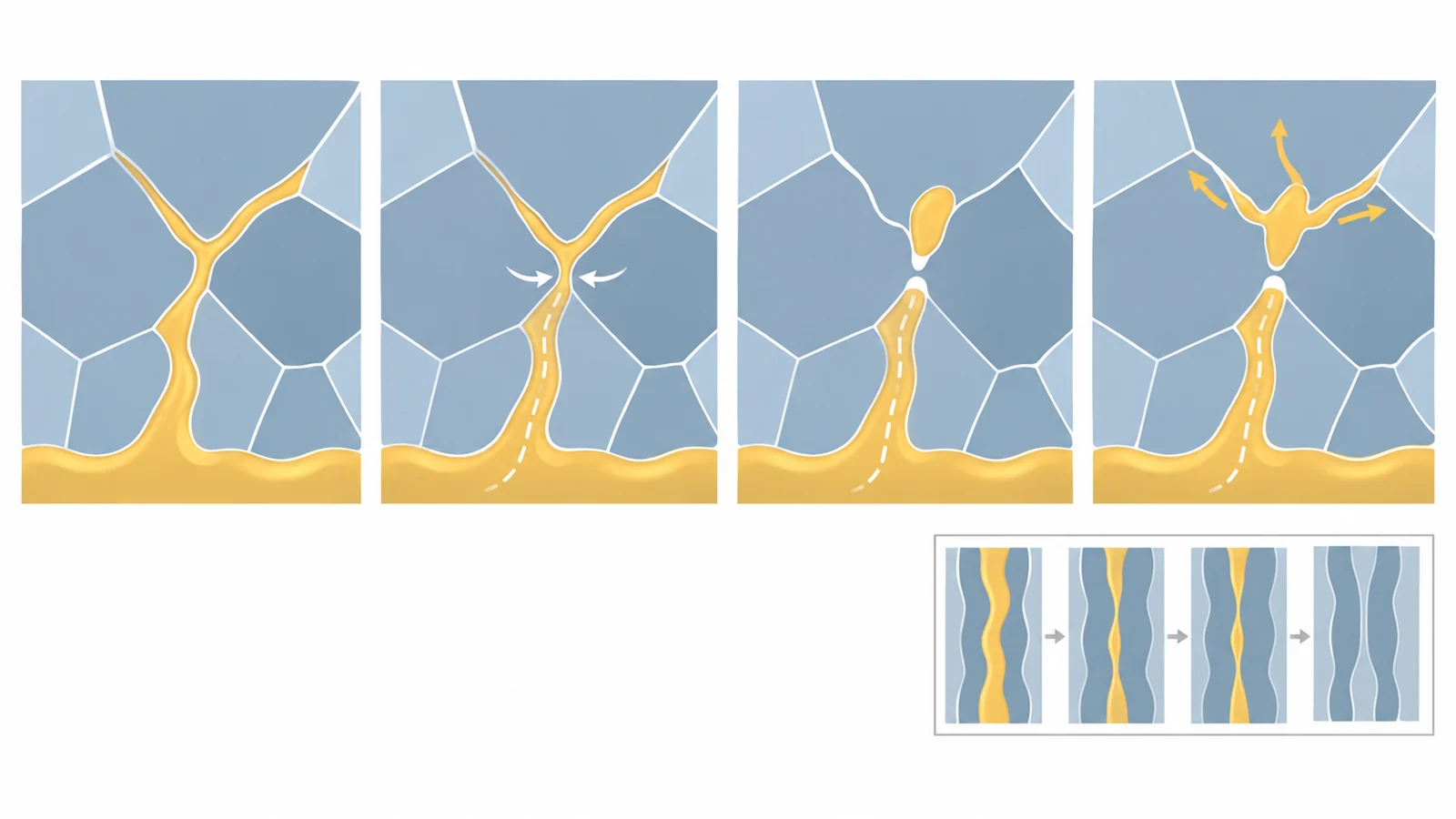
A thinning sodium branch can leave a remnant behind
PreprintTracked over timeA modeling preprint suggests sodium metal can become isolated at grain-boundary junctions, survive stripping, and fuel renewed penetration in later cycles.
-
 Evidence date ·
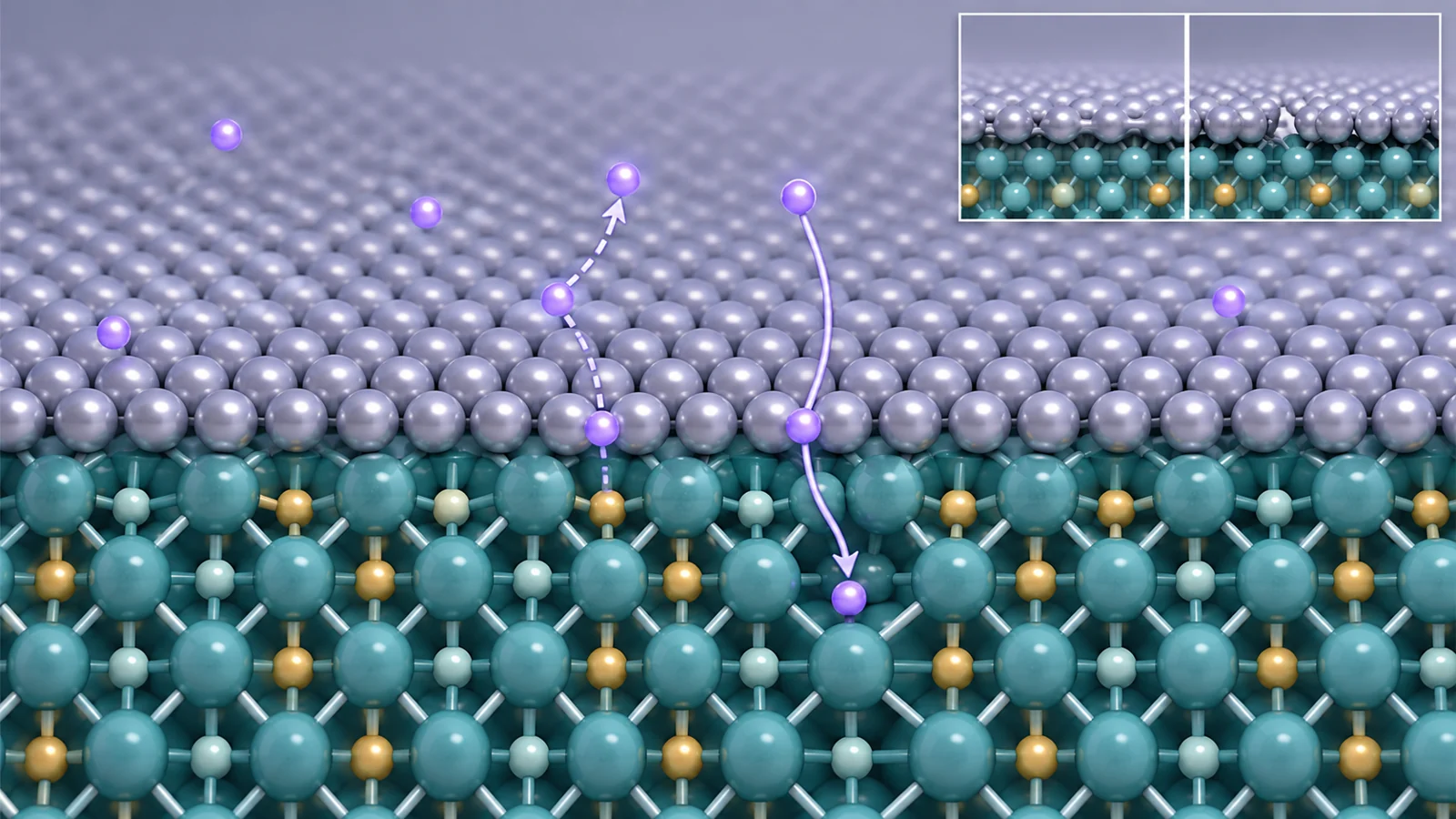
Why fast lithium transfer may not solve a battery’s contact problem
PreprintTracked over timeSimulations find a low lithium-transfer barrier at a gallium-doped LLZO interface, while contact area and constant-charge modeling complicate the picture.
-
 Evidence date ·
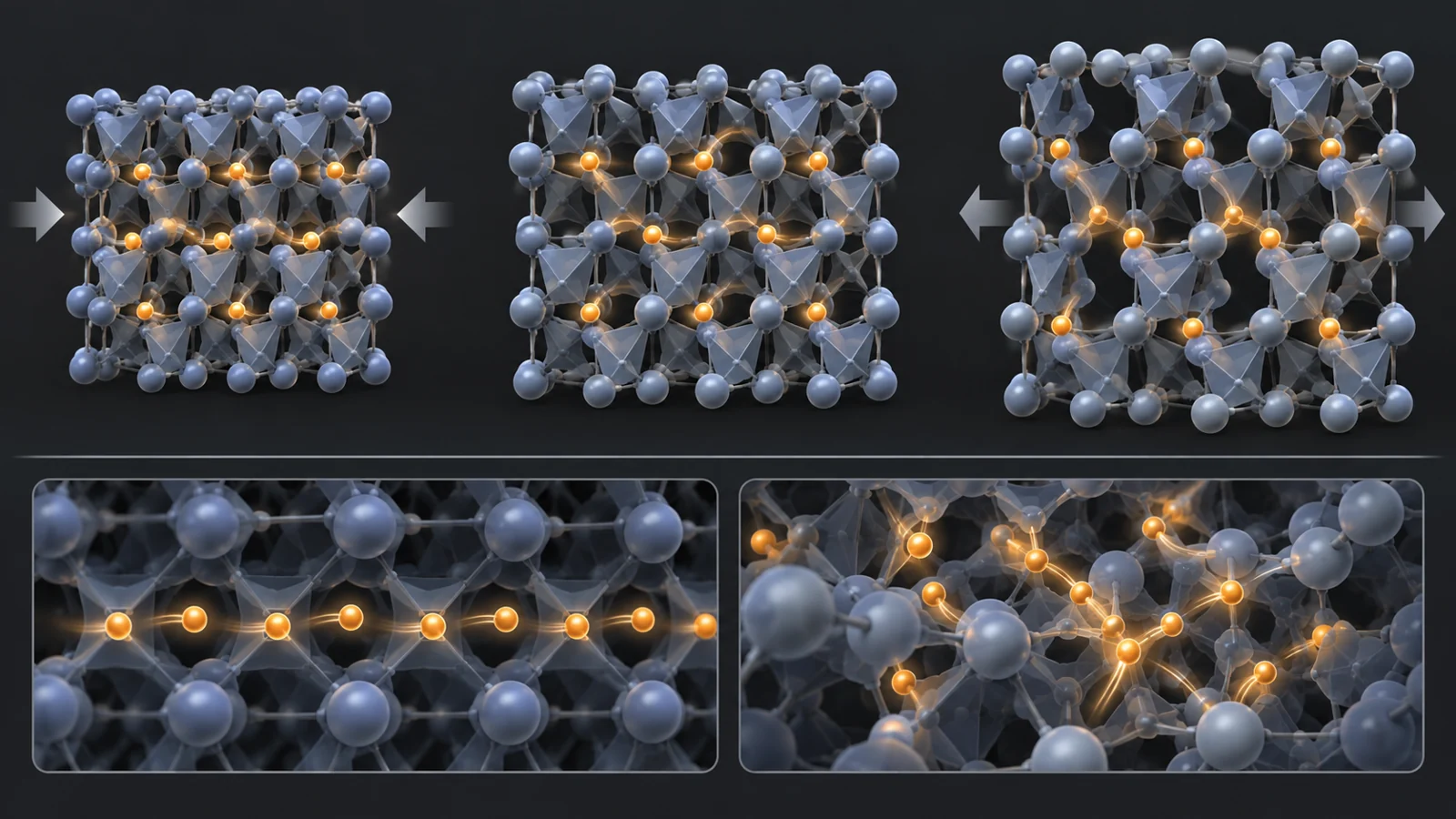
Lithium can move faster without changing its route through a solid
PreprintTracked over timeA simulation preprint finds that expansion speeds lithium movement in Li3YCl6 and compression slows it, without changing the underlying transport pattern.
-
 Evidence date ·
Why a battery can look stable while its interface keeps changing
PreprintTracked over timeA modeling preprint separates changing lithium contact from accumulating interphase damage and predicts how faster discharge could reverse an energy advantage.
-
 Evidence date ·
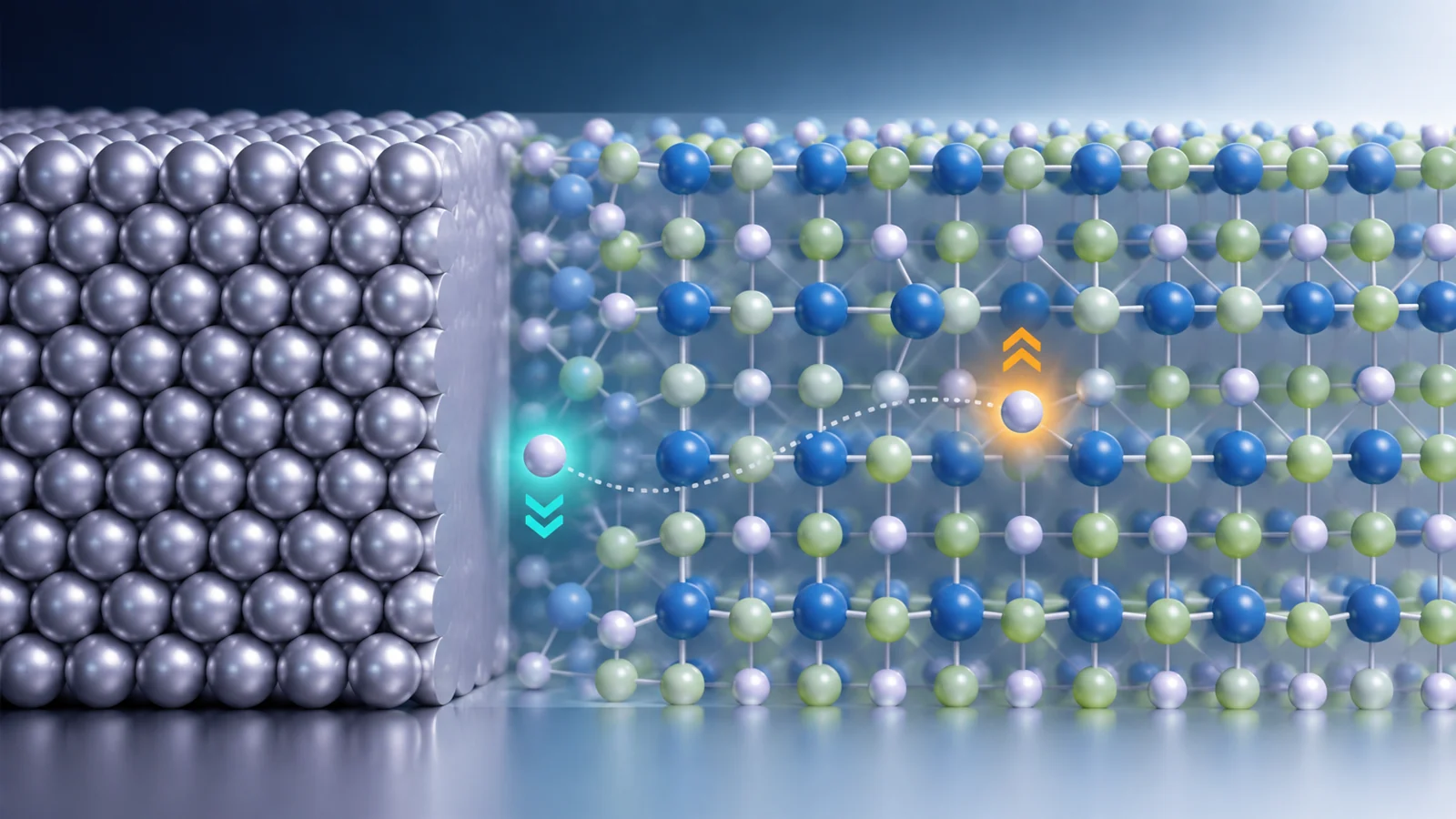
What adding one lithium atom reveals about a solid battery interface
PreprintTracked over timeA preprint’s calculations show what positive and negative insertion energies mean, and why a migration barrier is a different test. Battery implications remain conditional.