
Research Signal – Source date 2024-12-16
With age, the immune system can remain in a state of persistent, low-level inflammation while becoming less effective at responding to infection. The first pattern is called inflammaging; the decline in immune function is known as immunosenescence. They can coexist, leaving older adults more vulnerable to some infections and contributing to weaker responses to vaccines.
A review published December 16, 2024, examines how these changes emerge across cells and tissues. Its account connects molecular wear and altered cell maintenance to the body’s first defenses against pathogens. It also highlights why immune aging differs among people and why proposed ways to slow it have not yet become proven protection against infection.
Inflammation can persist while immune defenses weaken
Inflammation is part of the body’s response to threats, but it can also persist at a low level as people age. At the same time, immune functions that help recognize and control pathogens can decline. These processes interact: persistent inflammation can disrupt the immune environment, while weakened immune surveillance can make it harder to clear cells that contribute to inflammation.
Senescent cells can accumulate in tissues as people age. The immune system normally helps remove them. When senescent cells persist, they can release a changing mixture of inflammatory signals called the senescence-associated secretory phenotype, or SASP. These signals can affect nearby cells and tissues.
The SASP is not simply harmful. Its components can help with tissue remodeling and other local responses, but persistent release can also sustain inflammation and contribute to disease progression. The review describes this as one part of a feedback loop, rather than a single explanation for all age-related immune change.
Cellular upkeep shapes inflammatory signals
Several forms of cellular wear can help keep inflammatory signaling active. DNA damage accumulates as repair becomes less efficient with age. Unresolved damage can activate cellular alarm responses and prompt the release of inflammatory molecules, including signals that affect neighboring cells.
Cells also rely on autophagy, a cleanup process that breaks down damaged proteins and organelles. When this process declines, defective cell components can accumulate. Autophagy also helps remove parts of some inflammatory signaling systems; reduced cleanup can therefore leave more of the machinery that drives inflammation in place.
Mitochondria, best known for supplying cellular energy, can contribute to the same problem when they malfunction. Aging can disrupt their maintenance and turnover. If mitochondrial DNA or other components leak into the cell’s interior, they can be detected as danger signals and activate inflammation. This links impaired cellular upkeep to immune signaling without making any one route the sole cause of inflammaging.
The first encounter with a pathogen may change
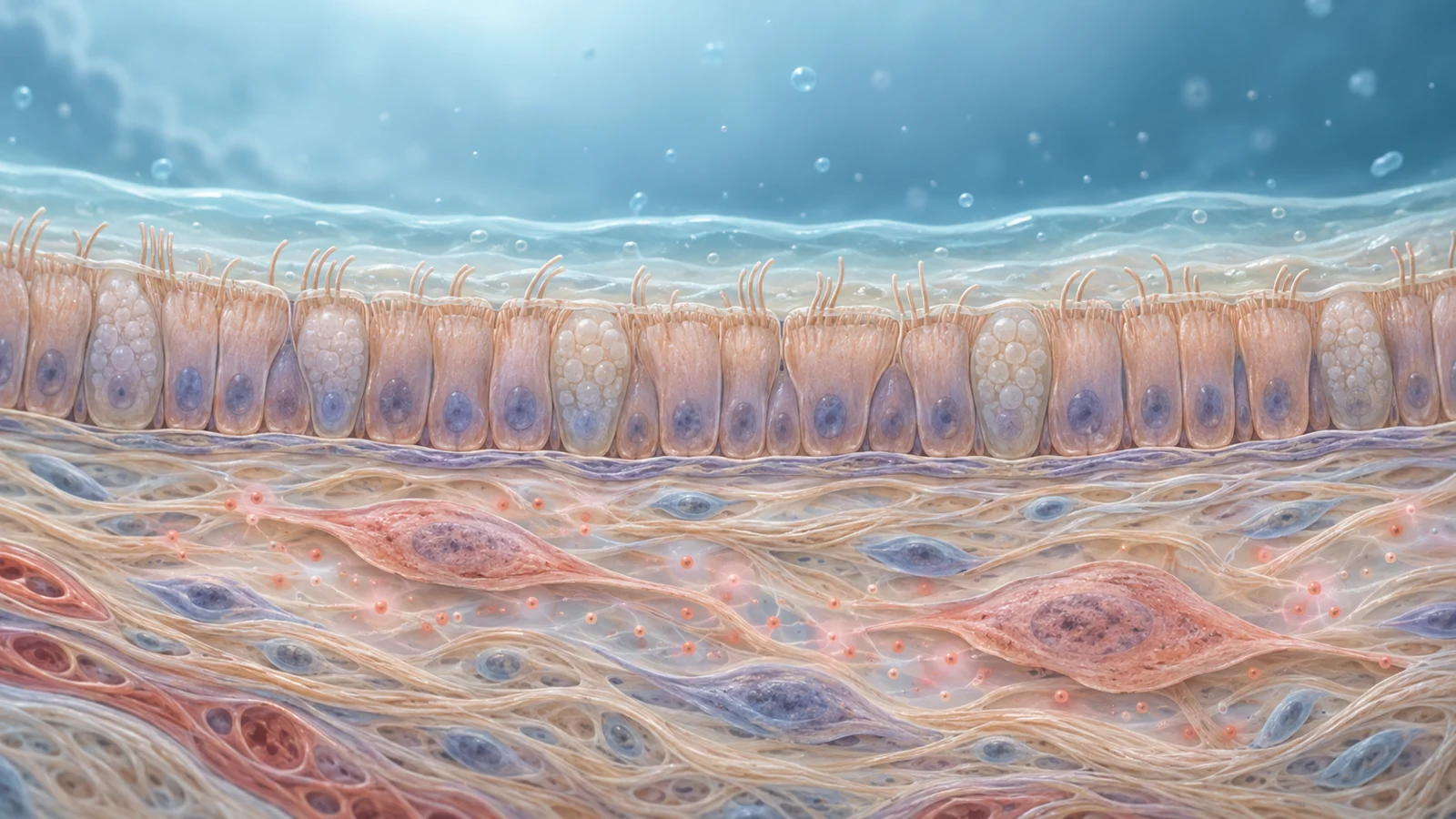
Immune defense begins at body surfaces, before immune cells respond. In the airways, mucus helps trap pathogens, while cilia help move material out. The review describes age-related reductions in mucus and tear secretion, along with cilia dysfunction. Less effective clearance can allow pathogens to remain in tissues longer; changes in respiratory epithelial function are one possible contributor to older adults’ increased susceptibility to community-acquired pneumonia.
If pathogens get past the surface, immune cells such as macrophages help detect and engulf them. The review describes age-related reductions in macrophage phagocytic function, alongside changes that include lower expression of some pathogen-sensing receptors and impaired autophagy. These shifts can affect both pathogen handling and inflammatory signaling, adding another layer to the response after the initial barrier encounter.
Risk and immune markers vary from person to person
Age alone does not describe an individual’s immune state. Cardiovascular disease and diabetes, which are common among older adults, can compound immune dysfunction. Immunosuppressive and anti-inflammatory medicines can also alter responses, making it harder to draw a simple line from age to infection risk or vaccine response.
Measurements bring their own challenge. Inflammation can be associated with aging, but infection itself also produces inflammatory signals. The review notes that this overlap makes it difficult to identify a marker that cleanly distinguishes age-related immune change from an active infection. Differences among individuals further complicate the search for a single profile or intervention suited to everyone.
Proposed strategies still need evidence in people
The review discusses senolytic agents, which aim to remove senescent cells, as well as mTOR inhibitors, metformin, exercise and dietary changes. These approaches target processes linked to immune aging, including persistent senescence and inflammation. The review presents them as promising areas for investigation, not as established ways to prevent infections or restore vaccine responses in older adults.
Moving from a biological target to a useful treatment would require showing that an approach changes the relevant immune-aging process and improves outcomes that matter, such as protection against infection or vaccine response, in older people. Researchers would also need ways to distinguish the effects of aging from inflammation caused by infection and account for differences in health and medication use. The review does not describe a new intervention test that establishes such protection.
What this could change for older adults facing infection
Better ways to identify distinct patterns of immune aging could eventually help tailor infection prevention and vaccination for older adults. That benefit depends on separating aging-related signals from those produced by infection and showing that the patterns predict meaningful differences in protection. If interventions are then validated in older people, they could improve that protection; the strategies discussed in this review remain candidates, not demonstrated solutions.
Key Sources
- Primary source: Immune aging and infectious diseases.
DOI or Journal Page · Review or Meta-Analysis · 2024-12-16
Keep exploring