
Research Signal – Source date 2022-11-24
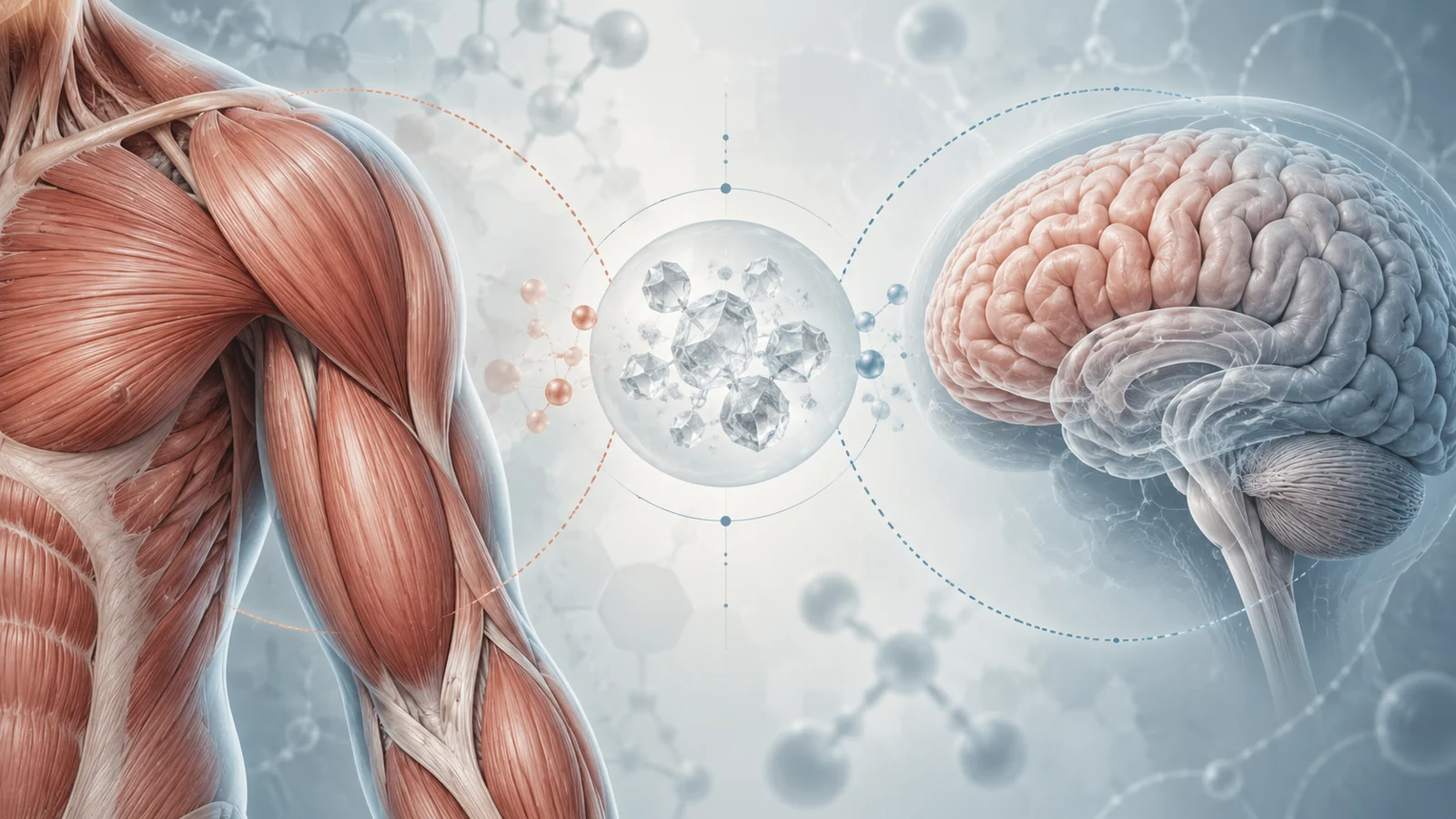
Could creatine be relevant to inflammation in cerebral palsy? A November 2022 opinion paper presents that as a research question, not a treatment result. It connects the question to cerebral palsy’s muscle atrophy, reduced strength and altered muscle tone, and to the higher prevalence of chronic diseases described in people with the condition. Its contribution is a rationale for investigation: reported anti-inflammatory effects of creatine in other research make it worth testing in cerebral-palsy models, but the paper does not establish that creatine reduces inflammation or improves function in people with cerebral palsy.
Why inflammation enters the discussion
Cerebral palsy affects movement and muscle tone, and the paper links the associated muscle changes with a greater chronic-disease burden. Those conditions are often associated with peripheral inflammation, meaning inflammatory activity outside the brain, such as in muscle or other body tissues. The location matters because a change measured in peripheral tissue would answer a different question from a change within the brain.
The authors also state that central inflammation in cerebral palsy had not been evaluated. That statement identifies a research gap rather than evidence of inflammation in the brain. Creatine’s reported anti-inflammatory action in other research is the reason they propose asking whether it could influence this profile in cerebral palsy.
From a plausible idea to a testable question
The paper calls for experimental models of cerebral palsy to examine inflammatory markers, especially in the brain, alongside approaches aimed at reducing impairments already observed. This proposal has two linked but separate steps. Researchers would first need to establish whether relevant inflammatory changes can be measured in these models and whether creatine changes them. They would then need to determine whether any biological change connects to movement, strength, muscle tone or another meaningful aspect of function.
That connection is not automatic. A marker can change without producing a benefit that a person notices, and the abstract does not give a creatine dose, treatment duration, safety conclusion, effect size, participant count, experimental species or named marker. It also does not establish that the proposed cerebral-palsy experiments have been performed. The paper is therefore best read as a case for disease-specific preclinical work, followed by clinical research—not as evidence that supplementation already helps people with cerebral palsy.
What this could change
A credible chain from experiment to care could eventually support better therapeutic strategies for children with cerebral palsy: researchers might learn whether inflammation is a useful treatment target, where it should be measured, and whether addressing it can help with existing impairments. That possibility depends on cerebral-palsy research supporting the proposed biological link and later clinical studies showing meaningful benefit with acceptable safety. Until those steps are completed, creatine remains an investigational idea in this context, while the practical value of the paper lies in sharpening what researchers need to connect.
Key Sources
- Primary source: Creatine supplementation to improve the peripheral and central inflammatory profile in cerebral palsy.
DOI or Journal Page · Review or Meta-Analysis · 2022-11-24
Keep exploring