
Does TMS Improve Cognitive Impairment?
Can transcranial magnetic stimulation produce lasting cognitive improvements in people with dementia or milder cognitive impairment?
Following this evidence can clarify which patient groups might benefit and whether findings hold across repetitive, deep, and accelerated stimulation approaches.
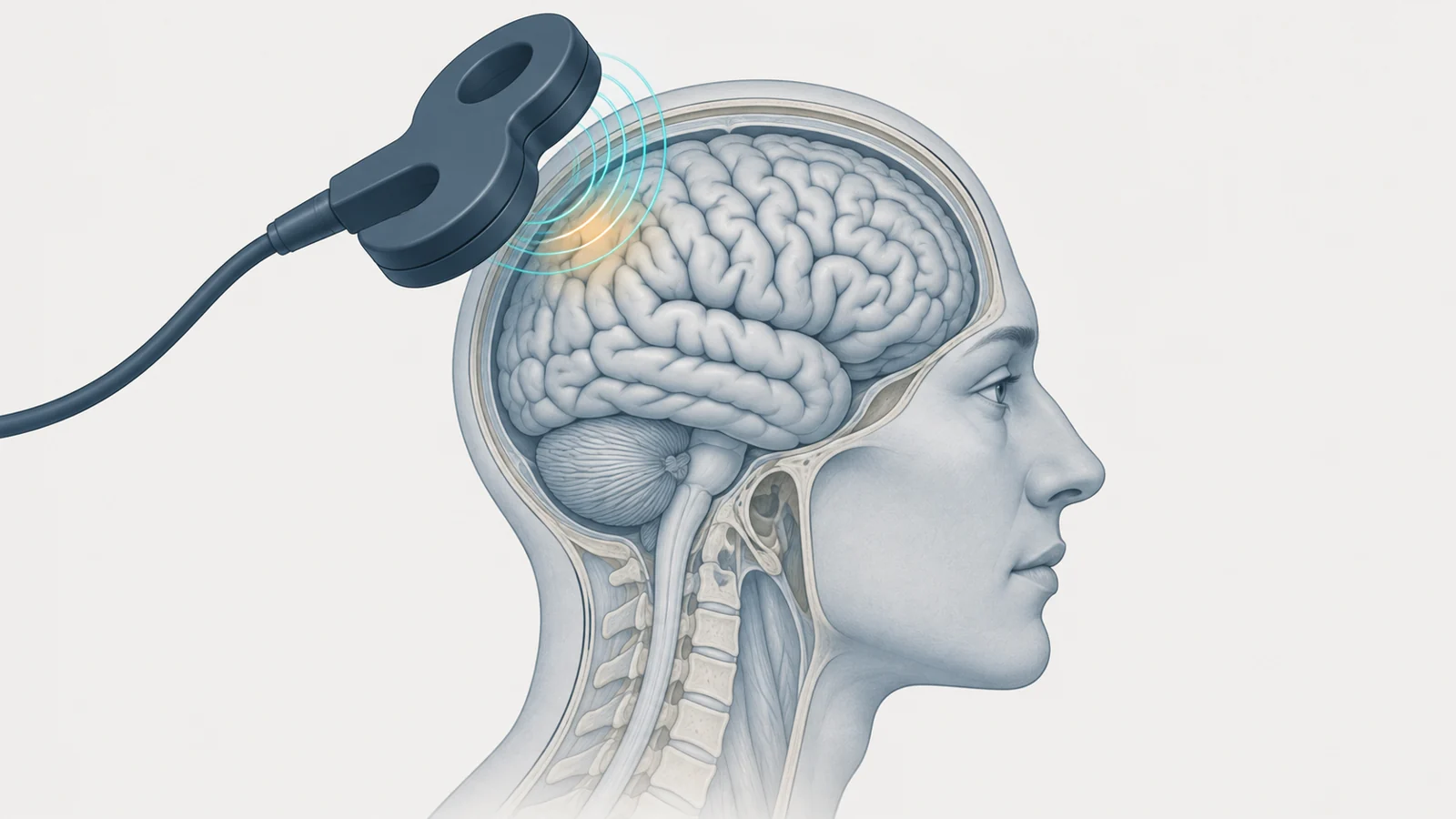
Where it stands now
Main bottleneck
The available study records do not establish whether cognitive benefits are reproducible and sustained, or how they differ across diagnoses and stimulation protocols.
Watch next
Controlled trial results showing whether deep or accelerated rTMS improves cognition in a defined patient group, with follow-up measuring whether any benefit persists.
Progress timeline
How the evidence has changed over time.
2026 · 1 update
- A six-session brain stimulation pilot asks whether changes in thinking could lastSource date 2026-04-23
Since the previous research note · Earlier expectation not tested
Track continuity
Since the previous research note: What researchers could learn from three brain stimulation coils
Previous expectation: A tolerable stimulation approach with lasting cognitive benefits confirmed in sham-controlled research could give older adults another treatment option for thinking difficulties.
What this study adds: This registry entry specifies a six-session course over approximately three weeks and planned assessment of global and domain-specific cognition through three months. It adds a distinct delivery-and-assessment question, while the supplied evidence does not test the earlier conditional forecast.
Current research note
2025 · 1 update
- What researchers could learn from three brain stimulation coilsSource date 2025-06-26
Since the previous research note · Earlier expectation not tested
Track continuity
Since the previous research note: Why an Alzheimer's study pairs five days of magnetic stimulation with sleep and thinking tests
Previous expectation: A brief stimulation course might offer people with mild-to-moderate Alzheimer's disease an additional treatment option if improvements in sleep and cognition were reproducible, tolerable and lasting.
What this study adds: The June 2025 registry description introduces a planned three-coil feasibility and tolerability comparison in older adults with mild neurocognitive disorder, accompanied by cognitive, brain-activity, mood and sleep assessments. Its stated purpose is to inform a later sham-controlled trial.
Current research note
2024 · 1 update
- Why an Alzheimer's study pairs five days of magnetic stimulation with sleep and thinking testsSource date 2024-04-25
Since the previous research note · Earlier expectation not tested
Track continuity
Since the previous research note: How magnetic pulses probe brain function and test possible memory treatments
Previous expectation: Validated stimulation targets and lasting cognitive gains could provide an additional treatment for people with illness-related memory and thinking difficulties.
What this study adds: The April 25, 2024 registry description specifies an Alzheimer's study combining a sham comparison with sleep and cognition assessments, exploratory glymphatic imaging, and follow-up at one and three months. The supplied evidence describes the proposed investigation without outcome evidence adjudicating the earlier forecast.
Current research note
2022 · 1 update
- How magnetic pulses probe brain function and test possible memory treatmentsSource date 2022-09-26
How this Track works
This page changes as new evidence arrives. Open any update to see what researchers found at that point in the story.