
GAMT deficiency and neurological impairment
How does brain creatine deficiency relate to the neurological impairment associated with GAMT gene mutations?
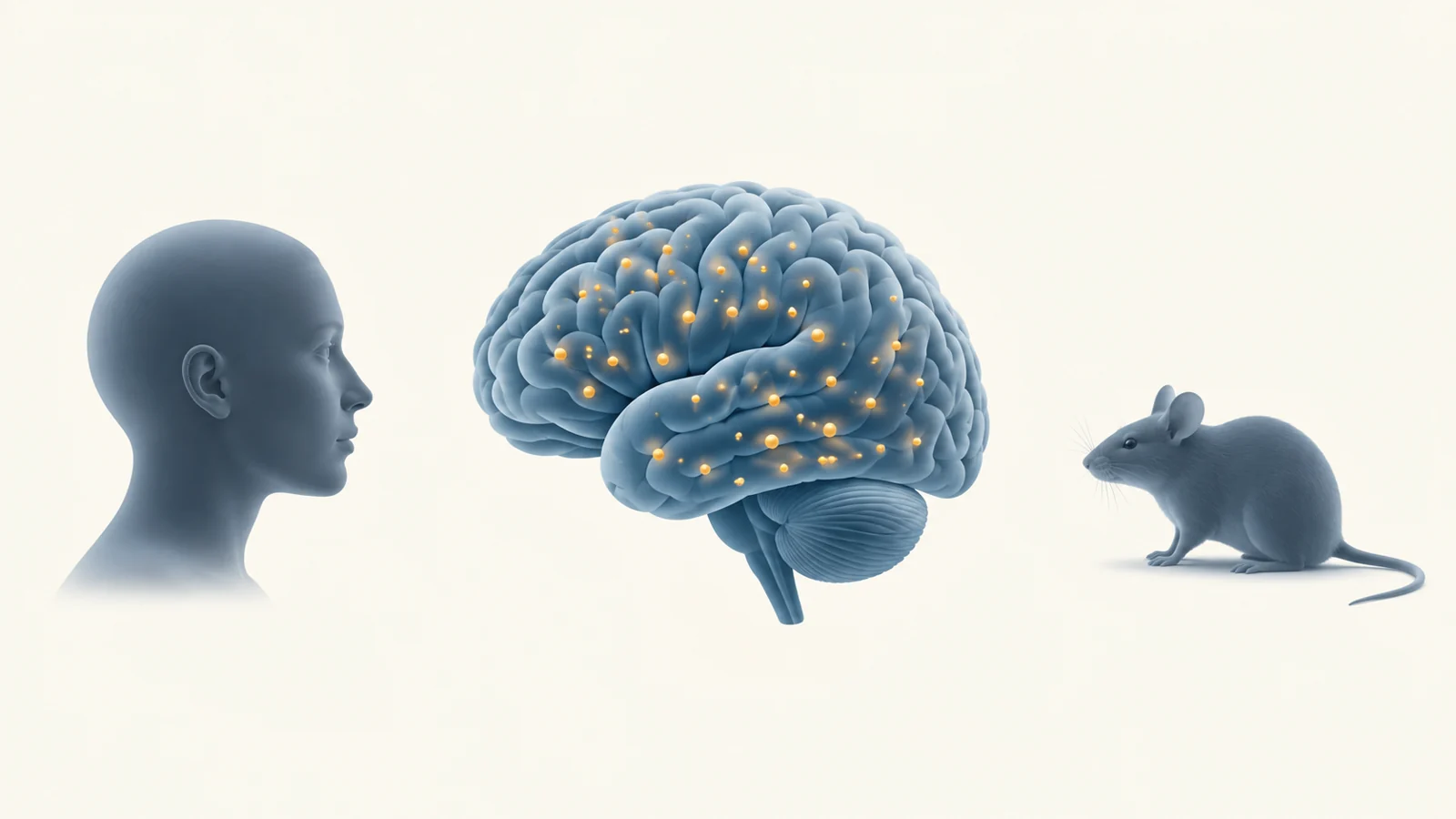
Following mouse-model characterization alongside human case reports could clarify which experimental findings help explain neurological impairment in people with GAMT deficiency.
Where it stands now
Main bottleneck
Current evidence does not establish how consistently findings from the genetic mouse model correspond to human neurological features, or how those features vary across affected people.
Watch next
A human study linking GAMT mutations, measured brain creatine levels, and neurological assessments across more cases, enabling explicit comparison with the mouse-model findings.
Progress timeline
How the evidence has changed over time.
2025 · 1 update
- Different childhood symptoms led to a diagnosis of GAMT deficiency, an inherited creatine production disorderResearch note 2 of 2 · Source date 2025-03-15
Since the previous research note · Earlier expectation not tested
Track continuity
Since the previous research note: What can creatine-deficient mice reveal about brain development?
Previous expectation: A better-characterized mouse model might help develop treatments that protect neurological development in children if metabolic changes could be linked to developmental outcomes and translated to people.
What this study adds: The March 2025 source adds two human diagnostic and treatment histories and a compilation of reported clinical cases, documenting different changes in seizures, urinary metabolism and everyday functioning. It does not test mouse-to-human prediction or treatment before symptoms appear.
Current research note
2021 · 1 update
- What can creatine-deficient mice reveal about brain development?Research note 1 of 2 · Source date 2021-08-02
How this Track works
This page changes as new evidence arrives. Open any update to see what researchers found at that point in the story.