
Stereotactic radiation with immunotherapy for brain metastases
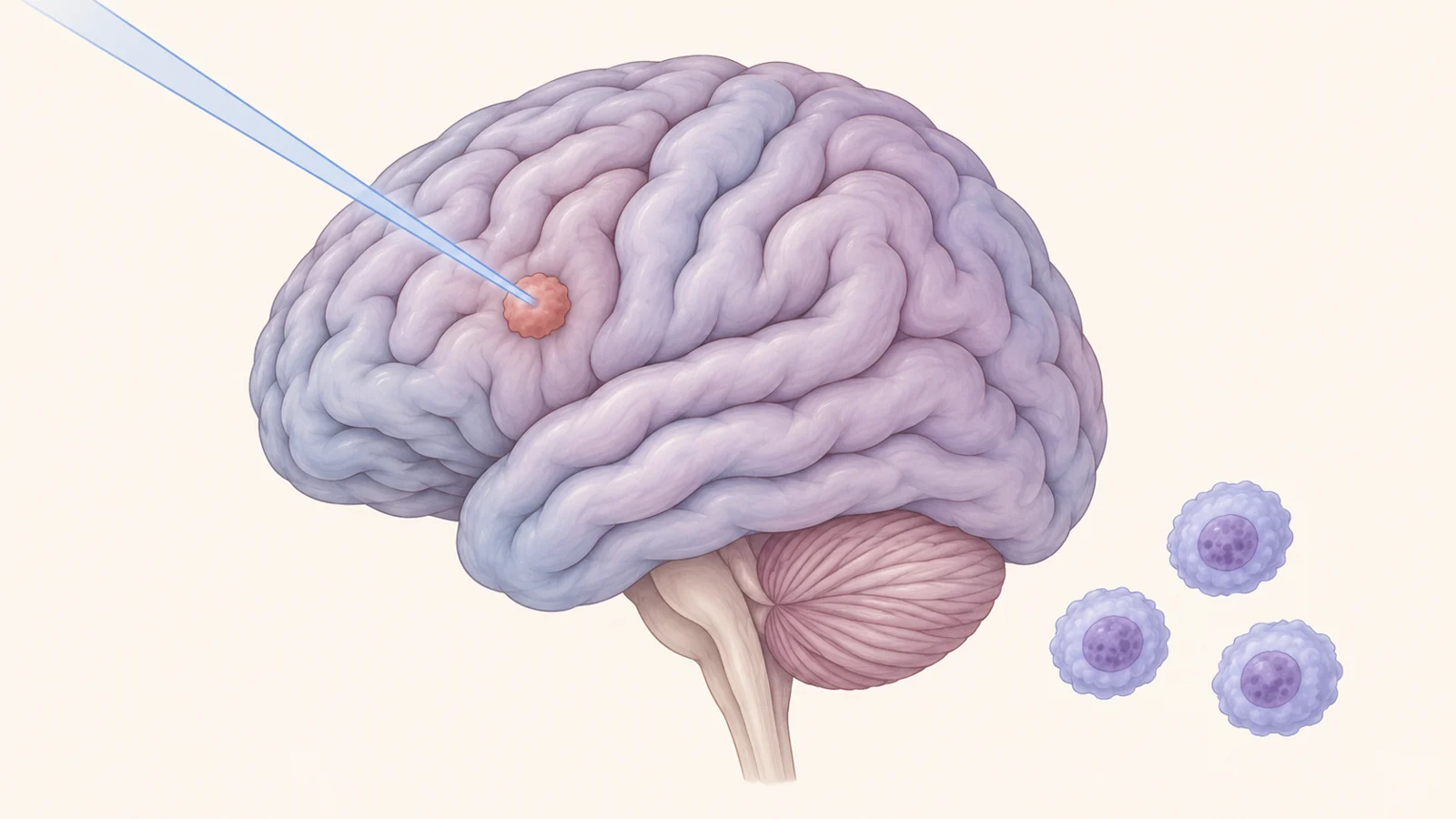
Does adding immunotherapy to stereotactic radiation improve outcomes for people with brain metastases without unacceptable risks?
Following this cluster helps readers see whether evidence for combining these treatments is becoming clearer across brain metastases. The available record includes a melanoma-focused review and a planned broader review of safety and efficacy.
Where it stands now
Main bottleneck
The bounded evidence does not yet establish how safety and efficacy vary across metastatic brain tumor types or whether the combination improves clinical outcomes.
Watch next
A completed, verifiable systematic review and meta-analysis reporting the safety and efficacy of stereotactic radiosurgery combined with PD-1/PD-L1 inhibitors in patients with metastatic brain tumors.
Progress timeline
How the evidence has changed over time.
2025 · 1 update
- What do studies show about focused radiation and immune drugs for brain metastases?Partly supportedResearch note 2 of 2 · Source date 2025-11-03
Since the previous research note · Partly supported
Track continuity
Since the previous research note: Why did longer survival not mean better control of melanoma brain tumors?
Previous expectation: A prospective comparison with defined treatment timing would report survival, local control and later brain harms together to inform treatment choices.
What this study adds: This 2025 review pools local control, survival and radiation-injury outcomes across 16 studies, making the tradeoff more concrete. Its lack of comparator groups does not supply the prospective comparison or dependable schedule-specific estimates envisioned earlier.
Current research note
2022 · 1 update
- Why did longer survival not mean better control of melanoma brain tumors?Research note 1 of 2 · Source date 2022-05-23
How this Track works
This page changes as new evidence arrives. Open any update to see what researchers found at that point in the story.