
Research Signal – Source date 2022-01-26
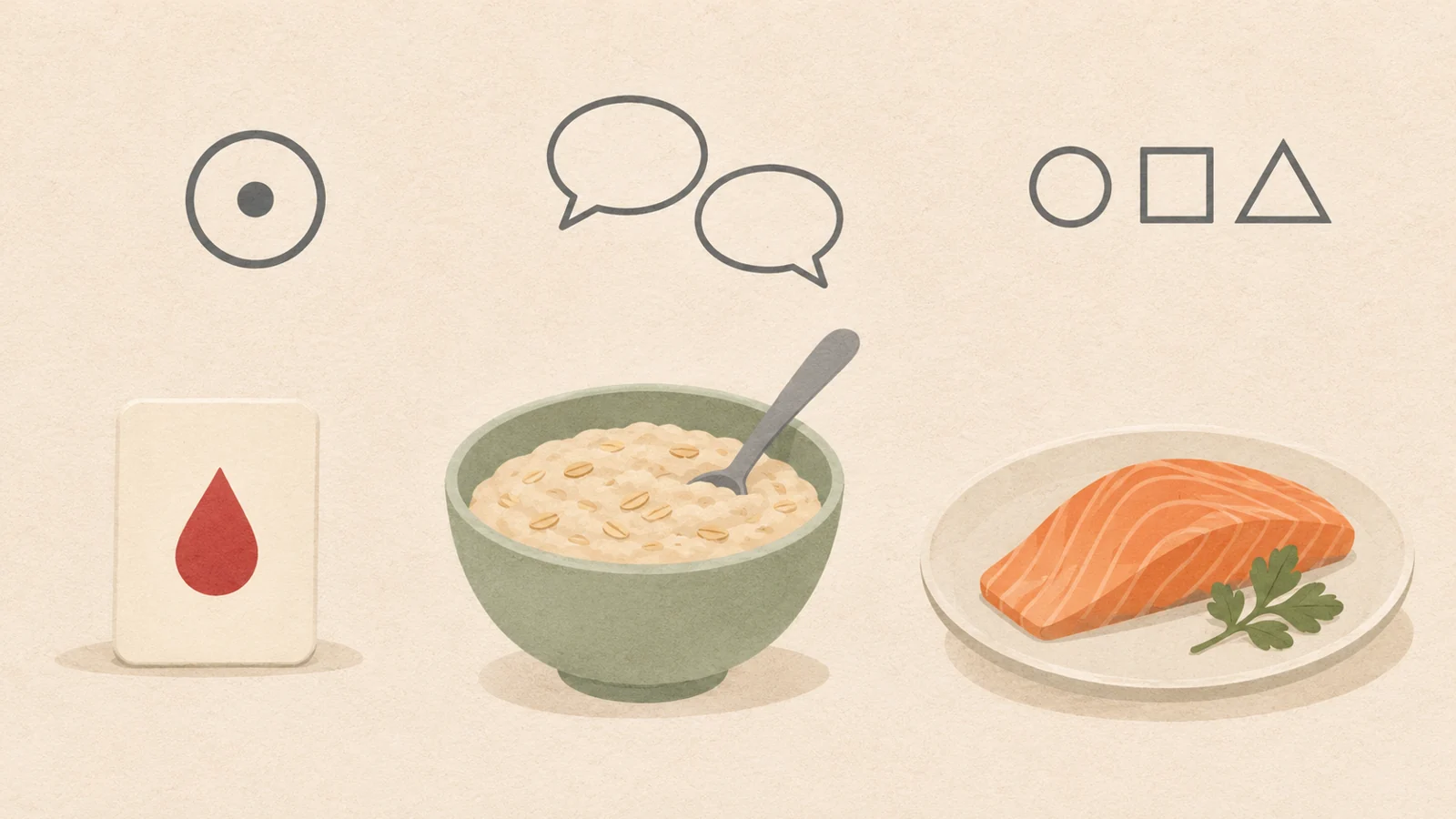
Guava powder improved children’s iron status in one trial, yet the children did not show a significant gain on cognitive tests. In a separate trial, iron supplements improved speed and accuracy on an attention task for children who had iron-deficiency anemia. For children who began with adequate iron, the same supplement did not change performance on that task.
These findings are not a head-to-head comparison of guava and iron. They come from different trials, and the contrast points to a key question for interpreting nutrition research: what condition did the children have at the start, and what exactly did each test measure?
A broad search, a small set of varied trials
Published on 26 January 2022, the review searched four research databases in May 2021 for randomized controlled trials published after 2000. Eligible trials tested food-based interventions, single nutrients, or combinations of vitamins and minerals in children aged 2–6. The review considered children who were nourished as well as those at risk of undernutrition or nutrient deficiencies.
After removing duplicate records, the search returned 14,453 records. The reviewers assessed 69 full-text articles and included 12 trials. Eight reported a significant positive result on at least one cognitive outcome. The interventions ranged from iron, B vitamins, iodized salt and guava to fortified foods, fish meals, and fortified milk paired with cognitive activities.
The guava finding helps show why an improvement in one measure cannot stand in for another. Guava was used partly because its vitamin C content can help the body absorb iron from food. In the trial, children’s iron status improved, but their measured cognitive function did not show a significant change. The result says those two outcomes moved differently in that study; it does not establish why, or predict what would happen with other children or interventions.
Starting iron status changed the result
The separate iron-supplement trial reported a more specific pattern. Among children with iron-deficiency anemia, supplementation improved both the speed and accuracy of discrimination on a continuous performance task, which tests how quickly and correctly a child responds to target information. Children who had adequate iron status at baseline did not show a change in performance on that task.
A subgroup result like this describes what happened among children who shared a starting condition in that trial. It suggests that baseline status may matter when researchers assess a nutrition intervention. It does not show that iron would improve every aspect of cognition in children with anemia, or that the guava and iron interventions would produce the same results if directly compared.
The review also found positive results for some combinations of vitamins and minerals added to food. In one trial, children given a powder mixed into maize porridge scored higher than a comparison group on two measures: how they combine information and how they handle tasks that rely less on words. Another trial found that results differed by preschool setting: children in lower-quality preschools who received fortified food showed improvement in expressive language, with some smaller gains in other areas; children in higher-quality preschools did not show cognitive improvements. The preschool setting was assessed using measures of the learning environment and interactions with teachers and activities.
Fish meals and food fortification asked different questions
Three trials provided meals containing fatty fish. In a German trial, children aged 4–6 ate Atlantic salmon three times a week for 16 weeks, while a comparison group received beef. The salmon group improved more than the beef group on two measures of nonverbal problem-solving, but did not improve on total IQ. The difference was limited to specific test measures.
A Norwegian trial tested herring and mackerel. After analyses accounted for dietary compliance, the fish group had higher total raw scores on one intelligence test, as well as improvements on three subtests: symbol search, vocabulary and block design. These findings concern particular tests and study conditions. The fish trials involved nourished children, while several fortification trials focused on children at risk of inadequate nutrition. Their results therefore address different questions and cannot be treated as interchangeable evidence for a single intervention effect.
The tests themselves covered a wide range of abilities, including vocabulary, reasoning, processing speed, working memory, motor skills and broader intellectual measures. The trials also used different foods or supplements over different periods. Because of this variation, the reviewers did not combine the results into one pooled estimate. “Eight of 12 trials reported significant positive outcomes” is a count across distinct tests and interventions, not a single estimate of how much nutrition improves preschool cognition on average.
A combined intervention leaves the cause unclear
In one Indonesian trial, children aged 3–5 who had below-average stimulation at home received fortified milk powder alongside activities intended to support thinking and learning three times a week. The group receiving both interventions showed a larger gain on an overall IQ measure than the control group, although the separate IQ sub-scores did not differ. Parents also reported a larger reduction in attention problems.
Because nutrition and stimulation were provided together, the trial cannot isolate how much of the result came from the milk, the activities, or their combination. The review authors called for more research on combined approaches.
There are other reasons to read the overall pattern carefully. The authors rated six trials as having a low risk of bias and six as having a moderate risk. In five trials, methods for handling participant withdrawals were not recorded; two reported moderate differences between groups at the start. These details affect how confidently individual trial results can be interpreted. The review also noted that evidence was needed on whether short-term cognitive benefits persist over time.
Where this research could lead
Dependable evidence linking a child’s starting nutrition status to a specific intervention and a lasting change in a defined cognitive skill could help preschool health programs make more tailored decisions. Instead of promising the same “brain boost” to every family, a program could explain which existing foods or supplements have been tested for children with similar starting needs, and what kind of benefit has actually been measured. That capability would depend on stronger, comparable trials and practical ways to assess both nutrition status and development.
A nearer milestone would be a randomized trial that groups or analyzes children by baseline nutrient status, uses comparable cognitive measures chosen in advance, and follows children beyond the intervention period. The differing iron results make starting status a concrete question for such research; the varied tests in this review show why common measures would also matter.
Key Sources
- Primary source: The Effects of Nutritional Interventions on the Cognitive Development of Preschool-Age Children: A Systematic Review.
DOI or Journal Page · Review or Meta-Analysis · 2022-01-26
Keep exploring