
Research Signal – Source date 2022-06-06
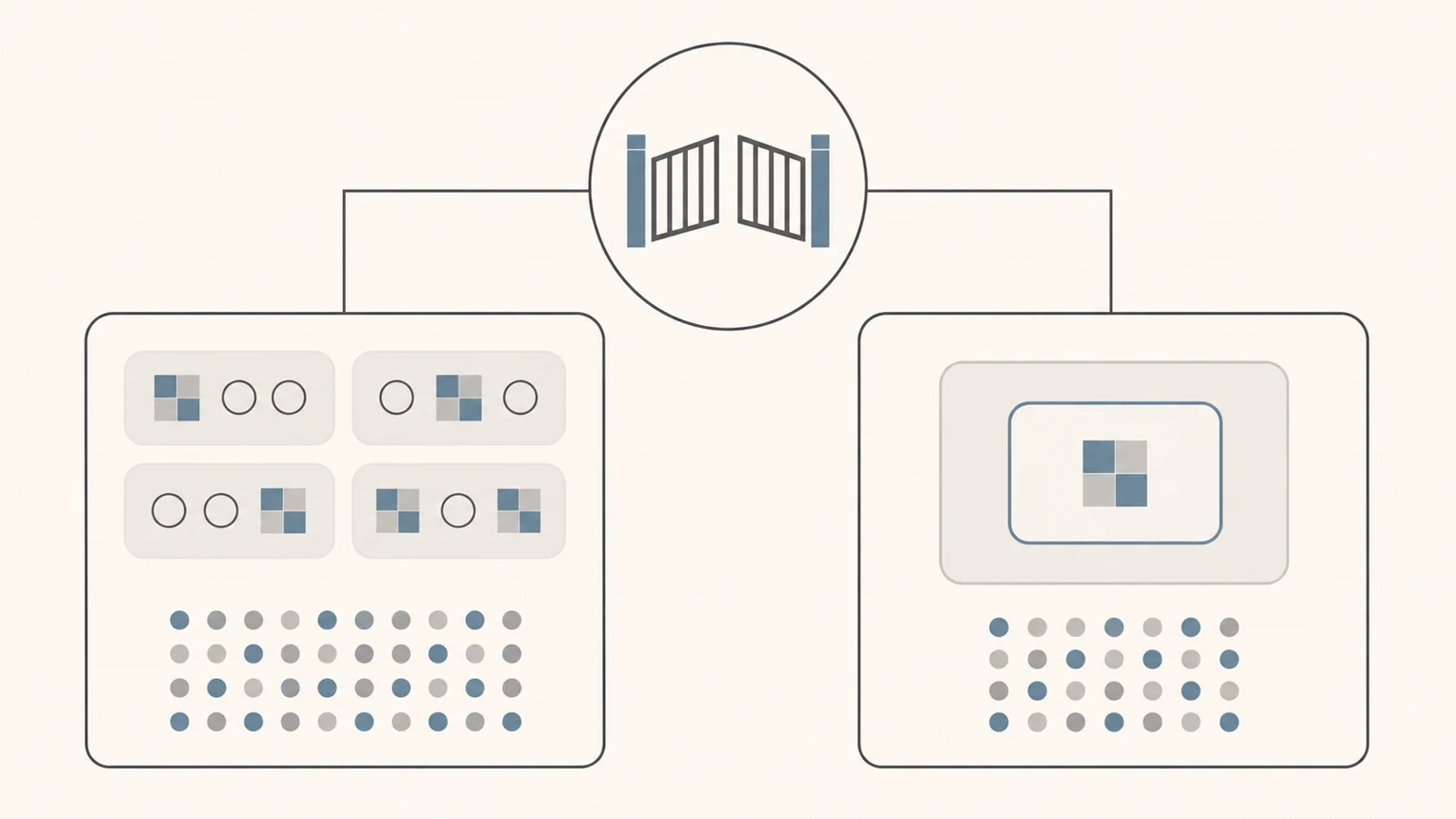
A broad review of cancer studies found no clear improvement in outcomes linked to SWI/SNF gene alterations among people receiving checkpoint immunotherapy. Yet within its kidney cancer subgroup, one alteration—a change in the PBRM1 gene—was associated with better results across three measures. The contrast is striking, but the kidney finding is a narrower association inside a much wider analysis, not proof that the mutation makes immunotherapy work better.
The findings come from a systematic review and meta-analysis published on June 6, 2022. It combined 15 studies involving 10,849 patients. The researchers searched multiple databases, with searches updated through April 29, 2021. Their results offer a snapshot of the evidence gathered by that earlier cutoff.
A gene group and one member
SWI/SNF is the name used here for a group of genes whose alterations were examined together. The analysis also considered several genes within that group individually, including PBRM1. This matters because a combined result can describe the broad group without capturing what may be happening in one cancer type or with one particular gene.
Across the included cancer studies, 18.5% of patients had a reported SWI/SNF alteration. That figure describes how often these alterations were found in the analyzed patients. It does not measure how well checkpoint immunotherapy worked, or whether people with an alteration did better than people without one.
The authors also reported gene-specific alteration frequencies across the cancer types studied. PBRM1 had the highest reported frequency, at 32.0%, followed by ARID1A at 18.1% and SMARCA4 at 15.6%. The abstract does not give a common patient denominator for these gene-specific percentages, so the 32.0% figure should not be read as a share of all cancer patients or of patients with any SWI/SNF alteration.
The pooled outcomes were not clearly better
The review compared outcomes among patients treated with immune checkpoint inhibitors, drugs that help the immune system recognize and attack cancer. Overall survival means how long patients lived; progression-free survival measures time before cancer worsened or death; and time to treatment failure measures how long treatment continued before it had to stop or change.
For the broad set of SWI/SNF alterations, the pooled analysis did not establish improved results on any of these measures. The estimated hazard ratio was 0.822 for overall survival, with a 95% confidence interval of 0.583 to 1.158. For progression-free survival, it was 0.608, with an interval of 0.434 to 1.067. For time to treatment failure, it was 0.923, with an interval of 0.757 to 1.125.
A hazard ratio compares how quickly an outcome event occurs between groups over time. An estimate below 1 can point toward fewer events in one group, but the confidence intervals here all included 1, the value corresponding to no difference. The reported p-values—0.262, 0.094 and 0.427, respectively—also did not establish an overall improvement associated with SWI/SNF alterations in patients receiving checkpoint inhibitors. The estimates may suggest patterns, especially for progression-free survival, but they do not settle the question.
One kidney cancer subgroup showed a different pattern
The more encouraging result concerned PBRM1 mutations specifically in patients with renal cell carcinoma, a type of kidney cancer, who received checkpoint inhibitors. In this subgroup, the mutation was associated with better overall survival, progression-free survival and time to treatment failure.
The reported hazard ratios were 0.650 for overall survival, 0.539 for progression-free survival and 0.490 for time to treatment failure. Each estimate was below 1, and each reported confidence interval excluded 1. The corresponding p-values were 0.030, 0.025 and 0.018. In the data brought together by the review, this was a consistent association across the three outcomes.
It remains a subgroup finding: a result for one gene alteration, in one cancer type, among patients who received these drugs. It does not overturn the pooled result for the broader group of alterations across cancers. Nor does the analysis, as summarized in the supplied abstract, give the subgroup study count or detailed heterogeneity estimates, so the size and consistency of the underlying evidence cannot be judged from those details here.
An association is not a treatment-selection test
The kidney cancer result describes how outcomes differed by PBRM1 status among patients receiving checkpoint inhibitors. To show that PBRM1 predicts extra benefit from checkpoint treatment, researchers would need to compare that treatment with another option and test whether the difference between treatments changes according to mutation status. The supplied abstract does not establish that comparison.
The association also does not explain why PBRM1 stood out. The review’s results do not establish a causal mechanism, and they are not enough to make PBRM1 a treatment-selection rule. A result that helps sort patients into different treatment choices needs validation in comparative studies, with the mutation’s contribution assessed alongside other relevant measures.
What this could change
At a future kidney cancer consultation, a validated PBRM1 result could help a patient and oncologist compare treatment options with better evidence about who is more likely to gain from checkpoint immunotherapy. The drugs were already being used in the studies reviewed; the new capability would be dependable, mutation-guided treatment choice. The 2022 subgroup association offers a reason to investigate that possibility, but independent comparative validation would be needed before it could support a decision.
A useful nearer milestone would be a prospectively specified kidney cancer study that tests whether PBRM1 status distinguishes outcomes with checkpoint treatment from outcomes with another treatment. It would also need to show that the mutation adds useful information beyond existing measures. If that evidence emerges, the association reported here could become part of a more reliable way to discuss options—not a shortcut from a tumor result to a treatment choice.
Key Sources
- Primary source: Prevalence of SWI/SNF genomic alterations in cancer and association with the response to immune checkpoint inhibitors: A systematic review and meta-analysis.
DOI or Journal Page · Review or Meta-Analysis · 2022-06-06
Keep exploring