
Research Signal – Source date 2022-03-05
A cancer trial report can describe whether a treatment met its main research goal while leaving readers without a clear account of how participants felt and functioned during treatment. In a review of 106 phase III randomized trials of immune checkpoint inhibitors for solid cancers, quality-of-life results were missing from 83 primary publications, or 78.3%.
That gap matters because the clinical benefit of a treatment is not captured by a single kind of result. A trial may measure whether a treatment works on its chosen main outcome, while quality-of-life information can help describe participants’ experience. The review documents how often that information was unavailable in the first report, not what any particular treatment did to patients’ quality of life.
A published trial can leave a basic question open
The review examined trials published from 2013 through 2021. It found that none of the 106 trials included quality of life among their primary endpoints. A primary endpoint is the main outcome a study is designed to evaluate. It helps define what the trial is chiefly set up to answer.
Quality of life can still be assessed even when it is not a primary endpoint. So the endpoint finding does not mean that none of the trials considered participants’ experience. It means that quality of life was not designated as the main outcome in any of these trials. The separate reporting findings show that information about assessment and results appeared unevenly across trial records and publications.
The record had several stopping points
A trial’s protocol describes its planned methods. The published paper’s methods section explains what researchers did, while its results section presents what they found. Information about quality-of-life assessment can be visible at one stage and absent at another.
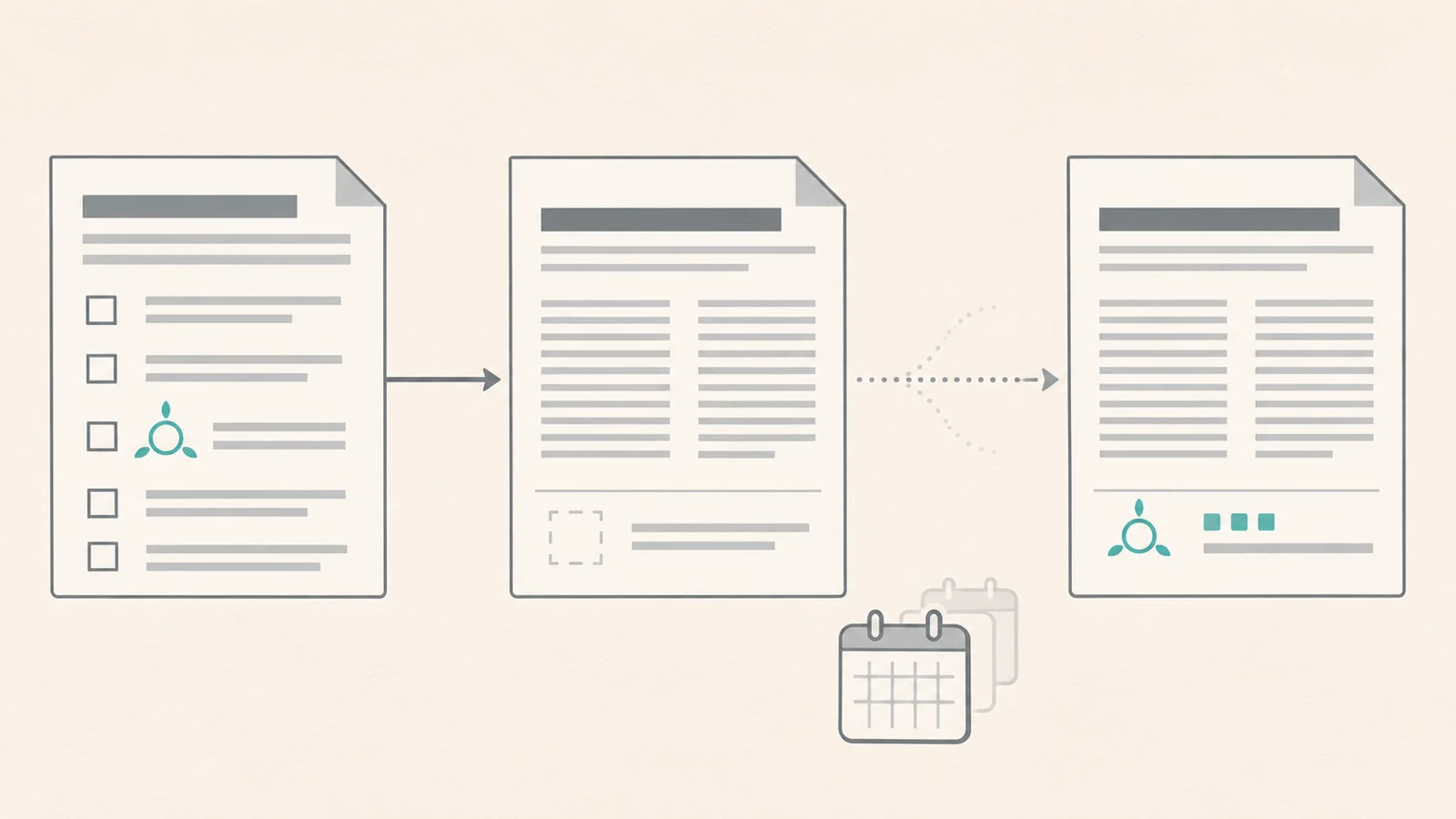
In 48.5% of the publications, the review found that quality-of-life assessment was disclosed in the study protocol but not in the manuscript’s methods. In another 27.8% of articles, the methods mentioned the assessment but the results were not reported there. These are different gaps: a reader might find evidence that an assessment was planned, or that it was described in the paper’s methods, without finding the resulting quality-of-life data in that primary report.
The distinction matters for anyone trying to understand a trial from its first publication. Knowing that an outcome was planned or assessed is not the same as being able to see what the assessment found. The review’s central count captures the practical result: 83 primary publications did not disclose quality-of-life results.
A later paper could take years
Some results absent from the primary report appeared in a secondary publication. Among trials whose primary manuscripts lacked quality-of-life results, 44.3% had quality-of-life data reported in a secondary article. The additional publication could make information available that readers could not find in the initial report.
But availability later is not the same as availability when the primary findings first reach readers. The median time to a secondary article containing quality-of-life results was 33.6 months. A median is the midpoint of the reported timing: half of the relevant secondary articles appeared sooner and half later. For readers following a treatment’s evidence, that represents a substantial wait for this part of the picture.
What the review’s counts can tell us
These figures describe patterns in the assessment and reporting of quality of life across the eligible trials. They show that quality of life was not a primary endpoint in the reviewed trials, that results were often absent from primary publications, and that later reporting supplied data for some of the missing cases after a delay.
The counts do not show whether a particular immune checkpoint inhibitor improved or worsened quality of life. Nor do they explain why an individual publication lacked results. A missing result in a primary paper does not establish that a trial never collected the data. The review is a picture of reporting in trials published during 2013–2021; these figures alone do not show whether reporting practices changed afterward.
What this could make possible
When people with cancer and their clinicians discuss treatment options, timely trial results about how participants felt and functioned could give them another useful part of the evidence to consider. The review identifies the gap that makes this harder: assessments appeared in parts of the trial record, yet results often were not available in the initial paper and sometimes took years to appear elsewhere.
If researchers and publishers make quality-of-life findings accessible in or near initial trial reports, those conversations could draw on a fuller account of the evidence. A nearer sign of progress would be a higher share of future primary reports presenting quality-of-life results, alongside a shorter wait when companion papers are needed. The potential is more informed discussion, not a promise that any drug would produce better outcomes.
Key Sources
- Primary source: Inadequate health-related quality of life assessment and reporting in phase III clinical trials of immune checkpoint inhibitors in solid cancers: A systematic review.
DOI or Journal Page · Review or Meta-Analysis · 2022-03-05
Keep exploring