
Research Signal – Source date 2022-08-05
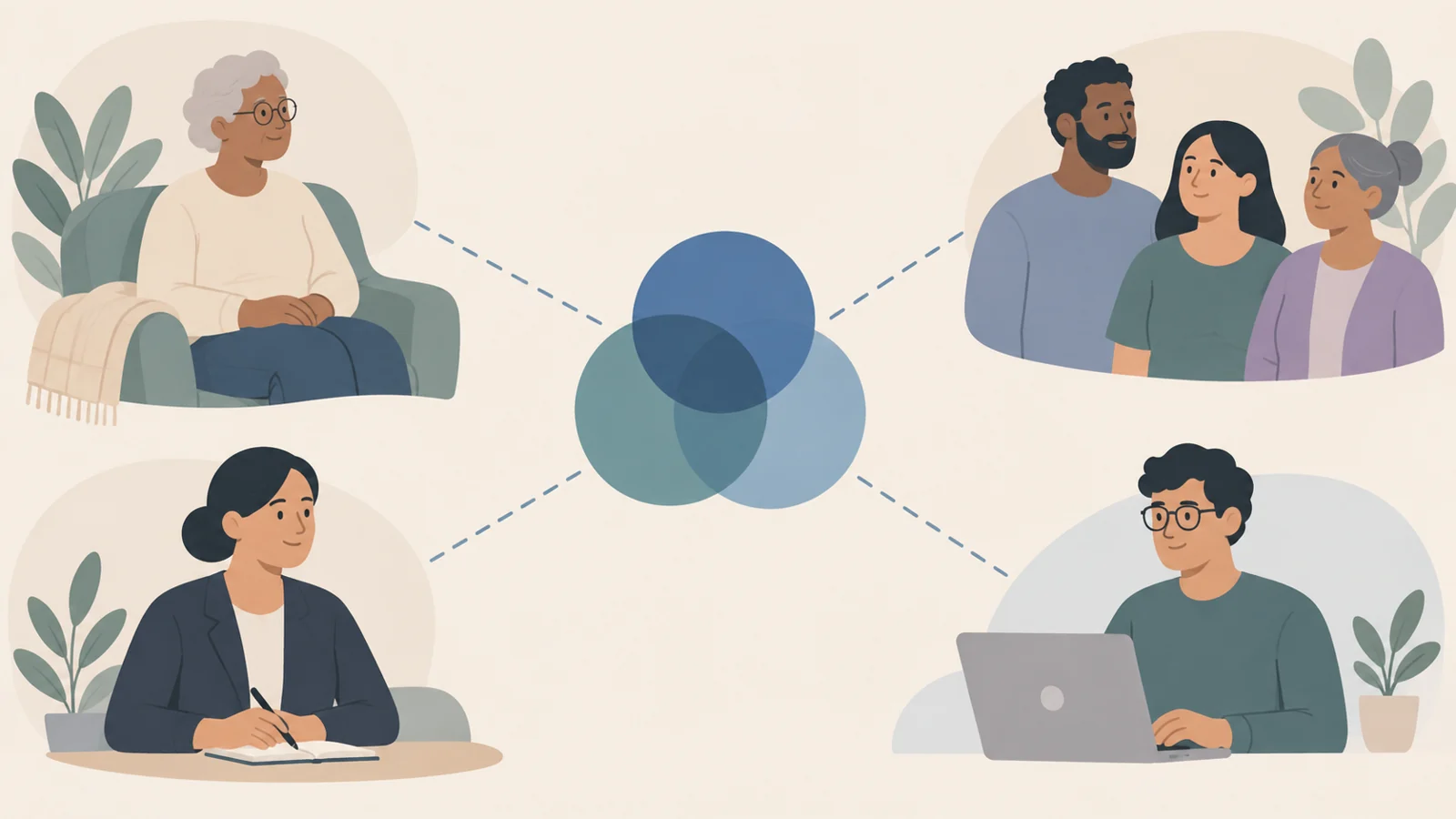
Helping older people live independently is the ambition behind GATEKEEPER, a proposed digital care framework described in a clinical-trial registry entry dated August 5, 2022. The idea is to connect healthcare providers, technology developers, older citizens and their communities so that digital tools can be combined around people’s care needs. The entry offers a view of that research direction at the proposal stage.
The Cyprus study concerns people with cancer and dementia. Its stated focus is detecting worsening health early enough to support appropriate care. That local application sits within a broader program whose aims extend across aging populations, chronic conditions and different stages of prevention and treatment. Keeping those two scales distinct helps explain what the proposal is trying to accomplish.
How the tools would fit together
GATEKEEPER proposes a shared foundation for developers building digital health solutions. Several terms in its description have different practical meanings. Common standards would give tools shared conventions to follow. Interoperability means those tools could work together. These properties matter to the intended combination of personalized early detection and interventions, where separate digital functions would need to contribute to a coherent approach to care.
Open-source availability addresses another part of the design: developer access to the underlying software. The program envisages a foundation that developers could use to create combined solutions. This gives technology developers a role alongside care providers and the people using their services, with user needs helping shape what gets built.
Security, protection requirements and certification address how that shared environment should be developed and assessed. The proposal calls for European data, consumer and patient protection requirements to be incorporated into the design, alongside trustworthy certification processes. Each serves a different purpose. Compatibility concerns tools working together; developer access concerns building with the software; protection requirements concern responsible handling of people’s participation and data.
The intended scope also reaches beyond a single moment of care. The program describes support spanning prevention, chronic disease and coexisting conditions. Its organizing idea is that combined digital solutions could serve needs that change as a person’s health and care requirements change.
What the proposal establishes
The program description establishes its objectives and intended design properties. It does not, by itself, demonstrate that tools successfully interoperate, that certification has been completed or that regulatory compliance has been verified. The same distinction applies to patient benefit: aims involving independent living, quality of life, reduced need for intensive care or survival require evidence from the care actually delivered. The wider program’s ambition to involve about 40,000 older citizens across eight regional communities in seven European countries describes a planned scale of deployment. It cannot establish how many people participate in Cyprus or whether the Cyprus application improves their lives. Those are separate questions about implementation and outcomes.
What this could change
If the shared foundation works in practice and the resulting care demonstrates benefit, providers could assemble compatible early-detection and intervention tools around an older person’s changing needs. A common technical foundation could make it easier to combine contributions from different developers while keeping the person’s care needs central. The potential payoff is continuity across stages of care: digital support that can contribute to prevention and also fit into care for ongoing illness, helping people maintain independence within their communities.
Key Sources
- Primary source: Smart Living Homes: GATEKEEPER System With Patients With Cancer and Dementia in Cyprus
Government or Regulator · Peer-Reviewed Paper · 2022-08-05
Keep exploring