
Research Signal – Source date 2022-02-01
When cancer patients with COVID-19 had previously received an immune checkpoint inhibitor, the pooled studies did not show a clear increase in mortality. But the answer was less settled for severe illness—and a small subgroup taking checkpoint inhibitors alongside chemotherapy raised a separate concern.
Checkpoint inhibitors are cancer medicines that alter immune responses so the body can better recognize and attack cancer cells. During the pandemic, clinicians faced a consequential question: could this immune-altering treatment make a COVID-19 infection more dangerous, or should cancer treatment continue while patients were monitored closely? A systematic review published in February 2022 gathered the evidence available at the time. Its search covered studies published through February 27, 2021, so the publication date and the evidence cutoff are different.
Mortality was the clearest result
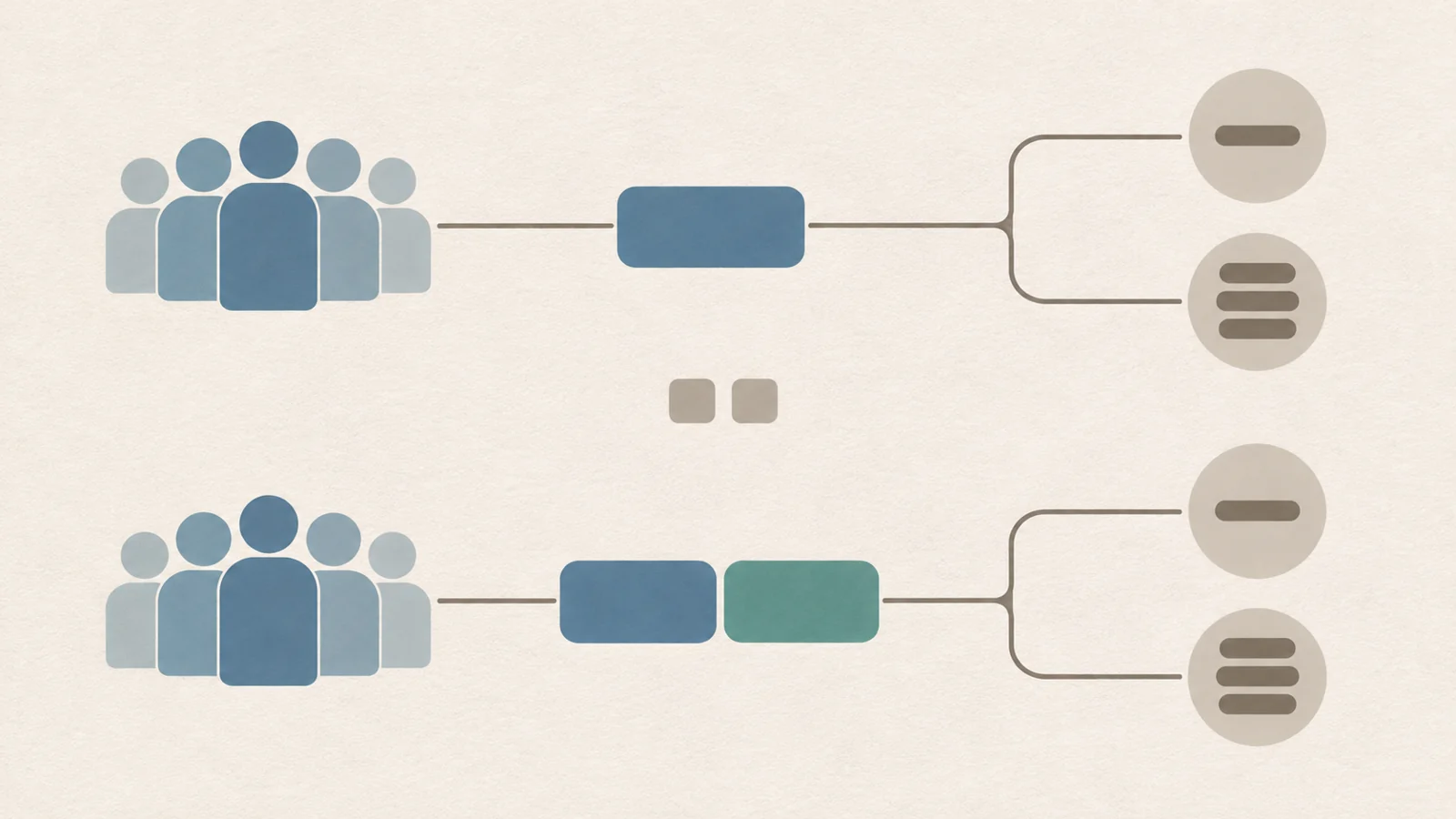
The review included 11 studies with 2,826 cancer patients who had COVID-19. Across the studies that compared patients with and without prior checkpoint inhibitor exposure, the pooled mortality estimate did not show a clear association. The unadjusted odds ratio was 0.91, with a 95% confidence interval from 0.61 to 1.38. In analyses using adjusted estimates where available, the odds ratio was 0.70, with an interval from 0.40 to 1.23.
An odds ratio of 1 would mean the comparison found equal odds of death in the two groups. Here, both estimates sat below 1, but their confidence intervals crossed it and included values on either side. The results therefore did not establish that checkpoint inhibitor exposure raised mortality; they also did not rule out a higher risk for some patients. The comparisons used subsets of the full 2,826-person review population, not every patient in every analysis.
The mortality estimates were more consistent across analyses than the estimates for several other outcomes. That makes it the review’s clearest finding, not a universal safety verdict or evidence that the drugs protect against COVID-19.
Severe illness and hospital care were harder to read
Death was not the only outcome that mattered. The pooled estimate for COVID-19 severity was 1.47, with a 95% confidence interval from 0.95 to 2.27. For hospitalization, the unadjusted estimate was 1.04, with an interval from 0.49 to 2.22. Neither gave a stable, precise answer. In additional analyses, adjusted hospitalization findings pointed toward a higher risk among exposed patients, while adjusted severity estimates remained uncertain.
The severity and hospitalization estimates shifted when the authors excluded particular studies, so neither result was stable across these checks. Some variation in hospitalization results came from studies judged to have moderate or high risk of bias. An estimate for admission to intensive care was based on just two studies, both assessed as high risk of bias.
These are distinct outcomes, and the mortality result cannot settle them by itself. The severity and hospitalization findings were less dependable than the mortality result because they shifted across analyses and included studies with important bias concerns.
Chemotherapy raised a separate question
A subgroup analysis found a larger estimate for severe COVID-19 among patients receiving checkpoint inhibitors together with chemotherapy. The reported odds ratio was 8.19, with a 95% confidence interval from 2.67 to 25.08. That is a substantial possible association, but the comparison was small and unadjusted for potential confounding. Another study cited in the review reported a non-significant association for the combination.
Patients receiving combination treatment may differ from those receiving an inhibitor alone in ways that also affect COVID-19 outcomes. The pooled subgroup comparison cannot separate those influences from a possible effect of the treatments themselves. It raises a reason to examine the combination carefully; it does not show that adding chemotherapy caused more severe infections.
Immune explanations remained hypotheses
Checkpoint inhibitors change how immune cells respond to cancer. Early pandemic concerns proposed that this immune activation might intensify inflammation during COVID-19, including lung inflammation. Another concern was practical: COVID-19 symptoms could resemble or obscure pneumonitis, a lung inflammation that can occur as a treatment-related adverse effect, potentially making it harder to recognize promptly.
The paper also described a competing possibility: checkpoint inhibitors might help restore some immune responses needed to control viral infection. These ideas offer possible explanations for why outcomes might differ, but the review’s pooled comparisons did not test or demonstrate either mechanism. The results cannot tell whether immune changes caused a patient’s infection to become more or less severe.
The comparisons had important limits
The authors pooled results while allowing estimates to vary between studies. They used adjusted estimates when available, but adjustment can address only differences the studies measured. All but one included study looked back at patient records, and the authors identified incomplete follow-up and differences between patient groups as recurring concerns.
The review screened a large set of records before retaining 11 studies. Five were judged at low risk of bias, three at moderate risk and three at high risk. Some included studies had small samples. Overlapping patient populations also required the authors to favor the larger study in some analyses, reducing the chance that the same patients would be counted twice.
The studies did not provide a dependable answer about how the time since a patient’s last checkpoint inhibitor dose affected COVID-19 outcomes. Nor did the review establish a stable comparison across cancer types or checkpoint inhibitor classes. Those gaps matter because a pooled average can conceal differences among patients and treatment situations.
The authors argued against blanket delays
In the context of the pandemic and the evidence available to them, the authors argued that checkpoint inhibitor treatment should not be postponed or stopped indiscriminately because of COVID-19 concerns. They paired that position with closer vigilance for infection and case-by-case treatment decisions. Their reasoning addressed the cost of delaying cancer care as well as the possibility of COVID-19 complications.
That was the authors’ interpretation of an uncertain, largely retrospective evidence base, not an individual treatment rule. The review cannot determine what a particular patient should do, and its findings describe the evidence available through February 2021 rather than later research or current guidance.
Where this research could lead
A more reliable account of risk could help cancer teams distinguish the question of checkpoint inhibitor treatment alone from the question of treatment combined with chemotherapy. The evidence bridge would be larger, better-adjusted patient groups with consistent definitions of severe illness and hospitalization, plus clearer records of treatment combinations and timing. One meaningful milestone would be a finding that holds across those comparisons rather than depending on a small subgroup or a single study.
If that evidence supported the current mortality pattern while clarifying who faces greater risk of severe illness, teams could make more specific decisions about monitoring and treatment timing. Patients might avoid broad treatment delays when they are not supported by their circumstances, while people at higher risk could receive closer attention. Those practical gains depend on the associations proving reliable; this review alone could not provide that level of confidence.
Key Sources
- Primary source: Does immune checkpoint inhibitor increase the risks of poor outcomes in COVID-19-infected cancer patients? A systematic review and meta-analysis.
DOI or Journal Page · Review or Meta-Analysis · 2022-02-01
Keep exploring