
Research Signal – Source date 2022-01-01
Retinoid-based treatment, which uses compounds related to vitamin A, has been considered for oral potentially malignant disorders and oral cancer. Yet the response can vary. Some lesions may respond while others do not, leaving researchers with a practical puzzle: what might explain the difference, and could it help guide treatment choices?
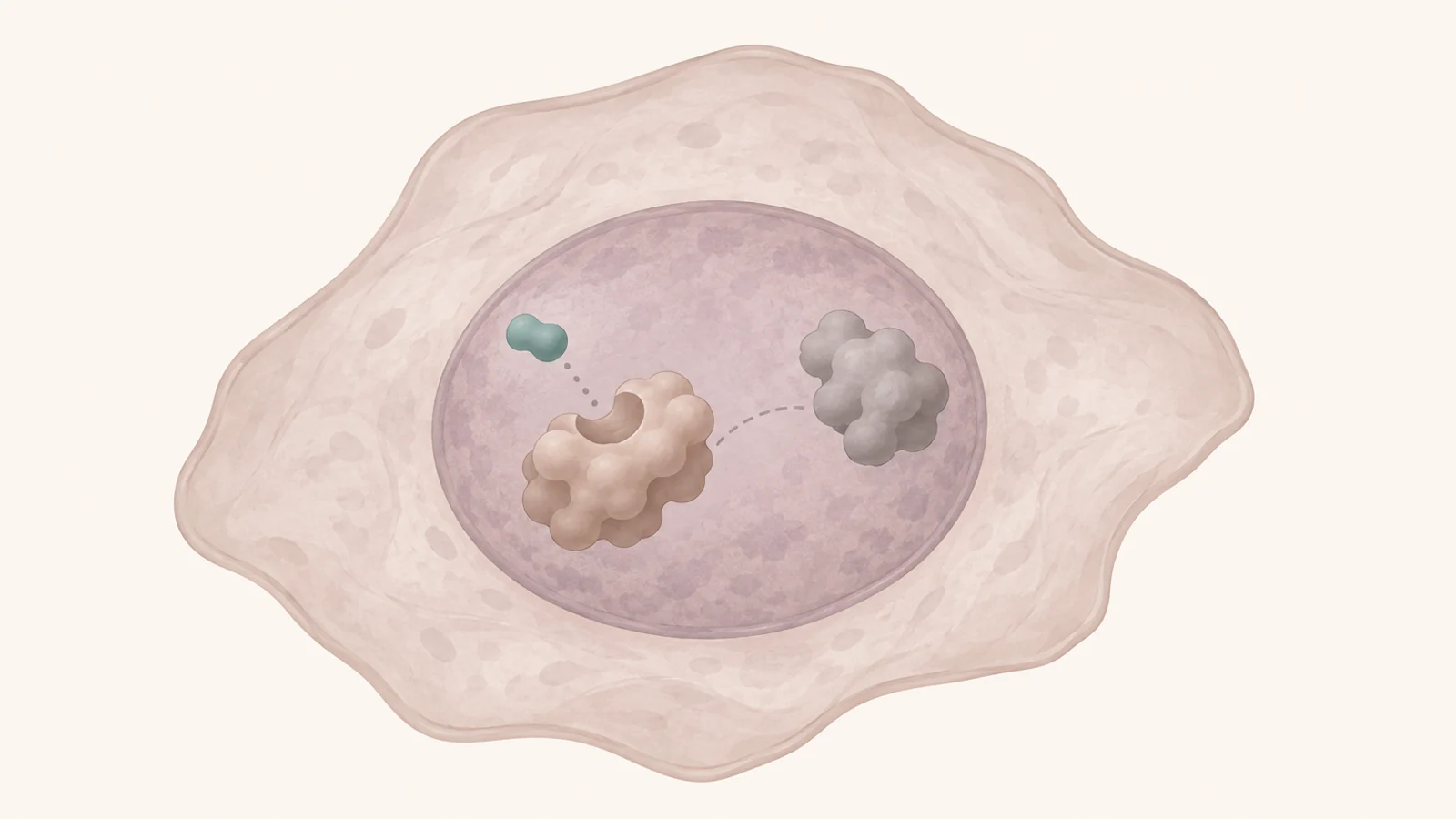
A 2022 review proposes one possible clue: PRAME, a protein that may repress retinoid receptors. Those receptors help cells respond to retinoids. If PRAME reduces their activity, retinoid treatment might have less effect in some cases. The review presents this as a biological explanation worth investigating, not proof that PRAME causes resistance in a particular person or lesion.
Oral potentially malignant disorders are conditions in the mouth that may carry a risk of developing into cancer; that risk does not mean every lesion will progress. The review considers both these disorders and oral cancer, but its proposed PRAME link is a research hypothesis across those settings, not a finding that predicts an individual lesion’s course.
How the review assembled its evidence
The authors describe a structured search of PubMed and Google Scholar for work on PRAME immunotherapy, PRAME vaccines, cancer and retinoid resistance. They report that an initial 342 records met their search criteria, 124 were selected after abstract and full-text availability checks, and 65 articles were ultimately included after full-text review and examination of references.
That process gathers and interprets existing research. It is different from testing a treatment in people with oral lesions. The supplied abstract does not report evidence that targeting PRAME restores retinoid response in people with these oral conditions. The review’s contribution is to connect a possible mechanism with candidate approaches that researchers could investigate.
Several ways to target the same protein
The review considers PRAME vaccines made without whole cells and vaccines that use dendritic cells exposed to PRAME. Dendritic cells are immune cells that help present a target to other immune cells.
The review also describes antibody therapies and treatments using T cells, a type of immune cell. Some would equip T cells with receptors directed at PRAME. A separate proposal uses compounds to change how cells display target material to the immune system.
The abstract lists these as plausible approaches, not established options for oral potentially malignant disorders or oral cancer. It does not identify a best strategy or show that any of them improves outcomes in retinoid-resistant oral lesions.
What screening would need to clarify
The authors suggest checking PRAME status before retinoid-based treatment and considering PRAME-targeted approaches in cases where the protein is present. They also propose combinations of retinoids such as ATRA with a PRAME vaccine, antibody or adoptive T-cell therapy.
For that proposal to guide care, studies would need to show that PRAME status reliably helps predict retinoid response and that using the result improves decisions or outcomes. The supplied evidence does not establish either point. Nor does it show that a PRAME-targeted combination improves oral-lesion outcomes over an appropriate comparator. A marker can suggest a reason to test a strategy without showing that acting on it benefits patients.
How this could shape the future
A validated assessment of PRAME could eventually help clinicians judge whether the proposed PRAME–retinoid link is relevant to an individual’s likely response. If that link holds up and targeted options prove useful, testing PRAME before treatment could help match people with oral lesions to treatments more likely to help them. Reaching that point would require independent clinical advances beyond this review, including evidence that the assessment predicts response and that treatment choices based on it help patients.
One meaningful sign of progress would be a prospective study of people with oral lesions, grouped by PRAME status, that tests a PRAME-targeted combination against a comparator and measures meaningful outcomes. That could begin to show whether the hypothesis changes treatment decisions in practice.
Key Sources
- Primary source: A Systematic Review of Potential Immunotherapies Targeting PRAME in Retinoid Resistant Oral Potentially Malignant Disorders and Oral Cancer.
DOI or Journal Page · Review or Meta-Analysis · 2022-01-01
Keep exploring