
Research Signal – Source date 2021-03-29
Some immune checkpoint inhibitors had US approval for several cancers, yet breast cancer trials were still seeking ways to improve their efficacy and reduce immune-related side effects. A March 2021 review describes why those questions remained part of the breast cancer research effort: approval in other cancers did not answer how well these treatments would work, or what harms they might bring, for people with breast cancer.
How checkpoints can suppress an immune response
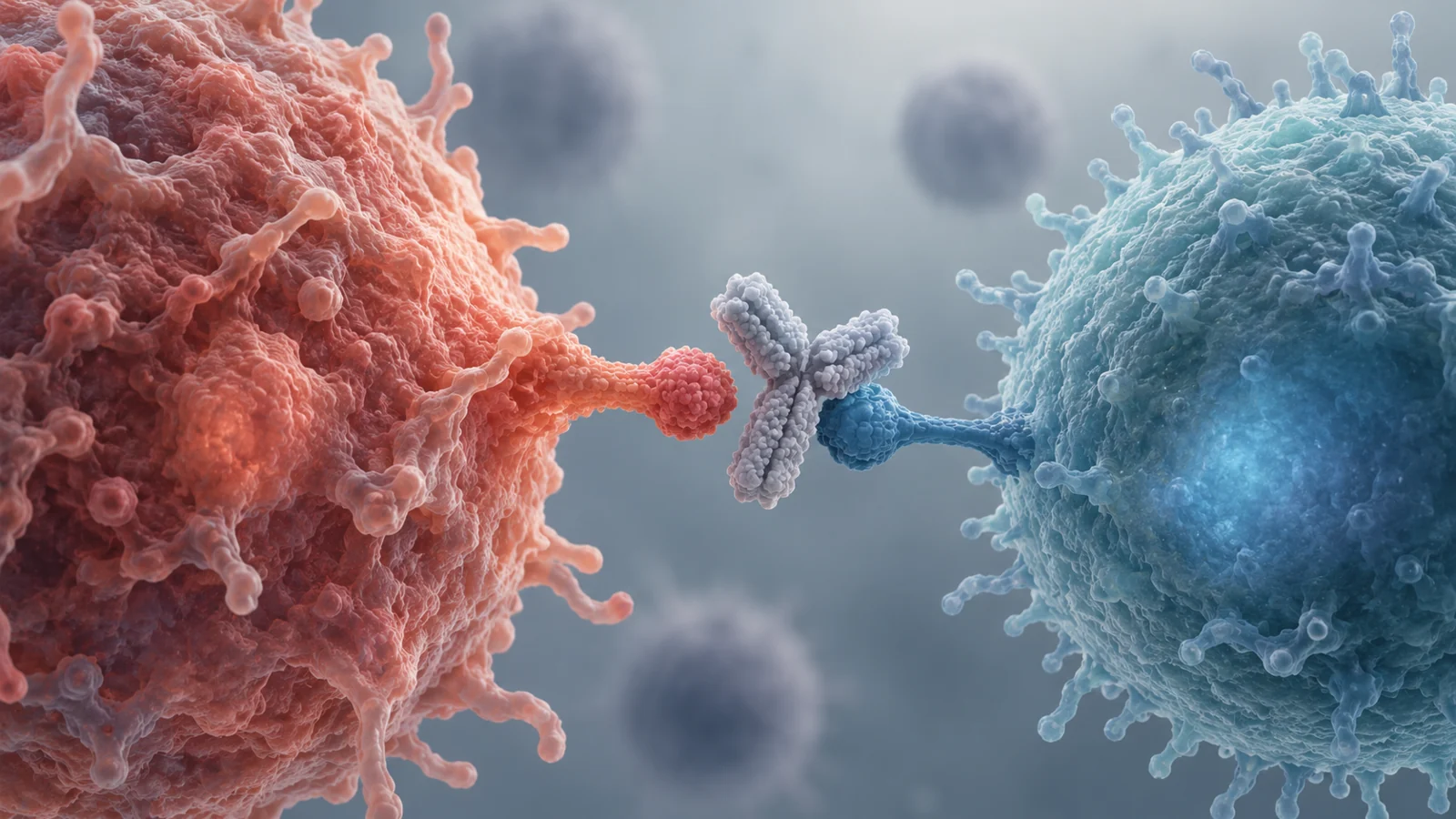
Cancer develops alongside responses from the immune system. Tumor cells can also activate immune checkpoint pathways that suppress those responses. Checkpoint inhibitors are drugs aimed at these pathways, with the goal of blocking that suppression.
The review identifies CTLA-4 and PD-1/PD-L1 as prominent checkpoint targets in cancer treatment. These names point to the pathways the drugs are designed to target; they do not, on their own, tell readers how a particular drug performs against breast cancer.
Breast cancer trials were pursuing a difficult balance
The review describes trials in breast cancer as seeking better treatment efficacy while decreasing immune-related adverse events. That is a two-sided challenge: treatment needs to help against cancer, while immune-related harms need to be reduced. The review’s abstract gives no trial-level estimates to quantify either side or compare particular blockers, so it does not establish a benefit or harm for a specific drug in breast cancer.
Approvals in several other cancers could not settle that breast cancer question. The review presents the targets and the aims of ongoing clinical trials, while the effectiveness and harms of particular checkpoint blockers for breast cancer patients remain unestablished by the evidence described here.
What improved checkpoint treatment could mean for breast cancer
If trials establish meaningful efficacy while bringing immune-related harms to an acceptable level, checkpoint blockers could become a more useful immune-based treatment option for people with breast cancer. The potential benefit depends on showing both: that treatment helps patients and that its harms are manageable.
Key Sources
- Primary source: Immune checkpoint inhibitors: review of the existing evidence and challenges in breast cancer.
DOI or Journal Page · Review or Meta-Analysis · 2021-03-29
Keep exploring