
Glymphatic MRI markers in REM sleep behavior disorder
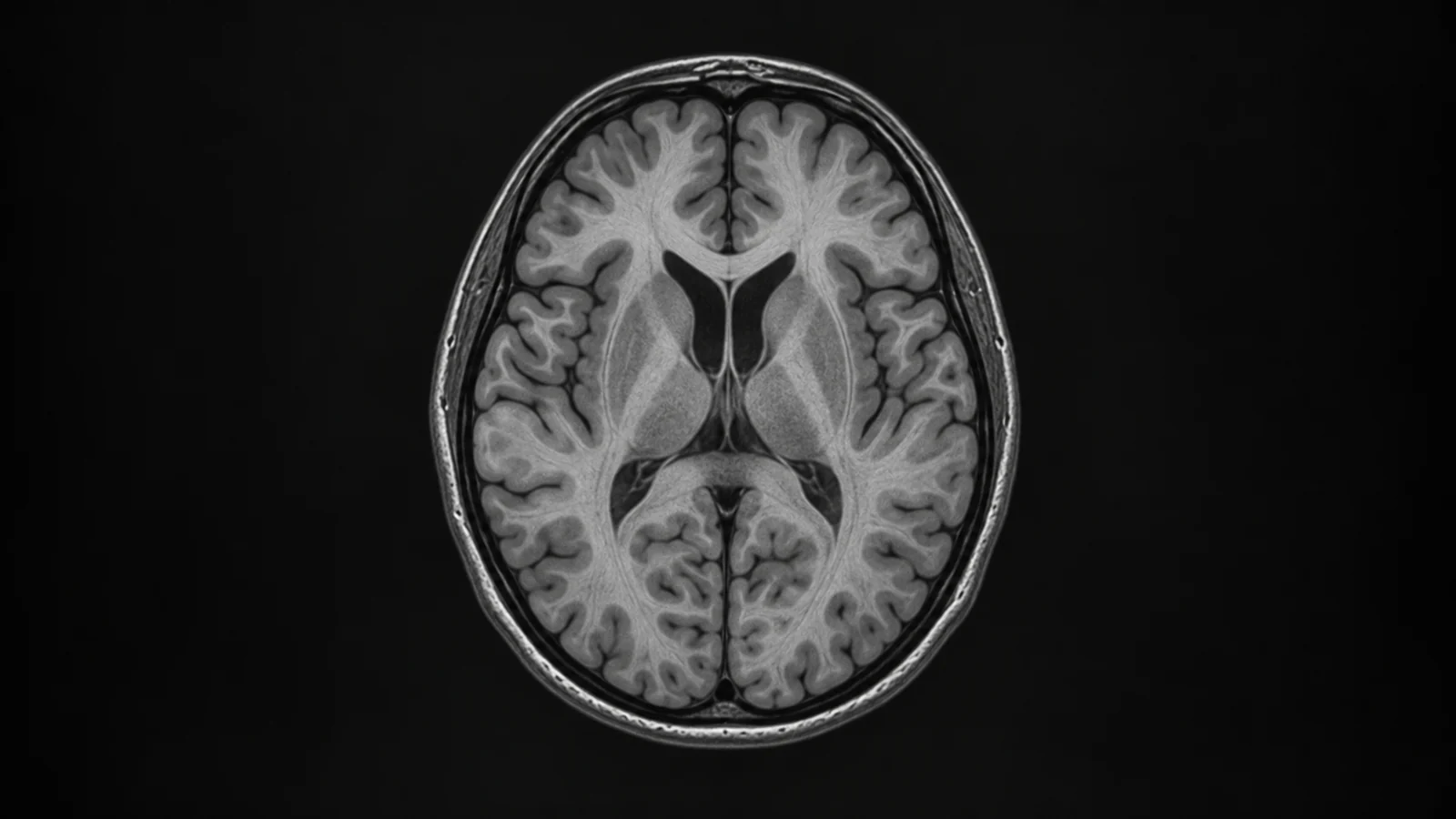
Can MRI markers of glymphatic function predict how soon isolated REM sleep behavior disorder progresses to neurodegenerative disease and which form it takes?
Following this research could clarify whether these MRI markers help explain differences in the timing and type of progression, and whether higher glymphatic activity signals a longer period before progression.
Where it stands now
Main bottleneck
Establishing reliable prediction from the reported associations remains unresolved; the link between higher glymphatic activity and a longer prodromal stage does not establish a protective effect.
Watch next
Longitudinal validation showing whether glymphatic MRI markers consistently predict the timing and type of progression across cohorts and add useful information alongside MRI microstructure measures.
Progress timeline
How the evidence has changed over time.
2026 · 1 update
- What a brain scan can reveal about disease timing after acting out dreamsChanged directionResearch note 3 of 3 · Source date 2026-04-17
Since the previous research note · Changed direction
Track continuity
Since the previous research note: What brain measurements reveal about hand and walking changes in isolated REM sleep behavior disorder
Previous expectation: Combined brain-tissue and perivascular measurements might eventually support more individualized neurological monitoring if they reliably predict later outcomes.
What this study adds: The April 17, 2026 study connects a perivascular diffusion marker with longer onset-based disease intervals in an exploratory converter subgroup, while whole-cohort prediction and the scan-to-conversion comparison were not statistically significant. It redirects this milestone toward a possible explanation for prolonged prodromal duration rather than establishing useful individual prognosis.
Current research note
2025 · 2 updates
- What follow-up revealed after a sleep disorder that makes people act out dreamsResearch note 1 of 3 · Source date 2025-09-16
- What brain measurements reveal about hand and walking changes in isolated REM sleep behavior disorderResearch note 2 of 3 · Source date 2025-12-03
Since the previous research note · Earlier expectation not tested
Track continuity
Since the previous research note: What follow-up revealed after a sleep disorder that makes people act out dreams
Previous expectation: A reproducible MRI marker might help researchers assemble more comparable groups for early Parkinson's treatment trials if it predicts future disease beyond clinical measures across patients and imaging settings.
What this study adds: The December 3, 2025 study adds cross-sectional tissue measurements, clinical correlations and patient subgroup comparisons alongside ALPS. It does not test the earlier forecast's prospective prediction or trial-recruitment capability.
Current research note
How this Track works
This page changes as new evidence arrives. Open any update to see what researchers found at that point in the story.